Tracking Your Sleep Cycles Benefits
Learn the advantages of tracking your sleep cycles with technology. Gain insights to optimize your sleep patterns.
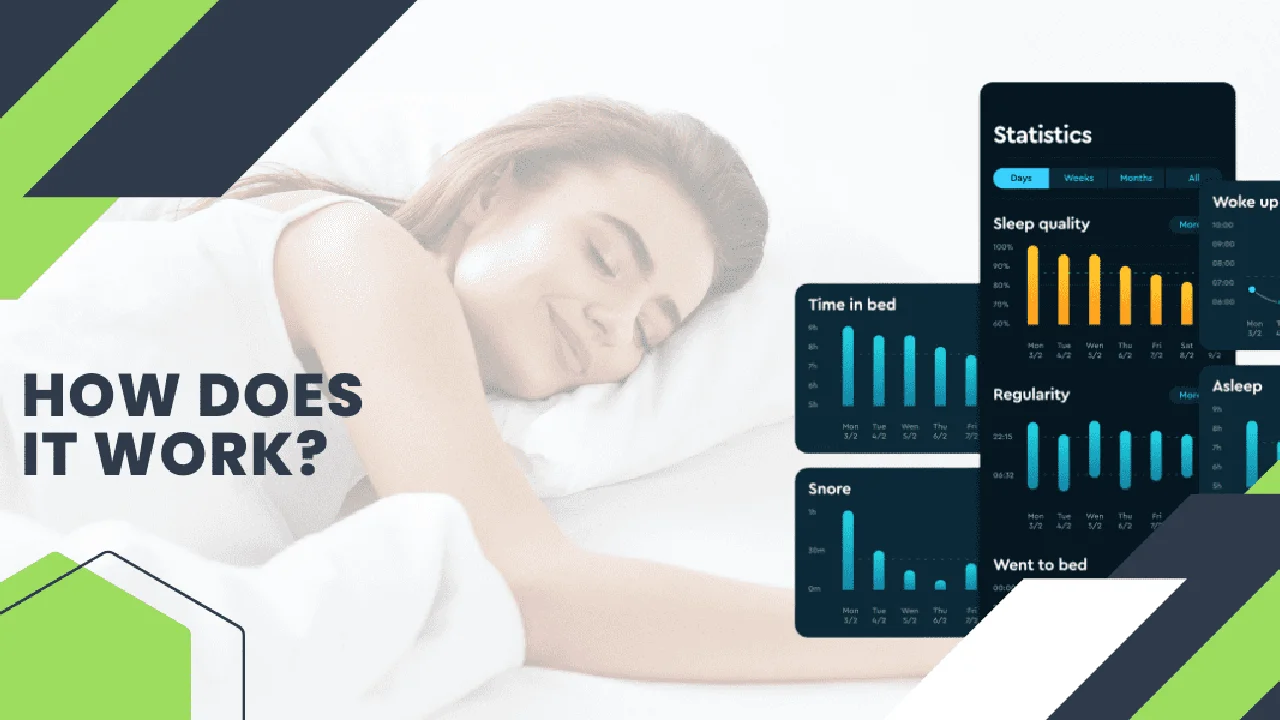
Learn the advantages of tracking your sleep cycles with technology. Gain insights to optimize your sleep patterns.
Tracking Your Sleep Cycles Benefits
Ever wondered what truly happens when you close your eyes and drift off to dreamland? It's more than just shutting down for the night. Your body goes through intricate sleep cycles, each playing a vital role in your physical and mental restoration. Thanks to modern technology, we can now peek into these cycles, understand them better, and even optimize them for improved health and well-being. This isn't just for sleep enthusiasts or insomniacs; understanding your sleep patterns can be a game-changer for anyone looking to boost their energy, focus, and overall quality of life.
Why Track Your Sleep Cycles Understanding the Core Advantages
So, why bother tracking your sleep? The benefits extend far beyond just knowing how many hours you slept. It's about gaining actionable insights into the quality and efficiency of your rest. When you track your sleep cycles, you're essentially collecting data on your body's most crucial recovery process. This data can reveal patterns, identify potential issues, and empower you to make informed decisions about your sleep habits. Think of it as a personalized sleep coach, providing objective feedback that your subjective feelings might miss.
Unlocking Deeper Sleep Insights Beyond Just Hours
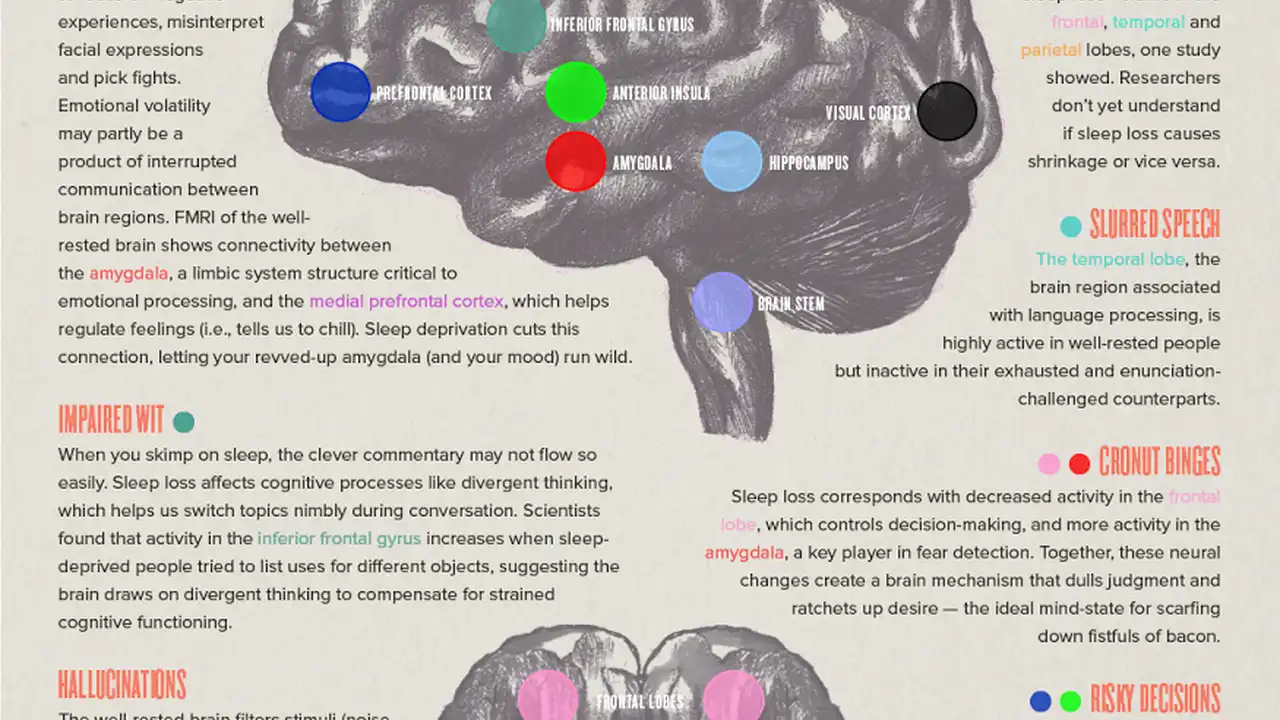
Many people focus solely on the quantity of sleep, aiming for the magical 7-9 hours. While duration is important, the quality of those hours is paramount. Sleep tracking allows you to see how much time you spend in different sleep stages: light sleep, deep sleep (NREM Stage 3), and REM sleep. Each stage has unique restorative properties. For instance, deep sleep is crucial for physical recovery, growth hormone release, and immune system function, while REM sleep is vital for memory consolidation and emotional processing. A tracker can show you if you're getting enough of each, or if certain habits are disrupting these critical phases.
Identifying Sleep Disruptions and Their Causes
Are you waking up feeling tired even after a full night's rest? Your sleep tracker might hold the answer. It can pinpoint exactly when and how often you wake up during the night, even if you don't consciously remember it. This could be due to noise, temperature fluctuations, or even subtle breathing irregularities. By correlating these disruptions with your daily activities or environment, you can start to identify and address the root causes. For example, if your tracker shows frequent awakenings around 3 AM, you might consider reducing late-night fluid intake or checking your bedroom temperature.
Optimizing Your Sleep Schedule and Consistency
Our bodies thrive on routine, especially when it comes to sleep. A consistent sleep schedule helps regulate your circadian rhythm, making it easier to fall asleep and wake up naturally. Sleep trackers can help you assess your sleep consistency by showing your bedtimes and wake times over days or weeks. If you notice significant variations, the data can motivate you to stick to a more regular schedule, which in turn can improve your overall sleep quality and daytime energy levels.
Monitoring the Impact of Lifestyle Choices on Sleep
Ever wondered how that late-night snack, evening workout, or extra cup of coffee affects your sleep? Sleep tracking provides objective data to answer these questions. You can experiment with different lifestyle choices and observe their impact on your sleep metrics. For example, you might find that exercising too close to bedtime significantly reduces your deep sleep, or that avoiding caffeine after noon leads to more consolidated sleep. This personalized feedback empowers you to make healthier choices that directly benefit your rest.
Top Sleep Tracking Technologies and Devices A Comprehensive Review
The market for sleep tracking technology has exploded, offering a wide range of devices from wearables to under-mattress sensors. Each type has its strengths and weaknesses, catering to different preferences and budgets. Let's dive into some of the most popular and effective options available today.
Wearable Sleep Trackers Smartwatches and Rings
Wearable devices are perhaps the most common form of sleep tracking. They are convenient, integrate seamlessly into daily life, and often offer a wealth of other health metrics. They typically use accelerometers to detect movement and heart rate sensors (PPG) to estimate sleep stages.
Oura Ring Gen3 The Premium Sleep Companion
The Oura Ring is a sleek, minimalist smart ring that has gained immense popularity for its advanced sleep tracking capabilities. It measures heart rate, heart rate variability (HRV), body temperature, and movement to provide highly detailed insights into your sleep stages, readiness for the day, and recovery. The Oura app presents data in an easy-to-understand format, offering personalized recommendations based on your sleep patterns. It's known for its accuracy and comfortable wear.
- Key Features: Sleep stages (REM, deep, light), readiness score, body temperature trends, HRV, resting heart rate, activity tracking, personalized insights.
- Use Case: Ideal for individuals serious about optimizing their sleep and overall well-being, athletes, and those looking for a discreet, comfortable wearable.
- Pros: High accuracy, comfortable, long battery life (4-7 days), comprehensive data, actionable insights.
- Cons: Higher price point, requires a monthly subscription for full features, not suitable for all finger sizes.
- Price Range: $299 - $399 (plus monthly subscription).
Whoop 4.0 The Recovery-Focused Wearable
Whoop is another high-end wearable, often favored by athletes and fitness enthusiasts, that focuses heavily on recovery and strain. It tracks sleep stages, respiratory rate, skin temperature, and HRV to give you a daily recovery score. This score helps you understand how well your body is recovering from daily strain and whether you're ready for intense activity or need more rest. Whoop is worn on the wrist or bicep.
- Key Features: Sleep stages, recovery score, strain score, respiratory rate, skin temperature, HRV, personalized coaching.
- Use Case: Athletes, individuals with demanding physical jobs, or anyone prioritizing recovery and performance optimization.
- Pros: Excellent recovery insights, comfortable, waterproof, strong community features, no screen distractions.
- Cons: Subscription-based model (no upfront purchase, only subscription), can be bulky for some, less focus on general health metrics compared to some smartwatches.
- Price Range: Subscription starts around $30/month.
Fitbit Sense 2 The All-Rounder Smartwatch
Fitbit smartwatches, particularly the Sense 2, offer robust sleep tracking alongside a suite of other health and fitness features. They track sleep stages, restless periods, and provide a daily sleep score. The Sense 2 also includes an EDA (electrodermal activity) sensor for stress management, which can indirectly impact sleep. Fitbit's app provides detailed graphs and insights into your sleep patterns.
- Key Features: Sleep stages, sleep score, restless periods, heart rate, skin temperature, EDA sensor for stress, activity tracking, smart notifications.
- Use Case: General health and fitness tracking, individuals who want a smartwatch with good sleep insights, those looking for a more affordable option than Oura or Whoop.
- Pros: Good value, comprehensive health tracking, user-friendly app, long battery life (6+ days), comfortable.
- Cons: Sleep stage accuracy can sometimes be less precise than dedicated sleep trackers, some advanced features require Fitbit Premium subscription.
- Price Range: $249 - $299.
Non-Wearable Sleep Trackers Under-Mattress and Bedside Devices
For those who prefer not to wear anything to bed, non-wearable trackers offer a convenient alternative. These devices typically sit under your mattress or on your bedside table and use various sensors to monitor your sleep without direct contact.
Withings Sleep Analyzer The Discreet Under-Mattress Sensor
The Withings Sleep Analyzer is a thin mat that slides under your mattress. It uses pneumatic sensors to detect breathing patterns, heart rate, and body movement, providing detailed insights into sleep cycles, sleep disturbances, and even detecting signs of sleep apnea. It integrates seamlessly with the Withings Health Mate app, offering a comprehensive view of your sleep health.
- Key Features: Sleep stages, heart rate, breathing disturbances (snoring, sleep apnea detection), sleep score, personalized coaching.
- Use Case: Individuals who dislike wearing devices to bed, those concerned about sleep apnea, families wanting to monitor sleep without direct contact.
- Pros: Completely non-intrusive, highly accurate for breathing and heart rate, easy setup, good for detecting sleep apnea signs.
- Cons: Less portable than wearables, only tracks sleep in one bed, may not be as accurate for movement-based sleep stages as some wearables.
- Price Range: $129 - $149.
Google Nest Hub 2nd Gen The Smart Display with Sleep Sensing
The Google Nest Hub 2nd Gen is a smart display that uses Soli radar technology to track sleep without cameras or wearables. It monitors your movement and breathing patterns from your bedside table, providing insights into sleep duration, sleep stages, and even detecting snoring and coughing. It also offers personalized sleep summaries and recommendations.
- Key Features: Sleep Sensing (movement, breathing, snoring, coughing), sleep stages, personalized sleep summaries, smart display functionalities (music, weather, smart home control).
- Use Case: Individuals who want a multi-functional smart display with integrated sleep tracking, those who prefer no wearables.
- Pros: Non-contact, no wearables needed, integrates with Google Assistant, provides environmental insights (light, temperature).
- Cons: Requires placement on a bedside table, may not be as accurate as dedicated medical-grade devices for sleep apnea, privacy concerns for some due to microphone/radar.
- Price Range: $99 - $129.
Specialized Sleep Tracking Devices EEG-Based and Advanced Sensors
For the most precise sleep stage detection, some devices utilize electroencephalography (EEG) to measure brainwave activity, which is the gold standard for sleep research.
Dreem 3 Headband The Clinical-Grade Sleep Tracker
The Dreem 3 Headband is an advanced sleep tracker that uses EEG sensors to accurately measure brainwave activity, providing highly precise sleep stage detection (REM, deep, light, wake). It also includes bone conduction audio for guided meditation and smart alarms. While it's a headband, it's designed to be comfortable for overnight wear and offers insights comparable to a sleep lab.
- Key Features: EEG-based sleep stage detection, heart rate, respiratory rate, personalized sleep coaching, smart alarm, guided meditation.
- Use Case: Individuals seeking the highest accuracy in sleep stage tracking, those with persistent sleep issues, researchers, or biohackers.
- Pros: Gold-standard accuracy for sleep stages, comprehensive data, personalized programs, comfortable design.
- Cons: Higher price point, requires wearing a headband to bed, may not be available in all regions.
- Price Range: Approximately $499 - $599 (availability may vary).
Comparing Sleep Tracking Technologies Which One is Right for You
Choosing the right sleep tracker depends on your individual needs, preferences, and budget. Here's a quick comparison to help you decide:
Accuracy vs Convenience Finding Your Balance
Wearables (Oura, Whoop, Fitbit): Offer a good balance of accuracy and convenience. They are easy to wear daily and provide a wealth of data beyond just sleep. Accuracy for sleep stages is generally good, especially for heart rate-based estimations, but can vary between devices and individuals. They are excellent for tracking trends and identifying patterns.
Non-Wearables (Withings, Nest Hub): Prioritize convenience by requiring no direct contact. They are great for those who find wearables uncomfortable. Accuracy for breathing and movement is often very good, but sleep stage detection might rely more on algorithms and less on direct physiological signals compared to EEG. They are ideal for passive monitoring.
Specialized EEG (Dreem): Offer the highest level of accuracy for sleep stage detection, as they directly measure brain activity. However, they are less convenient to wear and typically come with a higher price tag. These are best for those who need precise, clinical-grade data.
Budget Considerations Value for Your Investment
Sleep trackers range from affordable smartwatches to premium dedicated devices. Consider not just the upfront cost but also any potential subscription fees. Some devices, like Whoop and Oura, offer their full features only with a monthly subscription, which can add up over time. Fitbit also has a premium subscription for deeper insights. Decide how much you're willing to invest for the level of detail and features you desire.
Data Interpretation and Actionable Insights Making Sense of Your Sleep Data
Having data is one thing; understanding it and acting on it is another. Look for devices that offer clear, intuitive apps with actionable insights and personalized recommendations. Some apps provide daily readiness scores, recovery metrics, or even guided programs to improve your sleep. The best trackers don't just show you numbers; they help you understand what those numbers mean for your health and how to make positive changes.
Maximizing Your Sleep Tracking Experience Tips and Best Practices
Simply owning a sleep tracker isn't enough; you need to use it effectively to reap the full benefits. Here are some tips to get the most out of your sleep tracking journey.
Consistency is Key Regular Use for Reliable Data
For your sleep tracker to provide meaningful insights, you need to use it consistently. Wear it every night (or keep your non-wearable device active) to build a comprehensive dataset. Sporadic use will only give you fragmented information and make it difficult to identify long-term trends or the impact of lifestyle changes.
Context Matters Log Your Daily Activities
Your sleep doesn't happen in a vacuum. What you do during the day significantly impacts your night. Many sleep tracking apps allow you to log daily activities, such as exercise, caffeine intake, alcohol consumption, stress levels, and meal times. Correlating this information with your sleep data can help you identify specific triggers or habits that positively or negatively affect your sleep quality. For example, you might notice that late-night heavy meals consistently reduce your deep sleep.
Don't Obsess Over Every Metric Focus on Trends
It's easy to get caught up in the numbers and feel anxious if one night's sleep score isn't perfect. Remember, sleep is dynamic, and variations are normal. Instead of obsessing over a single night's data, focus on long-term trends. Are your deep sleep percentages generally improving over weeks? Is your sleep consistency getting better? Look for patterns and overall progress rather than fixating on daily fluctuations.
Experiment and Adjust Personalize Your Approach
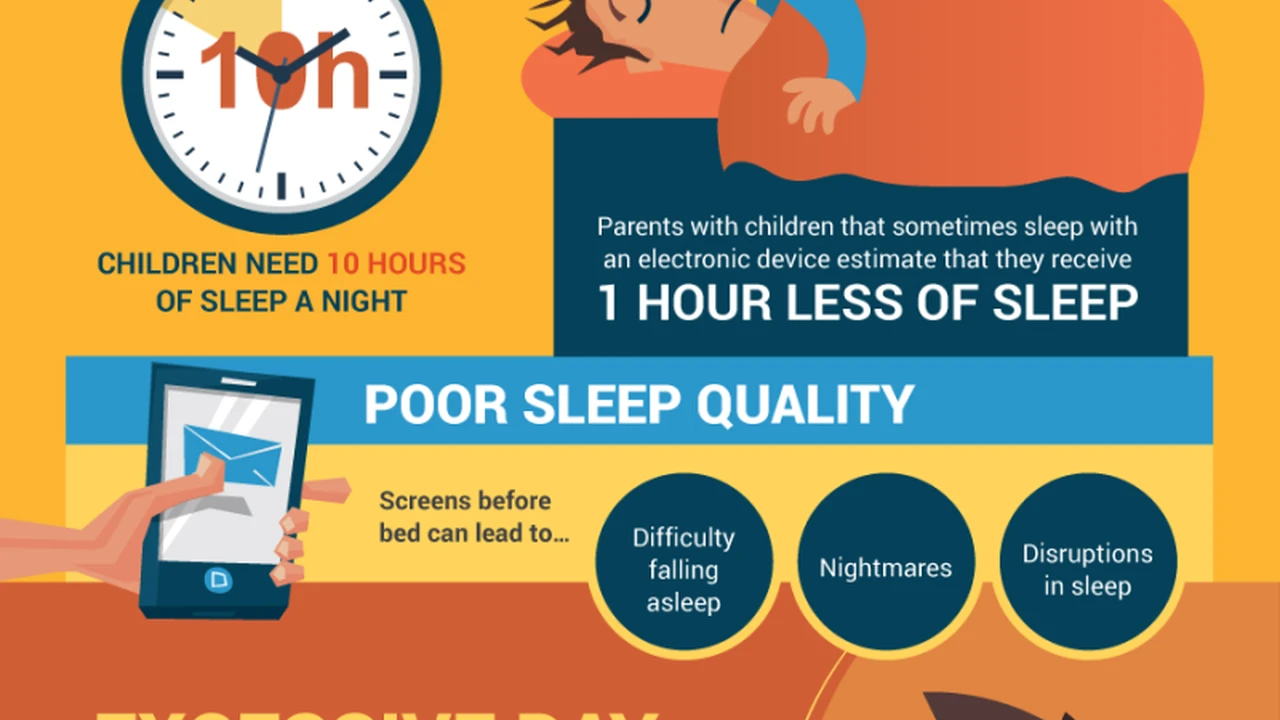
Use your sleep tracker as a tool for experimentation. Try different bedtime routines, adjust your bedroom environment, or modify your diet, and then observe the impact on your sleep metrics. This personalized approach allows you to discover what truly works best for your unique body and lifestyle. For instance, you might find that a warm bath before bed significantly increases your deep sleep, or that cutting off screen time an hour before sleep improves your sleep latency.
Consult Professionals When Needed Seek Expert Advice
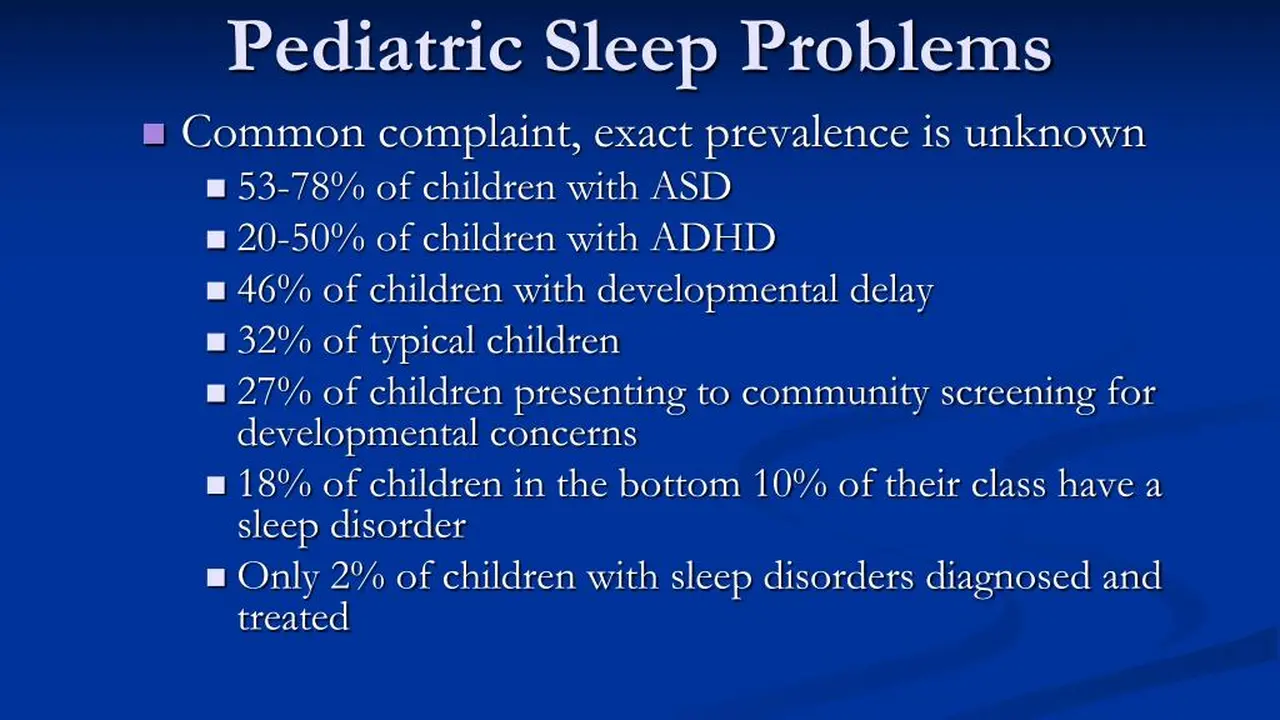
While sleep trackers provide valuable insights, they are not diagnostic medical devices. If you consistently observe concerning patterns, such as frequent breathing disturbances, severe insomnia, or excessive daytime sleepiness, it's crucial to consult a healthcare professional or a sleep specialist. Your sleep data can be a helpful tool to share with them, providing objective information to aid in diagnosis and treatment.
The Future of Sleep Tracking Innovations and Beyond
The field of sleep technology is constantly evolving, with exciting innovations on the horizon. We're seeing a move towards more integrated systems, predictive analytics, and personalized interventions.
AI and Machine Learning Personalized Sleep Coaching
Artificial intelligence and machine learning are playing an increasingly significant role in sleep tracking. These technologies can analyze vast amounts of sleep data, identify complex patterns that might be invisible to the human eye, and provide highly personalized recommendations. Imagine an AI coach that learns your unique sleep needs and suggests optimal bedtimes, relaxation techniques, or even dietary adjustments tailored specifically for you.
Integration with Smart Home Ecosystems Seamless Sleep Environments
Future sleep trackers will likely integrate even more seamlessly with smart home ecosystems. Your sleep device could automatically adjust your bedroom temperature, dim the lights, play soothing sounds, or even brew your coffee at the optimal wake-up time, all based on your sleep patterns and preferences. This creates a truly optimized and effortless sleep environment.
Advanced Biometric Sensors Deeper Physiological Insights
Expect to see even more sophisticated biometric sensors in future devices, capable of measuring a wider range of physiological signals. This could include more precise brainwave monitoring, advanced respiratory analysis, and even biochemical markers, providing an even deeper understanding of your sleep health and overall well-being.
Tracking your sleep cycles is more than just a trend; it's a powerful way to gain control over one of the most fundamental aspects of your health. By leveraging the insights provided by these innovative technologies, you can make informed decisions, optimize your sleep patterns, and ultimately unlock a more energized, focused, and healthier version of yourself. So, go ahead, explore the world of sleep tracking, and start your journey towards truly restorative rest.
:max_bytes(150000):strip_icc()/277019-baked-pork-chops-with-cream-of-mushroom-soup-DDMFS-beauty-4x3-BG-7505-5762b731cf30447d9cbbbbbf387beafa.jpg)