The Impact of Screen Time on Sleep
Understand how blue light from screens affects your sleep. Implement strategies to minimize screen time before bed.
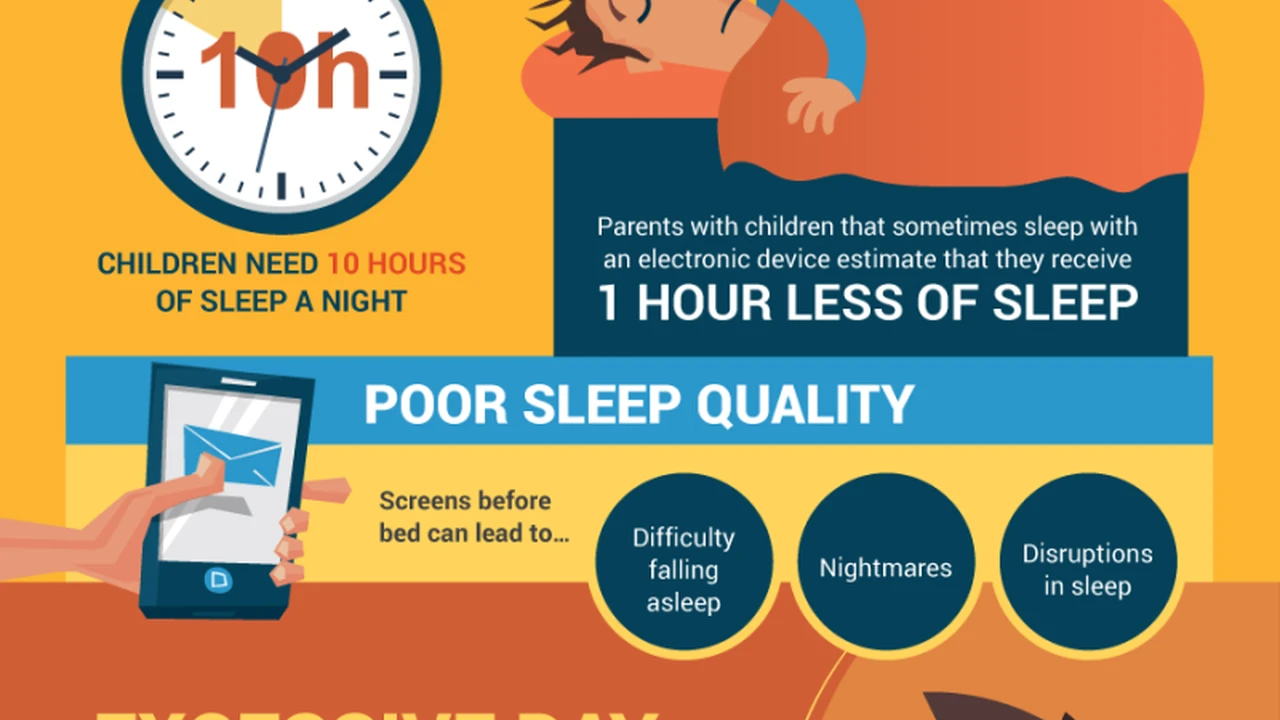
Understand how blue light from screens affects your sleep. Implement strategies to minimize screen time before bed.
The Impact of Screen Time on Sleep
Hey there, fellow sleep seekers! Let's talk about something that's probably glued to your hand right now: screens. Whether it's your smartphone, tablet, laptop, or that giant TV in your living room, screens are everywhere. And while they've made our lives incredibly convenient and entertaining, they're also playing a sneaky role in messing with our precious sleep. You might not even realize how much that late-night scrolling or binge-watching is impacting your ability to drift off and get truly restorative rest. So, let's dive deep into the science behind screen time and sleep, and more importantly, what we can actually do about it.
Blue Light Exposure and Melatonin Suppression
The biggest culprit when it comes to screens and sleep disruption is something called blue light. Now, blue light isn't inherently bad. It's a natural part of sunlight, and during the day, it actually helps us stay alert and regulate our circadian rhythm – that's your body's internal clock. The problem arises when we're exposed to significant amounts of blue light in the evening, after the sun has gone down. Most digital screens emit a high concentration of blue light.
Here's the science bit: Your brain produces a hormone called melatonin, which is crucial for signaling to your body that it's time to wind down and prepare for sleep. Melatonin production naturally increases in the evening as darkness falls. However, when your eyes are exposed to blue light, especially at night, your brain gets confused. It interprets this blue light as daylight, and as a result, it suppresses melatonin production. Less melatonin means it's harder to fall asleep, and the quality of your sleep can suffer too. Think of it like trying to convince your body it's noon when it's actually midnight – it just doesn't work.
Circadian Rhythm Disruption and Sleep Onset Latency
Beyond just melatonin suppression, excessive screen time, particularly before bed, can seriously throw off your entire circadian rhythm. Your body thrives on routine, and a consistent sleep-wake cycle is key to feeling your best. When you're constantly exposing yourself to bright screens late into the night, you're essentially telling your internal clock to stay awake and alert. This can lead to what's known as increased sleep onset latency – that's a fancy term for how long it takes you to fall asleep. Instead of drifting off peacefully, you might find yourself tossing and turning for an hour or more, your mind still buzzing from whatever you just watched or read.
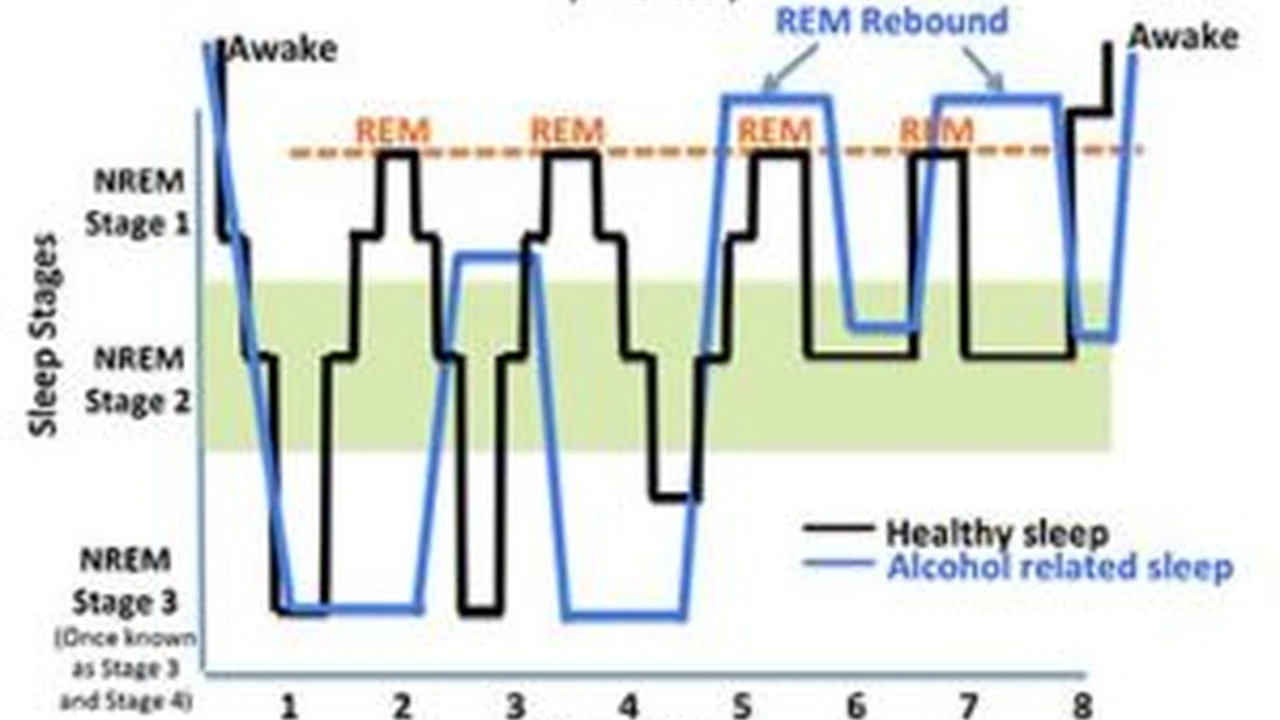
This disruption isn't just about falling asleep. It can also affect the quality of your sleep throughout the night. You might experience more fragmented sleep, waking up more frequently, or spending less time in those crucial deep and REM sleep stages that are vital for physical and mental restoration. Over time, this can accumulate into chronic sleep deprivation, leading to a whole host of other health issues like reduced cognitive function, mood swings, weakened immune system, and even an increased risk of chronic diseases.
Mental Stimulation and Cognitive Arousal
It's not just the blue light; the content you're consuming on screens also plays a massive role. Think about it: are you watching an action-packed thriller, scrolling through endless social media feeds, or engaging in a heated online debate right before bed? All of these activities are mentally stimulating. They get your brain buzzing, your thoughts racing, and your emotions heightened. This cognitive arousal is the exact opposite of what you need when you're trying to wind down for sleep.
Your brain needs time to decompress and transition from an active, alert state to a calm, relaxed one. Bombarding it with stimulating content right before you hit the pillow makes this transition incredibly difficult. You might find yourself replaying scenes, thinking about comments, or planning your next move in a game, all while you're supposed to be drifting off. This mental overactivity can lead to insomnia and a restless night, even if you manage to fall asleep eventually.
Strategies to Minimize Screen Time Before Bed: Your Digital Detox Plan
Okay, so we know screens are a problem. But what can we actually do about it? Completely ditching screens might not be realistic for everyone, but there are plenty of practical strategies you can implement to minimize their negative impact on your sleep. Think of this as your personal digital detox plan for better sleep.
The Golden Hour Rule: Power Down an Hour Before Bed
This is perhaps the most crucial and effective strategy. Aim to put away all screens – and we mean ALL screens – at least one hour before your intended bedtime. This 'golden hour' allows your brain to start producing melatonin naturally and gives your mind a chance to wind down without digital stimulation. What should you do instead? Read a physical book, listen to calming music or a podcast, take a warm bath, meditate, stretch, or simply chat with a loved one. Find activities that are genuinely relaxing and don't involve a glowing screen.
Blue Light Filters and Night Mode: Software Solutions
Many devices now come with built-in blue light filters or 'Night Mode' settings. These features shift the screen's color temperature to a warmer, more yellow hue, reducing the amount of blue light emitted. While they aren't a complete solution (the mental stimulation aspect still remains), they can certainly help mitigate some of the melatonin suppression. Make sure these are enabled on all your devices, and ideally, set them to automatically activate in the evening.
Physical Blue Light Blocking Glasses: Hardware Protection
For those who absolutely must use screens in the evening for work or other unavoidable reasons, consider investing in a pair of blue light blocking glasses. These glasses have special lenses that filter out a significant portion of blue light before it reaches your eyes. Look for glasses that block at least 60-80% of blue light, and ideally, ones with an orange or amber tint, as these are generally more effective than clear lenses for evening use. They might look a little goofy, but your sleep will thank you.
Product Recommendations: Blue Light Blocking Glasses
- Gunnar Optiks Intercept (Amber Tint): These are a popular choice for gamers and anyone spending long hours in front of screens. They offer a good balance of blue light filtration and comfort. They typically retail for around $50-$80 USD.
- Swannies Blue Light Blocking Glasses (Orange Tint): Swannies are known for their strong blue light blocking capabilities, especially their orange-tinted models, which are ideal for evening use. They come in various styles and can range from $60-$100 USD.
- Felix Gray (Clear Lenses): If you prefer a less noticeable tint for daytime use or minimal evening use, Felix Gray offers clear lenses that still filter some blue light. Their prices are generally in the $95-$150 USD range.
Usage Scenario: If you're a student pulling an all-nighter for an exam, or a remote worker who has to respond to emails late, these glasses can be a lifesaver. They won't make screen time before bed ideal, but they'll significantly reduce the blue light exposure, making it easier for your body to transition to sleep once you finally power down.
Designate a Screen-Free Zone: Your Bedroom Sanctuary
Your bedroom should be a sanctuary for sleep and relaxation, not a multi-media entertainment hub. Make a strict rule: no screens in the bedroom. This means no TV, no phone scrolling in bed, no laptop on your nightstand. If you use your phone as an alarm, consider getting a separate, old-fashioned alarm clock. This physical separation helps reinforce the idea that your bedroom is for sleep, not stimulation.
Set Digital Curfews and Use App Limits: Self-Control Tools
Most smartphones and operating systems now offer features that allow you to set digital curfews or app limits. Use them! Schedule your phone to automatically go into 'Do Not Disturb' mode or 'Sleep Focus' at a certain time each evening. You can also set limits on how much time you spend on certain apps. This can be a great way to build healthier habits and reduce mindless scrolling, especially when you're tired and more susceptible to temptation.
Consider E-Readers with E-Ink Displays: A Better Alternative
If you love to read before bed, ditch the tablet or phone and opt for an e-reader with an e-ink display, like a Kindle Paperwhite or Kobo. These devices don't emit blue light in the same way backlit screens do. They mimic the look of real paper and often have adjustable warm front lights that are much gentler on your eyes in the dark. This allows you to enjoy your reading habit without disrupting your melatonin production.
Product Recommendations: E-Ink E-Readers
- Amazon Kindle Paperwhite: A very popular choice, known for its crisp e-ink display and adjustable warm light. It's waterproof, making it great for reading in the bath. Prices typically range from $140-$170 USD.
- Kobo Libra 2: Kobo e-readers are often praised for their open ecosystem (supporting more file types) and physical page-turn buttons. The Libra 2 has a comfortable design and adjustable warm light. Expect to pay around $180-$200 USD.
- Onyx Boox Poke5: For those who want more Android app flexibility on an e-ink screen, the Onyx Boox series offers more advanced features. The Poke5 is a compact option. Prices can vary but are generally in the $150-$200 USD range.
Usage Scenario: Perfect for avid readers who want to enjoy a book in bed without the negative effects of blue light. The warm front light allows for comfortable reading in a dark room, promoting relaxation rather than stimulation.
Audiobooks and Podcasts: Screen-Free Entertainment
Instead of watching TV or scrolling, try listening to an audiobook or a calming podcast. This engages your mind without exposing you to any light. There are countless options available, from relaxing stories to educational content, all designed to be enjoyed with your eyes closed or in a dimly lit room. Just make sure the content isn't too stimulating or suspenseful!
Mindful Screen Use: Be Intentional
Beyond just limiting time, be mindful of how you're using screens. Are you mindlessly scrolling, or are you engaging with content intentionally? If you find yourself just aimlessly browsing, that's a good sign to put the device down. Practice being present and aware of your screen habits. This self-awareness is the first step towards making positive changes.
The Long-Term Benefits of Reduced Screen Time Before Bed
Making these changes might feel challenging at first, especially if you're used to winding down with your devices. But the long-term benefits for your sleep and overall well-being are immense. You'll likely find yourself falling asleep faster, experiencing deeper and more restorative sleep, and waking up feeling more refreshed and energized. This improved sleep will have a ripple effect on every aspect of your life: your mood, your focus, your productivity, your physical health, and even your relationships.
Think of it as an investment in yourself. Prioritizing your sleep by reducing evening screen time is one of the most powerful things you can do for your health. It's not about deprivation; it's about creating a healthier, more balanced relationship with technology that supports your natural sleep rhythms. So, go ahead, give your eyes and your brain a break tonight. Your sleep will thank you for it.
:max_bytes(150000):strip_icc()/277019-baked-pork-chops-with-cream-of-mushroom-soup-DDMFS-beauty-4x3-BG-7505-5762b731cf30447d9cbbbbbf387beafa.jpg)