Narcolepsy Living with Excessive Sleepiness
Understand narcolepsy and strategies for managing its impact on daily life. Find support and coping mechanisms.
Understand narcolepsy and strategies for managing its impact on daily life. Find support and coping mechanisms.
Narcolepsy Living with Excessive Sleepiness
Understanding Narcolepsy What is it Really?
Hey there! Ever feel like you could just fall asleep anywhere, anytime, no matter how exciting things are? While a quick nap can be great, for some folks, this isn't just a feeling – it's a chronic neurological condition called narcolepsy. It's more than just being super tired; it's a brain issue that messes with your sleep-wake cycles. Basically, your brain can't properly regulate when you're awake and when you're asleep. This leads to a whole bunch of challenging symptoms that can seriously impact daily life. We're talking about sudden, irresistible urges to sleep, even in the middle of a conversation or while driving. Pretty wild, right? It's not about being lazy or not getting enough sleep at night; it's a genuine medical condition that needs understanding and management.
Key Symptoms of Narcolepsy Beyond Just Sleepiness
So, what exactly does narcolepsy look like? While excessive daytime sleepiness (EDS) is the hallmark, there are a few other key players that often come along for the ride. Let's break them down:
Excessive Daytime Sleepiness EDS The Main Event
This is the big one. People with narcolepsy experience overwhelming sleepiness throughout the day, regardless of how much sleep they got the night before. These 'sleep attacks' can happen without warning and are often irresistible. Imagine being in a meeting, laughing with friends, or even eating, and suddenly feeling an intense urge to sleep that you just can't fight off. It's not just feeling a bit drowsy; it's a profound, sudden onset of sleep.
Cataplexy Sudden Muscle Weakness Triggers
This is perhaps the most unique and often misunderstood symptom. Cataplexy is a sudden, temporary loss of muscle tone, often triggered by strong emotions like laughter, anger, surprise, or excitement. It can range from a slight weakness, like a drooping eyelid or jaw, to a complete collapse. The person remains fully conscious during a cataplexy attack, which can be incredibly frightening. It's like your body just gives up for a few seconds or minutes, but your mind is still fully aware. Not everyone with narcolepsy experiences cataplexy, but when it's present, it's a strong indicator of Type 1 narcolepsy.
Sleep Paralysis Waking Up Stuck
Ever woken up and felt like you couldn't move or speak, even though you were fully aware? That's sleep paralysis. For people with narcolepsy, this can happen more frequently, either when falling asleep or waking up. It's usually brief, lasting from a few seconds to a few minutes, but it can be terrifying. Your brain is awake, but your body hasn't quite caught up, leaving you temporarily 'paralyzed.'
Hypnagogic and Hypnopompic Hallucinations Vivid Dreams
These are vivid, often frightening, dream-like experiences that occur as you're falling asleep (hypnagogic) or waking up (hypnopompic). They can be visual, auditory, or even tactile, making it hard to distinguish between reality and dream. Because the boundaries between wakefulness and sleep are blurred in narcolepsy, these hallucinations can feel incredibly real and intense.
Disrupted Nighttime Sleep Fragmented Rest
Despite the overwhelming daytime sleepiness, people with narcolepsy often have fragmented and restless sleep at night. They might wake up frequently, experience vivid dreams, or have difficulty staying asleep for long stretches. It's a cruel irony: you're exhausted all day, but your nights aren't restful either.
Diagnosing Narcolepsy The Path to Clarity
Getting a narcolepsy diagnosis can sometimes be a long road, as symptoms can be mistaken for other conditions like depression or just plain fatigue. But there are specific tests that sleep specialists use to confirm it:
Polysomnogram PSG Overnight Sleep Study
This is an overnight sleep study conducted in a sleep lab. You'll be hooked up to sensors that monitor your brain waves, breathing, heart rate, eye movements, and muscle activity while you sleep. It helps rule out other sleep disorders and provides a baseline for your sleep architecture.
Multiple Sleep Latency Test MSLT Daytime Nap Study
The MSLT is usually done the day after the PSG. You'll be given several opportunities to nap throughout the day, typically five naps, 2 hours apart. This test measures how quickly you fall asleep and whether you enter REM sleep during these naps. For narcolepsy, individuals typically fall asleep very quickly (within 8 minutes on average) and enter REM sleep rapidly in at least two of the naps.
Lumbar Puncture CSF Hypocretin Levels
In some cases, especially when cataplexy is present, a lumbar puncture might be performed to measure the levels of hypocretin (also known as orexin) in your cerebrospinal fluid. Hypocretin is a neurotransmitter that helps regulate wakefulness. Low levels are strongly associated with Type 1 narcolepsy.
Managing Narcolepsy Daily Strategies and Support
While there's no cure for narcolepsy, it's definitely manageable. A combination of medication, lifestyle adjustments, and strong coping mechanisms can significantly improve quality of life.
Medication Options for Narcolepsy Symptoms
Medications are often a cornerstone of narcolepsy management. They primarily aim to reduce excessive daytime sleepiness and control cataplexy.
Stimulants for Wakefulness
These medications help promote wakefulness and reduce daytime sleepiness. Common examples include modafinil (Provigil), armodafinil (Nuvigil), methylphenidate (Ritalin), and amphetamines (Adderall). They work by affecting neurotransmitters in the brain that regulate alertness. It's crucial to work with your doctor to find the right stimulant and dosage, as side effects can include nervousness, headache, and insomnia.
Antidepressants for Cataplexy
Certain antidepressants, particularly tricyclic antidepressants (TCAs) and selective serotonin reuptake inhibitors (SSRIs), can be effective in managing cataplexy, sleep paralysis, and hallucinations. They work by suppressing REM sleep, which is linked to these symptoms. Examples include venlafaxine (Effexor XR) and fluoxetine (Prozac).
Sodium Oxybate Xyrem Xywav The Unique Option
Sodium oxybate (Xyrem, Xywav) is a unique medication approved for both excessive daytime sleepiness and cataplexy. It's taken at night, usually in two doses, and helps consolidate nighttime sleep, leading to improved daytime alertness. It's a controlled substance due to its sedative properties and requires careful monitoring.
Lifestyle Adjustments for Better Narcolepsy Management
Medication is important, but lifestyle changes play a huge role in managing narcolepsy effectively.
Scheduled Naps Strategic Rest
Short, strategic naps (15-20 minutes) throughout the day can be incredibly beneficial. They can help reduce sleepiness and improve alertness without causing nighttime sleep disruption. Think of them as 'power naps' that recharge your battery.
Consistent Sleep Schedule Regularity is Key
Going to bed and waking up at the same time every day, even on weekends, helps regulate your body's internal clock. This consistency can improve overall sleep quality and reduce the severity of daytime sleepiness.
Sleep Hygiene Best Practices for Rest
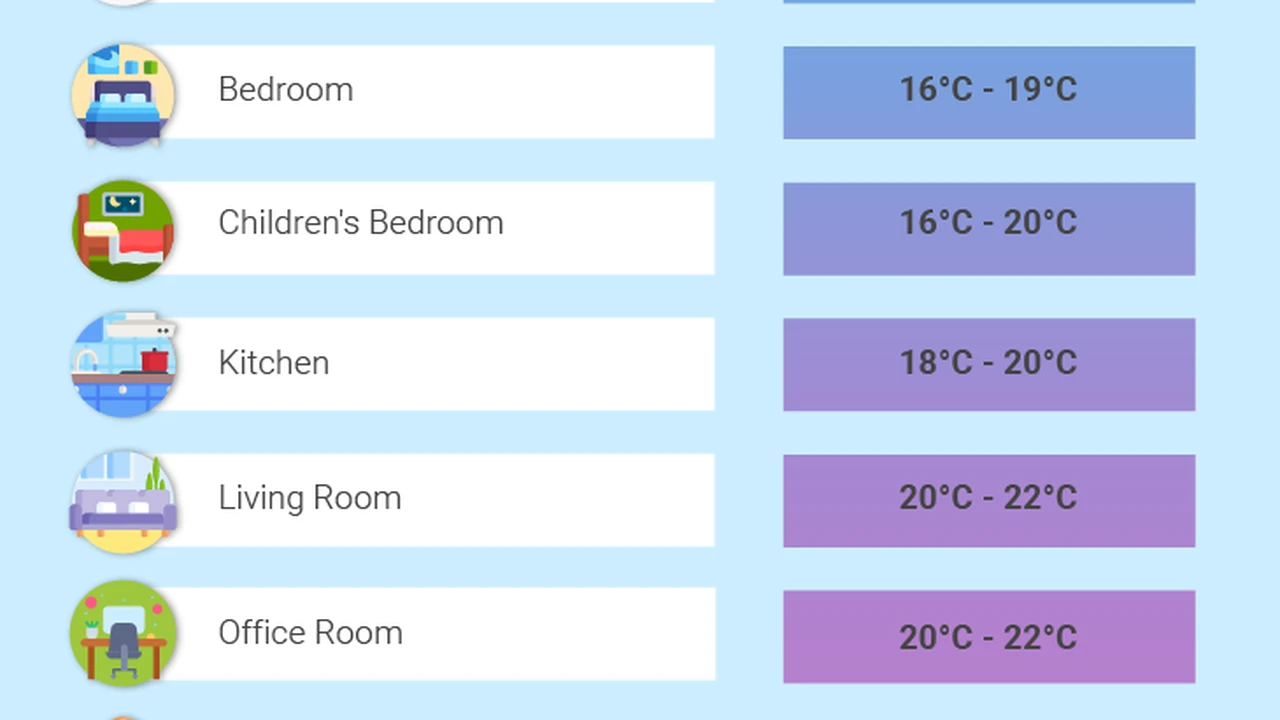
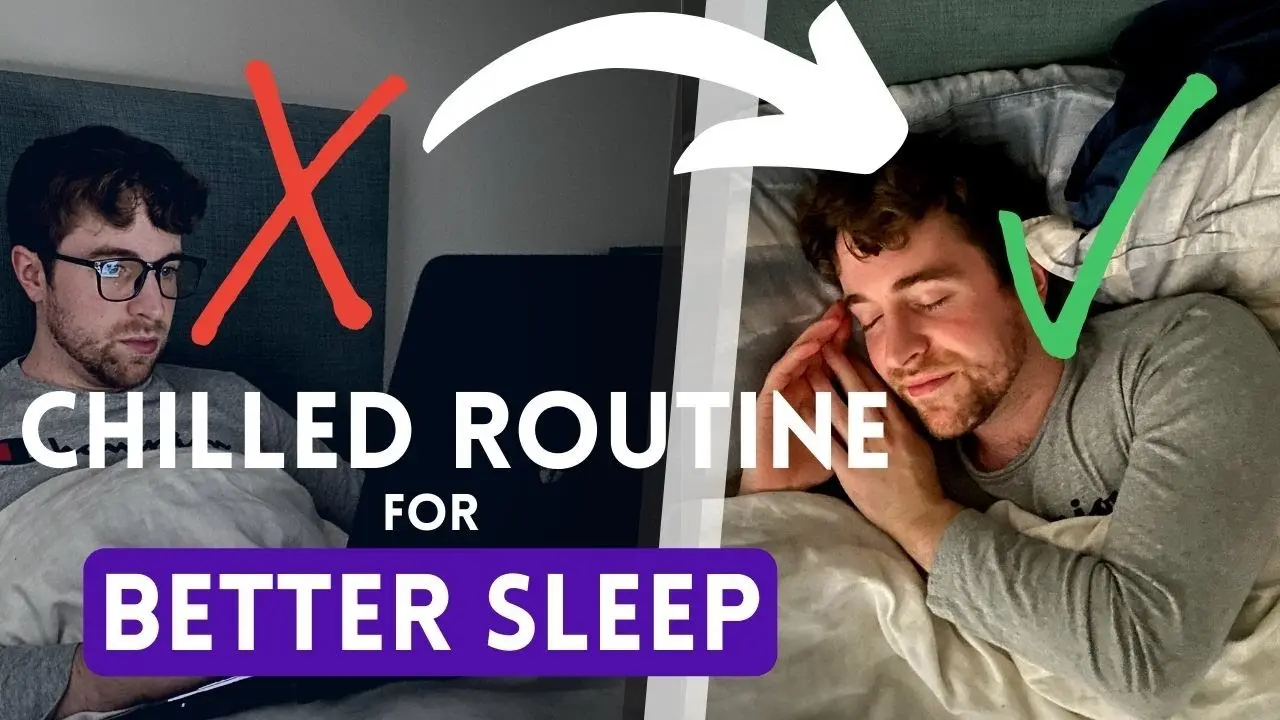
This includes creating a dark, quiet, and cool bedroom environment, avoiding caffeine and alcohol before bed, and limiting screen time in the evening. Good sleep hygiene supports better nighttime sleep, which in turn can help manage daytime symptoms.
Diet and Exercise Healthy Habits
A balanced diet and regular physical activity can improve overall energy levels and sleep quality. However, avoid heavy meals and intense exercise close to bedtime, as they can interfere with sleep.
Stress Management Coping Mechanisms
Stress can exacerbate narcolepsy symptoms, especially cataplexy. Practicing stress-reduction techniques like meditation, deep breathing exercises, or yoga can be very helpful.
Coping Mechanisms and Support Living Well with Narcolepsy
Living with narcolepsy can be challenging, but building a strong support system and developing effective coping strategies can make a world of difference.
Educating Others Awareness is Power
Help your family, friends, teachers, and colleagues understand your condition. Explaining narcolepsy can reduce misunderstandings and foster a more supportive environment. Many people simply don't know what narcolepsy is, so educating them is key.
Workplace and School Accommodations Advocacy
Don't be afraid to advocate for yourself. This might include requesting flexible work hours, designated nap times, or extended deadlines. Many workplaces and schools are willing to make reasonable accommodations once they understand your needs.
Support Groups Connecting with Others
Connecting with others who have narcolepsy can provide invaluable emotional support and practical advice. Sharing experiences and strategies can reduce feelings of isolation and empower you to manage your condition more effectively. Organizations like the Narcolepsy Network offer resources and community.
Mental Health Support Addressing the Emotional Toll
Living with a chronic condition like narcolepsy can take a toll on mental health. Depression, anxiety, and frustration are common. Seeking support from a therapist or counselor can help you process these emotions and develop healthy coping strategies.
Recommended Products and Technologies for Narcolepsy Management
Beyond medication and lifestyle, several products and technologies can help individuals with narcolepsy manage their symptoms and improve their daily lives. These aren't cures, but they can be incredibly helpful tools.
Smart Sleep Trackers and Wearables Monitoring Your Rest
While not a diagnostic tool, sleep trackers can help you understand your sleep patterns and identify potential triggers for fragmented sleep. They can also help you see if your lifestyle changes are having a positive impact.
Oura Ring Gen3 Smart Ring
Description: A sleek, comfortable ring worn on your finger that tracks sleep stages (REM, deep, light), heart rate, heart rate variability, body temperature, and activity. It provides a daily 'Readiness Score' based on your sleep and activity, which can be useful for understanding your energy levels and planning naps. Use Case: For individuals who want a discreet, comfortable, and highly accurate sleep tracker. It's great for monitoring sleep quality and consistency, which is crucial for narcolepsy management. The readiness score can help you decide if you need an extra nap or to take it easy. Comparison: More comfortable and less intrusive than wrist-based trackers for sleep. Offers detailed insights into sleep stages and recovery. Battery life is excellent (4-7 days). Price: Approximately $299 - $349 USD, plus a monthly membership fee for full features.
Whoop 4.0 Wearable Strap
Description: A wrist or bicep strap that provides continuous monitoring of sleep, recovery, and strain. It offers detailed sleep staging, respiratory rate, and skin temperature. Its 'Recovery Score' is particularly useful for understanding how well your body is recovering from daily stressors and sleep fragmentation. Use Case: Ideal for those who want comprehensive physiological data beyond just sleep, including recovery metrics that can inform daily activity levels and nap timing. It's popular among athletes but also beneficial for chronic conditions. Comparison: Focuses heavily on recovery and strain, offering a more holistic view of your body's state. Requires a subscription for use. Price: Requires a monthly membership, typically starting around $30 USD/month, with the strap included.
Fitbit Sense 2 Advanced Health Smartwatch
Description: A smartwatch that tracks sleep stages, heart rate, skin temperature, and stress. It offers a 'Daily Readiness Score' (similar to Oura) and guided mindfulness sessions. It's also a full-featured smartwatch for notifications and fitness tracking. Use Case: For individuals who want a combination of sleep tracking, general health monitoring, and smartwatch functionalities. The stress management features can be particularly helpful for narcolepsy patients. Comparison: A good all-rounder, offering a balance of sleep insights and broader health tracking. More affordable than some dedicated sleep trackers. Price: Approximately $299 USD.
Smart Alarms and Light Therapy Devices Waking Up Better
These devices can help regulate your circadian rhythm and make waking up a more gentle and effective process, especially when dealing with fragmented sleep.
Philips SmartSleep Sleep and Wake-Up Light
Description: A bedside lamp that simulates a natural sunrise to gently wake you up. It gradually increases light intensity before your alarm time, helping to suppress melatonin and promote alertness. Some models also include sunset simulations for winding down. Use Case: Excellent for establishing a consistent wake-up routine and combating morning grogginess. The gradual light can make waking up less jarring, which is beneficial when your sleep cycles are already disrupted. Comparison: More effective than traditional loud alarms for a gentle wake-up. Can also be used as a bedside lamp and for relaxation. Price: Ranges from $99 - $249 USD depending on features.
Hatch Restore 2 Smart Sleep Assistant
Description: Combines a sound machine, smart light, and alarm clock into one device. It offers personalized sleep-wake routines, including guided meditations, soundscapes, and a gentle sunrise alarm. You can customize programs to help you fall asleep and wake up more effectively. Use Case: For those who want an all-in-one bedside device to create a comprehensive sleep and wake-up routine. The guided content can be particularly helpful for relaxation before sleep. Comparison: Offers more guided content and customization than basic wake-up lights. Integrates sound and light for a holistic approach. Price: Approximately $199 USD.
White Noise Machines and Soundscapes Creating a Peaceful Environment
Consistent background noise can help mask sudden sounds that might disrupt fragmented nighttime sleep or make it easier to fall asleep during scheduled naps.
LectroFan Evo White Noise Sound Machine
Description: A dedicated sound machine offering 22 unique non-looping sounds, including various white noises, fan sounds, and ocean sounds. It's designed to mask disruptive noises and create a consistent sound environment. Use Case: Ideal for creating a consistent sound environment for both nighttime sleep and daytime naps. Helps block out sudden noises that could trigger awakenings. Comparison: Focuses purely on sound generation, offering a wide variety of high-quality, non-looping sounds. More portable than some larger units. Price: Approximately $59 USD.
Dohm Nova White Noise Sound Machine
Description: Features a real fan inside to create natural, non-looping white noise. It has adjustable tone and volume, allowing for personalized sound profiles. It's known for its simplicity and effectiveness. Use Case: For those who prefer the natural, soothing sound of a real fan without the airflow. Excellent for masking environmental noises. Comparison: A classic, simple, and effective design. No digital sounds, just pure fan-based white noise. Price: Approximately $69 USD.
Portable Napping Aids Discreet Rest
For those sudden sleep attacks or scheduled naps on the go, having discreet and comfortable aids can be a lifesaver.
Ostrich Pillow Go Travel Pillow
Description: A unique, ergonomic travel pillow designed to provide neck support and comfort for napping in various positions, including upright. It's compact and easy to carry. Use Case: Perfect for quick, discreet naps in public spaces, on commutes, or during breaks at work/school. Helps maintain neck comfort during unexpected sleep episodes. Comparison: More supportive and comfortable than traditional neck pillows for upright napping. Its design helps block out some light and sound. Price: Approximately $60 USD.
MZOO Sleep Eye Mask Contoured Comfort
Description: A contoured eye mask that blocks 100% of light without putting pressure on your eyes. It's designed for comfort and breathability, making it ideal for extended wear during naps or nighttime sleep. Use Case: Essential for creating a dark environment for naps, especially when light exposure is unavoidable. Also great for improving nighttime sleep quality. Comparison: Superior light blocking and comfort compared to flat eye masks. The contoured design allows for blinking without pressure. Price: Approximately $15 - $20 USD.
The Road Ahead Living a Full Life with Narcolepsy
Living with narcolepsy is a journey, not a destination. It requires ongoing management, self-awareness, and a willingness to adapt. While the symptoms can be challenging, remember that you're not alone, and there are many resources and strategies available to help you lead a fulfilling life. By understanding your condition, working closely with healthcare professionals, embracing lifestyle adjustments, and utilizing helpful technologies, you can navigate the challenges of narcolepsy and thrive. Keep learning, keep advocating for yourself, and remember that managing your sleep is a powerful step towards a better quality of life.
:max_bytes(150000):strip_icc()/277019-baked-pork-chops-with-cream-of-mushroom-soup-DDMFS-beauty-4x3-BG-7505-5762b731cf30447d9cbbbbbf387beafa.jpg)