How Light Affects Your Sleep Cycle
Explore the impact of light exposure on melatonin production and sleep. Discover strategies to manage light for optimal sleep.
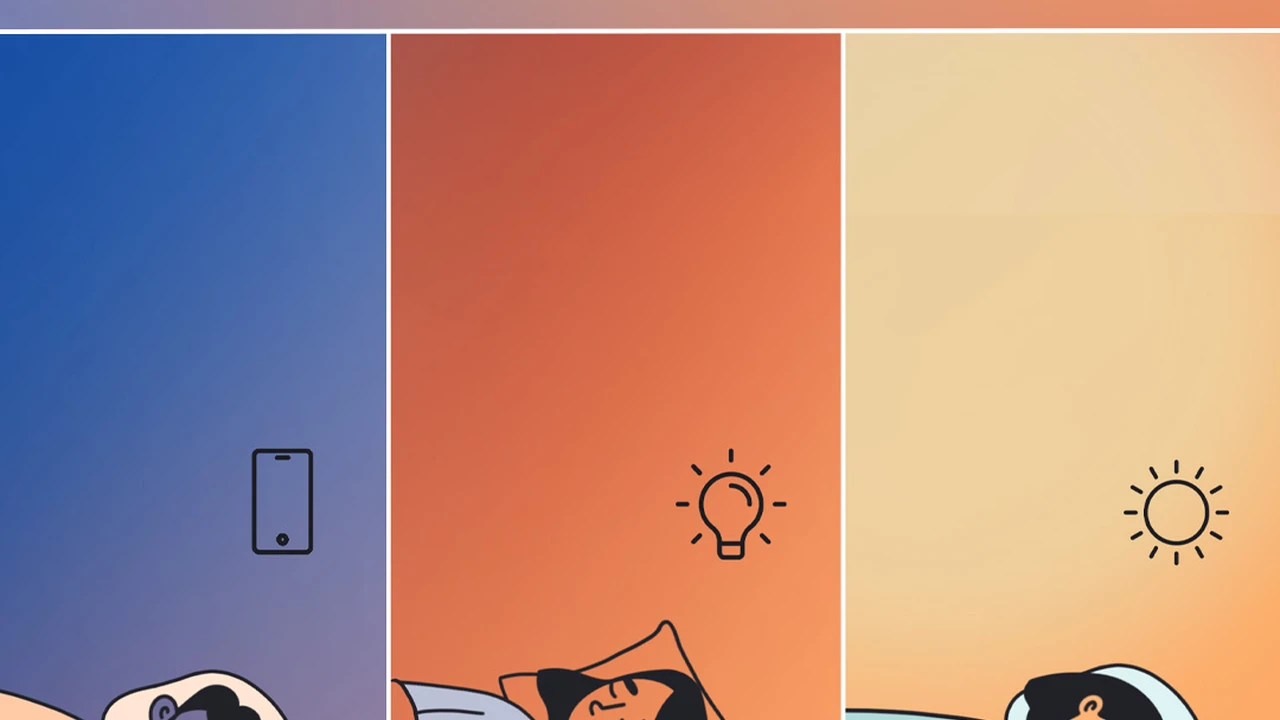
Explore the impact of light exposure on melatonin production and sleep. Discover strategies to manage light for optimal sleep.
How Light Affects Your Sleep Cycle
Hey there, ever wonder why some nights you just can't seem to drift off, or why you feel super groggy even after a full eight hours? A huge, often underestimated, factor is light. Yep, the very thing that helps us see during the day can seriously mess with our sleep at night. Let's dive deep into how light, especially the wrong kind at the wrong time, plays a massive role in your sleep cycle and what you can do about it.
The Circadian Rhythm and Light Exposure
First off, let's talk about your body's internal clock, also known as your circadian rhythm. This amazing system regulates your sleep-wake cycle, hormone release, body temperature, and other important bodily functions. And guess what's the primary external cue for this rhythm? You got it: light. Specifically, natural light. When your eyes detect light, signals are sent to a part of your brain called the suprachiasmatic nucleus (SCN), which then tells your body whether it's day or night. This is crucial for keeping your internal clock ticking in sync with the 24-hour day.
Melatonin Production and Light Interference
Now, let's get to melatonin, often called the 'sleep hormone.' Your body naturally produces melatonin when it gets dark, signaling to your brain that it's time to wind down and prepare for sleep. Think of it as your body's natural lullaby. However, exposure to light, especially certain types of light, can slam the brakes on melatonin production. This is why trying to fall asleep in a brightly lit room or after staring at your phone can feel like an uphill battle. Your brain is getting mixed signals, thinking it's still daytime, and thus, not releasing enough melatonin to make you feel sleepy.
Blue Light The Sleep Disruptor
Not all light is created equal when it comes to sleep. The biggest culprit? Blue light. This is the type of light emitted by electronic screens like your smartphone, tablet, computer, and even some LED lights. While blue light is great during the day for boosting attention and mood, it's a nightmare for your sleep at night. Its short wavelength is particularly effective at suppressing melatonin. So, that late-night Netflix binge or endless scrolling on social media? They're actively telling your brain to stay awake, making it much harder to fall asleep and impacting the quality of your sleep once you do.
Natural Light Exposure for Better Sleep
On the flip side, getting enough natural light during the day is just as important as avoiding artificial light at night. Exposure to bright, natural light, especially in the morning, helps to reinforce your circadian rhythm, telling your body it's daytime and boosting alertness. This also helps to set you up for better melatonin production later in the evening. Try to get outside for at least 15-30 minutes in the morning, even if it's just for a walk or having your coffee on the patio. It makes a bigger difference than you might think.
Strategies to Manage Light for Optimal Sleep
So, what can you actually do to manage light and improve your sleep? Plenty! Here are some actionable strategies:
Dimming Lights and Creating a Sleep Sanctuary
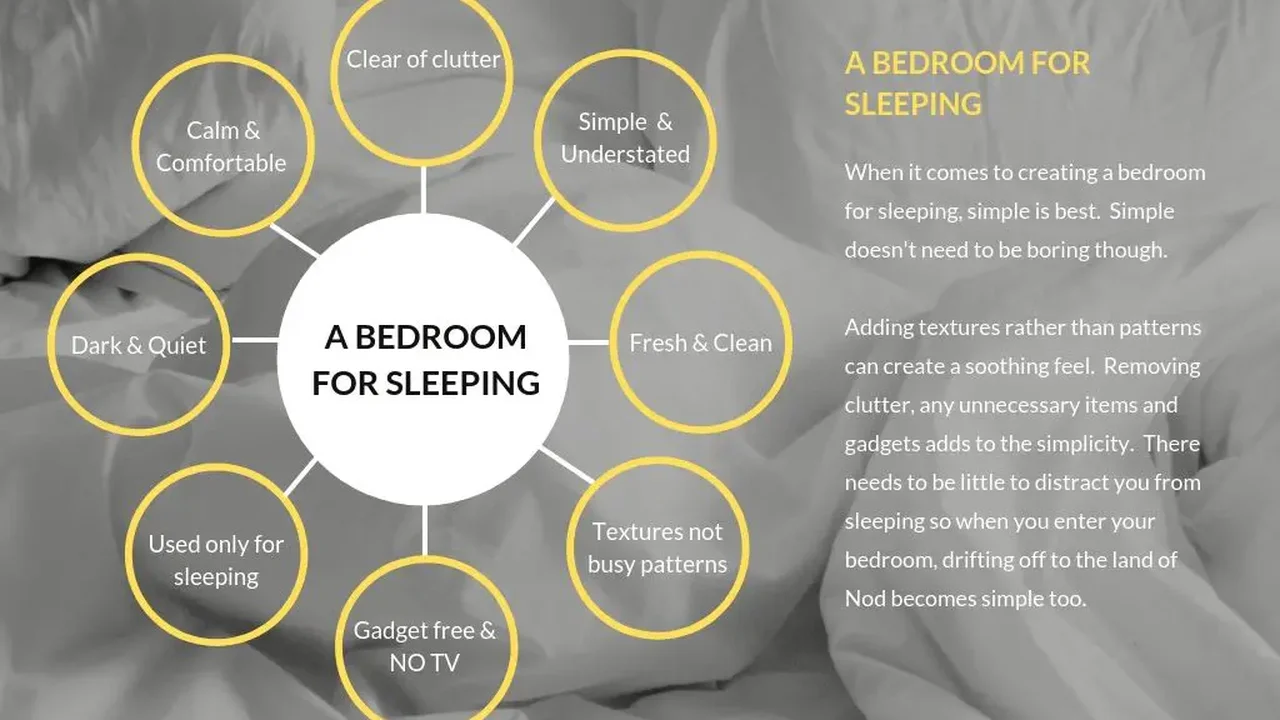
About an hour or two before bed, start dimming the lights in your home. Use warmer, lower-wattage bulbs. Think of your bedroom as a cave – dark, cool, and quiet. The darker your bedroom, the better your melatonin production will be. This means no nightlights, no glowing alarm clocks, and definitely no streetlights peeking through your windows.
Blackout Curtains for Complete Darkness
For ultimate darkness, blackout curtains are your best friend. They completely block out external light, which is especially helpful if you live in a city with lots of light pollution, or if you work night shifts and need to sleep during the day. They're a game-changer for creating that pitch-black sleep environment. Here are a few top picks:
- Nicetown Blackout Curtains: These are super popular on Amazon. They come in various sizes and colors, are effective at blocking light, and also help with noise reduction and insulation. Prices typically range from $20-$60 per panel, depending on size. Great for bedrooms, nurseries, or media rooms.
- Eclipse Thermal Blackout Curtains: Known for their thermal properties, these curtains not only block light but also help regulate room temperature, saving on energy bills. They're a bit pricier, usually $30-$80 per panel, but offer excellent light blockage and insulation. Ideal for those looking for energy efficiency alongside darkness.
- Amazon Basics Room Darkening Blackout Curtains: A more budget-friendly option that still delivers good performance. They might not be 100% blackout for some, but they significantly darken a room. Expect to pay around $15-$40 per panel. Perfect for guest rooms or if you're on a tighter budget.
Blue Light Blocking Glasses for Evening Use
If you absolutely have to use screens in the evening, blue light blocking glasses can be a lifesaver. These glasses filter out the harmful blue light, allowing your melatonin production to continue relatively undisturbed. Look for ones with amber or orange lenses for maximum effectiveness. Clear lenses offer some protection but aren't as potent.
- Gamma Ray Optics Blue Light Blocking Glasses: A very popular and affordable option. They offer good blue light filtration and come in various styles. Prices are usually in the $15-$25 range. Good for general evening screen use.
- Swannies Blue Light Blocking Glasses (by Swanwick Sleep): These are a premium option, often recommended by sleep experts. They have higher quality lenses and frames, offering superior blue light blocking. Expect to pay $50-$100+. Best for serious users who spend a lot of time on screens at night.
- Uvex Skyper Blue Light Blocking Glasses: These are industrial safety glasses that happen to be incredibly effective at blocking blue light due to their orange tint. They're not stylish, but they are highly functional and very affordable, often under $10. Perfect for home use when aesthetics aren't a concern.
Red Light Bulbs and Nightlights
Unlike blue light, red light has the least impact on melatonin production. Consider using red light bulbs in your bedroom or as nightlights for late-night bathroom trips. They provide just enough illumination without disrupting your sleep hormones.
- Philips Hue White and Color Ambiance Smart Bulbs: While a bit of an investment, these smart bulbs allow you to change the light color to red or any warm tone via an app. You can set schedules to automatically dim and change colors as bedtime approaches. A single bulb can cost $30-$50. Great for smart home enthusiasts who want full control.
- GE Lighting Cync Smart LED Light Bulbs: A more affordable smart bulb option that also offers color changing capabilities, including red. They connect directly via Wi-Fi, no hub needed. Around $15-$25 per bulb.
- Non-Smart Red LED Night Lights: Simple plug-in night lights with a red glow are very inexpensive, often under $10 for a pack. They're perfect for hallways or bathrooms to avoid bright light exposure during the night.
Screen Filters and Night Modes
Most modern devices have built-in 'night mode' or 'blue light filter' settings. Enable these, especially in the evening. While they don't block 100% of blue light, they significantly reduce it and shift the screen's color temperature to a warmer, more sleep-friendly hue. For computers, f.lux is a popular free software that automatically adjusts your screen's color temperature based on the time of day.
Avoiding Bright Overhead Lights Before Bed
Try to avoid bright overhead lights in the hours leading up to bedtime. Opt for lamps with softer, warmer light. This gradual reduction in light exposure helps your body naturally transition into sleep mode.
Morning Light Exposure Consistency
Remember to get that morning light! Consistency is key. Try to wake up around the same time each day and expose yourself to natural light as soon as possible. This helps to solidify your circadian rhythm and improve your sleep quality at night.
The Long-Term Benefits of Light Management
Managing your light exposure isn't just about falling asleep faster tonight. It has significant long-term benefits for your overall health. Consistent, high-quality sleep, supported by proper light hygiene, can improve your mood, boost your immune system, enhance cognitive function, and even help with weight management. It's a fundamental pillar of good health, just like diet and exercise.
So, next time you're struggling with sleep, take a good look at your light environment. A few simple adjustments can make a world of difference. Sweet dreams!
:max_bytes(150000):strip_icc()/277019-baked-pork-chops-with-cream-of-mushroom-soup-DDMFS-beauty-4x3-BG-7505-5762b731cf30447d9cbbbbbf387beafa.jpg)