Sleep Tracking for Chronic Conditions
Explore how sleep tracking can assist in managing chronic health conditions. Monitor sleep patterns for improved well-being.
Explore how sleep tracking can assist in managing chronic health conditions. Monitor sleep patterns for improved well-being.
Sleep Tracking for Chronic Conditions
Understanding the Link Between Sleep and Chronic Illness
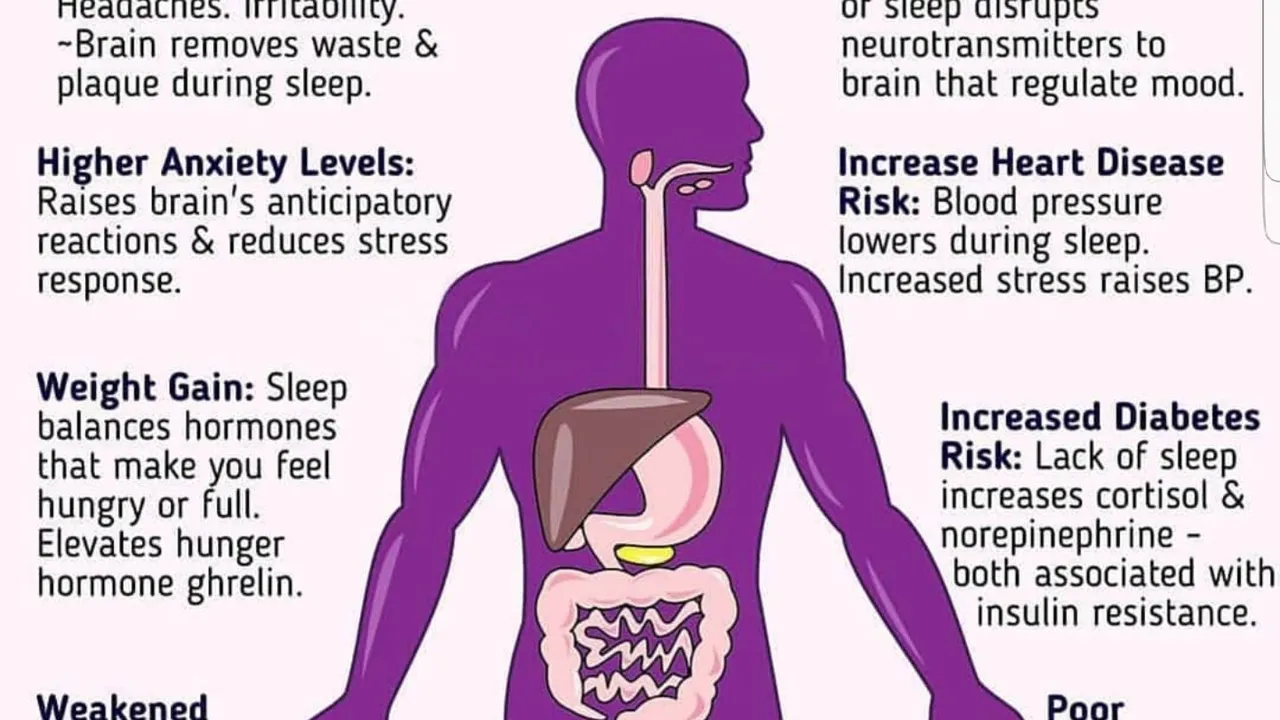
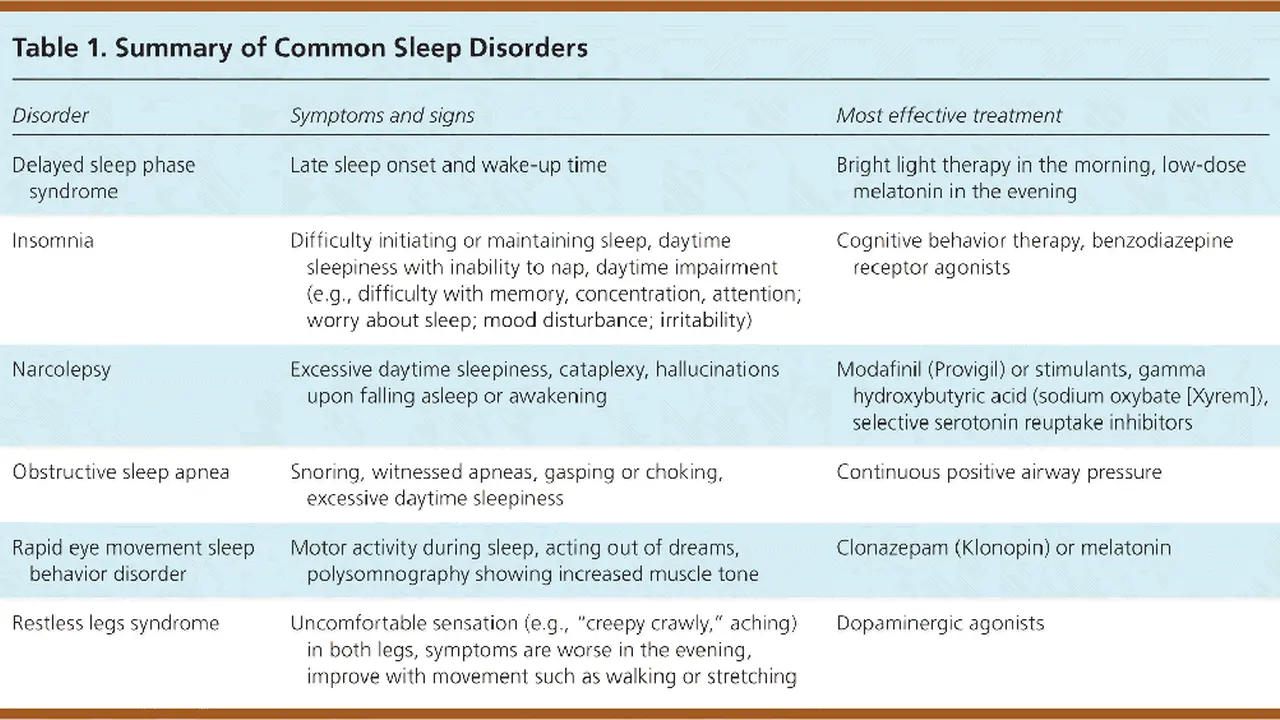
It's no secret that sleep plays a vital role in our overall health. But for individuals living with chronic conditions, the relationship between sleep and well-being becomes even more critical. Chronic illnesses, ranging from diabetes and heart disease to autoimmune disorders and mental health conditions, often have a complex and bidirectional relationship with sleep. Poor sleep can exacerbate symptoms, impair recovery, and even contribute to the progression of a disease. Conversely, managing a chronic condition can significantly disrupt sleep patterns, creating a vicious cycle.
For instance, chronic pain, a common symptom across many conditions like arthritis or fibromyalgia, can make it incredibly difficult to fall asleep and stay asleep. The discomfort and inflammation often peak at night. Similarly, respiratory conditions like asthma or COPD can lead to nighttime awakenings due to breathing difficulties. Mental health conditions such as depression and anxiety are notorious for causing insomnia or hypersomnia, further complicating treatment and recovery. Even metabolic disorders like type 2 diabetes can be influenced by sleep, with insufficient sleep impacting insulin sensitivity and blood sugar control.
This intricate connection highlights the importance of not just treating the chronic condition itself, but also actively managing and optimizing sleep. This is where sleep tracking technology steps in, offering a powerful tool for individuals and their healthcare providers to gain valuable insights into sleep patterns and their impact on chronic health.
Why Track Sleep When Managing Chronic Conditions
Sleep tracking, once a niche for biohackers and fitness enthusiasts, has become increasingly relevant for chronic disease management. But why is it so beneficial? Here are several key reasons:
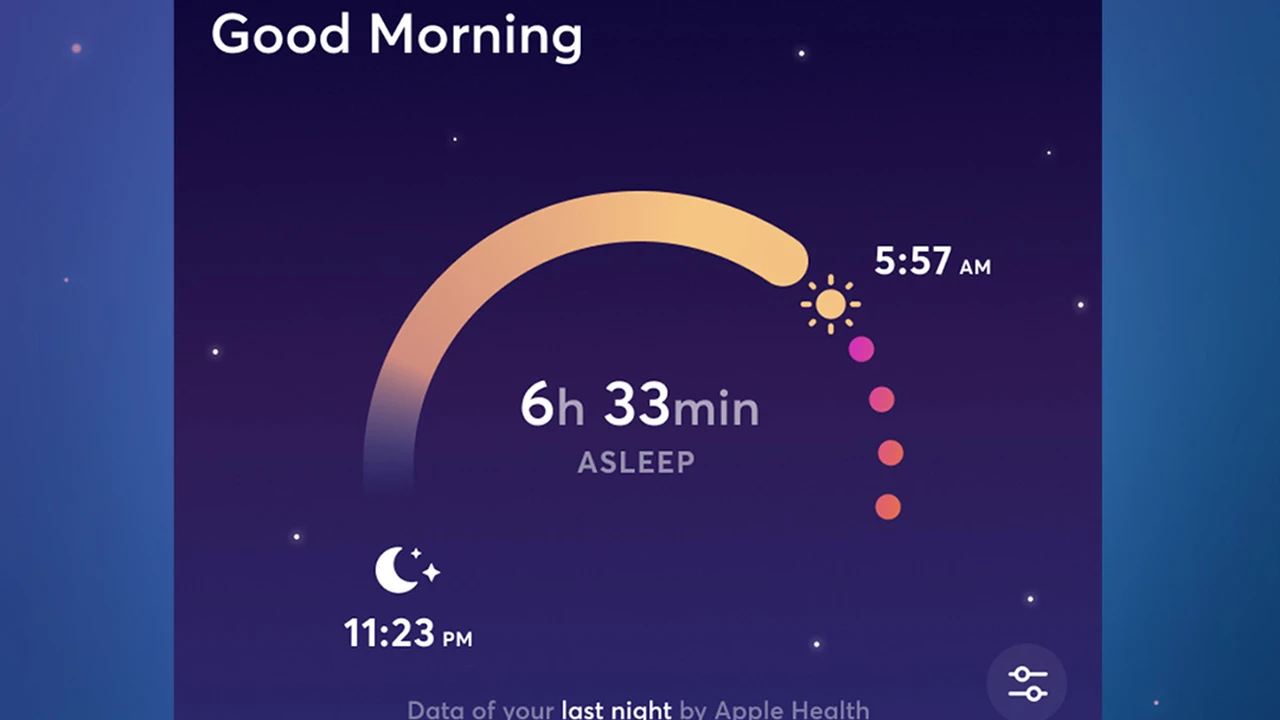
- Identifying Sleep Disturbances: Many chronic conditions cause subtle sleep disturbances that might go unnoticed without objective data. A sleep tracker can pinpoint issues like frequent awakenings, restless sleep, or changes in sleep stages that correlate with symptom flare-ups.
- Monitoring Treatment Effectiveness: For conditions where sleep is a key symptom or a factor in recovery, tracking sleep can help assess the effectiveness of treatments. For example, if a new medication for pain is prescribed, improved sleep quality as shown by a tracker could indicate its efficacy.
- Personalized Insights: Generic sleep advice often falls short for those with chronic conditions. Sleep tracking provides personalized data, allowing individuals to understand their unique sleep patterns and how they are affected by their specific condition, medications, or lifestyle choices.
- Facilitating Doctor-Patient Communication: Objective sleep data can be invaluable during doctor's appointments. Instead of vague descriptions of 'poor sleep,' patients can present concrete data, leading to more informed discussions and tailored treatment plans.
- Early Detection of Issues: Consistent sleep tracking can sometimes flag emerging sleep problems before they become severe, allowing for earlier intervention.
- Empowerment and Self-Management: By understanding their sleep, individuals with chronic conditions can feel more empowered to take an active role in their self-management, making informed decisions about their daily routines and seeking help when needed.
Key Metrics to Monitor for Chronic Health
While many sleep trackers offer a plethora of metrics, certain data points are particularly relevant when managing chronic conditions:
- Total Sleep Time: This is fundamental. Are you getting enough hours of sleep? For most adults, 7-9 hours is recommended, but this can vary based on individual needs and condition.
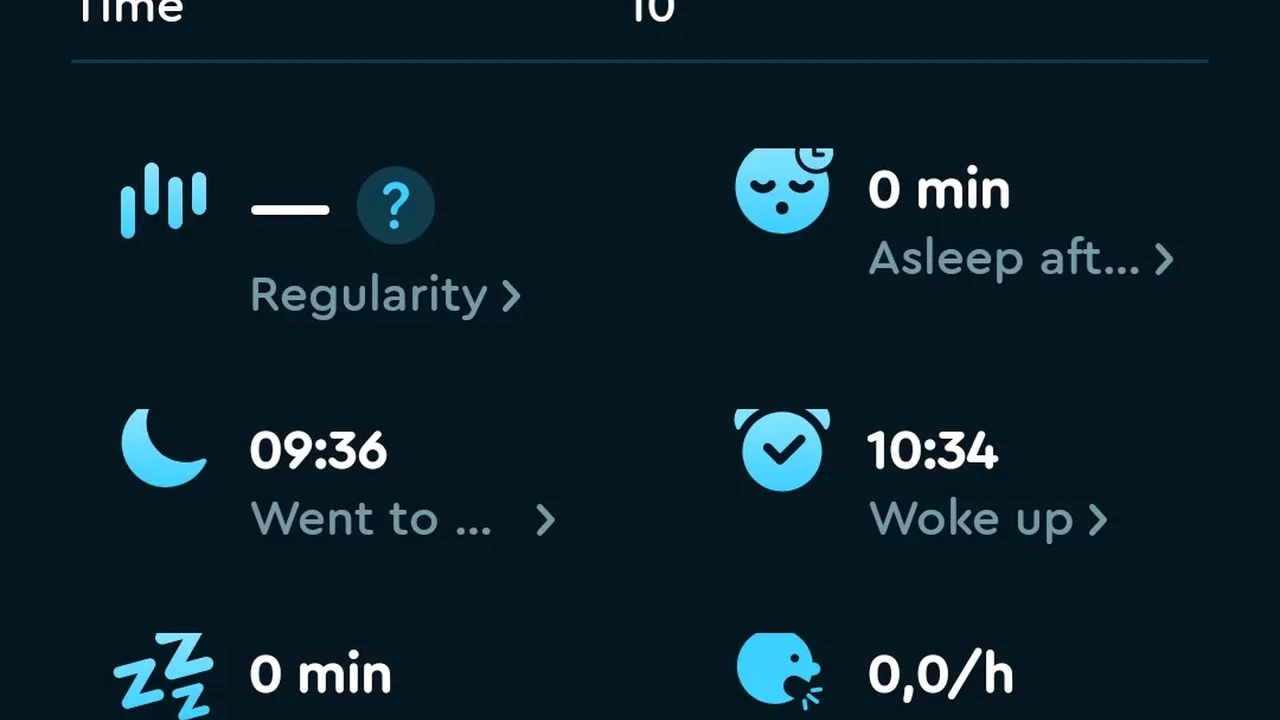
- Sleep Efficiency: This metric measures the percentage of time spent actually sleeping while in bed. Low sleep efficiency can indicate frequent awakenings or difficulty falling asleep, common in pain conditions or anxiety.
- Sleep Latency: How long does it take you to fall asleep? Prolonged sleep latency can be a sign of insomnia, often linked to stress, pain, or certain medications.
- Wake After Sleep Onset (WASO): This measures the total time spent awake after initially falling asleep. High WASO can indicate fragmented sleep, common in respiratory issues or restless leg syndrome.
- Sleep Stages (REM, Deep Sleep, Light Sleep): The distribution of sleep stages is crucial. Deep sleep is vital for physical restoration and immune function, while REM sleep is important for emotional regulation and cognitive processing. Imbalances can point to underlying issues or medication side effects.
- Heart Rate Variability (HRV): Some advanced trackers measure HRV, which can be an indicator of autonomic nervous system balance. Lower HRV can be associated with stress, inflammation, and various chronic conditions.
- Resting Heart Rate (RHR): A consistently elevated RHR during sleep can be a sign of stress, inflammation, or an underlying health issue.
- Respiratory Rate: Some devices can track breathing patterns, which is particularly useful for conditions like sleep apnea or asthma.
- Body Temperature: Fluctuations in body temperature can impact sleep quality, and some chronic conditions affect thermoregulation.
Recommended Sleep Tracking Products for Chronic Conditions
Choosing the right sleep tracker depends on your specific chronic condition, budget, and preference for wearability. Here are a few top recommendations, highlighting their strengths and typical use cases:
1. Oura Ring Gen3: Discreet and Data-Rich
Description: The Oura Ring is a sleek, non-invasive smart ring that tracks a comprehensive range of physiological signals, including heart rate, HRV, body temperature, respiratory rate, and sleep stages. It provides daily readiness scores and personalized insights.
Use Cases for Chronic Conditions:
- Autoimmune Disorders (e.g., Rheumatoid Arthritis, Lupus): Its precise temperature tracking can help identify subtle changes that might precede a flare-up. HRV data can also indicate stress levels and recovery.
- Chronic Fatigue Syndrome (CFS) / Myalgic Encephalomyelitis (ME): The readiness score and detailed sleep stage analysis can help individuals understand their energy reserves and avoid overexertion.
- Fibromyalgia: By tracking deep sleep and restless periods, it can help identify patterns related to pain levels and medication effectiveness.
- Mental Health Conditions (e.g., Depression, Anxiety): HRV and sleep efficiency metrics can provide objective data on stress and sleep quality, aiding in treatment adjustments.
Pros: Highly accurate, comfortable to wear 24/7, excellent battery life, comprehensive metrics, personalized insights, discreet design. No screen distractions.
Cons: Higher price point, requires a subscription for full features, not ideal for those who dislike wearing rings.
Typical Price: $299 - $349 (plus monthly subscription for full features).
Where to Buy: Oura Ring official website, select electronics retailers.
2. Whoop 4.0: Performance and Recovery Focused
Description: Whoop is a wrist-worn strap (no screen) that focuses heavily on recovery, strain, and sleep. It tracks heart rate, HRV, skin temperature, and sleep stages, providing daily recovery scores and coaching insights.
Use Cases for Chronic Conditions:
- Post-Concussion Syndrome (PCS): Its focus on recovery and strain can help individuals manage their energy levels and avoid overexertion during recovery.
- Long COVID: Similar to CFS, Whoop's recovery metrics can be invaluable for pacing and understanding the body's capacity.
- Cardiovascular Conditions (under medical guidance): While not a medical device, its continuous heart rate and HRV monitoring can provide trends that might be discussed with a cardiologist.
- Diabetes Management: While not directly tracking glucose, understanding sleep's impact on recovery can indirectly help manage energy levels and adherence to lifestyle changes.
Pros: Excellent recovery insights, comfortable, long battery life, no screen distractions, strong community support.
Cons: Subscription-based model (no upfront purchase), some users find the strap less discreet than a ring, not a traditional smartwatch.
Typical Price: Subscription model, starting around $30/month (often with discounts for longer commitments).
Where to Buy: Whoop official website.
3. Withings Sleep Analyzer: Non-Wearable and Comprehensive
Description: The Withings Sleep Analyzer is a mat placed under your mattress that tracks sleep cycles, heart rate, snoring, and even detects sleep apnea. It's completely non-invasive once set up.
Use Cases for Chronic Conditions:
- Sleep Apnea: Its primary strength is detecting and monitoring sleep apnea events, providing a home-based screening tool that can be shared with a doctor.
- Asthma / COPD: By tracking respiratory disturbances and snoring, it can help identify nighttime breathing issues.
- Chronic Pain (for those who dislike wearables): Provides detailed sleep stage analysis without any physical contact, ideal for sensitive skin or discomfort with wearables.
- Elderly Individuals: Simple to use, no charging or wearing required, making it suitable for older adults who might struggle with other devices.
Pros: Non-invasive, excellent for sleep apnea detection, tracks snoring, easy setup, integrates with Withings Health Mate app (which connects to other Withings health devices).
Cons: Only tracks sleep in bed, no daytime activity tracking, less portable for travel, requires a power outlet.
Typical Price: $129 - $149.
Where to Buy: Withings official website, Amazon, major electronics retailers.
4. Garmin Smartwatches (e.g., Fenix, Forerunner, Venu series): All-in-One Fitness and Sleep
Description: Garmin offers a wide range of smartwatches that excel in fitness tracking but also provide robust sleep tracking features, including sleep stages, Pulse Ox (blood oxygen saturation), respiration rate, and Body Battery (energy levels).
Use Cases for Chronic Conditions:
- Diabetes: Monitoring activity levels, stress, and sleep can provide a holistic view of factors impacting blood sugar. Pulse Ox can be relevant for those with sleep-related breathing issues.
- Heart Conditions (under medical guidance): Continuous heart rate monitoring and HRV can offer insights into cardiac trends during sleep.
- Respiratory Conditions: Pulse Ox and respiration rate tracking can be valuable for monitoring oxygen levels and breathing patterns overnight.
- General Wellness and Stress Management: Body Battery and stress tracking can help individuals with various chronic conditions manage their energy and stress levels throughout the day and night.
Pros: Versatile (fitness, GPS, smart features), good battery life, robust app, detailed sleep metrics including Pulse Ox, durable designs.
Cons: Can be bulky for some, higher price point for advanced models, requires wearing a watch to bed.
Typical Price: $200 - $800+ depending on the model.
Where to Buy: Garmin official website, Amazon, sporting goods stores, electronics retailers.
5. Apple Watch Series (e.g., Series 9, Ultra 2): Seamless Integration for iPhone Users
Description: The Apple Watch offers comprehensive health and fitness tracking, including sleep stages, wrist temperature sensing (for cycle tracking and general trends), blood oxygen, and ECG capabilities (on some models).
Use Cases for Chronic Conditions:
- Cardiovascular Health: ECG app and irregular rhythm notifications can be useful for monitoring heart health (though not a diagnostic tool).
- Diabetes: Integration with various health apps and the ability to log food and activity can support diabetes management.
- Mental Health: Mindfulness features, activity tracking, and sleep insights can contribute to overall well-being.
- General Health Monitoring: Its broad range of sensors makes it a good all-around choice for monitoring various health parameters that can be affected by chronic conditions.
Pros: Seamless integration with iPhone ecosystem, wide range of health features, excellent app support, stylish design, robust third-party app ecosystem.
Cons: Requires daily charging (or near-daily), higher price point, less battery life than some dedicated trackers, requires an iPhone.
Typical Price: $399 - $799+ depending on the model and cellular capabilities.
Where to Buy: Apple Store, major electronics retailers, mobile carriers.
Integrating Sleep Data with Your Healthcare Team
Having sleep data is one thing; making it useful is another. For individuals with chronic conditions, effectively sharing this data with their healthcare team is crucial. Here's how to do it:
1. Prepare Your Data
Before your appointment, review your sleep data. Look for trends, not just individual nights. Have there been consistent periods of poor sleep? Do certain symptoms or activities correlate with worse sleep? Many apps allow you to export data or generate reports. If not, take screenshots of key graphs or summaries.
2. Focus on Relevant Metrics
Your doctor is busy. Highlight the most relevant metrics for your condition. If you have a respiratory condition, focus on respiratory rate and blood oxygen. If it's chronic pain, emphasize sleep efficiency and deep sleep. Explain how these metrics relate to your symptoms or treatment.
3. Be Specific About Your Concerns
Instead of saying 'my sleep is bad,' say 'my sleep tracker shows I'm only getting 5 hours of sleep per night on average, and my deep sleep percentage has dropped significantly, which seems to coincide with increased pain.' This provides actionable information.
4. Ask Targeted Questions
Use your data to formulate specific questions. 'Given my low sleep efficiency, do you think we should adjust my pain medication timing?' or 'My tracker indicates frequent awakenings; could this be related to my asthma, and should we consider a sleep study?'
5. Understand Limitations
Remember that consumer sleep trackers are not medical devices. They provide valuable insights and trends but are not diagnostic tools. Always defer to your doctor's professional opinion and diagnostic tests. Use the data as a conversation starter, not a definitive diagnosis.
Challenges and Considerations
While sleep tracking offers immense benefits, there are also challenges and considerations, especially for those with chronic conditions:
- Accuracy Variability: Not all trackers are equally accurate, especially for sleep stages. While trends are generally reliable, absolute numbers can vary.
- Data Overload: Too much data can be overwhelming. Focus on a few key metrics relevant to your condition.
- Obsession and Anxiety: Some individuals can become overly focused on their sleep scores, leading to 'orthosomnia' – an unhealthy obsession with achieving perfect sleep, which can ironically worsen sleep anxiety.
- Cost: Quality sleep trackers can be expensive, and some require ongoing subscriptions.
- Privacy Concerns: Be aware of how your health data is collected, stored, and used by the device manufacturer.
- Not a Substitute for Medical Advice: Sleep trackers are tools to aid self-management and discussions with healthcare providers, not replacements for professional medical diagnosis or treatment.
Future of Sleep Tracking in Chronic Disease Management
The field of sleep technology is rapidly evolving. We can expect to see even more sophisticated devices that offer:
- Improved Accuracy: Better sensors and algorithms will lead to more precise tracking of sleep stages and physiological parameters.
- Integration with Medical Records: Seamless sharing of sleep data directly with electronic health records (EHRs) could streamline care.
- Predictive Analytics: AI and machine learning could analyze sleep patterns to predict symptom flare-ups or identify individuals at risk for certain complications.
- Personalized Interventions: More advanced coaching and personalized recommendations based on individual sleep data and chronic condition profiles.
- Therapeutic Devices: Sleep trackers might evolve into therapeutic devices that provide real-time interventions, such as biofeedback or light therapy, tailored to the user's sleep state.
Ultimately, sleep tracking for chronic conditions is about empowering individuals with knowledge. By understanding how their sleep interacts with their health, they can make more informed decisions, work more effectively with their healthcare providers, and ultimately improve their quality of life. It's a journey of continuous learning and adaptation, and sleep technology is becoming an indispensable companion on that path.
:max_bytes(150000):strip_icc()/277019-baked-pork-chops-with-cream-of-mushroom-soup-DDMFS-beauty-4x3-BG-7505-5762b731cf30447d9cbbbbbf387beafa.jpg)