The Link Between Mental Health and Sleep Disorders
Explore the bidirectional relationship between mental health conditions and sleep disorders. Address both for better well-being.
Explore the bidirectional relationship between mental health conditions and sleep disorders. Address both for better well-being.
The Intertwined World of Mental Health and Sleep Disorders
Hey everyone, let's talk about something super important that often gets overlooked: the deep connection between your mental health and how well you sleep. It's not just about feeling tired when you're down, or being anxious and not being able to fall asleep. It's way more complex than that, a true two-way street where one significantly impacts the other. Understanding this link is crucial because if you're struggling with one, chances are the other is playing a role too. And the good news is, by addressing both, you can really make a difference in your overall well-being.
Understanding the Bidirectional Relationship Mental Health Sleep Connection
Think of it like this: poor sleep can make mental health issues worse, and mental health issues can make it harder to sleep. It's a vicious cycle, but also a virtuous one if you can break into it. For instance, if you're dealing with anxiety, your mind might race at night, making it impossible to relax and drift off. This lack of sleep then fuels your anxiety the next day, creating a loop. Similarly, depression can mess with your sleep patterns, leading to either insomnia (not sleeping enough) or hypersomnia (sleeping too much), both of which can exacerbate depressive symptoms.
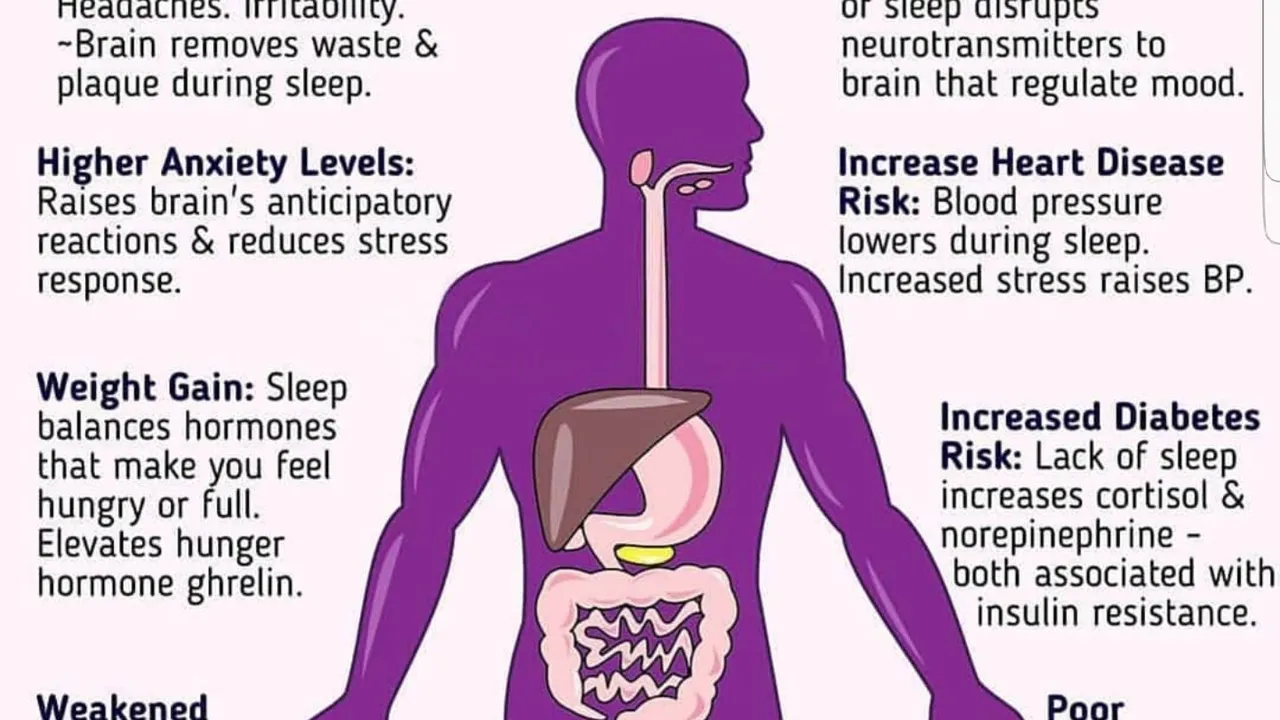
It's not just about feeling tired. Chronic sleep deprivation can actually alter brain chemistry, affecting neurotransmitters like serotonin and dopamine, which are vital for mood regulation. This can make you more vulnerable to developing mental health conditions or worsen existing ones. On the flip side, conditions like PTSD can lead to nightmares and fragmented sleep, making recovery even more challenging.
Common Mental Health Conditions and Their Sleep Impact Sleep Disorder Symptoms
Let's dive into some specific mental health conditions and how they typically manifest in sleep disturbances:
Depression and Sleep Insomnia Hypersomnia
Depression is probably one of the most well-known culprits for sleep problems. About 75% of people with depression experience insomnia, struggling to fall asleep, stay asleep, or waking up too early. But it's not always about not sleeping enough. Some individuals with depression experience hypersomnia, meaning they sleep excessively, often feeling unrefreshed despite long hours in bed. This can be particularly frustrating because you're sleeping a lot but still feel exhausted, which can deepen feelings of hopelessness.
Anxiety Disorders and Sleep Racing Thoughts
Anxiety is a huge sleep disruptor. If your mind is constantly buzzing with worries, fears, or an endless to-do list, it's incredibly hard to quiet it down for sleep. Generalized Anxiety Disorder (GAD) often leads to difficulty falling asleep due to persistent worry. Panic attacks can even occur during sleep, waking you up in a state of terror. Social anxiety can lead to rumination about past interactions or future events, keeping you awake. The physical symptoms of anxiety, like a racing heart or muscle tension, also make relaxation difficult.
Bipolar Disorder and Sleep Mania Depression Cycles
Bipolar disorder presents a unique challenge for sleep. During manic or hypomanic episodes, individuals often experience significantly reduced need for sleep, feeling energized and productive on just a few hours. While this might seem like a superpower at first, it's unsustainable and can lead to severe consequences. Conversely, during depressive episodes, sleep patterns can swing to hypersomnia or severe insomnia, mirroring those seen in major depressive disorder. Regulating sleep is a cornerstone of managing bipolar disorder.
PTSD and Sleep Nightmares Flashbacks
Post-Traumatic Stress Disorder (PTSD) profoundly impacts sleep. Nightmares are a hallmark symptom, often replaying traumatic events or themes. These can be incredibly vivid and distressing, leading to fear of sleep and avoidance. Flashbacks can also occur, blurring the lines between sleep and wakefulness. This fragmented, non-restorative sleep exacerbates other PTSD symptoms like hypervigilance and irritability.
ADHD and Sleep Restlessness Focus
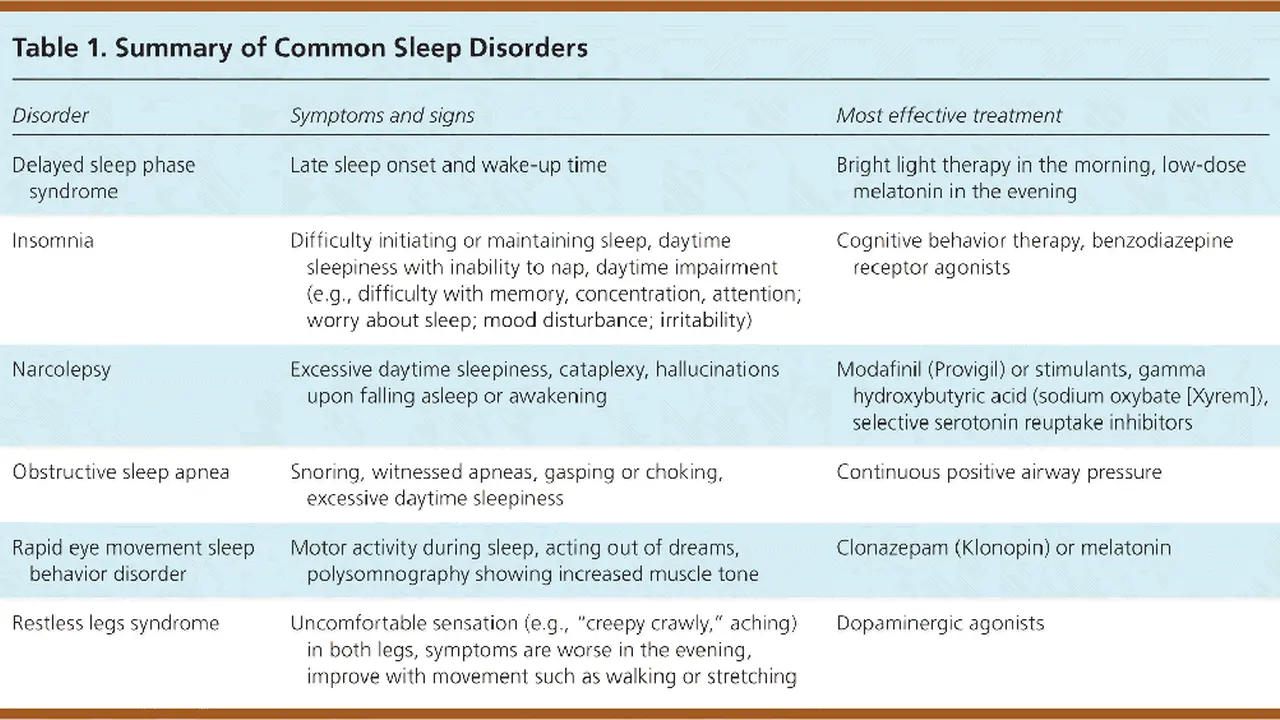
While not always immediately obvious, ADHD (Attention-Deficit/Hyperactivity Disorder) can significantly affect sleep. Many individuals with ADHD struggle with initiating sleep due to a restless mind or difficulty winding down. Paradoxically, some may also experience delayed sleep phase syndrome, where their natural sleep-wake cycle is shifted later. The impulsivity and difficulty with routine associated with ADHD can also make consistent sleep hygiene challenging.
Breaking the Cycle Holistic Approaches for Better Sleep and Mental Health
So, what can you do? The key is to address both sides of the coin. Here are some holistic approaches:
Cognitive Behavioral Therapy for Insomnia CBT-I Sleep Therapy
CBT-I is often considered the gold standard for chronic insomnia, and it's incredibly effective because it tackles the thoughts and behaviors that interfere with sleep. It's not just about sleeping pills. CBT-I helps you identify and change negative sleep habits and beliefs. This might involve sleep restriction (temporarily limiting time in bed to consolidate sleep), stimulus control (associating your bed only with sleep), and cognitive restructuring (challenging unhelpful thoughts about sleep). It's a structured program that can truly rewire your brain for better sleep.
Mindfulness and Meditation Stress Reduction Sleep
Practicing mindfulness and meditation can be transformative. These techniques teach you to observe your thoughts without judgment, reducing the mental chatter that keeps you awake. Guided meditations specifically for sleep can help you relax your body and mind. Apps like Calm and Headspace offer excellent guided sessions. Even just 10-15 minutes before bed can make a huge difference in calming your nervous system.
Regular Exercise Mood Boost Sleep Quality
Physical activity is a powerful tool for both mental health and sleep. Regular exercise can reduce symptoms of anxiety and depression, and it also promotes deeper, more restorative sleep. Just be mindful of timing: intense exercise too close to bedtime can be stimulating. Aim for moderate exercise earlier in the day, ideally at least 3-4 hours before you plan to sleep.
Sleep Hygiene Practices Consistent Routine Environment
This is foundational. Good sleep hygiene means creating an environment and routine conducive to sleep. This includes:
- Consistent Sleep Schedule: Go to bed and wake up at the same time every day, even on weekends.
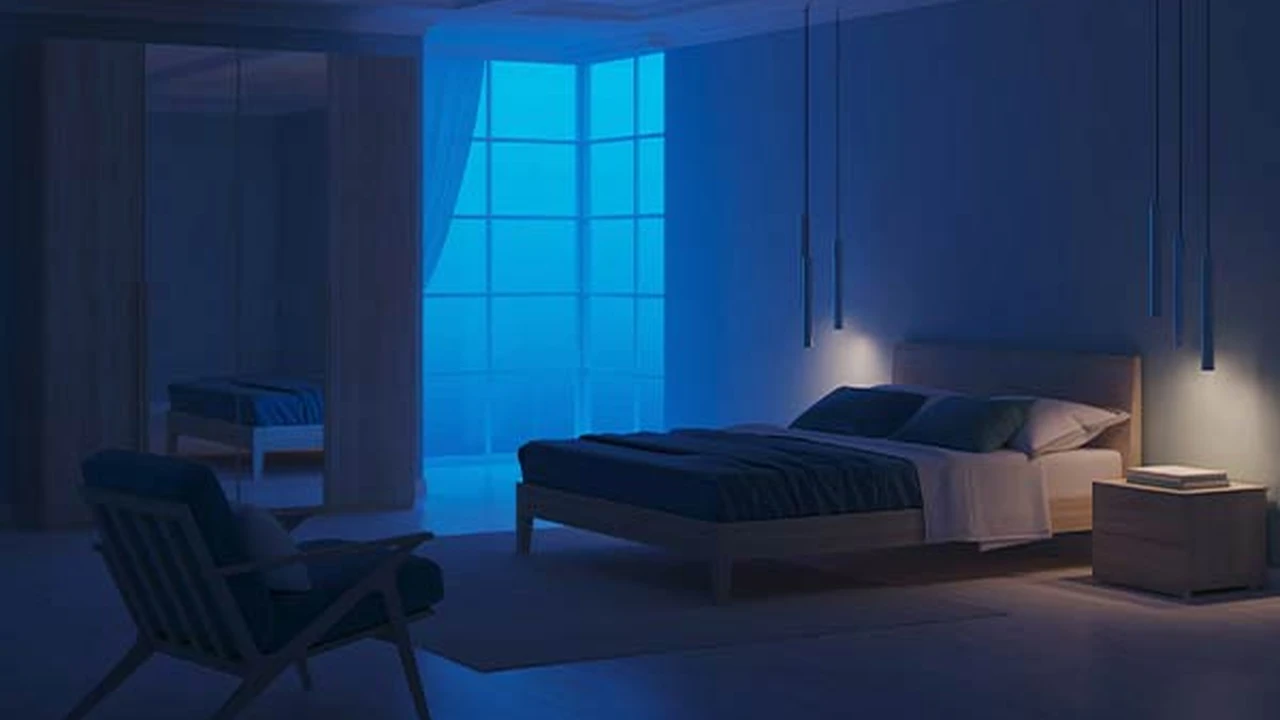
- Optimized Bedroom Environment: Keep your bedroom dark, quiet, and cool.
- Limit Stimulants: Cut back on caffeine and alcohol, especially in the afternoon and evening.
- Wind-Down Routine: Create a relaxing pre-sleep ritual, like reading, a warm bath, or gentle stretching.
- Avoid Screens: Put away phones, tablets, and computers at least an hour before bed.
Professional Support Therapy Medication
Sometimes, you need professional help, and that's perfectly okay. A therapist can help you work through underlying mental health issues. For some, medication might be a necessary part of the treatment plan, especially for severe depression, anxiety, or bipolar disorder. It's crucial to work with a doctor to find the right medication and dosage, as some medications can also affect sleep.
Recommended Products for Sleep and Mental Well-being Sleep Aids Technology
While lifestyle changes are paramount, certain products can definitely support your journey to better sleep and mental calm. Here are a few categories and specific recommendations:
Weighted Blankets Anxiety Relief Deep Pressure Stimulation
Weighted blankets provide deep pressure stimulation, which can be incredibly calming and mimic the feeling of a hug. This can help reduce anxiety and promote relaxation, making it easier to fall asleep. They come in various weights, typically recommended to be about 10% of your body weight.
Product Comparison:
- Gravity Blanket: One of the original and most popular brands. Known for its quality construction and even weight distribution.
- Layla Weighted Blanket: Offers a unique combination of soft, breathable fabric and even weight. Often praised for its comfort.
- YnM Weighted Blanket: A more budget-friendly option that still delivers good performance. Available in a wide range of sizes and weights.
Usage Scenario:
Ideal for individuals with anxiety, restless leg syndrome, or those who simply find comfort in gentle pressure. Use it as your main blanket or draped over you while relaxing on the couch.
Pricing:
Typically ranges from $50 (YnM) to $250+ (Gravity, Layla), depending on size, weight, and materials.
White Noise Machines Sound Masking Sleep Environment
White noise machines create a consistent sound environment that can mask disruptive noises like traffic, noisy neighbors, or even a snoring partner. This helps create a more peaceful and predictable soundscape for sleep.
Product Comparison:
- Dohm Nova (Marpac): A classic, fan-based white noise machine that produces natural, non-looping sound. Very durable and effective.
- Hatch Restore: More than just white noise, it's a smart sleep assistant with a sound machine, sunrise alarm, and guided meditations. Great for creating a full sleep routine.
- LectroFan: Offers a wide variety of white noise and fan sounds, digitally generated for consistency. Very portable.
Usage Scenario:
Place it near your bed to block out unwanted sounds. Useful for light sleepers, those in noisy environments, or anyone who prefers a consistent background sound for sleep.
Pricing:
Ranges from $30 (LectroFan) to $130+ (Hatch Restore), with Dohm Nova usually around $60.
Light Therapy Lamps SAD Treatment Circadian Rhythm
While primarily known for treating Seasonal Affective Disorder (SAD), light therapy lamps can also help regulate your circadian rhythm, especially if you have delayed sleep phase syndrome or struggle with morning grogginess. Exposure to bright light in the morning can signal to your brain that it's daytime, helping to reset your internal clock.
Product Comparison:
- Philips SmartSleep Wake-up Light: Simulates a sunrise to gently wake you up, often combined with natural sounds. Some models also offer sunset simulation for winding down.
- Verilux HappyLight: A popular and effective full-spectrum light therapy lamp. Compact and easy to use for daily light exposure.
- Carex Day-Light Classic Plus: A larger, more powerful light therapy lamp, often recommended by professionals for its intensity and broad light field.
Usage Scenario:
Use a wake-up light as your alarm to wake up more naturally. For SAD or circadian rhythm issues, sit in front of a light therapy lamp for 20-30 minutes each morning, ideally within an hour of waking up.
Pricing:
Ranges from $50 (Verilux) to $180+ (Philips, Carex), depending on features and intensity.
Meditation and Sleep Apps Guided Relaxation Sleep Stories
These apps offer a wealth of resources, from guided meditations and breathing exercises to sleep stories and calming soundscapes. They can be incredibly helpful for quieting a busy mind before bed and learning relaxation techniques.
Product Comparison:
- Calm: Famous for its 'Sleep Stories' narrated by celebrities, as well as guided meditations for anxiety, stress, and sleep.
- Headspace: Offers a wide range of mindfulness meditations, including specific courses for sleep, stress, and focus. Known for its clear, accessible approach.
- BetterSleep (formerly Relax Melodies): Focuses heavily on soundscapes and customizable mixes of sounds, along with guided meditations and sleep stories.
Usage Scenario:
Use these apps as part of your nightly wind-down routine. Listen to a sleep story, do a guided meditation, or simply play calming sounds to help you drift off.
Pricing:
Most offer a free trial or limited free content, with premium subscriptions typically costing around $10-15 per month or $70-100 per year.
Aromatherapy Diffusers and Essential Oils Relaxation Sleep Aid
Certain essential oils, like lavender, chamomile, and frankincense, are known for their calming and sedative properties. Diffusing them in your bedroom can create a relaxing atmosphere conducive to sleep.
Product Comparison:
- doTERRA Petal Diffuser: A popular and reliable diffuser known for its quiet operation and effective diffusion.
- VicTsing Essential Oil Diffuser: A budget-friendly option with good reviews, often featuring various light settings and timer functions.
- Plant Therapy Essential Oils: A reputable brand for high-quality, pure essential oils. Look for their 'Sleep Aid' or 'Relax' blends.
Usage Scenario:
Add a few drops of calming essential oil to your diffuser about 30 minutes before bedtime. Place it on your nightstand or dresser. You can also dilute essential oils with a carrier oil (like jojoba or almond oil) and apply to pulse points.
Pricing:
Diffusers range from $20 to $70+. Essential oils vary widely, from $10-30 for a single bottle of a common oil like lavender, to much more for rarer oils or blends.
Moving Forward Prioritizing Sleep and Mental Well-being
The journey to better sleep and improved mental health is often a marathon, not a sprint. It requires patience, consistency, and a willingness to experiment with different strategies. Remember, you're not alone in this. Many people experience these intertwined challenges. By understanding the connection, implementing healthy habits, and utilizing supportive tools and professional help when needed, you can significantly improve your quality of life. Prioritizing your sleep isn't a luxury; it's a fundamental pillar of your mental and physical well-being. So, take that first step, whether it's setting a consistent bedtime, trying a meditation app, or talking to a professional. Your mind and body will thank you for it.
:max_bytes(150000):strip_icc()/277019-baked-pork-chops-with-cream-of-mushroom-soup-DDMFS-beauty-4x3-BG-7505-5762b731cf30447d9cbbbbbf387beafa.jpg)