Medications for Sleep Disorders Pros and Cons
Weigh the benefits and drawbacks of common sleep medications. Make informed decisions about pharmaceutical interventions.
Weigh the benefits and drawbacks of common sleep medications. Make informed decisions about pharmaceutical interventions.
Medications for Sleep Disorders Pros and Cons
Understanding Sleep Medications Your Options and Considerations
Alright, let's talk about sleep medications. For many folks struggling with persistent sleep issues, popping a pill might seem like the quickest and easiest fix. And sometimes, it absolutely is. But just like anything else, there's a lot to unpack when it comes to pharmaceutical interventions for sleep disorders. We're going to dive deep into the different types of medications available, what they're good for, what their downsides are, and when you should really consider them. This isn't about telling you what to do, but rather giving you all the info so you can have a really informed conversation with your doctor.
It's super important to remember that sleep medications aren't usually a long-term solution. Think of them more as a bridge to help you get some much-needed rest while you work on underlying issues, whether that's improving your sleep hygiene, managing stress, or addressing a diagnosed sleep disorder. Relying on them indefinitely can lead to dependence, tolerance, and a whole host of other problems. So, let's get into the nitty-gritty.
Common Types of Sleep Medications How They Work
When we talk about sleep medications, we're generally looking at a few main categories, each with its own mechanism of action. Knowing how they work can help you understand why certain ones might be prescribed over others.
Benzodiazepine Receptor Agonists Z-Drugs for Insomnia
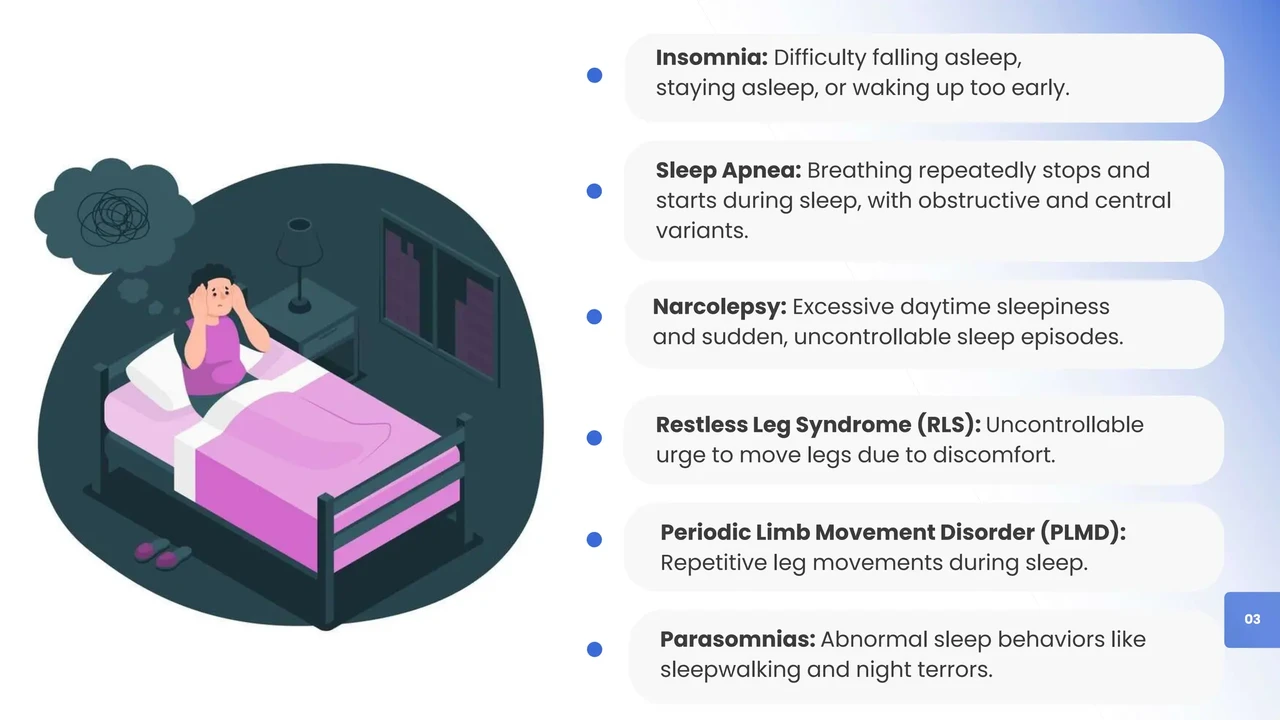
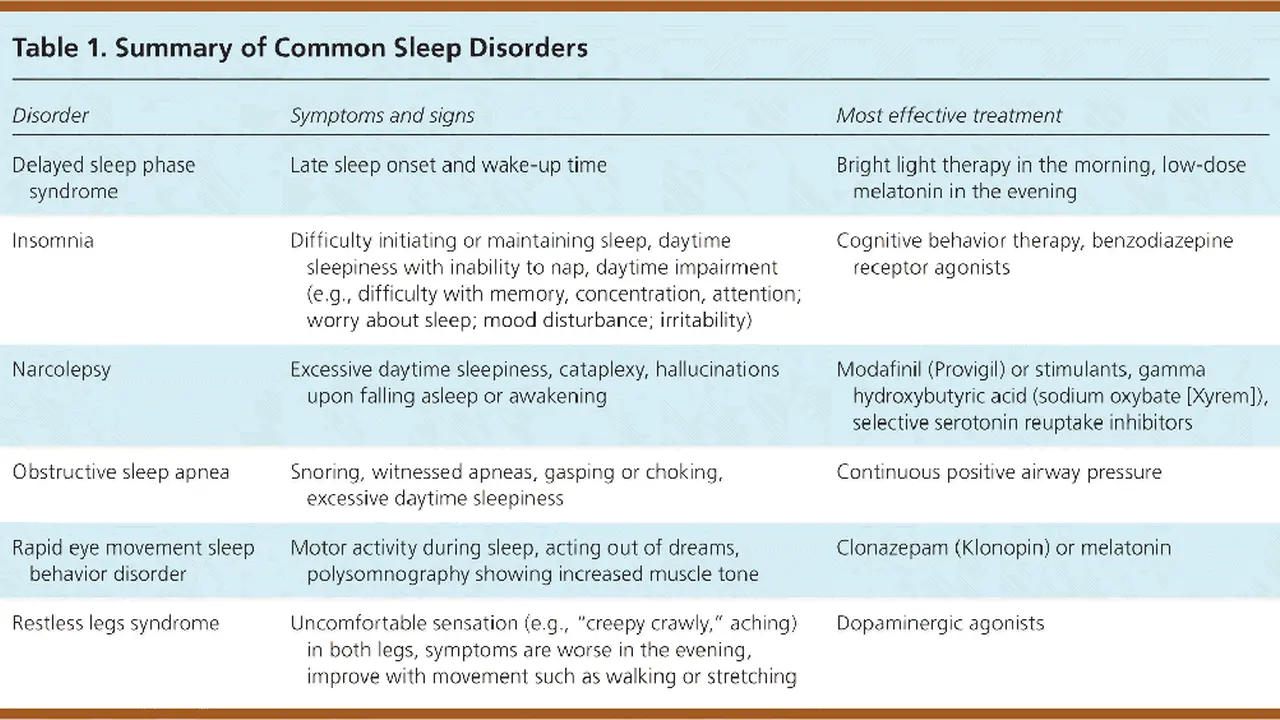
These are probably the most commonly prescribed sleep medications for insomnia. They're often called 'Z-drugs' because many of their names start with 'Z' (though not all). They work by enhancing the activity of GABA, a neurotransmitter in your brain that promotes relaxation and reduces brain activity. This helps you fall asleep faster and stay asleep longer.
- Pros: Generally effective for short-term insomnia, can help with both sleep onset and maintenance. Less risk of dependence compared to older benzodiazepines if used as prescribed.
- Cons: Can cause side effects like dizziness, drowsiness the next day (hangover effect), memory problems, and even sleepwalking or other complex sleep behaviors. Risk of dependence and withdrawal symptoms if used long-term. Not recommended for people with sleep apnea.
Popular Z-Drug Products and Usage Scenarios
Let's look at some specific examples:
- Zolpidem (Ambien, Ambien CR, Edluar, Intermezzo): This is a big one. Ambien is designed for short-term treatment of insomnia, primarily for people who have trouble falling asleep. Ambien CR is extended-release, helping you stay asleep. Intermezzo is a lower dose for middle-of-the-night awakenings.
- Usage Scenario: Someone experiencing acute insomnia due to stress or a temporary life change. A person who wakes up in the middle of the night and can't get back to sleep (Intermezzo).
- Typical Dosage: 5-10mg for Ambien, 6.25-12.5mg for Ambien CR. Intermezzo is 1.75mg or 3.5mg.
- Approximate Cost (Generic): $10-$30 for a month's supply, depending on dosage and pharmacy. Brand names are significantly more.
- Eszopiclone (Lunesta): This one is approved for long-term use, though caution is still advised. It helps with both falling asleep and staying asleep.
- Usage Scenario: Individuals with chronic insomnia who need help with both sleep onset and maintenance.
- Typical Dosage: 1-3mg.
- Approximate Cost (Generic): $15-$40 for a month's supply.
- Zaleplon (Sonata): Known for its very short half-life, meaning it works quickly and leaves your system fast. This makes it good for people who have trouble falling asleep but don't want lingering effects the next day.
- Usage Scenario: People who struggle to fall asleep but don't have issues with waking up too early. Also useful for those who wake up in the middle of the night and need to get back to sleep quickly without morning grogginess.
- Typical Dosage: 5-20mg.
- Approximate Cost (Generic): $10-$25 for a month's supply.
Benzodiazepines Older Sleep Aids and Their Role
These are older drugs like Valium or Xanax, but some are still used for sleep, though less commonly than Z-drugs due to higher risks of dependence and side effects. They also enhance GABA activity.
- Pros: Can be very effective for severe, acute insomnia or anxiety-related sleep issues.
- Cons: High risk of dependence, withdrawal symptoms, and rebound insomnia. Can cause significant daytime drowsiness, impaired coordination, and memory issues. Not suitable for long-term use.
Examples of Benzodiazepines for Sleep
- Temazepam (Restoril): Often used for short-term treatment of insomnia, particularly for those who have difficulty staying asleep.
- Usage Scenario: Short-term management of severe insomnia, often in hospital settings or for very acute situations.
- Typical Dosage: 7.5-30mg.
- Approximate Cost (Generic): $10-$25 for a month's supply.
- Triazolam (Halcion): Very short-acting, used for difficulty falling asleep.
- Usage Scenario: Similar to Sonata, for people who need to fall asleep quickly.
- Typical Dosage: 0.125-0.25mg.
- Approximate Cost (Generic): $15-$35 for a month's supply.
Melatonin Receptor Agonists Mimicking Your Natural Sleep Hormone
These medications work by targeting melatonin receptors in the brain, essentially mimicking the action of your body's natural sleep hormone, melatonin. They help regulate your sleep-wake cycle.
- Pros: Non-addictive, generally well-tolerated, and don't cause the same level of daytime drowsiness or dependence as Z-drugs or benzodiazepines. Good for sleep onset insomnia and circadian rhythm disorders.
- Cons: May not be as potent for severe insomnia. Side effects can include dizziness, nausea, and fatigue.
Melatonin Receptor Agonist Products
- Ramelteon (Rozerem): Specifically targets melatonin receptors. It's not a controlled substance and has a low risk of abuse or dependence.
- Usage Scenario: People who have trouble falling asleep, especially those who want to avoid habit-forming medications. Also useful for shift workers or those with jet lag.
- Typical Dosage: 8mg.
- Approximate Cost (Generic): $30-$60 for a month's supply.
Orexin Receptor Antagonists Blocking Wakefulness Signals
This is a newer class of sleep medications. Orexins are neurotransmitters that promote wakefulness. These drugs work by blocking the action of orexins, thereby promoting sleep.
- Pros: Non-addictive, can help with both falling and staying asleep. Don't cause the same 'sedative' feeling as other sleep aids.
- Cons: Can cause next-day drowsiness, dizziness, and abnormal dreams. May not be suitable for everyone.
Orexin Receptor Antagonist Products
- Suvorexant (Belsomra): The first in this class.
- Usage Scenario: Chronic insomnia, particularly for those who have difficulty staying asleep.
- Typical Dosage: 10-20mg.
- Approximate Cost (Generic): $40-$80 for a month's supply.
- Lemborexant (Dayvigo): Another option in this class.
- Usage Scenario: Similar to Belsomra, for chronic insomnia with issues in both sleep onset and maintenance.
- Typical Dosage: 5-10mg.
- Approximate Cost (Generic): $40-$80 for a month's supply.
- Daridorexant (Quviviq): The newest addition to this class.
- Usage Scenario: Chronic insomnia, focusing on improving sleep maintenance and reducing daytime sleepiness.
- Typical Dosage: 25-50mg.
- Approximate Cost (Generic): $40-$80 for a month's supply.
Antidepressants with Sedative Properties Off-Label Use for Sleep
Some antidepressants, particularly older ones, have sedative side effects that can be beneficial for sleep. They are often prescribed off-label for insomnia, especially when depression or anxiety is also present.
- Pros: Can treat co-occurring depression or anxiety. Non-addictive.
- Cons: Can cause significant next-day drowsiness, dry mouth, constipation, and other anticholinergic side effects. May affect heart rhythm.
Sedating Antidepressant Products for Sleep
- Trazodone: A very commonly prescribed off-label sleep aid. It's an antidepressant but at lower doses, it's primarily used for its sedative effects.
- Usage Scenario: Insomnia, especially when accompanied by depression or anxiety. Often used when other sleep aids are not suitable due to dependence concerns.
- Typical Dosage: 50-150mg for sleep.
- Approximate Cost (Generic): $5-$15 for a month's supply.
- Doxepin (Silenor): An older tricyclic antidepressant, but at very low doses (3mg, 6mg), it's approved specifically for sleep maintenance insomnia.
- Usage Scenario: People who wake up frequently during the night.
- Typical Dosage: 3-6mg.
- Approximate Cost (Generic): $20-$50 for a month's supply.
Antihistamines Over-the-Counter Sleep Aids
Many over-the-counter (OTC) sleep aids contain antihistamines, usually diphenhydramine (like in Benadryl) or doxylamine. These cause drowsiness as a side effect.
- Pros: Easily accessible, no prescription needed. Can be effective for occasional insomnia.
- Cons: Can cause significant next-day drowsiness, dry mouth, blurred vision, constipation, and urinary retention. Not suitable for long-term use, especially in older adults due to increased risk of cognitive impairment. Tolerance can develop quickly.
OTC Antihistamine Products for Sleep
- Diphenhydramine (Benadryl, Unisom SleepGels, ZzzQuil): Widely available.
- Usage Scenario: Occasional sleeplessness, like during travel or a temporary stressful period.
- Typical Dosage: 25-50mg.
- Approximate Cost: $5-$15 for a pack.
- Doxylamine (Unisom SleepTabs): Another common OTC option.
- Usage Scenario: Similar to diphenhydramine, for occasional insomnia.
- Typical Dosage: 25mg.
- Approximate Cost: $5-$15 for a pack.
Important Considerations Before Taking Sleep Medications
Before you even think about starting a sleep medication, there are some crucial things to discuss with your healthcare provider. This isn't a decision to take lightly.
Potential Side Effects and Risks What to Watch For
Every medication comes with potential side effects. For sleep aids, these can range from mild to severe. Common ones include:
- Daytime drowsiness or 'hangover' effect
- Dizziness or lightheadedness
- Headache
- Nausea or stomach upset
- Memory problems or amnesia (especially with Z-drugs)
- Complex sleep behaviors (sleepwalking, sleep-driving, making phone calls while asleep, eating while asleep) – these are rare but serious.
- Rebound insomnia (when insomnia worsens after stopping the medication)
- Dependence and withdrawal symptoms
It's vital to report any unusual or severe side effects to your doctor immediately.
Drug Interactions and Pre-existing Conditions
Sleep medications can interact with other drugs you're taking, including other prescription medications, OTC drugs, and even herbal supplements. Always provide your doctor with a complete list of everything you're taking.
Certain pre-existing conditions can also make some sleep medications unsafe. For example:
- Sleep Apnea: Many sleep aids can worsen sleep apnea by further relaxing throat muscles, making breathing more difficult.
- Liver or Kidney Disease: These conditions can affect how your body processes and eliminates medications, leading to higher drug levels and increased side effects.
- Depression or Suicidal Thoughts: Some sleep medications can worsen these conditions.
- Chronic Obstructive Pulmonary Disease (COPD) or other respiratory issues: Sedatives can suppress breathing.
- Pregnancy or Breastfeeding: Many sleep medications are not recommended during these periods.
Dependence and Withdrawal Understanding the Cycle
This is a big one, especially for Z-drugs and benzodiazepines. Dependence means your body gets used to the medication and needs it to function normally. If you stop taking it suddenly, you can experience withdrawal symptoms, which can include:
- Severe rebound insomnia (worse than before)
- Anxiety, panic attacks
- Tremors
- Sweating
- Seizures (in severe cases)
This is why it's crucial to only use these medications for short periods and to taper off them under a doctor's supervision when it's time to stop.
Alternatives and Complementary Approaches to Consider
Remember, medication is just one piece of the puzzle. For many people, lifestyle changes and behavioral therapies are far more effective and sustainable in the long run.
Cognitive Behavioral Therapy for Insomnia CBT-I
This is considered the gold standard non-pharmacological treatment for chronic insomnia. CBT-I helps you identify and change thoughts and behaviors that are preventing you from sleeping well. It's highly effective and has long-lasting results.
Lifestyle Modifications Your First Line of Defense
Before reaching for a pill, make sure you've got your sleep hygiene dialed in. This includes:
- Maintaining a consistent sleep schedule, even on weekends.
- Creating a relaxing bedtime routine.
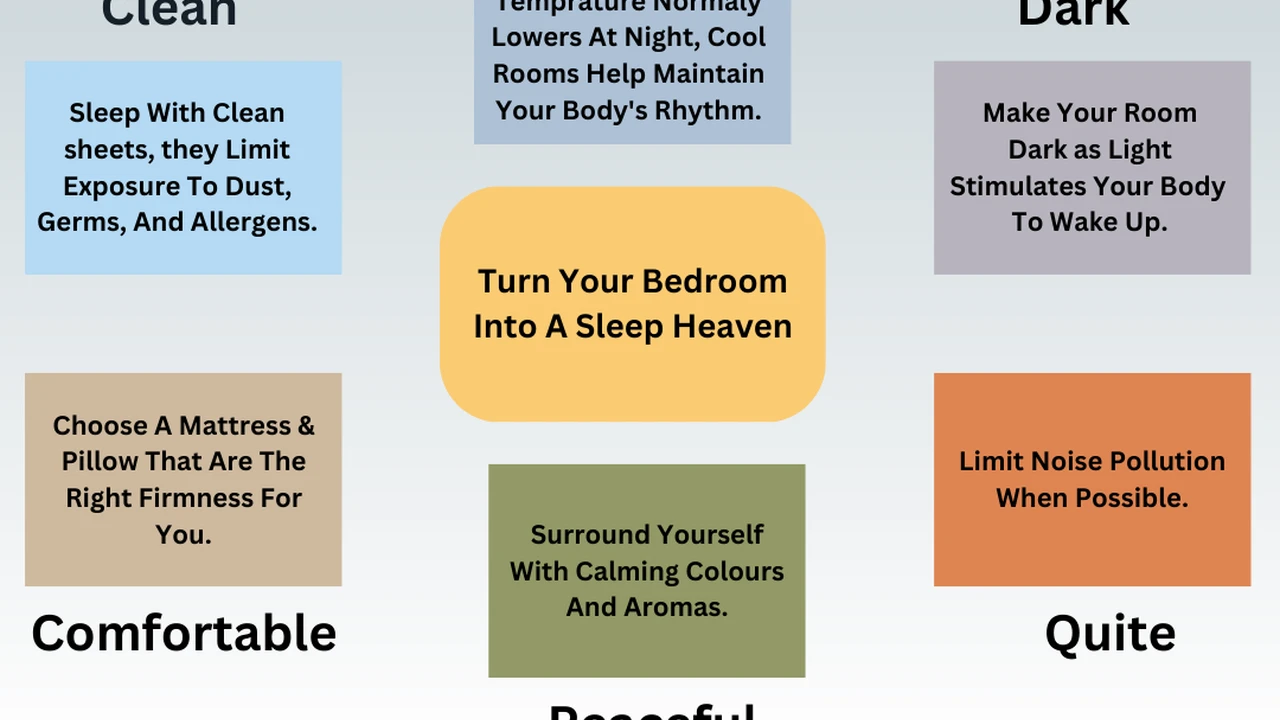
- Ensuring your bedroom is dark, quiet, and cool.
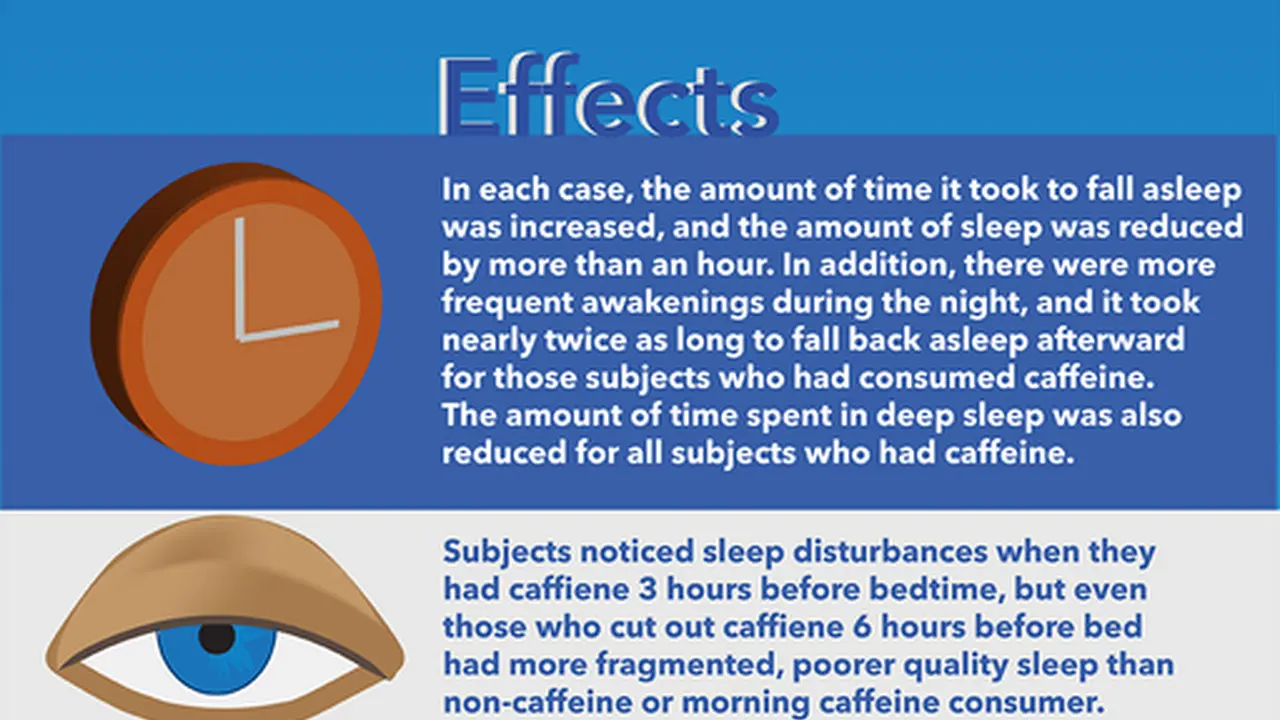
- Avoiding caffeine and alcohol, especially in the evening.
- Limiting screen time before bed.
- Getting regular exercise, but not too close to bedtime.
Natural Supplements and Herbal Remedies
While not as potent as prescription medications, some natural supplements can help with mild insomnia. These include:
- Melatonin: Different from the prescription melatonin receptor agonists, this is the actual hormone. It can be helpful for jet lag or shifting sleep schedules.
- Valerian Root: An herb with mild sedative properties.
- Chamomile or Lavender: Often used in teas or aromatherapy for relaxation.
Always discuss these with your doctor, as even natural supplements can have side effects or interact with other medications.
Making an Informed Decision with Your Doctor
The decision to use sleep medication should always be made in consultation with your healthcare provider. They can assess your specific situation, consider your medical history, and help you weigh the pros and cons of different options. Don't be afraid to ask questions, express your concerns, and discuss alternatives. Your doctor is there to help you find the best path to better sleep, whether that involves medication, therapy, lifestyle changes, or a combination of approaches.
Ultimately, the goal is to get you sleeping soundly and safely, so you can wake up feeling refreshed and ready to tackle your day. It might take some trial and error, but with the right information and support, you can definitely improve your sleep quality.
:max_bytes(150000):strip_icc()/277019-baked-pork-chops-with-cream-of-mushroom-soup-DDMFS-beauty-4x3-BG-7505-5762b731cf30447d9cbbbbbf387beafa.jpg)