Creating a Pre-Sleep Routine Environment
Design your bedroom to support a relaxing pre-sleep routine. Prepare your body and mind for restful sleep.
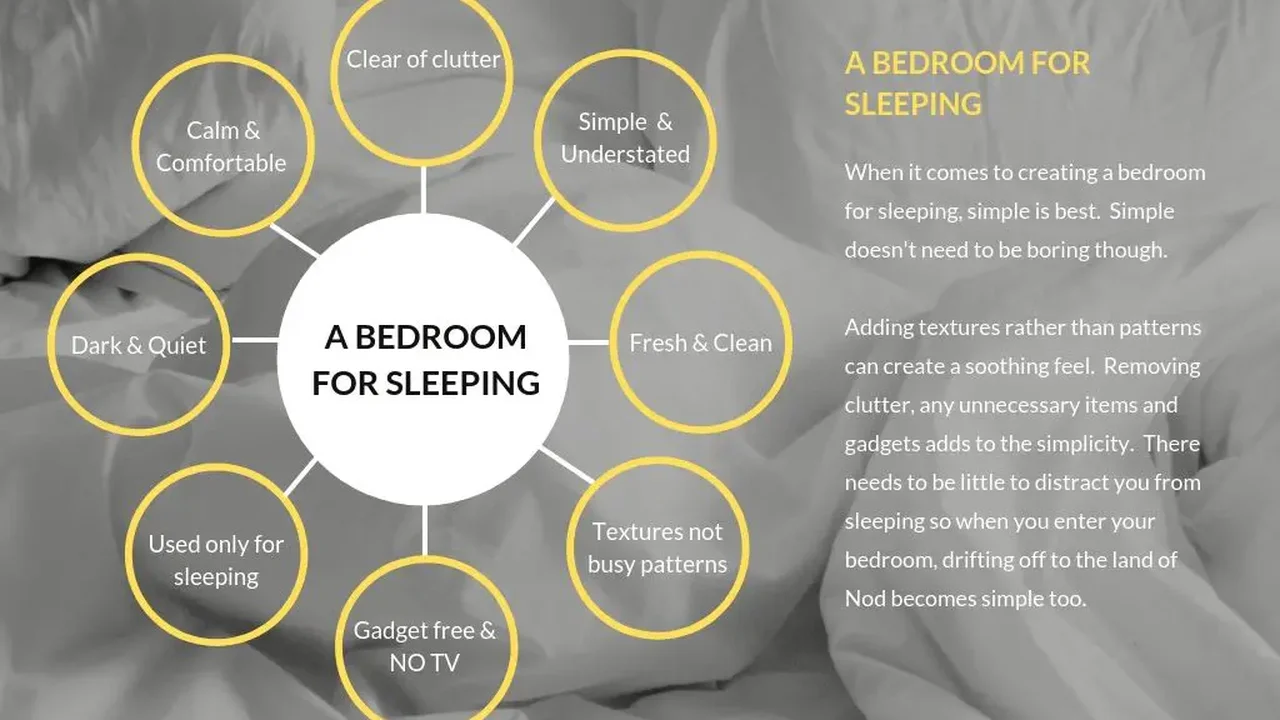
Design your bedroom to support a relaxing pre-sleep routine. Prepare your body and mind for restful sleep.
Creating a Pre-Sleep Routine Environment
The Importance of a Pre-Sleep Routine for Sleep Quality
Hey there, sleep seekers! Ever wonder why some nights you just drift off effortlessly, while others you toss and turn for what feels like an eternity? A huge part of that often comes down to what you do in the hour or two before your head hits the pillow. We're talking about your pre-sleep routine, and more specifically, how your bedroom environment plays a starring role in making that routine effective. Think of your bedroom not just as a place to sleep, but as a sanctuary, a dedicated space that signals to your brain: 'It's time to wind down, relax, and prepare for deep, restorative sleep.'
Many of us live in a constant state of 'on,' bombarded by screens, work, and daily stresses right up until bedtime. This makes it incredibly difficult for our bodies and minds to switch gears. A well-designed pre-sleep routine, supported by an optimized environment, acts as a bridge from your busy day to a peaceful night. It helps regulate your circadian rhythm, promotes melatonin production, and reduces cortisol levels, all crucial for falling asleep faster and staying asleep longer. It's not just about being tired; it's about being ready for sleep.
Setting the Stage Lighting for Sleep
Let's talk light, because it's one of the most powerful environmental cues for sleep. Our bodies are hardwired to respond to light and darkness. Bright, blue-spectrum light, like that from your phone, tablet, or TV, tells your brain it's daytime, suppressing melatonin, the hormone that makes you feel sleepy. So, the first rule of pre-sleep club: dim the lights!
About an hour or two before bed, start reducing the intensity of your lights. Opt for warm, amber-toned lighting. Think bedside lamps with low-wattage bulbs, or even smart bulbs that allow you to adjust color temperature. Overhead bright lights are a no-go. You want to create a cozy, cave-like atmosphere.
Recommended Lighting Products for Your Pre-Sleep Routine:
- Philips Hue White and Color Ambiance Smart Bulbs: These are fantastic because you can control them from your phone, set schedules, and most importantly, change the color temperature to warm, sleep-friendly tones. You can even program them to gradually dim as bedtime approaches. A starter kit with a few bulbs and a hub might set you back around $150-$200, but individual bulbs are about $50 each. They're super versatile and integrate well with smart home systems.
- LIFX Mini White Smart Bulbs: A slightly more affordable alternative to Philips Hue, LIFX bulbs also offer tunable white light and don't require a separate hub. They connect directly to your Wi-Fi. Expect to pay around $25-$35 per bulb. Great for simple, effective dimming and color temperature changes.
- Himalayan Salt Lamps: While not a smart device, these lamps emit a soft, warm, orange glow that's incredibly soothing and completely free of blue light. They're perfect for a gentle, ambient light source in your bedroom. Prices vary widely depending on size, but you can find good ones for $20-$50. Just make sure to get a genuine one.
- Red Light Bulbs (e.g., from Sleep Smarter): Some companies specifically sell red-spectrum bulbs designed to be completely free of blue and green light, which are the most disruptive to melatonin. These are often used in bedside lamps. A single bulb might cost $15-$25. They're a more targeted approach if you're serious about light hygiene.
Comparison: Smart bulbs offer convenience and automation, allowing for gradual dimming and color changes. Himalayan salt lamps and dedicated red light bulbs are simpler, more budget-friendly options that provide excellent blue-light-free ambient light. Smart bulbs are an investment but offer unparalleled control; the others are more 'set it and forget it' for specific light types.
Temperature Control for Optimal Sleep Environment
Your body temperature naturally dips as you prepare for sleep, and a cool environment helps facilitate this process. A room that's too hot or too cold can significantly disrupt your sleep architecture. Most sleep experts agree that the ideal bedroom temperature is somewhere between 60-67°F (15.6-19.4°C).
Before your pre-sleep routine begins, consider adjusting your thermostat. If you live in a warmer climate, an air conditioner or a fan can be your best friend. In colder areas, ensure your heating isn't set too high. You want to feel comfortably cool, not chilly.
Products for Temperature Regulation:
- Smart Thermostats (e.g., Ecobee SmartThermostat, Google Nest Thermostat): These devices learn your preferences, can be controlled remotely, and allow you to program temperature schedules. You can set them to gradually cool your room an hour before bedtime and warm it up slightly before you wake. Ecobee often includes remote sensors for more accurate temperature readings in specific rooms. Prices range from $100-$250. They're a significant upgrade for whole-home temperature management.
- BedJet 3 Climate Comfort System: This is a more targeted solution for individual temperature control in bed. It blows air (heated or cooled) directly under your duvet, allowing you to customize your microclimate. It's fantastic for couples with different temperature preferences. Expect to pay around $400-$500 for a single zone system. It's a premium product for personalized comfort.
- ChiliSleep OOLER Sleep System: Similar to BedJet, OOLER uses a hydro-powered mattress pad to circulate temperature-controlled water, providing active cooling or warming. It's placed under your sheets and offers precise temperature control. This is a high-end option, typically costing $700-$1500 depending on bed size and single/dual zone. Ideal for those who struggle significantly with temperature regulation during sleep.
- Dyson Pure Cool Link Air Purifier and Fan: While primarily an air purifier, many Dyson models also function as powerful fans, which can be excellent for circulating air and providing a cooling breeze without being overly noisy. They also monitor air quality, which is a bonus. Prices are usually in the $400-$600 range. A good multi-purpose device.
Comparison: Smart thermostats are great for ambient room temperature control. BedJet and OOLER offer highly personalized in-bed temperature regulation, with OOLER being more expensive but often praised for its consistent cooling. Dyson fans provide air circulation and purification, a good all-rounder if you need both.
Soundscapes for Serene Sleep
Noise can be a major sleep disruptor, whether it's street traffic, noisy neighbors, or even the hum of your refrigerator. Creating a consistent, soothing soundscape can help mask these disturbances and create a peaceful environment for your pre-sleep routine.
White noise, pink noise, or even natural sounds like rain or ocean waves can be incredibly effective. The key is consistency; a steady, unobtrusive sound helps your brain tune out sudden, jarring noises.
Recommended Sound Products for Your Pre-Sleep Routine:
- Hatch Restore 2: This is an all-in-one sleep assistant. It combines a smart light (tunable colors and brightness), a sound machine (white noise, nature sounds, meditations), and a sunrise alarm. You can program a multi-step routine that dims the light and starts soothing sounds. It's a fantastic device for creating a comprehensive pre-sleep environment. Priced around $199.
- LectroFan High Fidelity White Noise Machine: If you're looking for a dedicated, high-quality white noise machine without all the bells and whistles, the LectroFan is a top choice. It offers a wide variety of fan sounds and white noise options, ensuring you find the perfect masking sound. It's compact and reliable. Typically costs around $50-$60.
- Sound+Sleep SE Sound Machine: This machine offers a broader range of adaptive sounds, meaning it can subtly adjust the sound profile based on ambient noise in your room. It includes nature sounds, city sounds, and various white noise options. It's a bit more sophisticated than basic white noise machines. Expect to pay around $100-$150.
- Bose Sleepbuds II: These are tiny, comfortable earbuds designed specifically for sleep. They play soothing sounds (not music) to mask external noise. They're great if you have a partner who snores or live in a very noisy environment and prefer not to use a bedside machine. They're quite an investment, around $250.
Comparison: Hatch Restore 2 is the best all-in-one solution for light and sound. LectroFan is excellent for pure white noise. Sound+Sleep SE offers more varied and adaptive soundscapes. Bose Sleepbuds II are unique for in-ear noise masking, ideal for specific situations but less about creating a room-wide sound environment.
Aromatherapy and Scents for Relaxation
Our sense of smell is directly linked to the limbic system, which controls emotions and memory. Certain scents can have a powerful calming effect, making them a wonderful addition to your pre-sleep routine. Lavender, chamomile, and cedarwood are popular choices known for their relaxing properties.
Consider diffusing essential oils or using a pillow spray with calming scents as part of your wind-down ritual.
Aromatherapy Products for Your Pre-Sleep Routine:
- doTERRA Petal Diffuser 2.0: A popular and reliable essential oil diffuser that's easy to use and has a good mist output. It's quiet and has a subtle light feature. You'll also need to purchase essential oils separately. The diffuser itself is around $50-$60.
- Vitruvi Stone Diffuser: If aesthetics are important to you, the Vitruvi diffuser is a beautiful ceramic option that blends seamlessly into modern decor. It functions just like other diffusers but looks much more like a piece of art. It's pricier, around $120.
- This Works Deep Sleep Pillow Spray: A cult favorite, this spray contains a blend of lavender, vetiver, and wild chamomile. You simply spritz it on your pillow before bed. It's a convenient, mess-free way to incorporate aromatherapy. A 75ml bottle costs about $30.
- Saje Sleep Well Roll-On: This is a blend of lavender, marjoram, and vetiver essential oils in a convenient roll-on format. You can apply it to your pulse points (wrists, temples, neck) before bed. It's portable and easy to use. Around $25.
Comparison: Diffusers offer a continuous, room-filling scent experience, with Vitruvi being a premium aesthetic choice. Pillow sprays and roll-ons are more direct and convenient for personal use, especially for travel.
Decluttering and Organization for Mental Calm
A cluttered space often leads to a cluttered mind. Your bedroom should be a haven of peace, not a storage unit for your daily chaos. Before you even think about dimming the lights, take a few minutes to tidy up.
Make your bed, put away clothes, clear surfaces. A visually calm environment helps promote mental calm, which is essential for winding down. This isn't about being a minimalist; it's about removing visual distractions that can keep your brain active.
Tips for Decluttering Your Sleep Space:
- Designate a 'landing strip': Have a specific spot near your door for things you bring into the bedroom but don't belong there (e.g., mail, work bag). Deal with them before your pre-sleep routine begins.
- Use smart storage: Under-bed storage, bedside tables with drawers, or decorative baskets can help hide clutter.
- Keep surfaces clear: Aim to have only essential items on your nightstand (lamp, book, water bottle).
- Minimize electronics: Ideally, remove all non-essential electronics from the bedroom. If you must have them, keep them out of sight or covered.
Creating a Digital Detox Zone
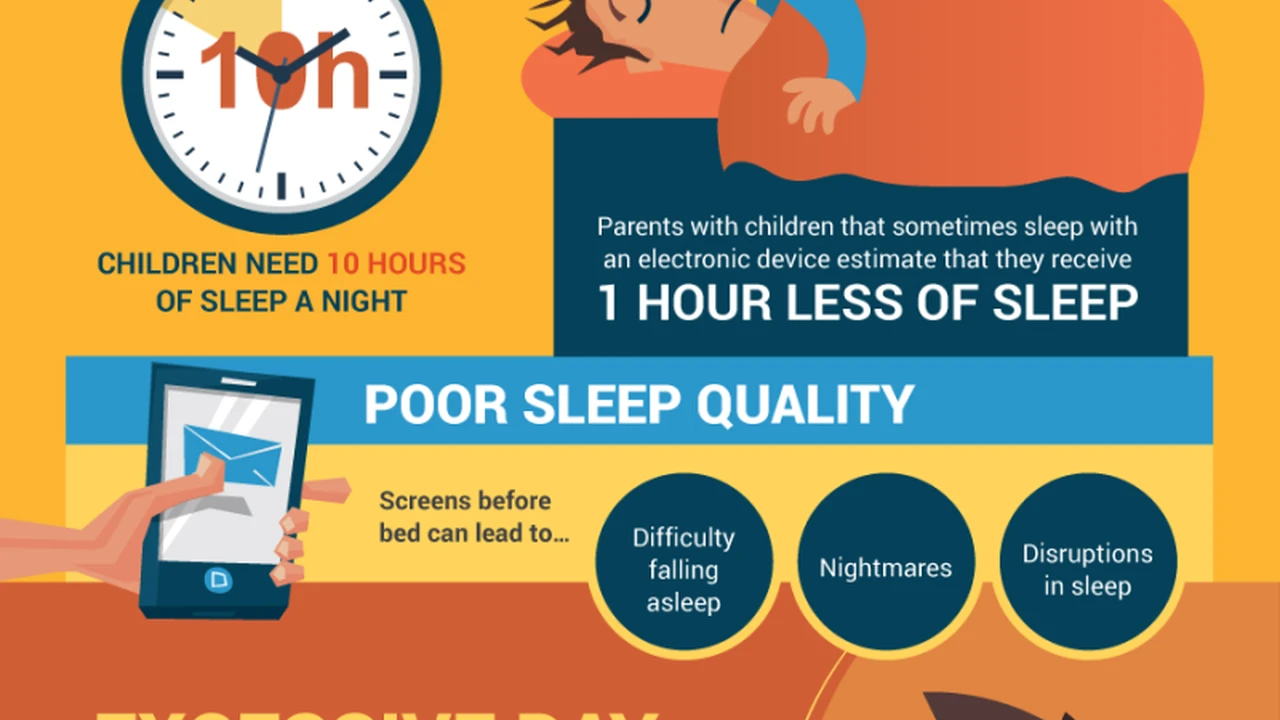
This is a big one. The blue light from screens (phones, tablets, laptops, TVs) suppresses melatonin and stimulates your brain, making it harder to fall asleep. The content you consume on these devices (news, social media, work emails) can also be mentally stimulating or anxiety-inducing.
Your pre-sleep routine environment should be a digital detox zone. Aim to put away all screens at least 60-90 minutes before your desired bedtime. Charge your phone outside the bedroom if possible, or at least place it far enough away that you're not tempted to check it.
Strategies for a Digital Detox:
- Designate a charging station outside the bedroom: This physically separates you from your device.
- Use an old-fashioned alarm clock: Ditch your phone as an alarm to avoid bringing it into bed.
- Find alternative wind-down activities: Read a physical book, listen to a podcast or audiobook, meditate, stretch, or journal.
- Communicate your 'offline' hours: Let family or colleagues know you'll be unreachable during your pre-sleep routine.
The Role of Bedding and Comfort
Your bedding plays a crucial role in your comfort and ability to regulate temperature throughout the night. Investing in quality sheets, pillows, and blankets that suit your preferences can significantly enhance your sleep experience.
Consider natural, breathable materials like cotton, linen, or bamboo for sheets. These materials help wick away moisture and regulate temperature. Your pillow should support your head and neck alignment based on your preferred sleep position.
Recommended Bedding Products for Comfort:
- Brooklinen Luxe Core Sheet Set: Known for their buttery-soft feel and durability, these 100% long-staple cotton sheets are a popular choice for luxurious comfort. They're breathable and get softer with every wash. A queen set is around $170-$200.
- Parachute Linen Sheet Set: If you prefer the relaxed, breathable feel of linen, Parachute's linen sheets are highly rated. They're great for temperature regulation, keeping you cool in summer and warm in winter. A queen set is typically $250-$300.
- Cozy Earth Bamboo Sheet Set: Made from 100% viscose from bamboo, these sheets are incredibly soft, silky, and known for their exceptional breathability and temperature-regulating properties. They're a premium option, often endorsed by Oprah. A queen set can be $300-$400.
- Tempur-Pedic TEMPUR-Cloud Pillow: This memory foam pillow offers excellent support and pressure relief, conforming to your head and neck. It's great for various sleep positions and helps maintain spinal alignment. Priced around $100-$150.
- Coop Home Goods Original Pillow: This adjustable shredded memory foam pillow allows you to add or remove filling to customize its loft and firmness, making it suitable for all sleep positions. It's a versatile and popular choice. Around $70-$80.
Comparison: Brooklinen offers classic cotton luxury. Parachute linen is excellent for breathability and a relaxed feel. Cozy Earth bamboo is the ultimate in silky softness and temperature regulation, but at a higher price point. Tempur-Pedic provides firm, consistent memory foam support, while Coop Home Goods offers customizable comfort.
The Power of a Consistent Routine
Beyond the physical environment, the consistency of your pre-sleep routine itself is paramount. Your body thrives on routine. Going to bed and waking up at roughly the same time each day, even on weekends, helps regulate your circadian rhythm. Your pre-sleep routine should ideally start at the same time each night too.
This consistency trains your body and mind to recognize the signals that sleep is approaching, making it easier to transition into a restful state. It's like a nightly ritual that prepares you for the ultimate reset.
Elements of a Consistent Pre-Sleep Routine:
- Set a 'wind-down' alarm: Not an alarm to wake up, but an alarm to start your pre-sleep routine.
- Warm bath or shower: The drop in body temperature after a warm bath can induce sleepiness.
- Reading a physical book: A great way to relax without blue light.
- Gentle stretching or yoga: Releases tension and prepares your body for rest.
- Journaling: Helps clear your mind of worries or to-do lists.
- Meditation or deep breathing exercises: Calms the nervous system.
- Listen to calming music or a podcast: Choose something soothing, not stimulating.
By intentionally designing your bedroom environment and consistently following a relaxing pre-sleep routine, you're not just hoping for good sleep; you're actively creating the conditions for it. It's an investment in your overall health and well-being, and trust me, it's one that pays dividends every single morning.
:max_bytes(150000):strip_icc()/277019-baked-pork-chops-with-cream-of-mushroom-soup-DDMFS-beauty-4x3-BG-7505-5762b731cf30447d9cbbbbbf387beafa.jpg)