Cleaning Your Mattress for Better Sleep
Learn how to properly clean and maintain your mattress for hygiene and longevity. Ensure a fresh and healthy sleep surface.
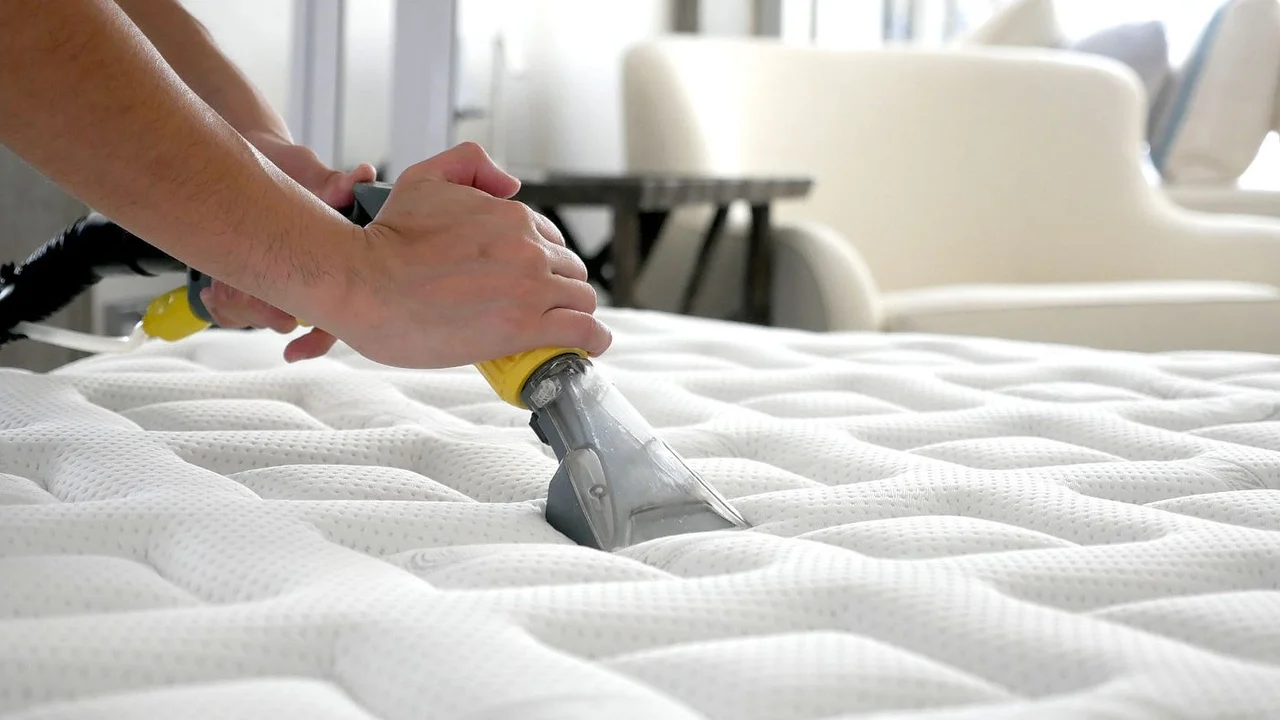
Learn how to properly clean and maintain your mattress for hygiene and longevity. Ensure a fresh and healthy sleep surface.
Cleaning Your Mattress for Better Sleep
Hey there, sleep enthusiasts! Let's talk about something super important but often overlooked: cleaning your mattress. Think about it – you spend roughly a third of your life on that thing. It's your personal sanctuary, your comfort zone, and frankly, it can get pretty gross if you don't give it some love. We're talking sweat, dead skin cells, dust mites, pet dander, and even accidental spills. A dirty mattress isn't just unhygienic; it can seriously impact your sleep quality, trigger allergies, and even shorten the lifespan of your expensive investment. So, let's dive into how to keep your mattress fresh, clean, and ready for the best sleep of your life.
Why Mattress Cleaning Matters for Your Health and Sleep Quality
You might be thinking, 'My mattress looks fine, why bother?' Well, appearances can be deceiving. Over time, your mattress becomes a breeding ground for all sorts of microscopic nasties. Dust mites, for instance, thrive in warm, humid environments and feed on dead skin cells. Their droppings are a common allergen, leading to symptoms like sneezing, runny nose, itchy eyes, and even asthma attacks. If you wake up feeling congested or itchy, your mattress might be the culprit.
Beyond allergens, sweat and body oils accumulate, creating a less-than-fresh smell and potentially fostering mold and mildew growth, especially in humid climates. This can lead to respiratory issues and an overall unpleasant sleeping environment. A clean mattress contributes to better air quality in your bedroom, which directly translates to more restful and uninterrupted sleep. Plus, let's be honest, a clean bed just feels better, right?
Essential Tools and Supplies for Mattress Cleaning
Before you start, gather your arsenal. You won't need anything super fancy, just a few common household items:
- Vacuum cleaner with an upholstery attachment: This is your primary weapon against dust and debris.
- Baking soda: The ultimate odor absorber and moisture remover.
- Mild laundry detergent or dish soap: For spot cleaning stains.
- Clean cloths or sponges: Several of them, for applying solutions and blotting.
- Spray bottle: For mixing and applying cleaning solutions.
- Cold water: Always use cold water for stains to prevent them from setting.
- Optional: Essential oils (like lavender or tea tree) for a fresh scent and antimicrobial properties.
- Optional: Enzyme cleaner for biological stains (urine, blood, vomit).
- Optional: Mattress protector (a must-have for prevention!).
Step-by-Step Guide to Deep Cleaning Your Mattress
Ready to get started? Here’s a comprehensive guide to deep cleaning your mattress, step by step:
Step 1: Strip the Bed and Vacuum Thoroughly
First things first, strip all your bedding – sheets, pillowcases, mattress protector, everything. Toss them into the laundry immediately. While they're washing, grab your vacuum cleaner. Use the upholstery attachment to thoroughly vacuum the entire surface of your mattress. Pay extra attention to seams, crevices, and any tufting where dust and debris tend to accumulate. Don't forget to vacuum the sides of the mattress too. This step removes loose dirt, dust mites, and dead skin cells, which is crucial before moving on to wet cleaning.
Step 2: Deodorize with Baking Soda
Baking soda is a miracle worker for mattresses. It absorbs odors and moisture like a champ. Liberally sprinkle baking soda over the entire surface of your mattress. Don't be shy – you want a good, even layer. For an extra boost of freshness, you can mix a few drops of your favorite essential oil (like lavender for relaxation or tea tree for its antimicrobial properties) into the baking soda before sprinkling. Let the baking soda sit for at least a few hours, or even better, for 24 hours. The longer it sits, the more odors and moisture it will absorb. If you can, open your windows to allow for good air circulation during this time.
Step 3: Vacuum the Baking Soda
After the baking soda has done its job, vacuum it all up. Again, use your upholstery attachment and go over the entire mattress surface thoroughly. You'll be amazed at how much fresher your mattress smells after this step.
Step 4: Spot Clean Stains
Now it's time to tackle any visible stains. The key here is to act quickly and use the right solution for the type of stain. Remember, always blot, never rub, as rubbing can spread the stain and push it deeper into the mattress fibers.
For General Stains (Sweat, Dirt):
Mix a small amount of mild laundry detergent or dish soap with cold water to create a sudsy solution. Dip a clean cloth into the suds (not the water) and gently blot the stain. Continue blotting with a clean, damp cloth to rinse, then blot dry with a separate dry cloth. Repeat until the stain is gone.
For Biological Stains (Urine, Blood, Vomit):
These require a bit more specific treatment. An enzyme cleaner is your best friend here, as it breaks down the proteins in these stains. Many pet stain removers are enzyme-based and work wonderfully. Apply the enzyme cleaner according to the product instructions, usually by spraying it directly onto the stain and letting it sit for a specified time before blotting. For fresh blood stains, a paste of hydrogen peroxide and baking soda can also be effective, but test it on an inconspicuous area first to ensure it doesn't bleach your mattress fabric. Always use cold water for blood stains.
For Mold and Mildew:
If you notice mold or mildew, you need to address it immediately. Mix equal parts rubbing alcohol and water in a spray bottle. Lightly mist the affected area and let it sit for a few minutes. Then, blot with a clean cloth. Ensure the mattress dries completely to prevent recurrence. If the mold is extensive, you might need professional help or consider replacing the mattress, as mold can pose serious health risks.
Step 5: Allow to Air Dry Completely
This step is crucial. Your mattress must be completely dry before you put your bedding back on. Any residual moisture can lead to mold and mildew growth. If possible, let your mattress air dry in a well-ventilated room, ideally with open windows or a fan blowing directly on it. If you can, take your mattress outside on a sunny, dry day for a few hours – sunlight is a natural disinfectant and helps with drying. Flip the mattress over and let the other side air dry as well.
Step 6: Flip or Rotate Your Mattress
While your mattress is stripped, it's the perfect time to flip or rotate it, if your mattress type allows. This helps distribute wear evenly, prolonging its life and maintaining its support. Most modern mattresses are designed to be rotated (head to foot) rather than flipped, but check your manufacturer's recommendations.
Recommended Products for Mattress Cleaning and Protection
While DIY methods are great, some products can make your life easier and offer superior protection. Here are a few recommendations:
Mattress Protectors: Your First Line of Defense
A good mattress protector is non-negotiable. It acts as a barrier against spills, sweat, allergens, and dust mites, significantly reducing the need for deep cleaning. They are much easier to wash than a mattress!
- SafeRest Premium Hypoallergenic Waterproof Mattress Protector: This is a highly-rated, popular choice. It's waterproof, breathable, and protects against dust mites and allergens. It's also quiet, so you won't hear crinkling noises.
- Protect-A-Bed AllerZip Smooth Mattress Protector: If allergies are a major concern, this one fully encases your mattress, providing 360-degree protection against allergens, dust mites, and bed bugs.
- Luna Mattress Protector: Known for its soft, breathable cotton terry surface and quiet waterproof membrane. Great for comfort and protection.
Enzyme Cleaners for Tough Stains
For those stubborn biological stains, an enzyme cleaner is a lifesaver.
- Rocco & Roxie Supply Co. Stain & Odor Eliminator: While marketed for pets, this enzyme cleaner is incredibly effective on human biological stains too. It breaks down odors and stains at a molecular level.
- Nature's Miracle Advanced Stain & Odor Eliminator: Another excellent enzyme-based product, widely available and effective for a variety of organic stains.
Portable Carpet Cleaners for Deep Spot Cleaning
For larger or set-in stains, a portable carpet cleaner (often called a spot cleaner) can be incredibly effective, as it sprays a cleaning solution and then suctions it back up, along with the dirt.
- Bissell SpotClean Pro Portable Carpet Cleaner: This is a powerful and popular option. It's great for deep cleaning specific areas and has strong suction.
- Hoover ONEPWR Spotless GO Cordless Portable Carpet Cleaner: A cordless option offers great convenience for quick clean-ups without being tethered to an outlet.
Frequency of Mattress Cleaning and Maintenance Tips
How often should you clean your mattress? It depends on a few factors:
- Vacuuming: Aim to vacuum your mattress every 1-3 months, or more frequently if you have allergies or pets.
- Deep Cleaning (Baking Soda & Spot Treatment): A full deep clean with baking soda and spot treatment is recommended every 6 months to a year.
- Mattress Protector: Wash your mattress protector monthly, or more often if there are spills or accidents.
Daily and Weekly Habits for a Fresher Mattress
- Air out your bed: Instead of making your bed immediately after waking up, pull back the covers for 20-30 minutes. This allows moisture to evaporate and prevents dust mites from thriving.
- Wash bedding regularly: Wash your sheets, pillowcases, and duvet covers weekly in hot water to kill dust mites and remove allergens.
- Control humidity: Use a dehumidifier in humid climates to keep your bedroom dry, discouraging mold and mildew growth.
- No eating or drinking in bed: This is a simple rule that prevents most spills and crumbs.
- Keep pets off the bed: If you have allergies, this is a big one. Pet dander and hair can accumulate quickly.
When to Consider Professional Mattress Cleaning or Replacement
While DIY cleaning is effective for regular maintenance, there are times when professional help might be necessary. If your mattress has extensive mold growth, severe odors that won't dissipate, or very large, set-in stains, a professional cleaner might be able to help. They have specialized equipment and stronger solutions.
However, even with the best cleaning, mattresses don't last forever. Most mattresses have a lifespan of 7-10 years. If your mattress is sagging, lumpy, causing you pain, or if your allergies are consistently worse despite regular cleaning, it might be time to invest in a new one. A clean, supportive mattress is an investment in your health and well-being.
So, there you have it! Cleaning your mattress might seem like a chore, but it's a vital part of maintaining a healthy sleep environment. By following these steps and incorporating regular maintenance into your routine, you'll ensure your mattress stays fresh, clean, and conducive to the best sleep possible. Sweet dreams!
:max_bytes(150000):strip_icc()/277019-baked-pork-chops-with-cream-of-mushroom-soup-DDMFS-beauty-4x3-BG-7505-5762b731cf30447d9cbbbbbf387beafa.jpg)