Weight Management and Sleep Health
Explore the bidirectional relationship between weight and sleep. Achieve a healthy weight for improved sleep quality.

Explore the bidirectional relationship between weight and sleep. Achieve a healthy weight for improved sleep quality.
Weight Management and Sleep Health
Hey everyone, let's talk about something super important that often gets overlooked when we're trying to get healthier: the deep connection between our weight and how well we sleep. It's not just about diet and exercise; your sleep plays a massive role in your weight, and vice versa. It's a two-way street, and understanding this link can be a game-changer for your overall well-being.
The Sleep Weight Connection Understanding the Bidirectional Relationship
So, why are sleep and weight so intertwined? Think of your body as a finely tuned machine. When you don't get enough sleep, or your sleep quality is poor, this machine starts to malfunction, especially when it comes to regulating your appetite and metabolism. It's not just about feeling tired; it's about a cascade of hormonal changes that can make weight management incredibly challenging.
On one hand, lack of sleep can directly lead to weight gain. Studies have consistently shown that people who sleep less tend to weigh more. This isn't just because you're awake longer and have more opportunities to eat. It's deeper than that. Your body's hunger hormones, ghrelin and leptin, get thrown out of whack. Ghrelin, which tells you you're hungry, increases, while leptin, which signals fullness, decreases. This means you feel hungrier and less satisfied, leading to overeating, especially of high-calorie, high-carb foods.
On the other hand, being overweight or obese can significantly impact your sleep quality. Conditions like sleep apnea, where your breathing repeatedly stops and starts during sleep, are far more common in individuals with higher body mass indexes. This leads to fragmented sleep, snoring, and daytime fatigue, creating a vicious cycle. It's like your body is constantly fighting itself.
Hormonal Imbalance Sleep Deprivation and Appetite Regulation
Let's dive a bit deeper into those hormones. Ghrelin and leptin are the main players here. When you're sleep-deprived, your body produces more ghrelin. Imagine your stomach constantly sending 'feed me' signals to your brain. At the same time, your fat cells, which produce leptin, aren't sending enough 'I'm full' signals. So, you're getting a double whammy: increased hunger and decreased satiety. This makes it incredibly difficult to stick to a healthy eating plan, even if you have the best intentions.
Beyond ghrelin and leptin, sleep deprivation also affects insulin sensitivity. When you don't get enough sleep, your body's cells become less responsive to insulin, the hormone that helps regulate blood sugar. This can lead to higher blood sugar levels, increased fat storage, and a higher risk of developing type 2 diabetes. It's a serious concern that goes beyond just the number on the scale.
And let's not forget cortisol, the stress hormone. Lack of sleep is a stressor for your body, leading to elevated cortisol levels. Chronic high cortisol can promote abdominal fat storage, which is particularly unhealthy as it's linked to a higher risk of heart disease and other metabolic issues. So, if you're constantly stressed and not sleeping, your body is essentially being primed to store fat.
Sleep Disorders and Weight Gain Common Conditions
We touched on sleep apnea, but it's worth exploring more. Obstructive sleep apnea (OSA) is a condition where the airway repeatedly collapses during sleep, leading to pauses in breathing. This causes loud snoring, gasping, and frequent awakenings, even if you don't remember them. The fragmented sleep and reduced oxygen levels put a huge strain on your body, contributing to inflammation, insulin resistance, and yes, weight gain. It's a significant health issue that needs proper diagnosis and treatment.
Beyond OSA, other sleep disorders can also impact weight. Insomnia, for example, can lead to chronic sleep deprivation, triggering the hormonal imbalances we just discussed. Restless Legs Syndrome (RLS), which causes an irresistible urge to move your legs, can also disrupt sleep, leading to fatigue and potentially affecting activity levels and food choices.
It's crucial to recognize that these aren't just minor inconveniences. They are medical conditions that require attention. If you suspect you have a sleep disorder, talking to a doctor or a sleep specialist is the first step. They can help diagnose the issue and recommend appropriate treatments.
Optimizing Sleep for Weight Loss Practical Strategies
So, what can you do? The good news is that improving your sleep can be a powerful tool in your weight management journey. It's not a magic bullet, but it makes everything else easier.
Establish a Consistent Sleep Schedule
This is probably the most important tip. Go to bed and wake up at roughly the same time every day, even on weekends. This helps regulate your circadian rhythm, your body's internal clock, which in turn helps regulate your hormones and metabolism. Consistency is key here.
Create a Relaxing Bedtime Routine
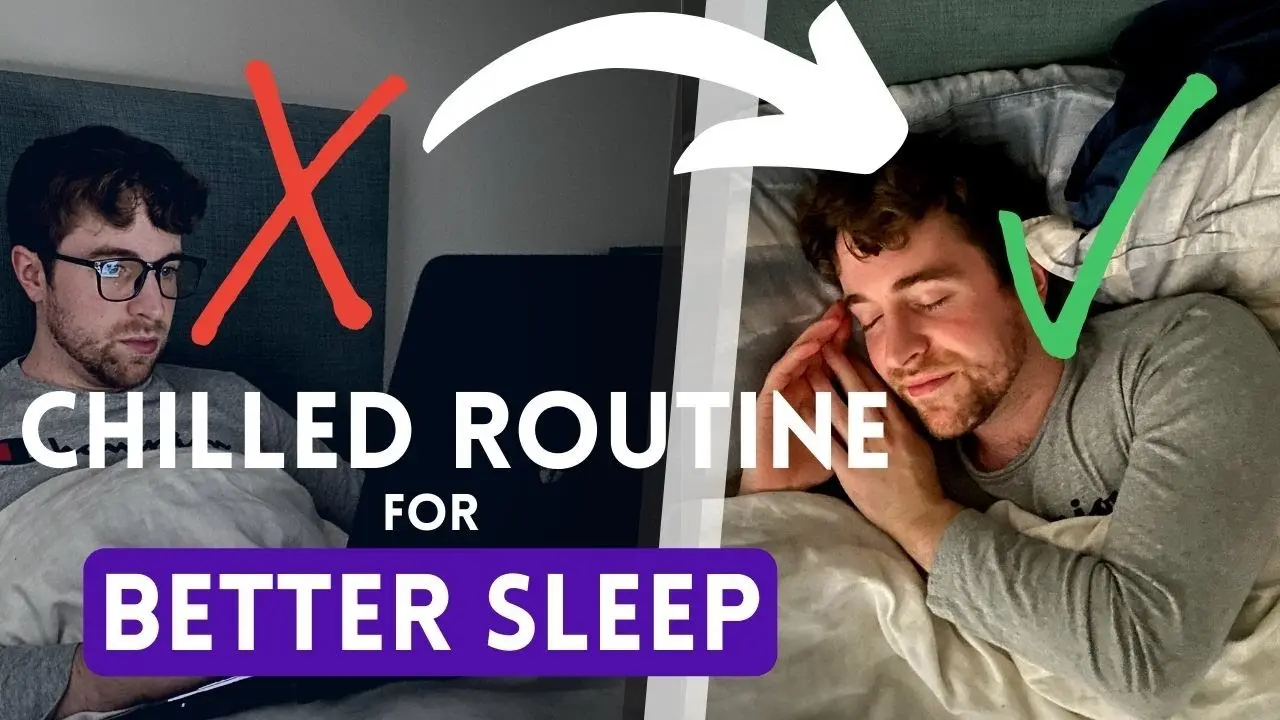
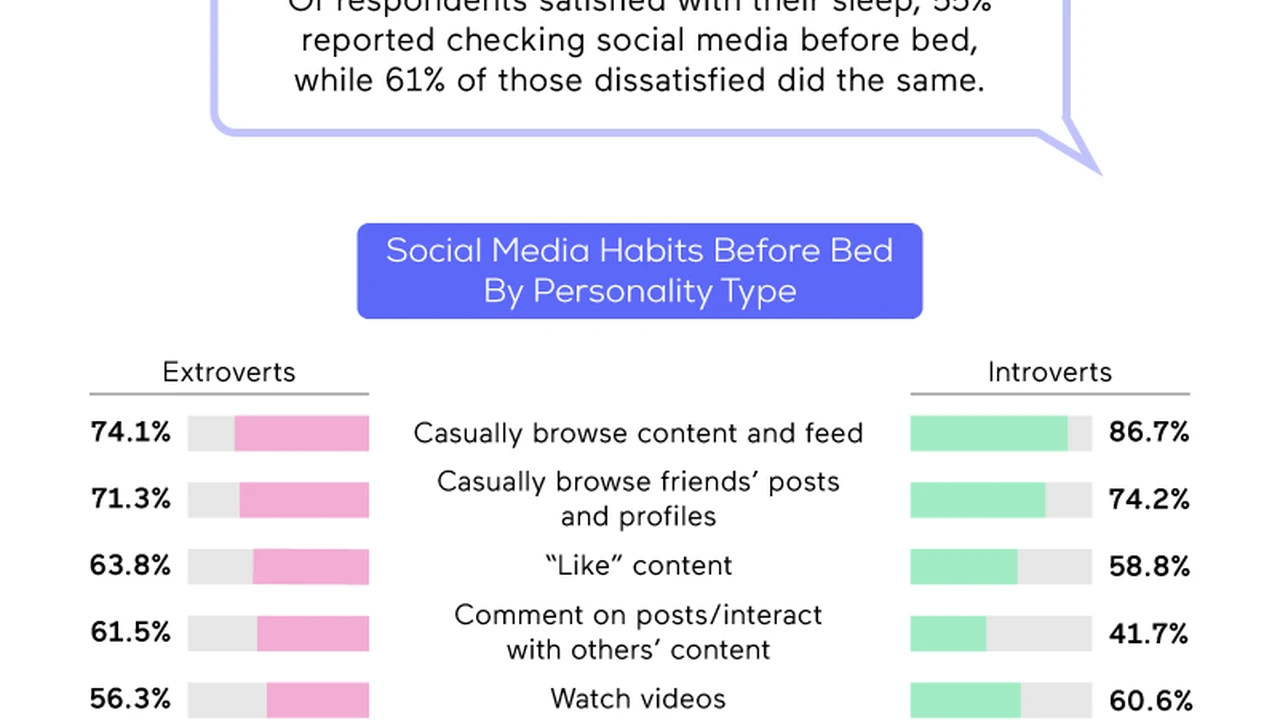
Wind down before bed. This means no screens for at least an hour before you hit the hay. Instead, try reading a book, taking a warm bath, listening to calming music, or doing some light stretching. Signal to your body that it's time to relax and prepare for sleep.
Optimize Your Sleep Environment
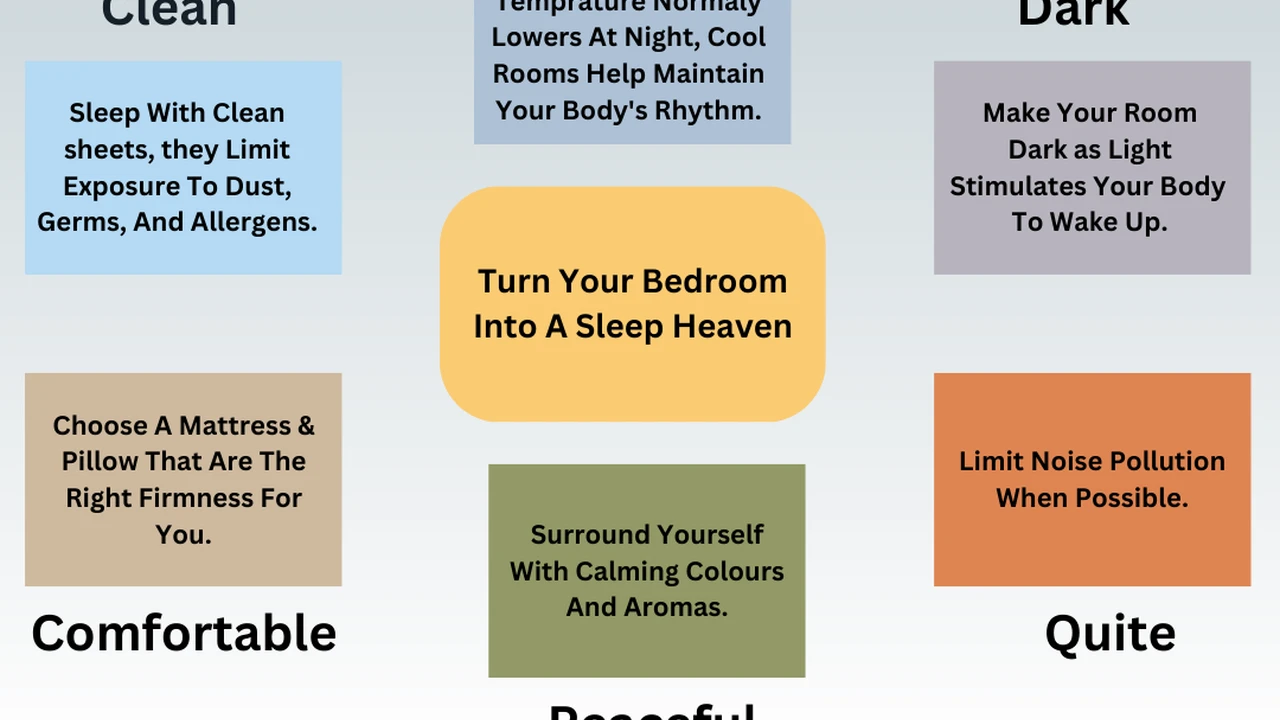
Your bedroom should be a sanctuary for sleep. Make it dark, quiet, and cool. Blackout curtains can be a lifesaver, especially if you live in a brightly lit area. Consider earplugs or a white noise machine if noise is an issue. The ideal temperature for sleep is usually between 60-67 degrees Fahrenheit (15-19 degrees Celsius).
Mind Your Diet and Exercise Timing
What and when you eat matters. Avoid heavy meals, caffeine, and alcohol close to bedtime. While exercise is great for weight management and sleep, intense workouts too close to bedtime can be stimulating. Aim to finish your vigorous exercise at least a few hours before you plan to sleep.
Manage Stress Effectively
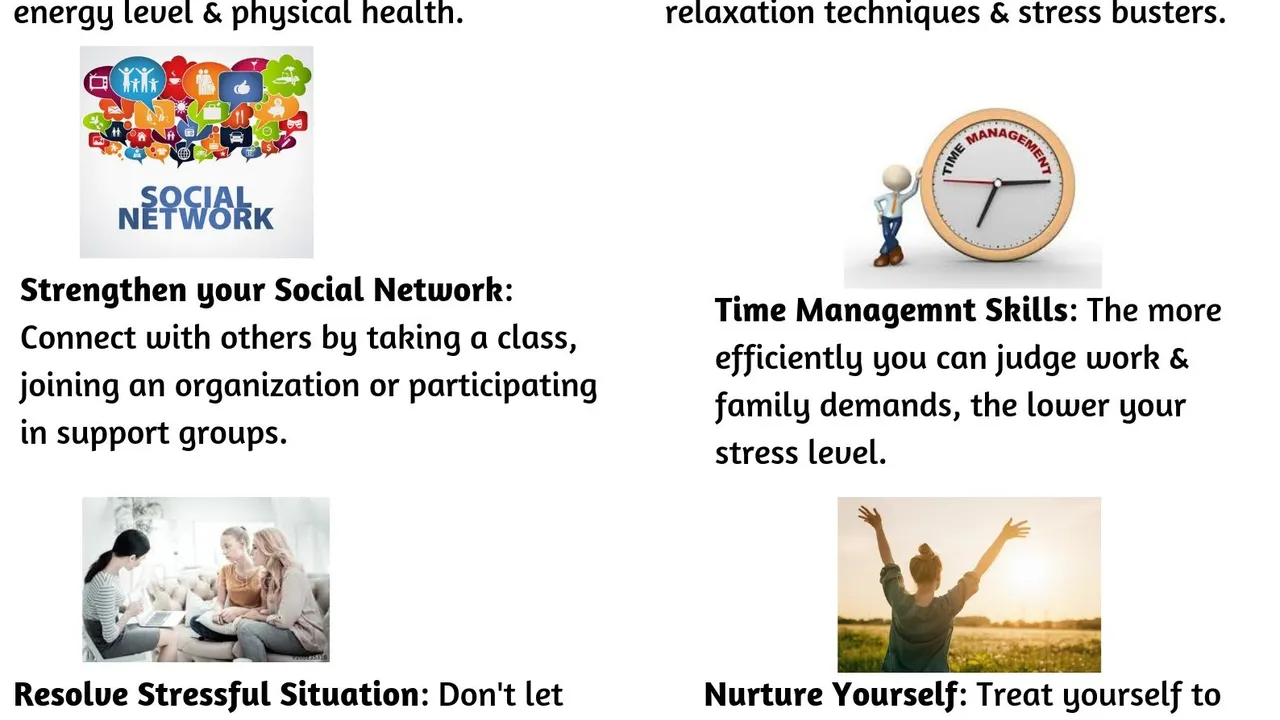
Stress is a huge sleep disruptor. Incorporate stress-reducing activities into your daily routine, such as meditation, yoga, deep breathing exercises, or spending time in nature. Finding healthy ways to cope with stress will benefit both your sleep and your weight.
Sleep Aids and Products for Weight Management Support
While lifestyle changes are paramount, certain products can support your journey to better sleep, which in turn aids weight management. Remember, these are aids, not solutions on their own.
Smart Sleep Trackers and Wearables for Data Insights
These devices can give you valuable insights into your sleep patterns, helping you identify areas for improvement. They track things like sleep stages (REM, deep, light), heart rate, and even breathing disturbances. Knowing your sleep data can empower you to make informed changes.
- Oura Ring Gen3: This sleek ring tracks sleep stages, heart rate variability, body temperature, and activity. It provides a daily 'Readiness Score' to guide your day. It's comfortable to wear 24/7 and offers detailed insights through its app. Price: Around $299-$349, plus a monthly subscription for full features.
- Whoop 4.0: A wrist-worn strap that focuses on recovery, strain, and sleep. It offers continuous heart rate monitoring and detailed sleep stage analysis. Popular among athletes, but useful for anyone looking to optimize recovery. Price: Subscription-based, starting around $30/month with a commitment.
- Fitbit Sense 2: A smartwatch that offers comprehensive health tracking, including detailed sleep stages, skin temperature, and stress management tools. It's a good all-rounder for general health and fitness tracking. Price: Around $299.
White Noise Machines and Soundscapes for Relaxation
If noise is an issue, a white noise machine can mask disruptive sounds, creating a consistent, soothing background. Many also offer various soundscapes like rain, ocean waves, or fan noises.
- Hatch Restore 2: More than just a white noise machine, it's a smart sleep assistant. It combines a sound machine, sunrise alarm, and reading light. You can customize routines for winding down and waking up gently. Price: Around $199.99.
- LectroFan Evo: A dedicated sound machine offering 22 unique non-looping sounds, including white noise, fan sounds, and ocean waves. It's simple, effective, and portable. Price: Around $59.99.
- Sound+Sleep SE: This machine listens to your environment and automatically adjusts the sound profile to mask disturbances. It offers 30 rich, non-looping sound environments. Price: Around $149.99.
Blue Light Blocking Glasses for Evening Screen Use
If you absolutely must use screens in the evening, blue light blocking glasses can help mitigate the negative effects of blue light on melatonin production. Look for glasses that block a high percentage of blue light.
- Swannies Blue Light Blocking Glasses (Classic): Known for their effective blue light blocking, especially the amber lenses for evening use. They come in various styles. Price: Around $69-$89.
- Felix Gray Roebling: Stylish options that block a significant amount of blue light. They offer both clear lenses for daytime and amber lenses for evening. Price: Around $95-$105.
- Uvex Skyper Blue Light Blocking Glasses: A more budget-friendly, utilitarian option. These are industrial safety glasses that happen to block nearly 100% of blue light, making them highly effective for evening use. Price: Around $10-$15.
Comfortable Sleepwear and Bedding for Temperature Regulation
Your sleep environment includes what you wear and what you sleep on. Breathable, moisture-wicking sleepwear and bedding can help regulate your body temperature, preventing overheating that can disrupt sleep.
- Eucalyptus Lyocell Sheets (e.g., from Sijo, Buffy, or Ettitude): These sheets are incredibly soft, breathable, and naturally temperature-regulating and moisture-wicking. They feel cool to the touch and are great for hot sleepers. Price: Queen sets typically range from $150-$250.
- Bamboo Viscose Pajamas (e.g., from Cozy Earth, Lunya): Bamboo fabric is known for its softness, breathability, and moisture-wicking properties, making it ideal for comfortable sleep. Price: Pajama sets can range from $100-$200+.
- ChiliSleep Ooler Sleep System: This is a more advanced solution. It's a hydro-powered mattress pad that actively circulates water to maintain your desired sleep temperature throughout the night. It can cool or warm your bed. Price: Starts around $799 for a half-queen size.
Remember, the goal is to create an environment and routine that supports consistent, high-quality sleep. When you prioritize sleep, you're not just resting; you're actively supporting your body's ability to manage weight, regulate hormones, and function at its best. It's a fundamental pillar of health, just as important as diet and exercise. So, go ahead, give your sleep the attention it deserves, and watch how it positively impacts your weight and overall well-being.
:max_bytes(150000):strip_icc()/277019-baked-pork-chops-with-cream-of-mushroom-soup-DDMFS-beauty-4x3-BG-7505-5762b731cf30447d9cbbbbbf387beafa.jpg)