Understanding Sleep Tracking Metrics
Decipher common sleep tracking metrics like REM, deep sleep, and sleep efficiency. Gain insights into your sleep patterns.
Decipher common sleep tracking metrics like REM, deep sleep, and sleep efficiency. Gain insights into your sleep patterns.
Understanding Sleep Tracking Metrics Decoding Your Nightly Data
In the quest for optimal health and well-being, understanding our sleep patterns has become as crucial as monitoring our diet and exercise. Thanks to advancements in wearable technology and smart home devices, sleep tracking is no longer confined to specialized sleep labs. Millions of people now have access to detailed insights into their nightly rest, right from their wrists or bedsides. But what do all these numbers and graphs actually mean? How can you truly leverage this data to improve your sleep and, by extension, your overall health?
This comprehensive guide will break down the most common sleep tracking metrics, explain their significance, and provide actionable advice on how to interpret and utilize your sleep data. We'll also delve into specific product recommendations, comparing their features, use cases, and price points to help you choose the best sleep tracker for your needs.
The Core Sleep Stages Understanding REM and Deep Sleep
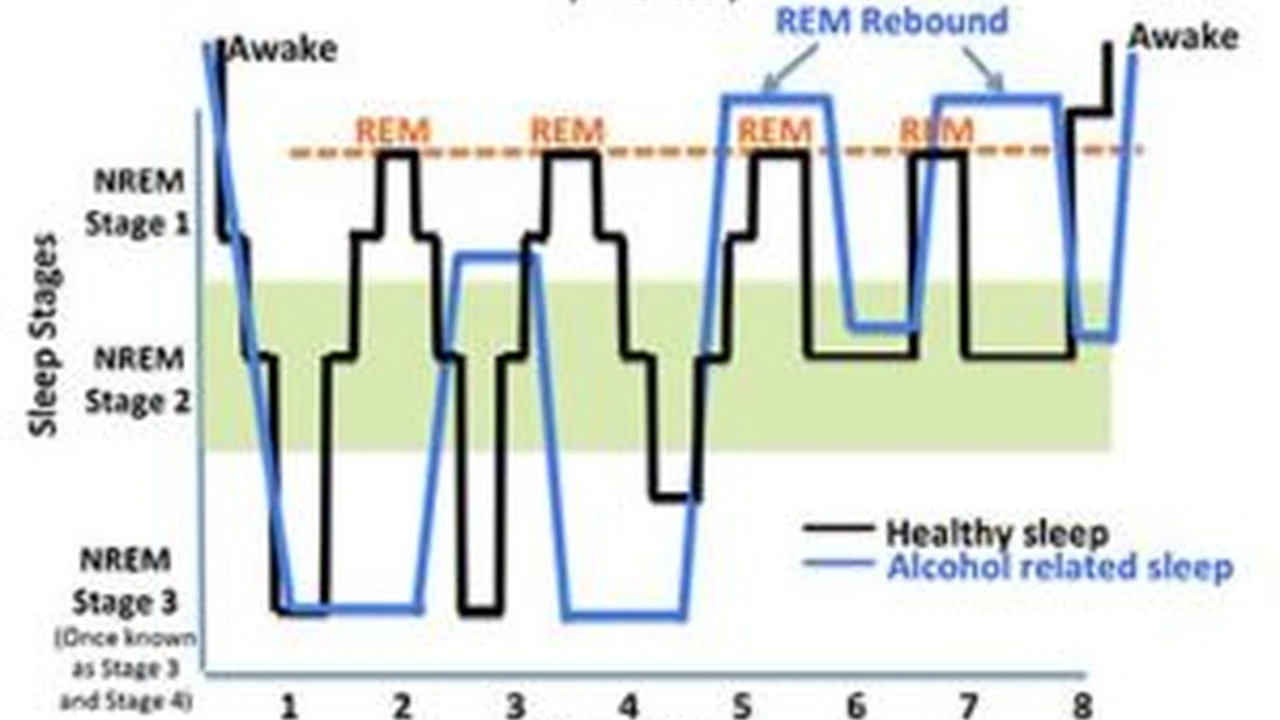
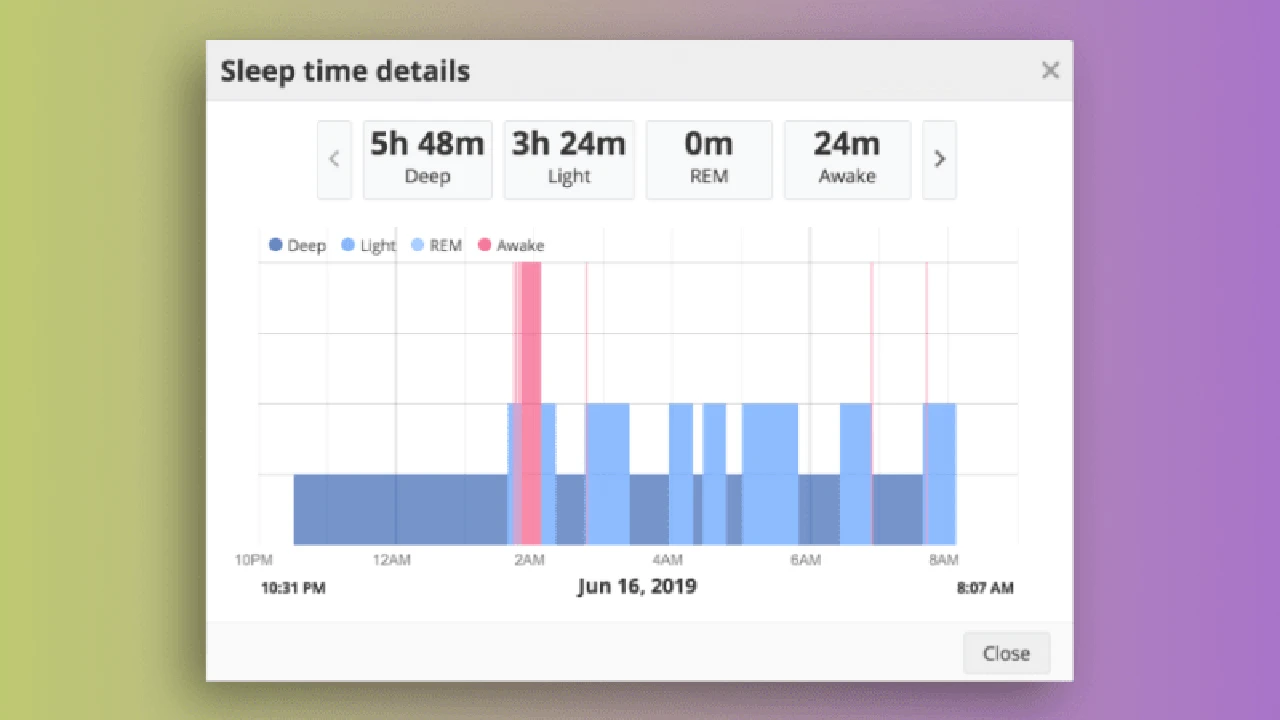
Most sleep trackers aim to identify and quantify your time spent in different sleep stages. These stages are broadly categorized into REM (Rapid Eye Movement) sleep and Non-REM (NREM) sleep, with NREM further divided into light sleep and deep sleep. Each stage plays a vital role in your physical and mental restoration.
REM Sleep Cognitive Restoration and Dreams
REM sleep is often associated with dreaming and is crucial for cognitive functions such as memory consolidation, learning, and emotional processing. During REM, your brain activity closely resembles that of wakefulness, but your muscles are temporarily paralyzed to prevent you from acting out your dreams. A healthy adult typically spends about 20-25% of their total sleep time in REM sleep, with more REM occurring in the latter half of the night.
Why REM Sleep Matters:
- Memory Consolidation: Helps transfer short-term memories into long-term storage.
- Emotional Regulation: Processes emotions and helps reduce emotional reactivity.
- Problem Solving: Contributes to creative thinking and problem-solving abilities.
Deep Sleep Physical Recovery and Growth
Also known as slow-wave sleep (SWS) or N3 sleep, deep sleep is the most restorative stage for your body. During deep sleep, your brain waves slow down significantly, and your body undergoes crucial physical repair and growth processes. This is when human growth hormone is released, muscles repair, and the immune system is strengthened. Deep sleep usually occurs more prominently in the first half of the night. Adults typically spend 15-25% of their sleep in deep sleep.
Why Deep Sleep Matters:
- Physical Restoration: Repairs tissues, builds bone and muscle, and strengthens the immune system.
- Energy Restoration: Replenishes energy stores for the next day.
- Brain Detoxification: Clears metabolic waste products from the brain.
Light Sleep Transition and Preparation
Light sleep (N1 and N2) acts as a transition phase between wakefulness and deeper sleep stages. While less restorative than deep or REM sleep, it still plays a role in overall sleep architecture. You spend the majority of your night (around 50-60%) in light sleep. It's easier to be woken up during light sleep.
Key Sleep Metrics Beyond Stages Understanding Sleep Efficiency and Latency
Beyond just tracking sleep stages, modern sleep trackers provide a wealth of other metrics that offer a more holistic view of your sleep quality.
Sleep Efficiency Time Asleep vs Time in Bed
Sleep efficiency is a crucial metric, calculated as the percentage of time you spend actually sleeping while you are in bed. For example, if you spend 8 hours in bed but only sleep for 7 hours, your sleep efficiency is 87.5%. A healthy sleep efficiency is generally considered to be 85% or higher. Lower percentages can indicate issues like frequent awakenings, difficulty falling asleep, or spending too much time in bed when not sleeping.
Improving Sleep Efficiency:
- Maintain a consistent sleep schedule.
- Avoid long naps during the day.
- Limit time in bed to actual sleep and intimacy.
Sleep Latency Time to Fall Asleep
Sleep latency refers to the amount of time it takes you to fall asleep once you get into bed and try to sleep. An ideal sleep latency is typically between 10 and 20 minutes. If it takes you significantly longer (e.g., over 30 minutes), it might indicate insomnia or an overactive mind before bed. Falling asleep too quickly (e.g., under 5 minutes) could be a sign of significant sleep deprivation.
Reducing Sleep Latency:
- Establish a relaxing pre-sleep routine.
- Avoid stimulating activities before bed.
- Ensure your bedroom environment is conducive to sleep.
Wake After Sleep Onset WASO and Disturbances
WASO measures the total time you spend awake after initially falling asleep but before your final awakening. This includes brief awakenings you might not even remember. High WASO can indicate fragmented sleep, which is less restorative. Factors like noise, light, discomfort, or certain medical conditions can contribute to high WASO.
Heart Rate Variability HRV and Recovery
Many advanced sleep trackers now measure Heart Rate Variability (HRV) during sleep. HRV is the variation in time between your heartbeats and is an excellent indicator of your autonomic nervous system's balance. A higher HRV generally indicates better recovery and resilience to stress, while a lower HRV can suggest fatigue, stress, or overtraining. Tracking HRV over time can provide insights into your overall recovery and readiness for the day.
Resting Heart Rate RHR During Sleep
Your resting heart rate (RHR) typically drops during sleep, reaching its lowest point during deep sleep. A consistently elevated RHR during sleep can be a sign of stress, illness, or insufficient recovery. Tracking your RHR trends can help you understand your body's physiological state and recovery needs.
Respiratory Rate Breathing Patterns
Some advanced trackers can monitor your respiratory rate (breaths per minute) during sleep. Significant deviations or irregularities in breathing patterns could potentially indicate underlying issues like sleep apnea, though a sleep tracker is not a diagnostic tool.
Popular Sleep Tracking Products A Comparative Review
The market is flooded with various sleep tracking devices, each with its own strengths and weaknesses. Here, we compare some of the most popular and highly-rated options, considering their features, accuracy, use cases, and price points.
Oura Ring Gen3 Wearable Sleep Tracking Excellence
The Oura Ring is a sleek, minimalist smart ring that offers comprehensive sleep tracking without the bulk of a smartwatch. It uses advanced sensors to measure heart rate, HRV, respiratory rate, body temperature, and movement, providing highly accurate sleep stage detection (REM, deep, light). Its accompanying app offers detailed daily readiness scores, sleep scores, and personalized insights based on your data.
- Use Case: Ideal for individuals who want discreet, highly accurate sleep and recovery tracking without wearing a watch to bed. Excellent for athletes and those focused on holistic well-being.
- Key Features: Highly accurate sleep staging, body temperature tracking (useful for illness detection and menstrual cycle tracking), readiness score, activity tracking, long battery life (4-7 days).
- Pros: Comfortable, stylish, excellent data insights, good battery life, robust app.
- Cons: Requires a monthly subscription for full features, higher upfront cost, not a smartwatch.
- Price: Approximately $299 - $349 (plus monthly subscription of ~$6).
Whoop 4.0 Performance and Recovery Focus
Whoop is a subscription-based wearable strap designed primarily for athletes and fitness enthusiasts, focusing heavily on recovery and strain. It tracks sleep stages, HRV, RHR, and respiratory rate, providing a daily 'Recovery' score that indicates your body's readiness for strain. It excels at showing the impact of daily activities and lifestyle choices on your sleep and recovery.
- Use Case: Best for serious athletes, fitness enthusiasts, or anyone deeply committed to optimizing their training and recovery based on physiological data.
- Key Features: Detailed recovery score, strain tracking, sleep coaching, journal feature to track lifestyle impacts, waterproof.
- Pros: In-depth recovery insights, comfortable to wear, no screen distractions, strong community.
- Cons: Subscription-only model (no upfront purchase), not a traditional smartwatch, can be overwhelming for casual users.
- Price: Subscription plans typically range from $30/month to $300/year.
Fitbit Sense 2 Smartwatch with Health Focus
The Fitbit Sense 2 is a comprehensive smartwatch that offers robust sleep tracking alongside a plethora of other health and fitness features. It tracks sleep stages, heart rate, skin temperature, and even has an EDA (electrodermal activity) sensor for stress management. Fitbit's sleep tracking is generally reliable, providing daily sleep scores and insights into your sleep patterns.
- Use Case: Great for individuals who want a versatile smartwatch for daily fitness, health monitoring, and solid sleep tracking.
- Key Features: Sleep stages, sleep score, smart wake alarm, stress tracking, ECG app, skin temperature sensor, built-in GPS, long battery life (6+ days).
- Pros: All-in-one device, good battery life, user-friendly app, strong community features.
- Cons: Sleep tracking can sometimes be less precise than dedicated sleep trackers, some advanced features require Fitbit Premium subscription.
- Price: Approximately $299.95 (plus optional Fitbit Premium subscription of ~$9.99/month).
Withings Sleep Analyzer Under Mattress Sensor
For those who prefer not to wear a device to bed, the Withings Sleep Analyzer is an excellent non-wearable option. This thin mat slips under your mattress and tracks sleep stages, heart rate, respiratory rate, and even detects sleep apnea and snoring. It provides a daily sleep score and detailed insights through the Withings Health Mate app.
- Use Case: Perfect for individuals who dislike wearing anything to bed but still want comprehensive sleep data, especially those concerned about sleep breathing disturbances.
- Key Features: No-contact tracking, sleep apnea detection, snoring detection, sleep stages, heart rate, respiratory rate, smart home integration.
- Pros: Completely unobtrusive, highly accurate for sleep stages and breathing, easy setup, no subscription required for core features.
- Cons: Only tracks sleep (no daytime activity), requires a power outlet, less portable for travel.
- Price: Approximately $149.95.
Eight Sleep Pod 3 Smart Mattress Cover
The Eight Sleep Pod 3 is a premium smart mattress cover that offers unparalleled temperature regulation alongside advanced sleep tracking. It tracks sleep stages, HRV, RHR, and respiratory rate, and uses this data to dynamically adjust the bed's temperature throughout the night to optimize your sleep. It's a complete sleep system designed for ultimate comfort and data-driven optimization.
- Use Case: For those seeking the ultimate sleep optimization experience, willing to invest in a smart bed system that actively improves sleep environment and tracks data.
- Key Features: Dynamic temperature regulation (heating and cooling), advanced sleep tracking (stages, HRV, RHR, respiratory rate), smart alarm, daily health reports, dual-zone temperature control.
- Pros: Actively improves sleep environment, highly accurate tracking, luxurious sleep experience, personalized insights.
- Cons: Very high price point, requires a monthly membership for full features, not portable.
- Price: Approximately $2,000 - $3,000 (plus monthly membership of ~$30 - $40).
Interpreting Your Sleep Data Actionable Insights
Collecting sleep data is only the first step. The real value comes from understanding what the data tells you and using it to make informed changes to your lifestyle and sleep habits.
Look for Trends Not Just Daily Numbers
Don't get fixated on a single night's data. Sleep varies from night to night due to many factors. Look for trends over weeks and months. Is your deep sleep consistently low? Are your awakenings increasing on certain days? Trends provide more meaningful insights than isolated data points.
Connect Sleep Data to Your Daily Habits
Use your sleep tracker's journal feature (if available) or keep a manual log of factors that might influence your sleep. Did you have caffeine late? Did you exercise intensely? Were you stressed? Correlating these factors with your sleep metrics can help you identify patterns and triggers for good or bad sleep.
Prioritize Consistency Over Perfection
Aim for consistency in your sleep schedule (bedtime and wake time) rather than trying to achieve perfect percentages of REM or deep sleep every night. Consistency helps regulate your circadian rhythm, which is fundamental for good sleep.
Address Low Sleep Efficiency and High WASO
If your sleep efficiency is consistently below 85% or your WASO is high, focus on improving your sleep hygiene. This includes optimizing your bedroom environment (dark, quiet, cool), establishing a relaxing pre-sleep routine, and avoiding stimulating activities before bed.
Utilize Readiness and Recovery Scores
If your tracker provides a readiness or recovery score (like Oura or Whoop), use it to guide your daily activities. On days with low scores, consider scaling back intense workouts or stressful activities. On high-score days, you might be ready for more challenging endeavors.
Consult a Professional When Needed
While sleep trackers provide valuable insights, they are not diagnostic tools. If you consistently experience significant sleep disturbances, excessive daytime sleepiness, or suspect a sleep disorder like sleep apnea, consult a healthcare professional or a sleep specialist. Your sleep data can be a useful tool to share with them.
The Future of Sleep Technology Personalized Sleep Coaching
The field of sleep technology is rapidly evolving. We're seeing a shift from mere data collection to personalized coaching and active intervention. AI-powered algorithms are becoming more sophisticated, capable of analyzing your unique sleep patterns and providing tailored recommendations. Smart beds that dynamically adjust firmness or temperature, and devices that use biofeedback to help you relax and fall asleep, are becoming more common.
Ultimately, sleep tracking technology empowers you with knowledge. By understanding the metrics and how they relate to your lifestyle, you can take proactive steps to optimize your sleep, leading to improved energy, mood, cognitive function, and overall health. Embrace the data, experiment with changes, and listen to your body to unlock your best sleep yet.
:max_bytes(150000):strip_icc()/277019-baked-pork-chops-with-cream-of-mushroom-soup-DDMFS-beauty-4x3-BG-7505-5762b731cf30447d9cbbbbbf387beafa.jpg)