Sleep Hygiene for Disorder Management
Implement essential sleep hygiene practices to manage sleep disorders. Create an environment conducive to restful sleep.
Implement essential sleep hygiene practices to manage sleep disorders. Create an environment conducive to restful sleep.
Understanding Sleep Hygiene Basics for Better Sleep
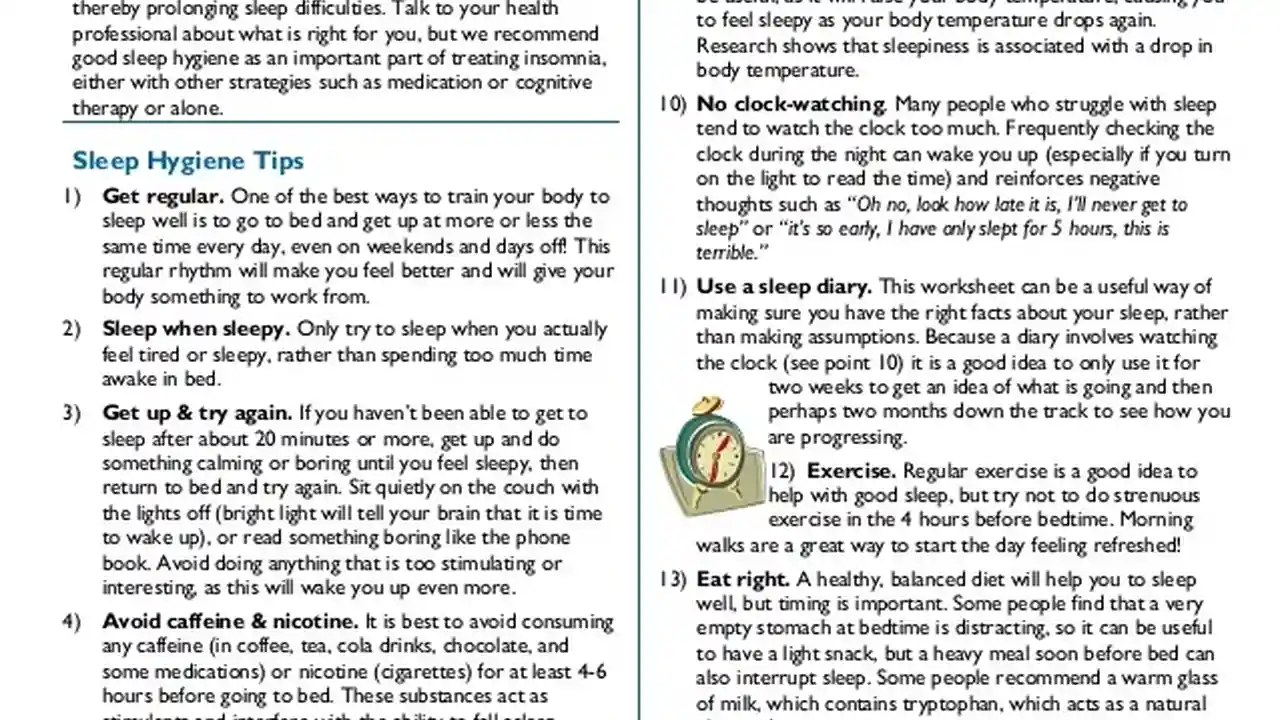
Alright, let's talk about sleep hygiene. It's not about how clean your bedsheets are, though that certainly helps! Sleep hygiene refers to a set of practices and habits that are necessary to have good nighttime sleep quality and full daytime alertness. Think of it as your personal rulebook for getting the best possible sleep. For anyone dealing with sleep disorders, whether it's insomnia, restless legs, or even just general poor sleep, dialing in your sleep hygiene can be a game-changer. It’s often the first line of defense and a foundational element of any successful sleep improvement plan.
Why is it so important? Because our bodies thrive on routine and consistency, especially when it comes to sleep. When you consistently follow good sleep hygiene practices, you're essentially training your brain and body to recognize when it's time to wind down and prepare for sleep. This helps regulate your circadian rhythm, which is your body's internal clock, and promotes the natural production of sleep-inducing hormones like melatonin. Without good sleep hygiene, even the best treatments for sleep disorders might struggle to be fully effective. It’s like trying to fill a leaky bucket – you need to patch the holes first!
Establishing a Consistent Sleep Schedule Your Body Clock's Best Friend
This is probably the most crucial aspect of sleep hygiene: going to bed and waking up at the same time every single day, even on weekends. Yes, even on weekends! I know, it sounds tough, especially when you just want to sleep in after a long week. But here's why it matters: consistency reinforces your circadian rhythm. When your body knows what to expect, it can better regulate its sleep-wake cycle. This means you'll start feeling sleepy around the same time each night and wake up more refreshed naturally.
Think about it like this: if you go to bed at 10 PM on weekdays but stay up until 2 AM on Fridays and Saturdays, and then try to wake up at 7 AM on Monday, your body is constantly playing catch-up. This 'social jet lag' can be just as disruptive as actual jet lag, making it harder to fall asleep and wake up feeling rested. Aim for a consistent 7-9 hours of sleep. If you're struggling with a sleep disorder, a regular schedule can help stabilize your sleep patterns and reduce the severity of symptoms over time.
Optimizing Your Bedroom Environment The Sleep Sanctuary
Your bedroom should be a haven for sleep, a place where your brain immediately associates with rest and relaxation. Any distractions or discomforts can significantly impact your ability to fall and stay asleep. Let's break down the key elements:
Darkness is Key Blocking Out Light for Melatonin Production
Light, especially blue light from screens, suppresses melatonin production, which is the hormone that tells your body it's time to sleep. Your bedroom should be as dark as possible. We're talking pitch black. Even small amounts of light can disrupt your sleep architecture.
- Blackout Curtains: These are non-negotiable for many. They effectively block out streetlights, early morning sun, and any other external light sources. Look for options that truly seal out light around the edges.
- Sleep Masks: If blackout curtains aren't an option, or for travel, a good sleep mask can be a lifesaver.
Product Recommendations:
- NICETOWN Blackout Curtains (around $30-$60): These are widely available on Amazon and offer excellent light-blocking capabilities. They come in various sizes and colors to fit your decor.
- MZOO Sleep Eye Mask (around $15-$25): This mask is popular for its contoured design, which prevents pressure on your eyes and allows for blinking, making it very comfortable for extended wear.
Temperature Control The Goldilocks Zone for Sleep
Most sleep experts agree that the ideal bedroom temperature for sleep is between 60-67°F (15-19°C). A slightly cool environment helps your body's core temperature drop, which is a natural part of the sleep process. If your room is too hot or too cold, your body will work harder to regulate its temperature, disrupting your sleep.
- Smart Thermostats: Devices like the Nest or Ecobee can learn your preferences and adjust the temperature automatically.
- Fans or Heaters: Depending on your climate, a good fan or a quiet space heater can help maintain the ideal temperature.
Product Recommendations:
- Google Nest Thermostat (around $130-$250): A smart thermostat that learns your schedule and can be controlled remotely. Great for maintaining consistent temperatures.
- Dyson Pure Hot+Cool (around $500-$700): A premium option that combines a fan, heater, and air purifier, ensuring optimal temperature and air quality.
Noise Reduction Creating a Quiet Haven
Unwanted noise can be a major sleep disruptor, whether it's traffic, noisy neighbors, or even a ticking clock. Your bedroom should be as quiet as possible.
- Earplugs: Simple, effective, and affordable.
- White Noise Machines: These can mask sudden noises and create a consistent, soothing background sound.
- Soundproofing: For more persistent noise issues, consider heavier curtains, weatherstripping around doors, or even sound-absorbing panels.
Product Recommendations:
- LectroFan Classic White Noise Machine (around $30-$50): Offers 10 different fan sounds and 10 white noise variations, providing a consistent and non-looping sound.
- Loop Quiet Earplugs (around $20-$30): Designed for comfort and effective noise reduction, perfect for sleeping.
Comfortable Bedding and Mattress Investing in Your Rest
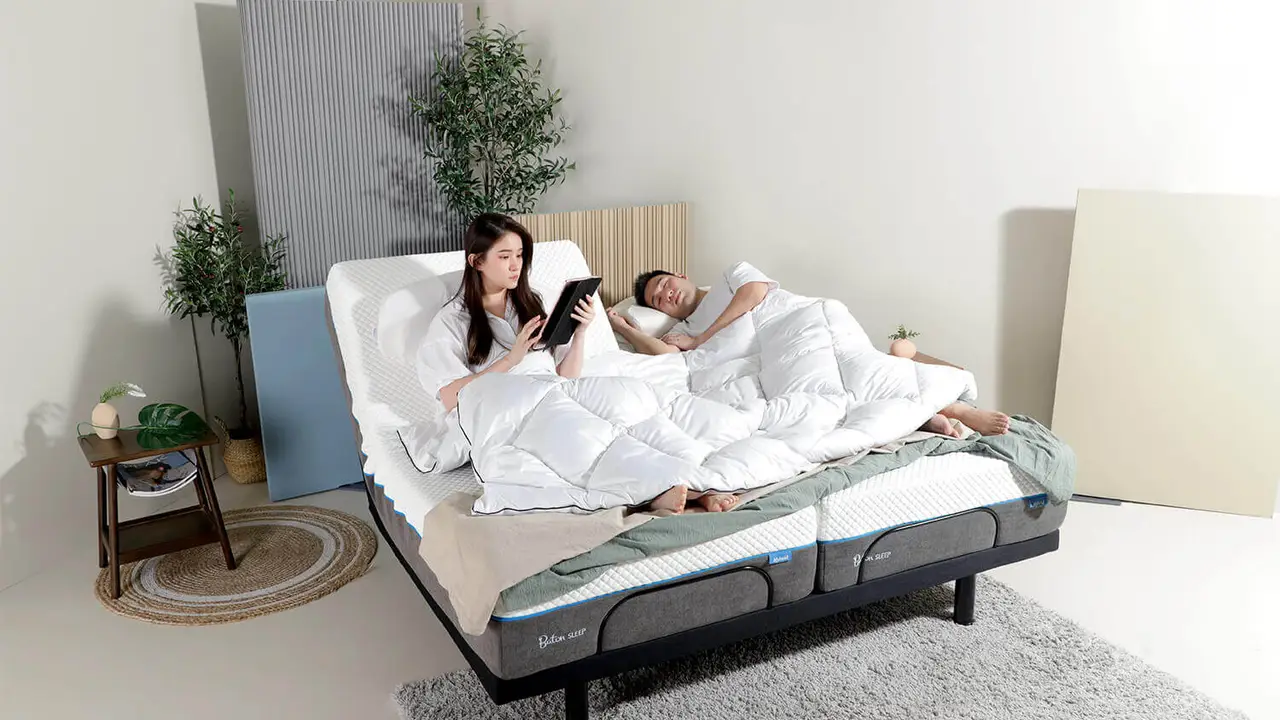
Your mattress and pillow are crucial for physical comfort and support. An uncomfortable bed can lead to tossing and turning, aches, and poor sleep quality.
- Mattress: Choose one that supports your spine and suits your preferred sleeping position. There's no one-size-fits-all; it's about personal preference.
- Pillow: Your pillow should keep your head and neck in alignment with your spine.
- Bedding: Opt for breathable, comfortable materials like cotton or linen.
Product Recommendations:
- Casper Original Mattress (around $1000-$2000 for a Queen): A popular choice known for its balanced support and comfort, suitable for various sleep positions.
- Tempur-Pedic TEMPUR-Cloud Pillow (around $80-$120): Offers excellent pressure relief and support, especially for side and back sleepers.
Pre-Sleep Routine Winding Down for Rest
Just like babies need a bedtime routine, so do adults! A consistent pre-sleep routine signals to your body that it's time to wind down and prepare for sleep. This helps transition your mind and body from active daytime mode to restful nighttime mode.
Avoid Stimulants and Heavy Meals Before Bed
This one seems obvious, but it's often overlooked. Caffeine and nicotine are stimulants that can stay in your system for hours, making it difficult to fall asleep. Alcohol, while it might initially make you feel drowsy, actually disrupts sleep later in the night, leading to fragmented sleep.
- Caffeine: Try to cut off caffeine intake at least 6-8 hours before bedtime.
- Nicotine: Avoid nicotine products close to bedtime.
- Alcohol: Limit alcohol consumption, especially in the hours leading up to sleep.
- Heavy Meals: Eating a large, heavy meal close to bedtime can cause indigestion and discomfort, making it hard to sleep. Aim to finish eating at least 2-3 hours before bed. If you're hungry, a light, sleep-friendly snack (like a banana or a small bowl of oatmeal) is fine.
Limit Screen Time and Blue Light Exposure
This is a big one in our digital age. The blue light emitted from smartphones, tablets, computers, and even TVs can suppress melatonin production and trick your brain into thinking it's still daytime. This makes it harder to fall asleep and can negatively impact sleep quality.
- Digital Sunset: Aim for a 'digital sunset' at least 1-2 hours before bed. This means no screens.
- Blue Light Filters: If you absolutely must use a screen, enable blue light filters on your devices (Night Shift on iOS, Night Light on Android/Windows).
- Blue Light Blocking Glasses: These can be helpful if you work late or can't avoid screens entirely.
Product Recommendations:
- Swanwick Classic Night Swannies Blue Light Blocking Glasses (around $60-$80): These are specifically designed to block blue light and are popular for their effectiveness.
Relaxing Activities Before Bed
Instead of scrolling through social media, engage in calming activities that promote relaxation:
- Reading: Choose a physical book or an e-reader without a backlit screen.
- Warm Bath or Shower: The drop in body temperature after a warm bath can be sleep-inducing.
- Gentle Stretching or Yoga: Light stretching can release tension.
- Meditation or Deep Breathing: Apps like Calm or Headspace offer guided meditations specifically for sleep.
- Listening to Calming Music or Podcasts: Choose something soothing and non-stimulating.
Product Recommendations:
- Calm App Subscription (around $70/year): Offers guided meditations, sleep stories, and calming music.
- Hatch Restore 2 (around $200): A smart sleep assistant that combines a sound machine, sunrise alarm, and reading light, with guided meditations and sleep stories.
Daytime Habits That Impact Nighttime Sleep
It's not just what you do before bed; your daytime habits play a huge role in your sleep quality too.
Regular Exercise But Not Too Close to Bedtime
Physical activity is fantastic for sleep, helping you fall asleep faster and enjoy deeper sleep. However, timing is key. Exercising too close to bedtime can be stimulating and raise your core body temperature, making it harder to wind down.
- Morning or Afternoon Workouts: Aim to finish vigorous exercise at least 3-4 hours before you plan to sleep.
- Light Evening Activity: Gentle activities like a leisurely walk are usually fine.
Manage Naps Wisely
Naps can be great for a quick energy boost, but long or late-afternoon naps can interfere with nighttime sleep, especially if you have insomnia. If you need to nap, keep it short (20-30 minutes) and early in the afternoon.
Sunlight Exposure for Circadian Rhythm Regulation
Getting natural light exposure, especially in the morning, helps regulate your circadian rhythm. It signals to your body that it's daytime, boosting alertness and helping to set your internal clock for nighttime sleep.
- Morning Walk: Try to get outside for 15-30 minutes shortly after waking up.
- Work Near a Window: If possible, position your workspace near a window.
Stress Management Throughout the Day
Chronic stress and anxiety are major culprits behind sleep problems. Finding healthy ways to manage stress during the day can significantly improve your ability to relax and sleep at night.
- Mindfulness and Meditation: Incorporate short meditation breaks into your day.
- Journaling: Write down worries or to-do lists to get them out of your head.
- Hobbies and Relaxation: Dedicate time to activities you enjoy that help you unwind.
When Sleep Hygiene Isn't Enough Seeking Professional Help
While excellent sleep hygiene is foundational, it's important to recognize that it might not be a complete cure for all sleep disorders. If you've consistently implemented these practices for several weeks or months and are still struggling with significant sleep issues, it's time to consult a healthcare professional or a sleep specialist. Conditions like severe sleep apnea, restless legs syndrome, or chronic insomnia often require medical diagnosis and specific treatments beyond just lifestyle adjustments.
A sleep specialist can conduct tests, such as a sleep study (polysomnography), to accurately diagnose the underlying cause of your sleep problems. They can then recommend targeted therapies, which might include Cognitive Behavioral Therapy for Insomnia (CBT-I), CPAP therapy for sleep apnea, or specific medications. Remember, sleep hygiene is a powerful tool, but it's part of a larger toolkit for managing sleep health. Don't hesitate to seek expert advice if your sleep continues to be a persistent challenge.
:max_bytes(150000):strip_icc()/277019-baked-pork-chops-with-cream-of-mushroom-soup-DDMFS-beauty-4x3-BG-7505-5762b731cf30447d9cbbbbbf387beafa.jpg)