Mindfulness and Meditation for Sleep
Explore mindfulness and meditation techniques to calm your mind for sleep. Reduce anxiety and promote relaxation.

Explore mindfulness and meditation techniques to calm your mind for sleep. Reduce anxiety and anxiety and promote relaxation. In today's fast-paced world, getting a good night's sleep can feel like an elusive dream. Our minds race with to-do lists, worries, and the endless scroll of digital distractions. This constant mental chatter is a primary culprit behind sleepless nights, leaving us feeling exhausted and unrefreshed. But what if there was a way to quiet the noise, to gently guide your mind towards tranquility, and to prepare your body for deep, restorative rest? This is where mindfulness and meditation come in.
Mindfulness and Meditation for Sleep
For centuries, practices like mindfulness and meditation have been revered for their ability to cultivate inner peace and enhance well-being. In recent decades, scientific research has increasingly validated these ancient techniques, particularly their profound impact on sleep quality. This comprehensive guide will delve into the science behind how mindfulness and meditation improve sleep, provide practical techniques you can implement tonight, and recommend specific products and apps to support your journey. We'll also compare different approaches to help you find what resonates best with your unique needs.
The Science Behind Mindfulness and Meditation for Better Sleep Quality
It's not just anecdotal; there's a robust scientific basis for why mindfulness and meditation are so effective for sleep. The core mechanism lies in their ability to regulate the nervous system and alter brainwave activity.
Reducing Stress and Anxiety for Restful Sleep
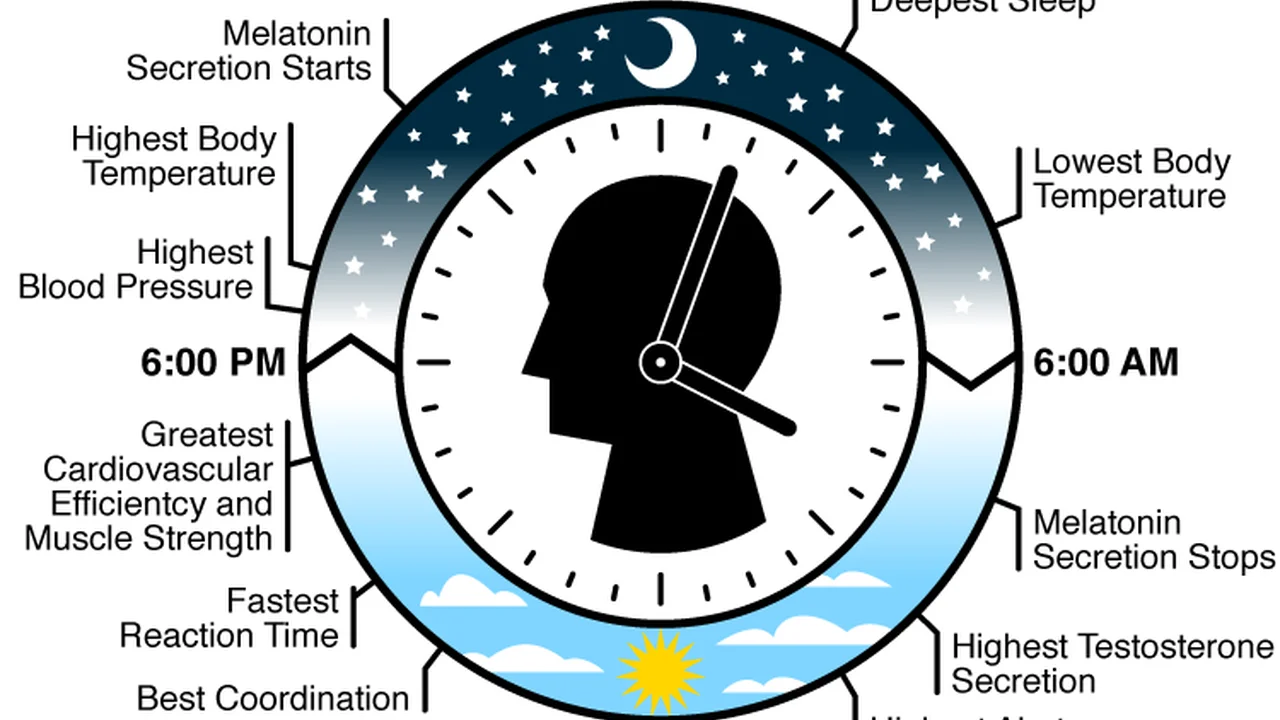
One of the most significant ways mindfulness and meditation help with sleep is by reducing stress and anxiety. When we're stressed, our sympathetic nervous system (the 'fight or flight' response) is activated, flooding our bodies with cortisol and adrenaline. These hormones are designed to keep us alert and ready for action, which is the exact opposite of what we need for sleep. Mindfulness and meditation, however, activate the parasympathetic nervous system (the 'rest and digest' response). This shift lowers heart rate, reduces blood pressure, and decreases the production of stress hormones, creating a physiological state conducive to sleep.
Altering Brainwave Activity for Deeper Sleep Stages
Our brains produce different types of electrical activity, or brainwaves, depending on our state of consciousness. Beta waves are associated with alertness and active thinking, while alpha waves are present during relaxed, wakeful states. Theta waves emerge during deep relaxation and light sleep, and delta waves are characteristic of deep, dreamless sleep. Regular meditation practice has been shown to increase alpha and theta wave activity, making it easier to transition from a busy, beta-wave state to the slower brainwave patterns needed for sleep. Some advanced meditators can even consciously induce delta waves, leading to incredibly deep and restorative sleep.
Improving Sleep Onset Latency and Sleep Efficiency
Sleep onset latency refers to the time it takes to fall asleep. Many people struggle with this, tossing and turning for hours. Mindfulness and meditation help by calming the racing mind, allowing you to drift off more quickly. Sleep efficiency, on the other hand, is the percentage of time you spend actually sleeping while in bed. By reducing awakenings during the night and promoting deeper sleep stages, these practices can significantly improve your overall sleep efficiency, meaning you spend more time in truly restorative sleep.
Practical Mindfulness and Meditation Techniques for Sleep Improvement
You don't need to be a guru to start. Here are some simple yet powerful techniques you can begin practicing tonight.
Mindful Breathing Exercises for Relaxation
This is perhaps the most fundamental and accessible technique. It involves focusing your attention on the sensation of your breath.
- 4-7-8 Breathing: This technique, popularized by Dr. Andrew Weil, is incredibly effective for calming the nervous system. Inhale quietly through your nose for 4 counts, hold your breath for 7 counts, and exhale completely through your mouth with a whoosh sound for 8 counts. Repeat for 3-4 cycles.
- Diaphragmatic Breathing (Belly Breathing): Lie on your back with one hand on your chest and the other on your belly. As you inhale, feel your belly rise, and as you exhale, feel it fall. Focus on making your belly rise more than your chest. This deep breathing stimulates the vagus nerve, which is crucial for activating the parasympathetic nervous system.
Body Scan Meditation for Releasing Tension
A body scan involves systematically bringing your attention to different parts of your body, noticing any sensations without judgment, and consciously releasing tension.
How to do it: Lie comfortably in bed. Close your eyes. Begin by bringing your attention to your toes. Notice any sensations – warmth, coolness, tingling, pressure. If you find tension, imagine your breath flowing into that area and releasing the tension as you exhale. Slowly move your attention up your body: feet, ankles, calves, knees, thighs, hips, abdomen, lower back, upper back, chest, shoulders, arms, hands, neck, face, and finally the top of your head. By the time you reach your head, your entire body should feel deeply relaxed.
Guided Meditations for Sleep Induction
If you find it hard to quiet your mind on your own, guided meditations can be incredibly helpful. A soothing voice leads you through the process, often incorporating imagery, affirmations, or body scans.
Where to find them: Many apps and YouTube channels offer free and paid guided meditations specifically for sleep. We'll recommend some popular options shortly.
Mindful Awareness Before Bedtime
This isn't a formal meditation, but rather a shift in your evening routine. Instead of rushing through your bedtime rituals, bring mindful awareness to them.
- Mindful Shower/Bath: Notice the warmth of the water, the scent of your soap, the sensation of the water on your skin.
- Mindful Brushing Teeth: Pay attention to the taste of the toothpaste, the feel of the brush against your teeth and gums.
- Mindful Reading: If you read before bed, choose a physical book and truly immerse yourself in the story, rather than skimming or multitasking.
Recommended Products and Apps for Sleep Meditation and Mindfulness
To enhance your mindfulness and meditation practice for sleep, several products and apps can be incredibly beneficial. Here's a comparison of some top contenders, including their features, typical usage scenarios, and pricing.
Meditation Apps for Guided Sleep Journeys
These apps offer a vast library of guided meditations, sleep stories, and calming soundscapes.
1. Calm App for Sleep and Relaxation
- Features: Extensive library of sleep stories (narrated by celebrities like Matthew McConaughey), guided meditations for various purposes (including sleep, anxiety, stress), breathing exercises, calming music, and masterclasses on mindfulness.
- Usage Scenario: Ideal for beginners who need guidance, those who enjoy storytelling to drift off, and individuals looking for a comprehensive mindfulness platform.
- Pros: High-quality content, user-friendly interface, wide variety of options.
- Cons: Most premium content requires a subscription.
- Pricing: Free basic content; Premium subscription typically $69.99/year or $399.99 for a lifetime membership.
2. Headspace App for Mindful Sleep
- Features: Focuses on teaching mindfulness and meditation fundamentals. Offers specific sleep meditations, sleepcasts (audio experiences that combine storytelling and soundscapes), and wind-down exercises.
- Usage Scenario: Great for those who want to learn the 'how-to' of meditation, prefer a more structured learning approach, and enjoy a playful, accessible tone.
- Pros: Excellent for learning core meditation skills, engaging animations, clear progression paths.
- Cons: Less emphasis on celebrity narrators for sleep stories compared to Calm.
- Pricing: Free basic content; Premium subscription typically $69.99/year or $349.99 for a lifetime membership.
3. Insight Timer App for Free Meditation Resources
- Features: Boasts the largest free library of guided meditations (over 100,000), sleep music, talks, and courses from thousands of teachers. Includes a customizable meditation timer.
- Usage Scenario: Perfect for those on a budget, experienced meditators who want variety, and anyone looking for a vast selection of teachers and styles.
- Pros: Mostly free content, huge community, diverse range of teachers and topics.
- Cons: Can be overwhelming due to the sheer volume of content; quality varies among free offerings.
- Pricing: Mostly free; Member Plus subscription for offline listening and advanced courses typically $59.99/year.
Wearable Devices for Biofeedback and Sleep Tracking
While not strictly meditation tools, these devices can provide biofeedback that aids relaxation and track sleep patterns, helping you understand the impact of your meditation practice.
1. Muse S Headband for Brain Sensing Meditation
- Features: EEG (electroencephalography) sensors measure brain activity and provide real-time audio feedback during meditation. If your mind wanders, you'll hear stormy weather; when calm, you'll hear peaceful birds. Also offers sleep tracking and guided sleep journeys.
- Usage Scenario: Ideal for those who want objective feedback on their meditation practice, struggle with focus, and are interested in neurofeedback for sleep.
- Pros: Real-time brainwave feedback, helps train focus, comprehensive sleep tracking.
- Cons: Higher price point, requires wearing a headband to bed for sleep tracking.
- Pricing: Around $349.99 - $399.99 for the device; optional subscription for premium content.
2. Oura Ring for Holistic Sleep and Wellness Tracking
- Features: A discreet ring that tracks sleep stages (REM, deep, light), heart rate variability, body temperature, and activity. Provides daily readiness scores and insights. Integrates with some meditation apps.
- Usage Scenario: For those who want comprehensive, passive sleep tracking without wearing a bulky device, and who are interested in understanding their overall physiological readiness.
- Pros: Highly accurate sleep tracking, comfortable to wear, long battery life, provides actionable insights.
- Cons: No direct meditation guidance, requires a monthly subscription after the first month.
- Pricing: Around $299 - $349 for the ring; monthly membership typically $5.99/month.
Smart Sleep Aids and Devices
These devices create an optimal environment for relaxation and sleep, often complementing meditation practices.
1. Hatch Restore 2 for Personalized Sleep Routines
- Features: Combines a sound machine, smart light (sunrise alarm, reading light), and guided meditations/sleep stories. You can program personalized routines for winding down and waking up.
- Usage Scenario: Excellent for creating a consistent bedtime routine, those who prefer an all-in-one bedside device, and individuals sensitive to light and sound.
- Pros: Integrates multiple functions, customizable routines, aesthetically pleasing design.
- Cons: Requires a subscription for full content library, can be pricey.
- Pricing: Around $199.99 for the device; Hatch+ subscription typically $49.99/year.
2. Dodow Sleep Aid Device for Breathing Guidance
- Features: A small puck-shaped device that projects a pulsating blue light onto your ceiling. You synchronize your breathing with the light, which gradually slows down, guiding you into a relaxed state.
- Usage Scenario: For those who struggle with falling asleep due to a racing mind, prefer a visual aid for breathing exercises, and want a simple, non-app solution.
- Pros: Simple to use, effective for breathing regulation, no screens involved.
- Cons: Only focuses on breathing, no other features.
- Pricing: Around $59.99.
Integrating Mindfulness and Meditation into Your Bedtime Routine
Consistency is key when it comes to seeing results from mindfulness and meditation. Here's how to seamlessly weave these practices into your nightly ritual.
Creating a Sacred Sleep Space
Your bedroom should be a sanctuary for sleep. Ensure it's dark, quiet, and cool. Remove distractions like TVs and work materials. This physical environment primes your mind for relaxation.
Establishing a Consistent Wind-Down Routine
About 30-60 minutes before bed, start your wind-down routine. This signals to your body that it's time to prepare for sleep. This could include:
- A warm bath or shower.
- Reading a physical book (avoiding screens).
- Gentle stretching or restorative yoga.
- Listening to calming music or a podcast.
- And, of course, your chosen mindfulness or meditation practice.
Mindful Journaling for Releasing Thoughts
If your mind is buzzing with thoughts, try journaling for 10-15 minutes before your meditation. Write down anything that's on your mind – worries, to-do lists, reflections from the day. This 'brain dump' can help clear your mental space, making it easier to settle into meditation.
Patience and Persistence in Practice
Like any new skill, mindfulness and meditation take practice. Don't get discouraged if your mind wanders initially; that's completely normal. Gently bring your attention back to your breath or the guided meditation. Even a few minutes of practice each night can make a significant difference over time. Be patient with yourself, celebrate small victories, and trust the process.
Common Challenges and Troubleshooting for Sleep Meditation
It's normal to encounter hurdles when starting a new practice. Here are some common challenges and how to navigate them.
Dealing with a Racing Mind During Meditation
This is perhaps the most common complaint. The goal isn't to stop thinking, but to observe your thoughts without getting carried away by them. Imagine your thoughts as clouds passing in the sky – you notice them, but you don't jump on them and ride them away. Gently bring your attention back to your anchor (your breath, a sound, the guided voice).
Finding the Right Meditation Style for You
There are many different types of meditation. If one style doesn't resonate, try another. Some people prefer silent meditation, others thrive with guided visualizations, and some find body scans most effective. Experiment with different apps and teachers until you find what feels right.
Consistency and Motivation for Daily Practice
Life gets busy, and it's easy to skip a night. Try to commit to a minimum amount of time, even if it's just 5-10 minutes. Make it a non-negotiable part of your bedtime routine. Remind yourself of the benefits you're seeking – better sleep, less stress, more peace. You can also use habit trackers or set reminders on your phone.
When to Seek Professional Help for Sleep Issues
While mindfulness and meditation are powerful tools, they are not a substitute for professional medical advice. If you have chronic insomnia, severe sleep apnea, or other persistent sleep disorders, it's crucial to consult a doctor or a sleep specialist. They can diagnose underlying conditions and recommend appropriate treatments, which may include cognitive behavioral therapy for insomnia (CBT-I), a highly effective treatment that often incorporates mindfulness principles.
Embracing mindfulness and meditation for sleep is a journey of self-discovery and self-care. By dedicating a few minutes each day to these practices, you're not just investing in better sleep; you're cultivating a calmer mind, a more resilient spirit, and a deeper connection to your inner peace. Start tonight, and unlock the profound benefits of a truly restful night's sleep.
:max_bytes(150000):strip_icc()/277019-baked-pork-chops-with-cream-of-mushroom-soup-DDMFS-beauty-4x3-BG-7505-5762b731cf30447d9cbbbbbf387beafa.jpg)