Understanding Insomnia Causes and Cures
Delve into the root causes of insomnia and effective treatment strategies. Reclaim your nights with proven solutions.
Delve into the root causes of insomnia and effective treatment strategies. Reclaim your nights with proven solutions.
Understanding Insomnia Causes and Cures
What is Insomnia Understanding Sleep Deprivation
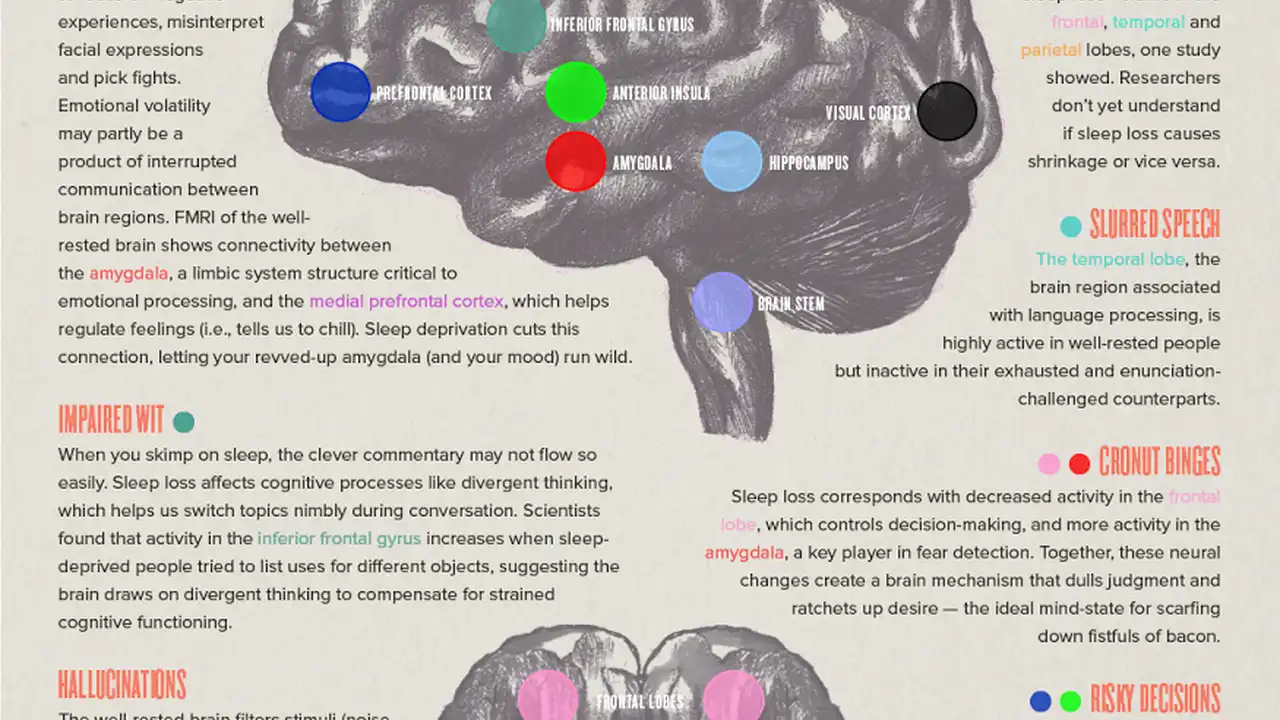
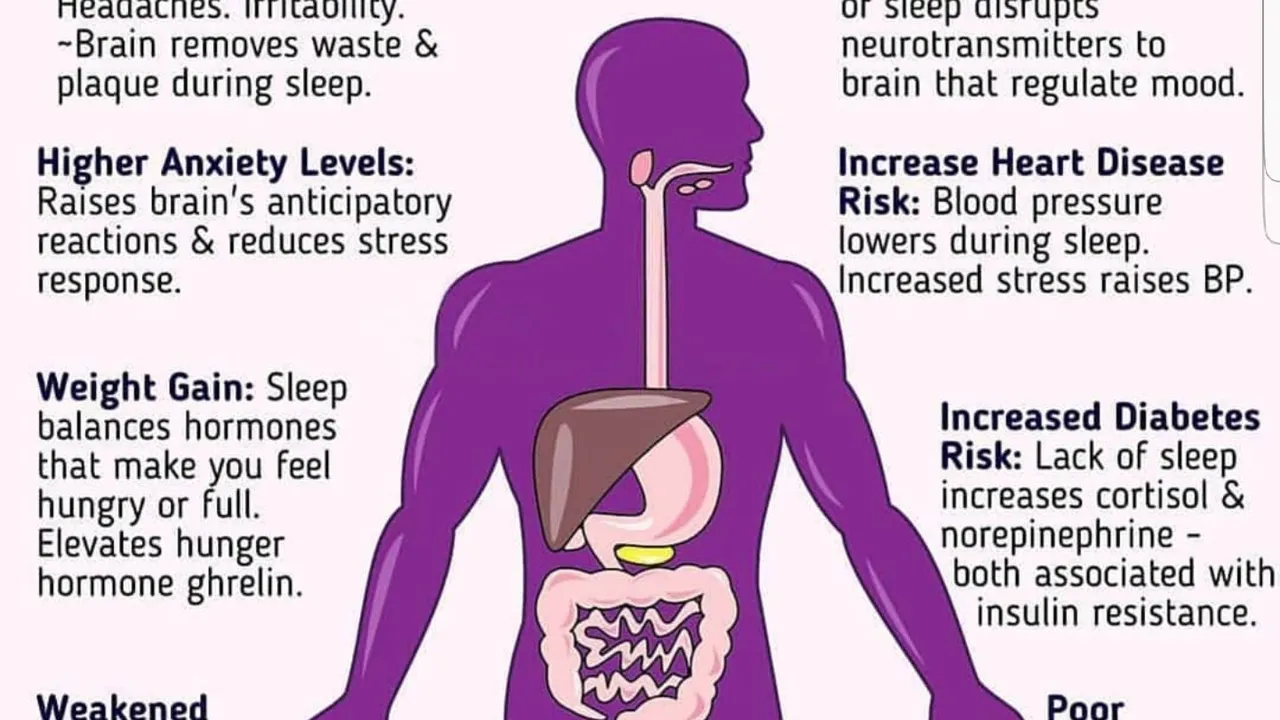
So, you're lying there, staring at the ceiling, watching the hours tick by. Sound familiar? That's insomnia for you – the frustrating inability to fall asleep, stay asleep, or get quality sleep, even when you have the chance. It's not just about feeling tired the next day; chronic insomnia can seriously mess with your mood, energy, health, work performance, and overall quality of life. It's a widespread issue, affecting millions globally, and it's more than just a bad night here and there. We're talking about a persistent problem that leaves you feeling drained and unable to function at your best. Understanding what insomnia truly is, beyond just 'not sleeping,' is the first step to tackling it head-on.
Common Insomnia Causes Why Can't I Sleep
Insomnia isn't usually a standalone issue; it's often a symptom of something else going on. Let's break down some of the most common culprits:
Psychological and Emotional Factors Insomnia and Mental Health
Stress, anxiety, and depression are huge players here. When your mind is racing with worries about work, relationships, finances, or health, it's incredibly hard to switch off. Anxiety can create a vicious cycle: you worry about not sleeping, which makes it harder to sleep, which then makes you more anxious. Depression, too, often disrupts sleep patterns, leading to either excessive sleep or, more commonly, insomnia. Trauma and PTSD can also lead to severe sleep disturbances, as the brain struggles to find peace.
Medical Conditions and Insomnia Chronic Illness Sleep Disruption
A whole host of medical conditions can throw your sleep off kilter. Chronic pain from conditions like arthritis or fibromyalgia can make it impossible to get comfortable. Respiratory problems such as asthma or COPD can cause nighttime awakenings due to breathing difficulties. Heart disease, thyroid issues, gastroesophageal reflux disease (GERD), and neurological disorders like Parkinson's or Alzheimer's can also contribute. Even seemingly minor issues like frequent urination can interrupt sleep.
Lifestyle Habits and Insomnia Sleep Hygiene Mistakes
Your daily habits play a massive role. Irregular sleep schedules, especially with shift work or frequent travel across time zones (hello, jet lag!), confuse your body's internal clock. Napping too much or too late in the day can steal sleep from the night. Consuming caffeine or nicotine too close to bedtime is a definite no-no, as these are stimulants. Alcohol might make you feel drowsy initially, but it fragments sleep later in the night, leading to poor quality rest. Eating heavy meals right before bed can also cause discomfort and indigestion, making sleep elusive. And, of course, excessive screen time before bed, thanks to the blue light emitted from devices, suppresses melatonin production, which is your body's natural sleep hormone.
Medications and Insomnia Drug Induced Sleep Problems
Some prescription and over-the-counter medications can have insomnia as a side effect. These include certain antidepressants, blood pressure medications, allergy medications, corticosteroids, and even some cold and flu remedies that contain decongestants. Always check the side effects of any medication you're taking if you're experiencing sleep issues.
Environmental Factors and Insomnia Bedroom Environment Sleep
Your sleep environment matters more than you think. A bedroom that's too noisy, too bright, too hot, or too cold can make it incredibly difficult to fall and stay asleep. An uncomfortable mattress or pillow can also contribute to restlessness and pain, preventing deep sleep.
Effective Insomnia Treatment Strategies Reclaim Your Nights
The good news is, insomnia is treatable! The best approach often involves a combination of strategies tailored to your specific causes.
Cognitive Behavioral Therapy for Insomnia CBT-I Benefits
This is often considered the gold standard treatment for chronic insomnia. CBT-I isn't just about talking; it's a structured program that helps you identify and replace thoughts and behaviors that cause or worsen sleep problems with habits that promote sound sleep. It typically involves several components:
- Cognitive Restructuring: Challenging and changing negative thoughts about sleep (e.g., 'I'll never sleep again').
- Stimulus Control Therapy: Re-associating your bed with sleep and sex only, and getting out of bed if you can't sleep.
- Sleep Restriction Therapy: Temporarily limiting the time you spend in bed to increase your sleep drive, gradually increasing it as your sleep improves.
- Sleep Hygiene Education: Learning about healthy sleep habits (which we'll cover more below).
- Relaxation Training: Techniques like progressive muscle relaxation, deep breathing, and mindfulness to calm your body and mind.
CBT-I is highly effective and has long-lasting results, often outperforming sleep medications in the long run.
Lifestyle and Behavioral Changes Natural Sleep Aids
These are foundational for good sleep and often the first line of defense:
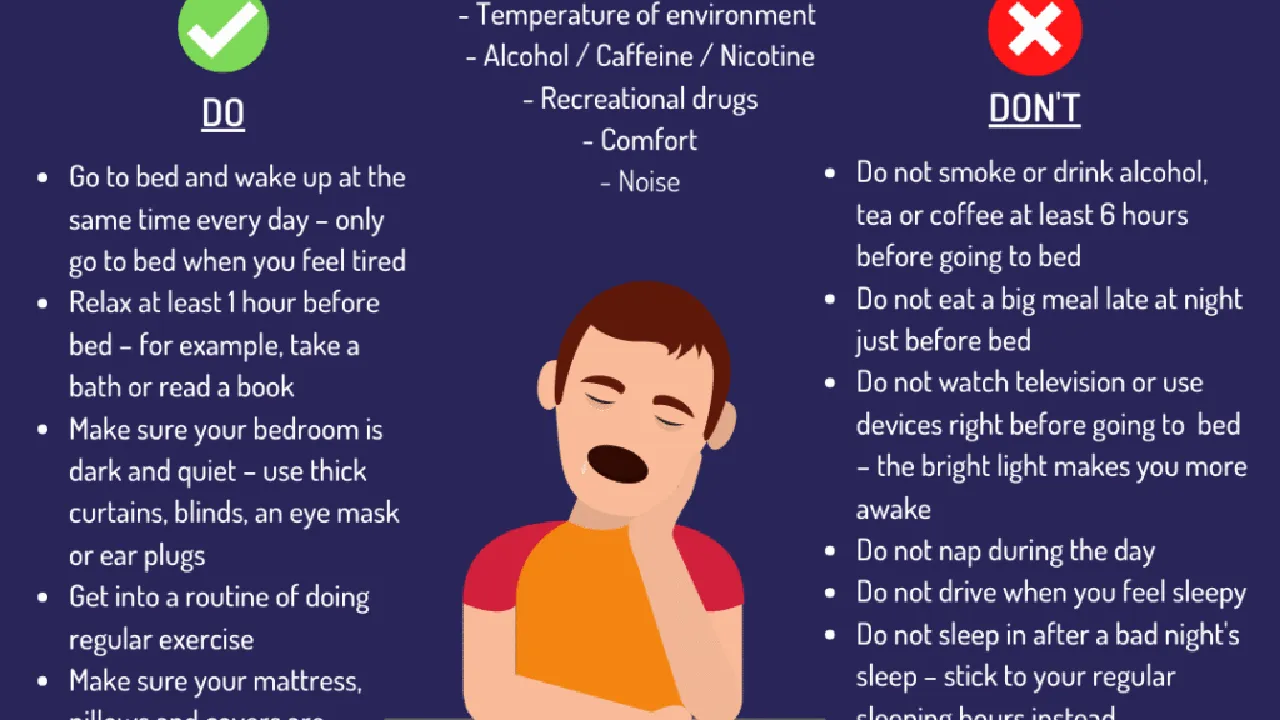
- Consistent Sleep Schedule: Go to bed and wake up at the same time every day, even on weekends. This helps regulate your circadian rhythm.
- Create a Relaxing Bedtime Routine: Wind down for an hour before bed. This could involve a warm bath, reading a book (not on a screen!), listening to calming music, or gentle stretching.
- Optimize Your Sleep Environment: Make your bedroom dark, quiet, and cool. Use blackout curtains, earplugs, or a white noise machine if needed. Ensure your mattress and pillows are comfortable and supportive.
- Limit Stimulants: Cut out caffeine and nicotine several hours before bed. Be mindful of alcohol consumption, especially in the evening.
- Watch Your Diet: Avoid heavy, spicy, or sugary meals close to bedtime.
- Regular Exercise: Physical activity during the day can significantly improve sleep quality, but avoid intense workouts too close to bedtime.
- Manage Stress: Incorporate stress-reducing activities into your day, such as meditation, yoga, or spending time in nature.
Medications for Insomnia Sleep Pills and Prescriptions
While not a long-term solution, sleep medications can be helpful for short-term insomnia or in conjunction with CBT-I. They fall into several categories:
- Hypnotics (Z-drugs): Zolpidem (Ambien), Eszopiclone (Lunesta), Zaleplon (Sonata). These are designed specifically for sleep and are generally prescribed for short periods due to potential for dependence and side effects.
- Benzodiazepines: Lorazepam (Ativan), Temazepam (Restoril). Older sleep medications, also carry risks of dependence and withdrawal.
- Melatonin Receptor Agonists: Ramelteon (Rozerem). Works by targeting melatonin receptors, helping to regulate the sleep-wake cycle. Less risk of dependence.
- Antidepressants with Sedative Effects: Trazodone, Doxepin. Sometimes prescribed off-label for sleep, especially if depression is also present.
- Over-the-Counter Sleep Aids: Often contain antihistamines (like diphenhydramine). These can cause daytime drowsiness and other side effects, and aren't recommended for long-term use.
Always consult a doctor before taking any sleep medication. They can have side effects, interactions with other drugs, and aren't suitable for everyone.
Alternative and Complementary Therapies Holistic Sleep Solutions
Many people find relief through alternative approaches:
- Melatonin Supplements: Your body's natural sleep hormone. Can be helpful for jet lag or shift work, or for people whose natural melatonin production is low. Dosage varies, start low.
- Valerian Root: A popular herbal supplement with mild sedative properties.
- Chamomile Tea: A classic calming beverage.
- Acupuncture: Some studies suggest it can improve sleep quality.
- Yoga and Tai Chi: Gentle practices that combine physical movement with mindfulness, promoting relaxation.
Always discuss supplements and alternative therapies with your doctor, especially if you're on other medications.
Recommended Products for Insomnia Relief Sleep Aids and Gadgets
Beyond medications and therapy, certain products can significantly enhance your sleep environment and routine. Here are a few categories and specific recommendations:
White Noise Machines and Sound Machines Best Sleep Sound Devices
These can mask disruptive noises and create a consistent, soothing soundscape.
- LectroFan High Fidelity White Noise Machine:
- Description: Offers 20 unique non-looping fan sounds and white noise variations. It's compact and great for travel.
- Use Case: Ideal for blocking out street noise, noisy neighbors, or creating a consistent background sound for focus and sleep.
- Comparison: Unlike apps that might loop, LectroFan generates dynamic, non-repeating sounds, which many find less distracting.
- Price: Around $50-$60 USD.
- Hatch Restore 2:
- Description: More than just a sound machine, it's a smart sleep assistant with a sunrise alarm, guided meditations, and a vast library of sleep sounds and stories.
- Use Case: Perfect for creating a comprehensive bedtime routine, from winding down with meditations to waking up gently with simulated sunrise.
- Comparison: Offers a much broader range of features than a basic white noise machine, integrating light and guided content.
- Price: Around $199 USD.
Blackout Curtains and Sleep Masks Darkening Your Bedroom
Essential for blocking out light, especially if you live in a city or have early morning sun.
- NICETOWN Blackout Curtains:
- Description: Triple weave fabric effectively blocks 85-99% of light and reduces noise. Available in various sizes and colors.
- Use Case: For bedrooms that get too much external light, ensuring complete darkness for melatonin production.
- Comparison: Known for their effectiveness and affordability compared to custom blackout solutions.
- Price: Varies by size, typically $20-$50 USD per panel.
- MZOO Sleep Eye Mask:
- Description: Contoured design ensures no pressure on the eyes, allowing for blinking. Made from soft, breathable material.
- Use Case: Great for travel, napping, or if your curtains aren't quite enough. Provides total darkness without discomfort.
- Comparison: Superior to flat masks as it doesn't press on your eyelids, making it more comfortable for extended wear.
- Price: Around $10-$15 USD.
Weighted Blankets Anxiety and Sleep
Provide deep pressure stimulation, which can be calming and reduce anxiety.
- Gravity Blanket:
- Description: One of the original and most popular weighted blankets, designed to be about 10% of your body weight. Comes with a removable, washable cover.
- Use Case: For individuals struggling with anxiety, restlessness, or simply seeking a more comforting sleep experience.
- Comparison: High-quality construction and even weight distribution set it apart from cheaper alternatives.
- Price: Around $150-$250 USD, depending on size and weight.
- YnM Weighted Blanket:
- Description: A more budget-friendly option with good reviews, offering various weights and sizes. Uses glass beads for weight.
- Use Case: A great entry-level weighted blanket for those wanting to try the benefits without a huge investment.
- Comparison: Offers similar benefits to higher-end brands at a more accessible price point, though material quality might differ slightly.
- Price: Around $40-$80 USD.
Smart Lighting for Sleep Circadian Rhythm Lighting
Lights that can change color temperature to support your circadian rhythm.
- Philips Hue White and Color Ambiance Smart Bulbs:
- Description: These smart bulbs can be programmed to emit warm, amber light in the evenings (reducing blue light) and brighter, cooler light in the mornings.
- Use Case: Creating a sleep-friendly lighting environment that cues your body for sleep and wakefulness. Can be integrated into smart home routines.
- Comparison: A leading brand in smart lighting, offering reliable connectivity and a wide range of customization.
- Price: Around $40-$50 USD per bulb (requires a Hue Bridge for full functionality, which is an additional cost).
Aromatherapy Diffusers and Essential Oils Sleep Scents
Certain scents can promote relaxation and sleep.
- ASAKUKI 500ml Essential Oil Diffuser:
- Description: A popular ultrasonic diffuser with a large capacity, multiple mist modes, and a timer. Can also function as a humidifier.
- Use Case: Dispersing calming essential oils like lavender, chamomile, or frankincense into your bedroom air before sleep.
- Comparison: Good balance of capacity, features, and price compared to smaller or more basic diffusers.
- Price: Around $25-$35 USD.
- NOW Solutions Lavender Essential Oil:
- Description: 100% pure lavender oil, known for its calming and relaxing properties.
- Use Case: Add a few drops to your diffuser, a warm bath, or dilute with a carrier oil for topical application before bed.
- Comparison: A reputable brand offering high-quality, affordable essential oils.
- Price: Around $10-$15 USD for a 1 oz bottle.
When to Seek Professional Help for Insomnia Sleep Doctor Consultation
If you've tried lifestyle changes and over-the-counter remedies without success, or if your insomnia is significantly impacting your daily life, it's time to see a healthcare professional. This could be your primary care doctor, who might then refer you to a sleep specialist. A sleep specialist can conduct a thorough evaluation, which might include a sleep study (polysomnography) to rule out underlying sleep disorders like sleep apnea or restless legs syndrome. They can also guide you through CBT-I or discuss appropriate medication options.
Remember, sleep is not a luxury; it's a fundamental pillar of health. Taking proactive steps to address insomnia is one of the best investments you can make in your overall well-being. You deserve a good night's sleep, and with the right strategies and support, you can reclaim your nights and wake up feeling refreshed and ready to take on the day.
:max_bytes(150000):strip_icc()/277019-baked-pork-chops-with-cream-of-mushroom-soup-DDMFS-beauty-4x3-BG-7505-5762b731cf30447d9cbbbbbf387beafa.jpg)