The Role of Hormones in Sleep
Examine how key hormones like melatonin and cortisol regulate your sleep. Learn to balance hormones for improved sleep quality.
Examine how key hormones like melatonin and cortisol regulate your sleep. Learn to balance hormones for improved sleep quality.
The Role of Hormones in Sleep
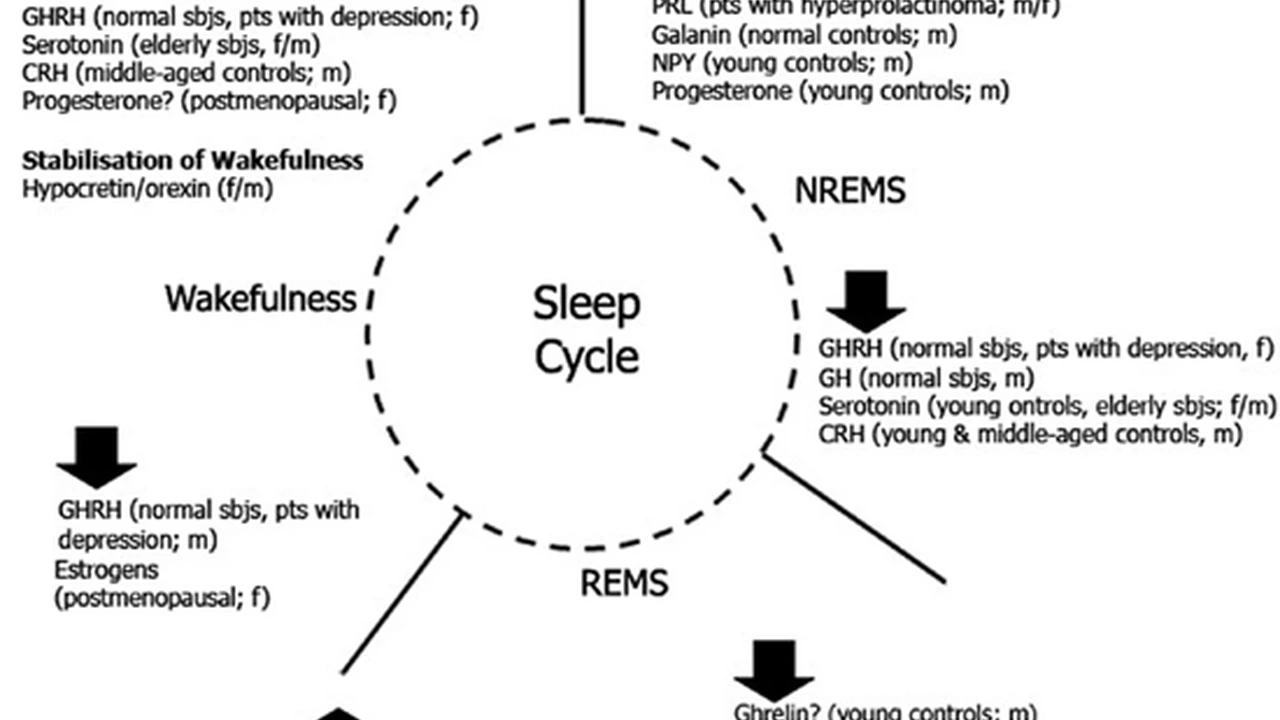
Hey there, ever wondered why sometimes you just can't seem to fall asleep, or why you wake up feeling groggy even after a full night's rest? A lot of it boils down to a complex interplay of hormones in your body. These tiny chemical messengers play a massive role in regulating your sleep-wake cycle, mood, energy levels, and pretty much every other bodily function. Understanding how they work, and more importantly, how to keep them balanced, can be a game-changer for your sleep quality.
Melatonin Your Sleep Inducer Hormone
Let's kick things off with the superstar of sleep: melatonin. Often called the 'sleep hormone,' melatonin is primarily produced by your pineal gland, a tiny gland located deep within your brain. Its main job is to signal to your body that it's nighttime and time to wind down. As darkness falls, your pineal gland starts pumping out more melatonin, making you feel drowsy and ready for bed. Conversely, exposure to light, especially blue light from screens, can suppress melatonin production, which is why staring at your phone before bed is a big no-no for good sleep.
So, how can you optimize your natural melatonin production? First off, embrace darkness in the evenings. Dim the lights in your home a couple of hours before bed. Consider using amber-tinted glasses if you absolutely must use screens. Secondly, establish a consistent sleep schedule. Going to bed and waking up at the same time every day, even on weekends, helps regulate your circadian rhythm, which in turn supports healthy melatonin release. Some people also consider melatonin supplements, especially for jet lag or shift work. However, it's always best to consult a doctor before starting any supplement, as dosages and individual responses can vary widely.
Cortisol The Stress Hormone and Sleep
Next up, we have cortisol, often dubbed the 'stress hormone.' While it gets a bad rap, cortisol is essential for many bodily functions, including regulating your metabolism, reducing inflammation, and helping you respond to stress. Ideally, cortisol levels should be highest in the morning, giving you that 'get up and go' energy, and gradually decline throughout the day, reaching their lowest point at night to allow for sleep. However, chronic stress can lead to elevated cortisol levels, especially in the evening, making it incredibly difficult to relax and fall asleep.
Think about it: if your body thinks it's constantly in a 'fight or flight' situation, it's going to keep those cortisol levels high, keeping you alert and wired. This is a major reason why stress and anxiety are huge culprits behind insomnia. To manage cortisol for better sleep, focus on stress reduction techniques. This could include mindfulness meditation, deep breathing exercises, yoga, or even just spending time in nature. Limiting caffeine and alcohol, especially in the afternoon and evening, can also help, as both can spike cortisol levels. Regular, moderate exercise is also beneficial, but avoid intense workouts too close to bedtime.
Serotonin The Precursor to Melatonin and Mood
While not directly a sleep hormone, serotonin is a crucial player because it's a precursor to melatonin. This neurotransmitter is often associated with feelings of well-being and happiness. Adequate serotonin levels during the day are vital for healthy melatonin production at night. Low serotonin can lead to mood disorders like depression and anxiety, which are often linked to sleep problems.
How do you boost serotonin naturally? Exposure to natural sunlight, especially in the morning, is a big one. Regular exercise, a diet rich in tryptophan (an amino acid found in foods like turkey, eggs, nuts, and seeds), and stress management all contribute to healthy serotonin levels. Think of it as setting the stage for good sleep throughout your day.
Growth Hormone and Deep Sleep
Human Growth Hormone (HGH) is another hormone that has a significant relationship with sleep, particularly deep sleep (NREM stage 3). The majority of HGH is released during this deepest stage of sleep. HGH is crucial for cell repair, muscle growth, bone strength, and overall physical recovery. If you're not getting enough deep sleep, your body isn't producing enough HGH, which can impact your physical health and recovery.
To maximize HGH release, prioritize getting sufficient deep sleep. This means ensuring you have a comfortable sleep environment, avoiding stimulants before bed, and maintaining a consistent sleep schedule. Regular exercise, especially strength training, can also stimulate HGH release, but again, time your workouts appropriately.
Thyroid Hormones and Sleep Disturbances
Your thyroid gland produces hormones that regulate your metabolism, energy levels, and body temperature. Both an overactive thyroid (hyperthyroidism) and an underactive thyroid (hypothyroidism) can significantly impact sleep. Hyperthyroidism can lead to insomnia, anxiety, and night sweats due to an overstimulated metabolism. Hypothyroidism, on the other hand, can cause excessive daytime sleepiness, fatigue, and even sleep apnea due to a slowed metabolism.
If you suspect a thyroid imbalance, it's crucial to consult a doctor. They can perform blood tests to check your thyroid hormone levels and recommend appropriate treatment, which could involve medication to regulate your thyroid function. Addressing the underlying thyroid issue is key to resolving associated sleep problems.
Estrogen and Progesterone Hormones in Women's Sleep
For women, estrogen and progesterone play a significant role in sleep quality, especially during different life stages like menstruation, pregnancy, and menopause. Estrogen helps regulate serotonin and melatonin production and can have a calming effect. Progesterone also has sedative properties and can promote relaxation.
During menopause, declining estrogen and progesterone levels can lead to hot flashes, night sweats, and increased insomnia. Similarly, hormonal fluctuations during the menstrual cycle can impact sleep. Managing these hormonal shifts often involves lifestyle adjustments, and in some cases, hormone replacement therapy (HRT) might be considered under medical supervision. Lifestyle changes like maintaining a cool bedroom, avoiding spicy foods before bed, and stress reduction can help mitigate some of these symptoms.
Testosterone and Sleep in Men
While often associated with male characteristics, testosterone also plays a role in sleep for both men and women. Low testosterone levels in men have been linked to sleep disturbances, including insomnia and sleep apnea. Conversely, poor sleep can also lead to lower testosterone levels, creating a vicious cycle.
Maintaining healthy testosterone levels involves a balanced diet, regular exercise (especially strength training), adequate sleep, and stress management. If low testosterone is suspected, a doctor can perform tests and discuss potential treatments, which might include lifestyle changes or testosterone replacement therapy.
Practical Steps to Balance Your Hormones for Better Sleep
So, how do you put all this knowledge into action? Here are some actionable steps to help balance your hormones and improve your sleep:
- Prioritize Sleep Hygiene: This is foundational. Stick to a consistent sleep schedule, create a dark, quiet, and cool bedroom, and avoid screens before bed.
- Manage Stress: Incorporate stress-reducing activities into your daily routine. This could be meditation, yoga, deep breathing, or even just reading a book.
- Eat a Balanced Diet: Focus on whole, unprocessed foods. Include sources of tryptophan (for serotonin/melatonin), healthy fats, and plenty of fruits and vegetables. Avoid excessive sugar, refined carbs, and processed foods, which can disrupt hormone balance.
- Regular Exercise: Aim for moderate exercise most days of the week. Time your workouts appropriately – avoid intense exercise too close to bedtime.
- Get Sunlight Exposure: Spend time outdoors, especially in the morning, to help regulate your circadian rhythm and boost serotonin.
- Limit Stimulants and Depressants: Cut back on caffeine and alcohol, especially in the afternoon and evening.
- Stay Hydrated: Drink plenty of water throughout the day, but reduce fluid intake closer to bedtime to avoid nighttime bathroom trips.
- Consult a Professional: If you suspect a hormonal imbalance or persistent sleep issues, don't hesitate to see a doctor or an endocrinologist. They can provide personalized advice and treatment.
Recommended Products for Hormonal Sleep Support
While lifestyle changes are paramount, certain products can complement your efforts in balancing hormones for better sleep. Remember, these are aids, not magic bullets, and always consult a healthcare professional before introducing new supplements or devices, especially if you have underlying health conditions.
Melatonin Supplements Best Brands and Usage
Melatonin supplements can be helpful for short-term sleep issues like jet lag, shift work adjustment, or occasional insomnia. They signal to your body that it's time to sleep. Dosage is crucial; often, less is more. Start with a low dose (0.5mg to 3mg) about 30-60 minutes before bed.
1. Nature Made Melatonin 3mg Tablets
- Description: A widely available and trusted brand known for its purity and quality. These are simple, effective tablets.
- Usage Scenario: Ideal for those new to melatonin or looking for a consistent, low dose. Good for occasional use or to help reset sleep cycles.
- Comparison: Less expensive than many liquid or gummy options, and no added sugars.
- Price: Approximately $8-$15 for 120-200 tablets.
2. NOW Foods Melatonin 3mg Veg Capsules
- Description: Another reputable brand offering vegetarian capsules. Known for being free from common allergens.
- Usage Scenario: Suitable for vegetarians and those with sensitivities to certain additives.
- Comparison: Similar efficacy to Nature Made, often preferred by those seeking cleaner ingredients.
- Price: Approximately $10-$18 for 90-180 capsules.
3. Olly Sleep Gummy with Melatonin L-Theanine Chamomile
- Description: A popular gummy option that combines melatonin with L-Theanine (for relaxation) and botanicals like chamomile and lemon balm.
- Usage Scenario: Great for those who dislike pills or want added relaxation benefits. The taste is generally well-received.
- Comparison: More expensive per dose than plain tablets, but offers a multi-ingredient approach.
- Price: Approximately $15-$20 for 50-70 gummies.
Light Therapy Lamps for Circadian Rhythm Regulation
Light therapy lamps, or 'happy lamps,' can be incredibly effective for regulating your circadian rhythm, especially if you struggle with morning grogginess or seasonal affective disorder (SAD). Exposure to bright light in the morning helps suppress melatonin and boost cortisol and serotonin, signaling to your body that it's daytime.
1. Philips SmartSleep Wake-up Light HF3520
- Description: This device simulates a natural sunrise, gradually increasing light intensity before your alarm time. It also includes natural sounds and an FM radio.
- Usage Scenario: Excellent for those who struggle to wake up in dark mornings or want a gentler wake-up experience. Helps regulate morning cortisol release.
- Comparison: Higher price point due to advanced features and brand reputation, but offers a comprehensive wake-up solution.
- Price: Approximately $80-$120.
2. Verilux HappyLight Full-Size 10,000 Lux
- Description: A dedicated light therapy lamp providing 10,000 lux of full-spectrum, UV-filtered light. Compact and easy to use.
- Usage Scenario: Ideal for direct light therapy sessions, especially for SAD or resetting circadian rhythms. Use for 20-30 minutes in the morning.
- Comparison: More affordable than the Philips wake-up light if you only need the light therapy function.
- Price: Approximately $40-$60.
Stress Management Devices for Cortisol Reduction
Reducing stress is key to lowering evening cortisol. While meditation and exercise are primary, some devices can aid in relaxation.
1. Muse 2 The Brain Sensing Headband
- Description: This headband uses EEG sensors to provide real-time audio feedback on your brain activity, heart rate, breathing, and body movements during meditation.
- Usage Scenario: Perfect for those looking to deepen their meditation practice and gain objective insights into their relaxation levels. Helps train your brain to calm down.
- Comparison: A premium device with a higher cost, but offers unique biofeedback capabilities for serious meditation practitioners.
- Price: Approximately $200-$250.
2. Dodow Sleep Aid Device
- Description: A small device that projects a pulsating blue light onto your ceiling. You synchronize your breathing with the light, which gradually slows down, guiding you into a relaxed state.
- Usage Scenario: Excellent for those who struggle with racing thoughts at bedtime or need a simple, guided breathing exercise to fall asleep.
- Comparison: Much simpler and more affordable than Muse, focusing solely on breathing regulation.
- Price: Approximately $60-$80.
Supplements for Serotonin and Relaxation Support
While diet is primary, some supplements can support serotonin production or general relaxation, indirectly aiding sleep.
1. L-Tryptophan or 5-HTP Supplements
- Description: L-Tryptophan is an essential amino acid that converts to 5-HTP, which then converts to serotonin. 5-HTP is a direct precursor to serotonin.
- Usage Scenario: Can be considered if dietary intake of tryptophan is low or if serotonin levels are suspected to be low. Always consult a doctor due to potential interactions with other medications.
- Comparison: 5-HTP is often considered more potent than L-Tryptophan as it bypasses one conversion step.
- Price: Approximately $15-$30 for 60-120 capsules (depending on dosage and brand).
2. Magnesium Glycinate Supplements
- Description: Magnesium is a mineral involved in over 300 bodily reactions, including nerve and muscle function. Magnesium glycinate is a highly absorbable form that is less likely to cause digestive upset.
- Usage Scenario: Many people are magnesium deficient. It helps relax muscles and calm the nervous system, which can indirectly aid sleep and reduce stress.
- Comparison: Better absorbed and less laxative than other forms like magnesium citrate or oxide.
- Price: Approximately $15-$25 for 90-120 capsules.
Remember, the journey to balanced hormones and better sleep is a holistic one. It involves understanding your body, making consistent lifestyle choices, and sometimes, strategically using supportive products. Listen to your body, be patient, and don't hesitate to seek professional guidance when needed. Sweet dreams!
:max_bytes(150000):strip_icc()/277019-baked-pork-chops-with-cream-of-mushroom-soup-DDMFS-beauty-4x3-BG-7505-5762b731cf30447d9cbbbbbf387beafa.jpg)