Delve into the brainwave patterns of sleep spindles and K-complexes. Understand their role in sleep protection and memory.
Delve into the brainwave patterns of sleep spindles and K-complexes. Understand their role in sleep protection and memory.
Sleep Spindles and K-Complexes Explained
Understanding Sleep Brainwaves The Basics
Ever wondered what your brain is up to when you're deep in slumber? It's not just 'off.' Far from it! Your brain is incredibly active, orchestrating a symphony of electrical signals that manifest as brainwaves. These brainwaves change throughout the different stages of sleep, and two particularly fascinating patterns are sleep spindles and K-complexes. They might sound like something out of a sci-fi movie, but they're crucial for a good night's rest and even for how well you remember things the next day.
Think of your brain as a bustling city. During the day, it's a hive of activity, with lots of different signals firing. At night, the city doesn't shut down; it just changes its rhythm. Sleep spindles and K-complexes are like special events or security measures that happen during this nighttime shift, ensuring everything runs smoothly and safely.
What are Sleep Spindles and Their Role in Memory Consolidation
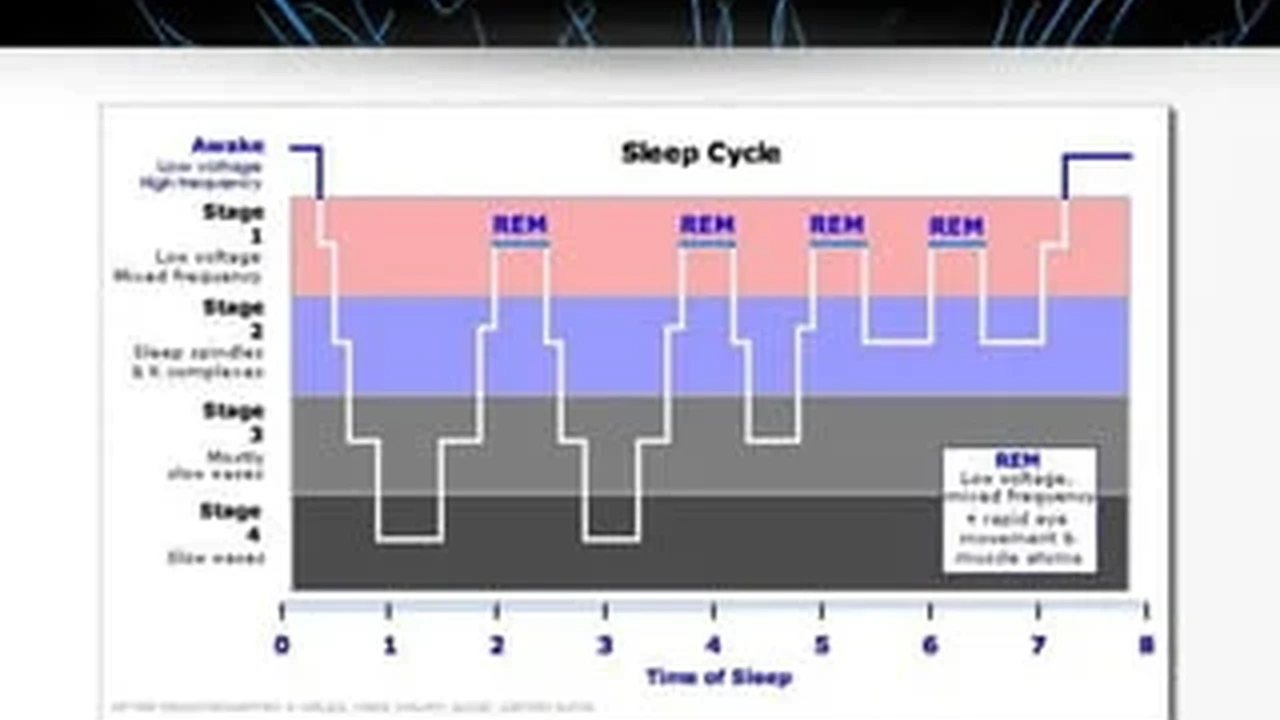
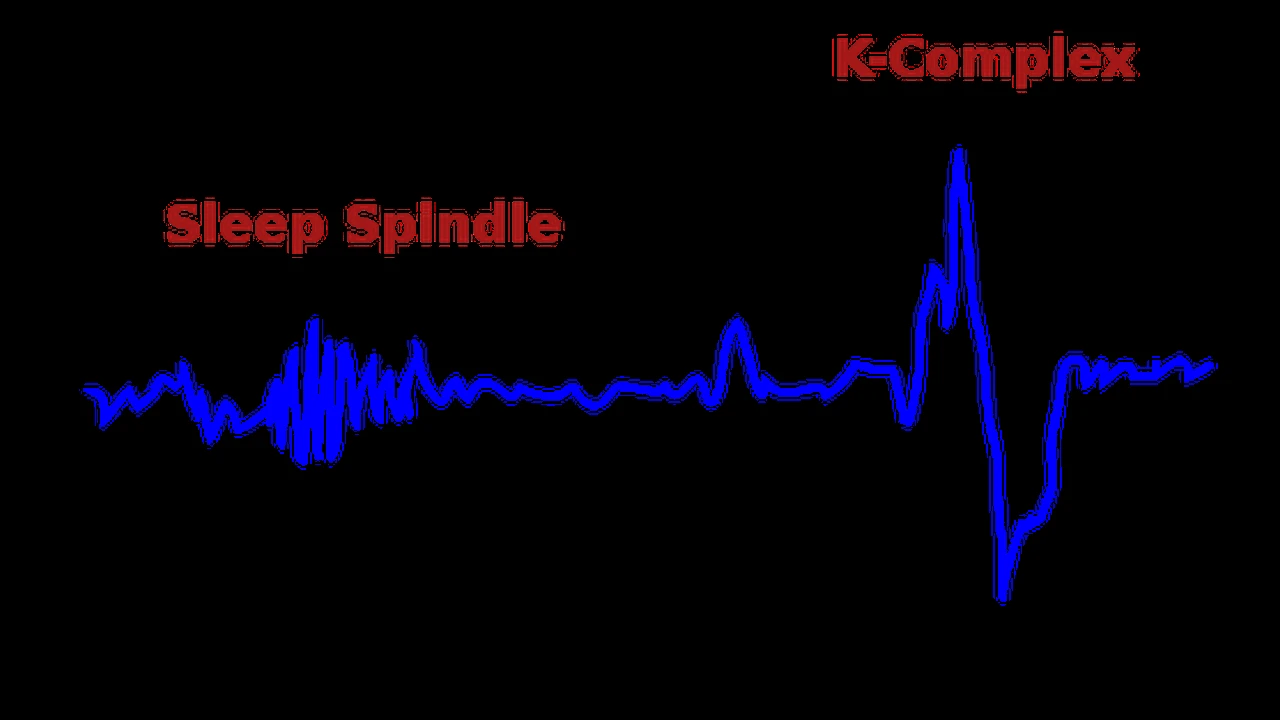
Let's talk about sleep spindles first. Imagine a short, rapid burst of brain activity, like a quick flurry of notes on a piano. That's a sleep spindle. These are characteristic of Stage 2 NREM (Non-Rapid Eye Movement) sleep, which is often the longest stage of our sleep cycle. You're not quite in deep sleep yet, but you're definitely not awake.
The Science Behind Sleep Spindles Brain Activity
Sleep spindles are generated in the thalamus, a part of your brain that acts like a relay station for sensory information. From there, they spread to the cortex, the outer layer of your brain responsible for higher-level thinking. They typically last for about 0.5 to 3 seconds and have a frequency of 11-16 Hz. While that might sound technical, what's important is what they *do*.
Sleep Spindles and Learning Enhancing Memory
One of the most exciting roles of sleep spindles is their connection to memory consolidation. This is the process where your brain takes new information learned during the day and converts it into long-term memories. Think about studying for an exam. You might cram a lot of facts into your head. It's during sleep, particularly Stage 2 NREM with its abundant sleep spindles, that your brain actually 'files away' that information, making it more accessible later.
Research has shown a direct correlation between the number and density of sleep spindles and an individual's ability to recall newly learned information. So, the more spindles you have, the better your memory might be! This is why getting enough quality sleep is so vital for students and anyone in a learning environment.
Protecting Sleep From External Stimuli
Beyond memory, sleep spindles also play a role in 'sleep protection.' They help to keep you asleep by inhibiting your brain's response to external stimuli. Imagine a sudden noise outside your window. A sleep spindle might act like a 'mute button,' preventing that noise from fully waking you up. This allows for more continuous and restorative sleep.
What are K-Complexes and Their Function in Arousal Suppression
Now, let's shift our focus to K-complexes. These are another unique brainwave pattern found primarily in Stage 2 NREM sleep. Unlike the rapid bursts of spindles, K-complexes are large, slow waves that stand out against the background brain activity. They look like a sudden, dramatic dip and then rise in the brainwave tracing.
The Characteristics of K-Complexes Brain Response
K-complexes are the largest events in a healthy human EEG (electroencephalogram) during sleep. They typically last for about 0.5 to 1.5 seconds. They can occur spontaneously, or they can be triggered by external stimuli, like a sudden sound or touch. This dual nature is key to understanding their function.
K-Complexes and Arousal Threshold Maintaining Sleep
One of the primary roles of K-complexes is to suppress cortical arousal in response to external stimuli. In simpler terms, they help your brain decide whether a sound or sensation is important enough to wake you up. If it's not a threat, the K-complex helps to 'shut down' the arousal response, allowing you to stay asleep. They act like a gatekeeper, filtering out non-threatening information.
Memory Consolidation and K-Complexes
Interestingly, K-complexes also have a connection to memory consolidation, similar to sleep spindles, though their exact mechanism might differ. Some theories suggest they help to reset the brain's state, preparing it for further processing of memories. They might work in conjunction with sleep spindles to optimize the memory filing process.
The Interplay Between Sleep Spindles and K-Complexes
It's important to understand that sleep spindles and K-complexes don't operate in isolation. They often occur together, particularly in Stage 2 NREM sleep, and are thought to work in concert to achieve optimal sleep quality and cognitive function.
Working Together for Sleep Protection
Imagine a security system for your brain during sleep. K-complexes might be the initial alarm that detects a potential disturbance, and then sleep spindles come in to 'lock down' the system, ensuring you remain asleep. This collaborative effort helps maintain the stability of your sleep, preventing unnecessary awakenings.
Synergy in Memory Processing
Their combined presence is also believed to enhance memory consolidation. While spindles are directly involved in the transfer of memories, K-complexes might provide the necessary 'reset' or 'clean-up' function that allows for efficient memory processing. It's like a well-coordinated team ensuring your brain effectively stores and retrieves information.
Factors Influencing Sleep Spindles and K-Complexes
Several factors can influence the presence and characteristics of sleep spindles and K-complexes. Understanding these can help you optimize your sleep environment and habits.
Age and Brainwave Patterns
Age is a significant factor. As we get older, the density and amplitude of sleep spindles tend to decrease. This might contribute to the changes in sleep patterns often observed in older adults, including more fragmented sleep and potential memory issues.
Medications and Sleep Architecture
Certain medications, particularly sedatives and hypnotics, can alter sleep architecture, including the production of sleep spindles and K-complexes. While some might increase spindle activity, others can suppress it, potentially impacting memory and sleep quality.
Sleep Disorders and Brainwave Abnormalities
Various sleep disorders can affect these brainwave patterns. For instance, individuals with insomnia might exhibit altered spindle activity, and certain neurological conditions can impact K-complex generation. Studying these patterns can sometimes aid in diagnosing and understanding sleep-related issues.
Lifestyle Choices and Sleep Quality
Your lifestyle plays a huge role. Chronic stress, irregular sleep schedules, excessive caffeine or alcohol consumption, and poor sleep hygiene can all negatively impact the healthy generation of sleep spindles and K-complexes, leading to poorer sleep quality and cognitive function.
How to Optimize Your Sleep for Better Spindles and K-Complexes
While you can't directly 'make' your brain produce more spindles or K-complexes, you can create an environment and adopt habits that support healthy sleep architecture, thereby fostering their optimal activity.
Prioritize Consistent Sleep Schedule
Going to bed and waking up at the same time every day, even on weekends, helps regulate your circadian rhythm. A consistent schedule promotes more stable sleep stages, including Stage 2 NREM where spindles and K-complexes are most prevalent.
Create a Conducive Sleep Environment
Your bedroom should be a sanctuary for sleep. This means dark, quiet, and cool. Minimize light exposure, especially blue light from screens, before bed. Use blackout curtains, earplugs, or a white noise machine if needed. A comfortable mattress and pillow are also essential.
Manage Stress Effectively
Chronic stress is a major disruptor of sleep. Incorporate stress-reducing activities into your daily routine, such as meditation, yoga, deep breathing exercises, or spending time in nature. A calmer mind leads to more restful sleep.
Limit Caffeine and Alcohol Intake
Both caffeine and alcohol can significantly interfere with your sleep architecture. Avoid caffeine in the late afternoon and evening. While alcohol might initially make you feel drowsy, it fragments sleep and suppresses REM sleep, ultimately leading to poorer quality rest.
Regular Physical Activity
Regular exercise can improve sleep quality, but timing is key. Avoid intense workouts too close to bedtime, as they can be stimulating. Morning or early afternoon exercise is generally best for promoting better sleep.
Consider Sleep-Enhancing Products and Technologies
While no product directly 'creates' spindles or K-complexes, certain technologies can help optimize your sleep environment, indirectly supporting healthy brainwave activity. Here are a few categories and specific product recommendations:
1. Sleep Trackers and Wearables for Sleep Monitoring
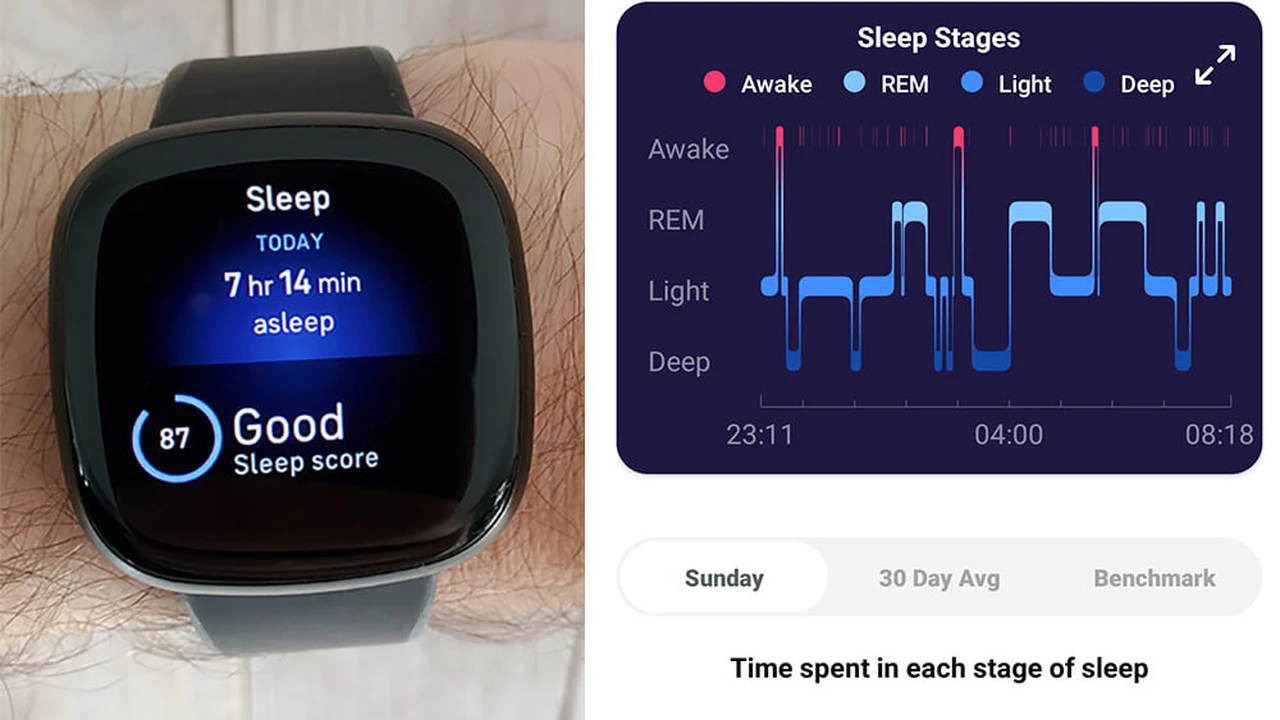
These devices monitor your sleep stages, including light, deep, and REM sleep, and some even attempt to identify sleep spindles and K-complexes (though their accuracy for these specific patterns can vary). By understanding your sleep patterns, you can make informed adjustments to your habits.
* Oura Ring Gen 3: This sleek ring tracks heart rate, HRV, body temperature, and sleep stages with impressive accuracy. It provides daily readiness scores and personalized insights. It's great for those who want detailed data without wearing a bulky watch to bed. Price: ~$299-$399.
* Whoop 4.0: A strap worn on the wrist or bicep, Whoop focuses on recovery, strain, and sleep. It offers detailed sleep stage analysis and coaching based on your physiological data. Ideal for athletes or those serious about recovery. Price: Subscription-based, ~$30/month.
* Apple Watch Series 9 / Samsung Galaxy Watch 6: While not dedicated sleep trackers, these smartwatches offer robust sleep tracking features, including sleep stages, heart rate, and blood oxygen. They are versatile for daily use and provide a good overview of sleep. Price: ~$399-$499.
Comparison: Oura and Whoop are more specialized for sleep and recovery, offering deeper insights. Smartwatches are more general-purpose but provide convenient sleep tracking for everyday users. Accuracy for specific brainwave events like spindles and K-complexes is still a developing area for consumer devices, but they can indicate overall sleep quality and stage progression.
2. Smart Beds and Sleep Systems for Environmental Control
These high-tech beds aim to optimize your sleep environment automatically, which can indirectly support better sleep architecture.
* Eight Sleep Pod 3: This smart mattress cover actively cools and heats your bed, tracks your sleep, and offers a gentle alarm. By maintaining an optimal temperature, it helps you stay in deeper sleep stages. Price: ~$2,000-$3,000 for the cover, plus subscription.
* Sleep Number 360 Smart Bed: These beds allow you to adjust firmness on each side, and some models automatically adjust throughout the night to optimize comfort and support. This can reduce tossing and turning, leading to more stable sleep. Price: ~$2,000-$10,000+ depending on model.
Comparison: Eight Sleep focuses on temperature regulation and active cooling/heating, which is a major factor for sleep quality. Sleep Number emphasizes personalized comfort and support. Both aim to reduce sleep disturbances, creating a more stable environment for brainwave activity.
3. Sound Machines and Light Therapy Devices for Circadian Rhythm Support
These devices help regulate your environment and circadian rhythm, which in turn supports healthy sleep cycles.
* Hatch Restore 2: A smart sleep assistant that combines a sound machine, sunrise alarm, and reading light. It offers guided meditations and white noise to help you fall asleep and wake up gently. Price: ~$199.
* LectroFan Evo: A popular white noise machine offering 22 unique non-looping sounds, including fan sounds and white noise. Excellent for masking disruptive noises and creating a consistent sound environment. Price: ~$50.
* Philips SmartSleep Wake-up Light: Simulates a natural sunrise to gently wake you up, helping to regulate your circadian rhythm. Some models also offer sunset simulations for winding down. Price: ~$100-$200.
Comparison: Hatch Restore is an all-in-one solution for both winding down and waking up. LectroFan is a dedicated, high-quality sound machine. Philips Wake-up Light specifically targets circadian rhythm regulation through light, which is crucial for healthy sleep-wake cycles.
Remember, while these products can be helpful tools, they are best used in conjunction with good sleep hygiene practices. Understanding the fascinating world of sleep spindles and K-complexes gives us a deeper appreciation for the intricate processes happening in our brains every night, working tirelessly to protect our sleep and consolidate our memories.
:max_bytes(150000):strip_icc()/277019-baked-pork-chops-with-cream-of-mushroom-soup-DDMFS-beauty-4x3-BG-7505-5762b731cf30447d9cbbbbbf387beafa.jpg)