Natural Remedies for Sleep Disorders
Identify common sleep disorders in children and their unique challenges. Support healthy sleep development in kids.
Pediatric Sleep Disorders Common Issues
Identify common sleep disorders in children and their unique challenges. Support healthy sleep development in kids.
Hey there, parents! Let's talk about something super important but often overlooked: your child's sleep. Just like adults, kids can suffer from a variety of sleep disorders, and these aren't just minor inconveniences. They can seriously impact a child's development, behavior, and overall health. Understanding these common issues is the first step to helping your little one get the restorative sleep they need. We're going to dive deep into some of the most prevalent pediatric sleep disorders, discuss their unique challenges, and explore how you can support healthy sleep development in your kids. We'll even look at some practical solutions and products that can make a real difference.
Understanding Common Pediatric Sleep Disorders and Their Impact
When we talk about sleep disorders in children, it's not just about a bad night here and there. These are persistent problems that disrupt normal sleep patterns. The impact can be far-reaching, affecting everything from academic performance and mood to physical growth and immune function. Let's break down some of the most common ones you might encounter.
Insomnia in Children Causes and Solutions
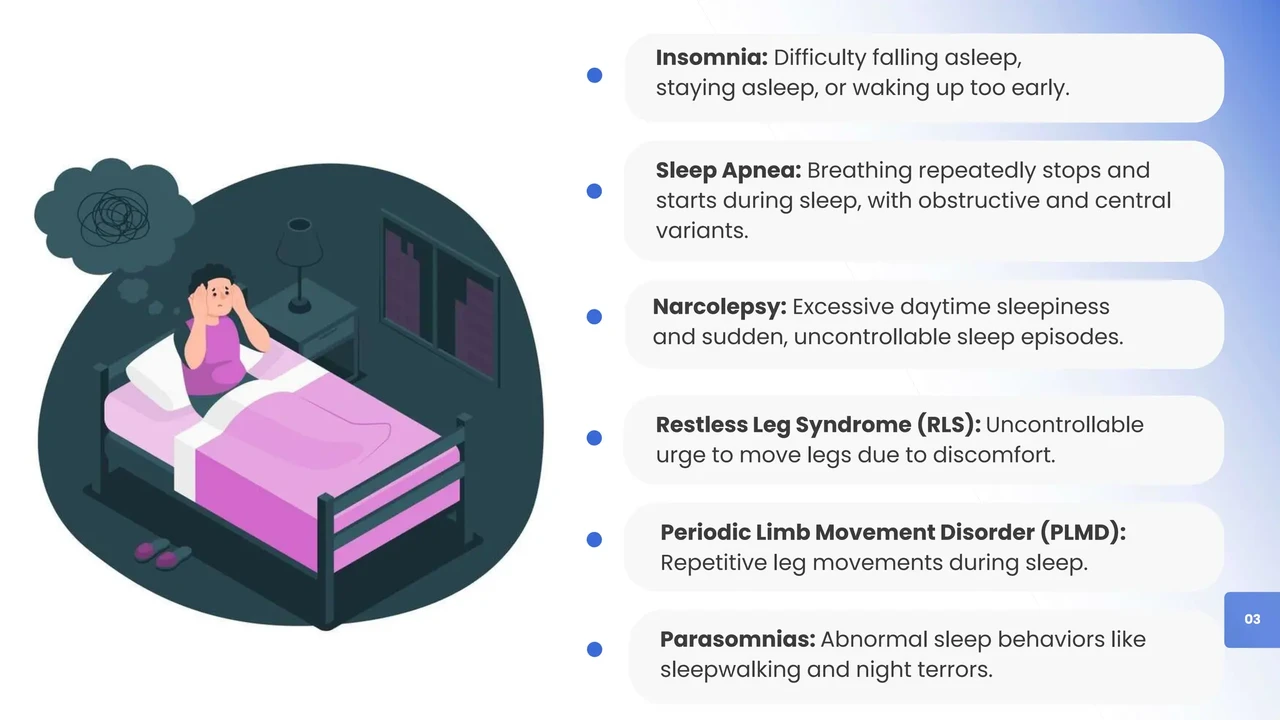
When you hear 'insomnia,' you probably think of adults tossing and turning. But kids can experience it too! Pediatric insomnia often presents as difficulty falling asleep, frequent night awakenings, or early morning awakenings with an inability to go back to sleep. It's more common than you might think, affecting up to 25% of children at some point.
Causes of Pediatric Insomnia:
- Behavioral Insomnia: This is super common and often linked to poor sleep habits. Think about kids who need a parent to lie with them to fall asleep, or those who get too much screen time before bed.
- Medical Conditions: Sometimes, underlying health issues like asthma, eczema, allergies, or even acid reflux can make it hard for a child to sleep comfortably.
- Psychological Factors: Anxiety, stress, or even excitement can keep a child's mind racing, making sleep elusive.
- Medications: Certain medications, like some for ADHD or asthma, can have stimulating effects.
Solutions for Pediatric Insomnia:
- Strict Bedtime Routine: Consistency is key! A predictable routine signals to your child's body that it's time to wind down.
- Optimized Sleep Environment: Make sure their bedroom is dark, quiet, and cool.
- Limit Screen Time: Blue light from screens can suppress melatonin. Aim for no screens at least an hour before bed.
- Behavioral Interventions: For behavioral insomnia, techniques like 'graduated extinction' (controlled crying) or 'fading' (gradually reducing parental presence) can be effective, but always consult a professional.
Pediatric Sleep Apnea Recognizing the Signs
Sleep apnea in children is a serious condition where breathing repeatedly stops and starts during sleep. Unlike adults, where snoring is the main symptom, children with sleep apnea might not always snore loudly. It's often caused by enlarged tonsils and adenoids, but can also be due to obesity or craniofacial abnormalities.
Signs to Look For:
- Loud Snoring: Yes, some kids do snore loudly, but it's often accompanied by gasping or choking sounds.
- Pauses in Breathing: You might notice your child stops breathing for a few seconds, followed by a gasp or snort.
- Restless Sleep: Frequent tossing and turning, or sleeping in unusual positions.
- Daytime Symptoms: Irritability, hyperactivity (often misdiagnosed as ADHD), difficulty concentrating, morning headaches, or excessive daytime sleepiness.
Treatment for Pediatric Sleep Apnea:
The most common treatment is an adenotonsillectomy (removal of tonsils and adenoids). In some cases, especially with obesity, CPAP (Continuous Positive Airway Pressure) therapy might be recommended. Weight management is also crucial for overweight children.
Restless Legs Syndrome in Kids Managing Discomfort
Restless Legs Syndrome (RLS) isn't just an adult problem. Children can experience it too, though they might describe the sensations differently. They might say their legs feel 'wiggly,' 'creepy-crawly,' or 'itchy' deep inside, and the urge to move them is irresistible, especially at night or when resting.
Symptoms in Children:
- Difficulty falling asleep due to leg sensations.
- Frequent leg movements during sleep.
- Daytime irritability or fatigue.
- Sometimes, children might complain of 'growing pains' which are actually RLS.
Management Strategies:
- Iron Supplementation: Low iron levels are often linked to RLS. A doctor might recommend iron supplements.
- Warm Baths or Massages: These can temporarily relieve symptoms.
- Regular Exercise: Moderate exercise can help, but avoid intense exercise close to bedtime.
- Medication: In severe cases, a doctor might prescribe medication, though this is less common for children.
Parasomnias in Children Night Terrors and Sleepwalking
Parasomnias are unusual behaviors that happen during sleep. They're often more distressing for parents than for the child, who usually has no memory of the event. Common ones include night terrors, sleepwalking, and confusional arousals.
Night Terrors: These are different from nightmares. A child experiencing a night terror might scream, thrash, have a rapid heart rate, and appear terrified, but they are not truly awake and won't remember it. They typically occur in the first third of the night during deep non-REM sleep.
Sleepwalking (Somnambulism): This involves walking or performing other complex behaviors while asleep. The child's eyes might be open but glazed over, and they won't respond to questions. It also occurs during deep non-REM sleep.
Confusional Arousals: The child might appear confused, disoriented, and agitated upon waking, often moaning or crying. They usually don't remember the event.
What to Do:
- Ensure Safety: For sleepwalking, make sure the environment is safe (lock doors, remove hazards).
- Don't Wake Them: It's usually best not to wake a child during a night terror or sleepwalking episode, as it can be disorienting and frightening for them. Gently guide them back to bed.
- Address Sleep Deprivation: Parasomnias are often triggered by sleep deprivation. Ensure your child is getting enough sleep.
- Stress Reduction: If stress is a factor, help your child manage it.
Narcolepsy in Children Understanding Excessive Sleepiness
Narcolepsy is a chronic neurological condition characterized by overwhelming daytime sleepiness and sudden attacks of sleep. While rare, it can occur in children and is often misdiagnosed as ADHD or simply laziness.
Key Symptoms:
- Excessive Daytime Sleepiness (EDS): The primary symptom. Children might fall asleep unexpectedly in class, during meals, or while playing.
- Cataplexy: A sudden loss of muscle tone triggered by strong emotions (like laughter or anger), leading to weakness or collapse while remaining conscious. This is less common in children than adults.
- Sleep Paralysis: Temporary inability to move or speak when falling asleep or waking up.
- Hypnagogic Hallucinations: Vivid, dream-like experiences that occur while falling asleep.
Diagnosis and Management:
Diagnosis involves a sleep study (polysomnogram) and a Multiple Sleep Latency Test (MSLT). Management often includes scheduled naps, good sleep hygiene, and sometimes stimulant medications to manage EDS or antidepressants for cataplexy.
Supporting Healthy Sleep Development Practical Tips and Products
Beyond understanding the disorders, what can you actually do to help your child? A lot! Creating a sleep-friendly environment and establishing consistent routines are foundational. Let's look at some practical tips and specific products that can be game-changers.
Creating an Optimal Sleep Environment for Kids
The bedroom should be a sanctuary for sleep. Think of it as a cave: dark, quiet, and cool. This isn't just about comfort; it's about signaling to the brain that it's time to produce melatonin and wind down.
- Darkness: Even a sliver of light can disrupt melatonin production.
- Quiet: Minimize external noise.
- Cool Temperature: The ideal range is usually between 60-67°F (15-19°C).
- Comfortable Bedding: A good mattress and breathable sheets are essential.
Recommended Products for a Better Sleep Environment:
1. Blackout Curtains for Complete Darkness
These are non-negotiable, especially for kids who are sensitive to light or during summer months when the sun sets late. They block out almost all external light, creating a truly dark sleep space.
- Product Recommendation: NICETOWN Blackout Curtains
- Description: These are widely popular for their effectiveness. They come in various sizes and colors, are thermal insulated (which helps with temperature regulation), and are easy to install. They use a triple weave fabric technology to block light and reduce noise.
- Use Case: Perfect for nurseries, kids' bedrooms, or any room where you need to create pitch-black conditions for naps or nighttime sleep. Great for shift-working parents too!
- Comparison: Compared to cheaper, single-layer curtains, NICETOWN offers superior light blocking and durability. Some brands might offer slightly better thermal insulation, but NICETOWN strikes a great balance of price and performance.
- Estimated Price: $25 - $60 per panel, depending on size.
2. White Noise Machines for Consistent Sound
A consistent, soothing sound can mask disruptive noises from inside or outside the house, helping your child fall asleep faster and stay asleep longer. It's also great for creating a familiar sleep cue, especially when traveling.
- Product Recommendation: Hatch Rest+ Sound Machine Night Light & Time-to-Rise
- Description: This isn't just a white noise machine; it's a multi-functional device. It combines a sound machine, night light, and time-to-rise alarm. You can control it from your phone, customize programs, and even use it as an audio monitor. It offers a wide range of sounds, from white noise to lullabies.
- Use Case: Ideal for infants, toddlers, and young children. The time-to-rise feature is fantastic for teaching older kids when it's okay to get out of bed, preventing early morning wake-ups.
- Comparison: While more expensive than basic white noise machines like the Dohm, the Hatch Rest+ offers significantly more features and smart connectivity. For parents looking for an all-in-one solution, it's a strong contender.
- Estimated Price: $90 - $130.
3. Comfortable and Supportive Mattresses for Growing Bodies
A good mattress is crucial for spinal alignment and overall comfort, especially for growing bodies. It can prevent aches and pains that might disrupt sleep.
- Product Recommendation: Newton Baby Crib Mattress (for infants/toddlers) or Zinus Green Tea Memory Foam Mattress (for older kids)
- Description (Newton Baby): This mattress is 100% breathable, washable, and provides just the right firmness for infants and toddlers. It's designed to reduce the risk of suffocation and overheating.
- Use Case (Newton Baby): Perfect for cribs and toddler beds, ensuring a safe and comfortable sleep surface for the youngest ones.
- Comparison (Newton Baby): Stands out for its breathability and washability compared to traditional foam or spring mattresses. While pricier, the safety and hygiene benefits are significant.
- Estimated Price (Newton Baby): $250 - $350.
- Description (Zinus Green Tea): A popular, affordable memory foam mattress that offers medium-firm support. It's infused with green tea extract to help keep it fresh. Comes compressed in a box, easy to set up.
- Use Case (Zinus Green Tea): Excellent for older children transitioning to a twin or full-size bed. Provides good pressure relief and support without being too soft.
- Comparison (Zinus Green Tea): Offers great value for money compared to more expensive memory foam brands. While it might not have the same longevity as premium mattresses, it's a solid choice for a child's bed.
- Estimated Price (Zinus Green Tea): $150 - $300 depending on size.
Establishing Consistent Bedtime Routines and Sleep Hygiene
This is probably the most powerful tool in your sleep arsenal. A consistent routine signals to your child's body that it's time to wind down and prepare for sleep. It helps regulate their internal clock.
- Predictable Sequence: Bath, pajamas, brush teeth, story, cuddles, bed. The order doesn't matter as much as the consistency.
- Wind-Down Activities: Avoid stimulating activities like rough play or screen time in the hour leading up to bed. Opt for quiet reading, puzzles, or gentle conversation.
- Consistent Bedtime and Wake Time: Even on weekends, try to stick to a similar schedule. This helps regulate their circadian rhythm.
- Limit Caffeine and Sugar: Especially in the afternoon and evening.
Addressing Behavioral Aspects of Sleep
Many pediatric sleep issues have a behavioral component. This is where patience and consistency really pay off.
- Positive Reinforcement: Praise and reward good sleep habits. Use sticker charts for older kids.
- Setting Boundaries: Be firm but loving about bedtime rules. Avoid giving in to 'one more story' or 'one more drink' requests repeatedly.
- Managing Night Wakings: For younger children, a quick check-in without too much interaction can be effective. For older children, encourage them to self-soothe.
When to Seek Professional Help for Your Child's Sleep
While many sleep issues can be managed at home with good sleep hygiene, there are times when you absolutely should consult a healthcare professional. Don't hesitate if:
- Your child's sleep problems are persistent and severe.
- They are affecting your child's daytime functioning (mood, behavior, school performance).
- You suspect a medical condition like sleep apnea or RLS.
- You've tried various strategies without success.
A pediatrician is a great first stop. They can rule out underlying medical conditions and refer you to a pediatric sleep specialist if needed. These specialists have specific training in diagnosing and treating sleep disorders in children.
Advanced Considerations and Emerging Solutions for Pediatric Sleep
Beyond the basics, the field of pediatric sleep is constantly evolving. Let's touch on some more advanced considerations and innovative approaches that are gaining traction.
The Role of Diet and Nutrition in Children's Sleep
What your child eats can significantly impact their sleep. It's not just about avoiding sugar before bed; it's about a balanced diet that supports overall health and sleep regulation.
- Tryptophan-Rich Foods: Tryptophan is an amino acid that helps produce serotonin and melatonin. Foods like turkey, chicken, eggs, cheese, nuts, and seeds are good sources.
- Magnesium: This mineral is crucial for muscle relaxation and nerve function. Leafy greens, nuts, seeds, and whole grains are good sources.
- Complex Carbohydrates: These can help with tryptophan absorption. Think whole-grain bread or oatmeal.
- Avoid Heavy Meals Before Bed: Digestion can interfere with sleep.
- Hydration: Ensure adequate hydration throughout the day, but limit fluids close to bedtime to prevent night wakings for bathroom breaks.
Mindfulness and Relaxation Techniques for Anxious Sleepers
For children whose sleep is disrupted by anxiety or an overactive mind, teaching relaxation techniques can be incredibly beneficial. These aren't just for adults!
- Deep Breathing Exercises: Simple exercises like 'belly breathing' can calm the nervous system. Teach your child to breathe in slowly, feeling their belly rise, and exhale slowly.
- Guided Imagery: Encourage your child to imagine a peaceful place or a calming scenario. There are many apps and audio recordings designed for kids.
- Progressive Muscle Relaxation: Tensing and then relaxing different muscle groups can help children become aware of tension and release it.
- Mindfulness Apps for Kids:
- Product Recommendation: Calm Kids or Headspace for Kids
- Description: These apps offer guided meditations, sleep stories, and mindfulness exercises specifically tailored for children. They use engaging narratives and gentle voices to help kids relax and fall asleep.
- Use Case: Ideal for children aged 3+ who struggle with bedtime anxiety, an overactive mind, or just need help winding down. Can be used as part of the bedtime routine.
- Comparison: Both offer similar features, with Calm often praised for its extensive library of sleep stories and Headspace for its structured meditation courses. Many offer free trials.
- Estimated Price: Subscription-based, typically $10-15/month or $70-100/year.
The Impact of Screen Time and Blue Light on Children's Sleep
We touched on this earlier, but it bears repeating and expanding. The blue light emitted from screens (phones, tablets, computers, TVs) can significantly disrupt melatonin production, making it harder for children to fall asleep and affecting sleep quality.
- Melatonin Suppression: Blue light signals to the brain that it's daytime, even if it's late at night.
- Mental Stimulation: Engaging content can keep a child's mind active, making it difficult to wind down.
- Recommendations:
- No Screens 1-2 Hours Before Bed: This is a golden rule.
- Blue Light Filters: If screens must be used, enable blue light filters on devices or use blue light blocking glasses.
- Product Recommendation: Swanwick Kids Blue Light Blocking Glasses
- Description: These glasses are specifically designed for children, featuring durable frames and lenses that block a significant portion of blue light. They come in various styles and sizes.
- Use Case: For children who need to use screens for homework or other essential activities in the evening, these glasses can help mitigate the negative effects of blue light on sleep.
- Comparison: While many brands offer blue light glasses, Swanwick is known for its quality and effectiveness in blocking a broad spectrum of blue light, not just a narrow band.
- Estimated Price: $40 - $60.
Understanding the Role of Genetics and Family History in Sleep Disorders
While lifestyle and environment play a huge role, genetics can also predispose children to certain sleep disorders. For example, narcolepsy and restless legs syndrome often have a genetic component. If there's a strong family history of a particular sleep disorder, it's something to keep in mind and discuss with your pediatrician.
The Importance of Regular Physical Activity for Sleep
Physical activity during the day can significantly improve sleep quality at night. It helps regulate the body's natural sleep-wake cycle and can reduce anxiety. However, timing is crucial.
- Daytime Activity: Encourage plenty of active play outdoors during the day.
- Avoid Late-Evening Exercise: Intense physical activity too close to bedtime can be stimulating and make it harder to fall asleep. Aim to finish vigorous exercise at least a few hours before bed.
Addressing Underlying Medical Conditions and Medications
As mentioned, sometimes sleep issues are a symptom of an underlying medical condition. Chronic conditions like asthma, allergies, eczema, or even gastroesophageal reflux disease (GERD) can cause discomfort that disrupts sleep. Similarly, certain medications can have side effects that impact sleep. Always discuss your child's full medical history and any medications they are taking with their doctor when addressing sleep concerns.
Ultimately, supporting healthy sleep development in children is a holistic endeavor. It involves creating a conducive environment, establishing consistent routines, addressing behavioral challenges, and knowing when to seek professional guidance. By being proactive and informed, you can help your child achieve the restorative sleep they need to thrive.
:max_bytes(150000):strip_icc()/277019-baked-pork-chops-with-cream-of-mushroom-soup-DDMFS-beauty-4x3-BG-7505-5762b731cf30447d9cbbbbbf387beafa.jpg)