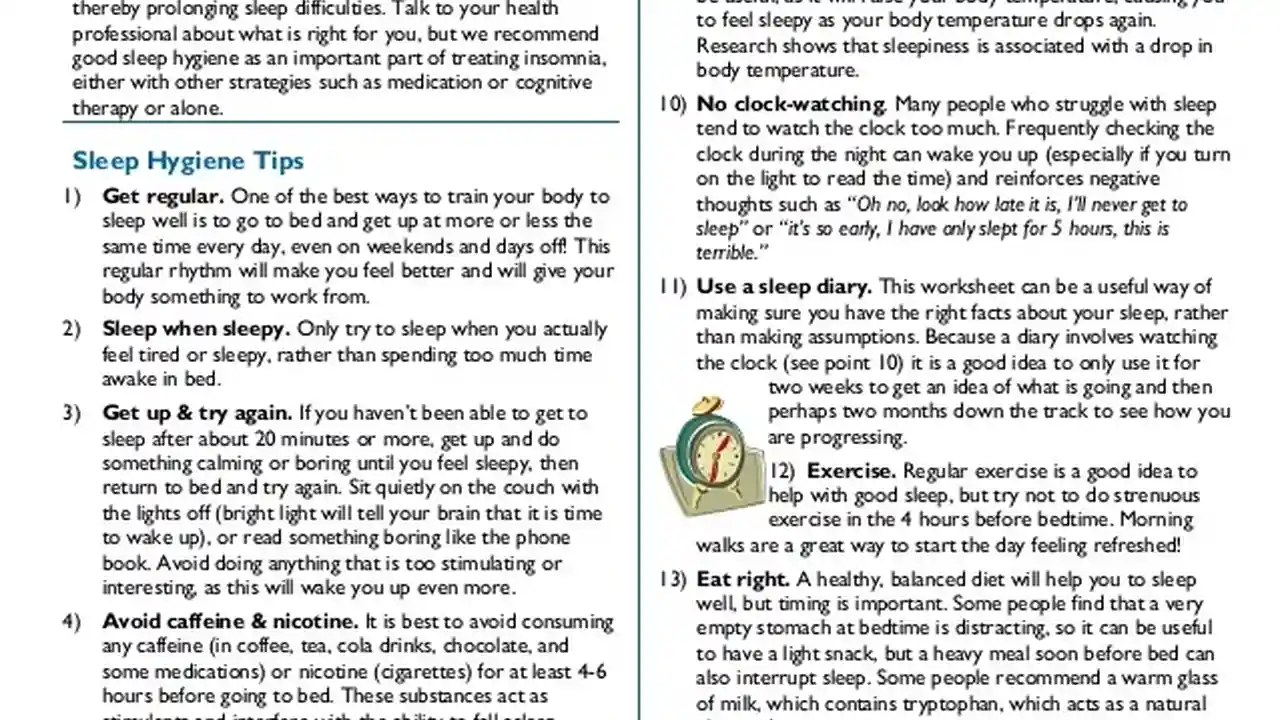
Explore how specific foods and dietary patterns influence your sleep cycles. Eat for better sleep and overall health.
The Link Between Diet and Sleep Cycles
Explore how specific foods and dietary patterns influence your sleep cycles. Eat for better sleep and overall health.
Understanding the Gut Brain Axis and Sleep
Hey there, ever thought about how that late-night snack or your daily coffee habit might be messing with your sleep? It's not just about feeling full or wired; there's a deep connection between what you eat and how well you sleep, often referred to as the gut-brain axis. Your gut isn't just for digestion; it's a powerhouse of neurotransmitters, including serotonin, a precursor to melatonin, the hormone that tells your body it's time to sleep. So, a healthy gut often means a healthier sleep cycle. Let's dive into how different foods and eating habits can either be your sleep's best friend or its worst enemy.
Foods That Promote Restful Sleep Natural Sleep Aids
When it comes to eating for sleep, certain foods are like nature's lullabies. They contain compounds that help your body relax and produce sleep-inducing hormones. Think of them as your secret weapons for a good night's rest.
Tryptophan Rich Foods for Melatonin Production
First up, we have tryptophan. This essential amino acid is a building block for serotonin, which then converts into melatonin. So, loading up on tryptophan-rich foods can give your body a head start on sleep hormone production. What are we talking about? Turkey, chicken, eggs, cheese, nuts (especially almonds and walnuts), seeds (like pumpkin and sesame), and even oats. A small bowl of oatmeal with some nuts before bed? Sounds like a plan.
Magnesium Rich Foods for Muscle Relaxation
Magnesium is another superstar mineral for sleep. It helps relax muscles and calm the nervous system. Many people are actually deficient in magnesium without even knowing it, and that can contribute to restless nights. Good sources include leafy green vegetables (spinach, kale), nuts (almonds, cashews), seeds (pumpkin, chia), legumes, whole grains, and dark chocolate. Yes, dark chocolate! Just don't overdo it with the sugar content.
Complex Carbohydrates for Stable Blood Sugar
While simple carbs can cause blood sugar spikes and crashes, complex carbohydrates provide a steady release of energy, which can help maintain stable blood sugar levels throughout the night. This prevents those annoying awakenings due to hunger or low blood sugar. Think whole grains like brown rice, quinoa, whole-wheat bread, and starchy vegetables like sweet potatoes. Pairing them with a protein source can further stabilize blood sugar.
Cherries and Tart Cherry Juice Natural Melatonin Sources
Here's a fun one: tart cherries! They are one of the few natural food sources of melatonin. Studies have shown that consuming tart cherry juice can improve sleep quality and duration. If you're struggling with sleep, a glass of tart cherry juice an hour or two before bed might be worth a try. Look for unsweetened varieties to avoid excess sugar.
Fatty Fish Omega 3s for Brain Health and Sleep
Fatty fish like salmon, mackerel, and sardines are packed with Omega-3 fatty acids, particularly DHA and EPA. These are crucial for brain health and can influence sleep-regulating hormones. They also contain Vitamin D, which plays a role in sleep regulation. Aim for a couple of servings a week.
Foods and Drinks to Avoid Before Bed Sleep Disruptors
Just as some foods help, others hinder. Knowing what to steer clear of, especially in the hours leading up to bedtime, is just as important.
Caffeine The Obvious Sleep Killer
This one's a no-brainer, right? Caffeine is a stimulant that blocks adenosine, a chemical that promotes sleepiness. Its effects can last for hours, so that afternoon coffee or evening tea might be keeping you up. General advice is to cut off caffeine intake at least 6-8 hours before your planned bedtime. For some sensitive individuals, even earlier might be necessary.
Alcohol The Deceptive Sleep Aid
Many people think alcohol helps them sleep because it can make you feel drowsy. However, it severely disrupts sleep architecture, particularly REM sleep, and can lead to fragmented sleep later in the night. You might fall asleep faster, but the quality of that sleep will be poor, leaving you feeling unrested. Best to avoid alcohol, especially in the few hours before bed.
Heavy Fatty and Spicy Foods Indigestion and Discomfort
Eating a large, heavy, fatty, or spicy meal close to bedtime can lead to indigestion, heartburn, and general discomfort, making it hard to fall and stay asleep. Your body is busy digesting instead of winding down. Try to finish your last substantial meal at least 2-3 hours before hitting the hay.
Sugary Snacks and Refined Carbohydrates Blood Sugar Rollercoaster
While complex carbs are good, sugary snacks and refined carbs (like white bread, pastries, candy) cause rapid spikes and then crashes in blood sugar. This rollercoaster can disrupt sleep, especially if you experience a crash in the middle of the night, leading to awakenings.
Optimal Meal Timing and Portion Sizes for Sleep
It's not just what you eat, but when and how much. Timing your meals and controlling portion sizes can significantly impact your sleep quality.
Dinner Timing The Golden Rule
Aim to have your dinner at least 2-3 hours before you plan to go to bed. This gives your body enough time to digest the food, so it's not working overtime when you're trying to relax. If you eat too close to bedtime, your digestive system is still active, which can keep you awake or lead to discomfort.
Avoiding Large Meals Before Bed Digestive Burden
Even if you eat early enough, a massive meal can still be problematic. Large portions put a greater burden on your digestive system. Opt for a lighter dinner, focusing on lean protein, complex carbs, and plenty of vegetables.
Small Healthy Snacks If You Must
If you absolutely must have a snack before bed, keep it small and healthy. Think a banana, a handful of almonds, a small bowl of oatmeal, or a glass of warm milk. These provide a little something without overwhelming your digestive system.
Hydration and Sleep The Water Connection
Staying hydrated is vital for overall health, and yes, it plays a role in sleep too. Dehydration can lead to muscle cramps and discomfort, while over-hydration before bed can lead to frequent bathroom trips.
Balancing Fluid Intake Throughout the Day
Drink plenty of water throughout the day, but start tapering off your fluid intake a couple of hours before bed. This helps prevent those annoying middle-of-the-night bathroom breaks that disrupt your sleep.
Herbal Teas for Relaxation and Sleep Promotion
Certain herbal teas can be a great addition to your pre-sleep routine. Chamomile, valerian root, passionflower, and lavender teas are known for their calming properties. They can help you relax and prepare for sleep without the stimulating effects of regular tea or coffee. Just make sure they are caffeine-free!
Specific Dietary Patterns and Their Impact on Sleep
Beyond individual foods, your overall dietary pattern can have a profound effect on your sleep cycles.
Mediterranean Diet for Overall Health and Sleep
Often hailed as one of the healthiest diets, the Mediterranean diet emphasizes whole, unprocessed foods: fruits, vegetables, whole grains, legumes, nuts, seeds, olive oil, and lean proteins like fish and poultry. This diet is rich in anti-inflammatory compounds and nutrients that support overall health, including sleep. Its focus on balanced nutrition helps stabilize blood sugar and provides essential sleep-supporting nutrients.
Keto Diet and Sleep Initial Adjustments and Long Term Effects
The ketogenic (keto) diet, which is very low in carbs and high in fats, can have varied effects on sleep. Some people report improved sleep and reduced insomnia, possibly due to more stable blood sugar levels. However, others experience initial sleep disturbances, often referred to as 'keto flu' symptoms, including insomnia, as their body adjusts. Long-term effects can vary, and it's important to ensure adequate electrolyte intake to prevent issues that might affect sleep.
Vegan and Vegetarian Diets Ensuring Nutrient Adequacy for Sleep
Vegan and vegetarian diets can be incredibly healthy, but it's crucial to ensure adequate intake of certain nutrients that are more readily available in animal products, such as Vitamin B12, iron, zinc, and Omega-3s. Deficiencies in these can potentially impact sleep. With careful planning and supplementation if necessary, these diets can certainly support good sleep.
Supplements for Sleep When Diet Isn't Enough
Sometimes, even with the best diet, you might need a little extra help. Supplements can bridge nutritional gaps or provide a direct boost to sleep-promoting compounds. Always consult with a healthcare professional before starting any new supplement, especially if you have underlying health conditions or are taking other medications.
Melatonin Supplements Dosage and Timing
Melatonin is the hormone that regulates your sleep-wake cycle. Melatonin supplements can be helpful for short-term sleep issues, like jet lag or adjusting to a new schedule. Typical dosages range from 0.5 mg to 5 mg, taken about 30-60 minutes before bed. It's generally recommended to start with the lowest effective dose. For example, Nature Made Melatonin 3 mg (around $10-$15 for 90 tablets) is a widely available and trusted brand. Another option is NOW Foods Melatonin 3 mg (similar price range), known for its quality ingredients. For a more advanced option, Life Extension Melatonin 6 Hour Timed Release (around $15-$20 for 60 capsules) can help with staying asleep throughout the night.
Magnesium Supplements Different Forms and Benefits
Magnesium supplements can be very effective for muscle relaxation and calming the nervous system. There are various forms, each with slightly different absorption rates and benefits. Magnesium citrate is good for general use and can help with constipation. Magnesium glycinate is often recommended for sleep due to its high bioavailability and calming effects, as it's less likely to cause digestive upset. Magnesium L-threonate is known for its ability to cross the blood-brain barrier, potentially benefiting cognitive function and sleep. For example, Doctor's Best High Absorption Magnesium Glycinate Lysinate (around $15-$20 for 120 tablets) is a popular choice for sleep. Thorne Research Magnesium Bisglycinate (around $25-$30 for 60 capsules) is a premium option known for purity. For a liquid option, Natural Vitality Calm Magnesium Citrate Powder (around $20-$25 for a 16 oz container) is great for mixing into water before bed.
Valerian Root and Chamomile Extracts Natural Sedatives
Valerian root is a popular herbal remedy for insomnia and anxiety. It's believed to increase levels of GABA, a neurotransmitter that helps calm the brain. Chamomile is another well-known herb for relaxation. Both are available in capsule or liquid extract forms. Gaia Herbs Valerian Root (around $15-$20 for 60 capsules) is a reputable brand. For chamomile, Traditional Medicinals Organic Chamomile Tea (around $5-$7 for 16 tea bags) is a simple and effective way to incorporate it. If you prefer a supplement, Nature's Way Chamomile Flower (around $8-$12 for 100 capsules) is an option.
L-Theanine for Relaxation Without Drowsiness
Found primarily in green tea, L-Theanine is an amino acid that promotes relaxation and reduces stress without causing drowsiness. It can help improve sleep quality by calming the mind. It's often taken during the day for anxiety or before bed for sleep. Suntheanine L-Theanine (around $20-$25 for 60 capsules) is a patented form known for its effectiveness. NOW Foods L-Theanine 200 mg (around $15-$20 for 60 capsules) is another solid choice.
5-HTP Serotonin Precursor
5-HTP (5-hydroxytryptophan) is a precursor to serotonin, which then converts to melatonin. It can be helpful for some individuals struggling with sleep, but it's important to use it cautiously and under guidance, especially if you're on antidepressants, as it can interact with other medications. Source Naturals 5-HTP 100 mg (around $15-$20 for 60 tablets) is a common brand.
Practical Tips for Integrating Diet into Your Sleep Routine
Making dietary changes for better sleep doesn't have to be overwhelming. Here are some practical tips to get you started.
Meal Planning for Sleep Friendly Dinners
Plan your dinners in advance to ensure they are sleep-friendly. Focus on lean proteins, complex carbs, and plenty of vegetables. Having a plan reduces the likelihood of resorting to quick, unhealthy options when you're tired.
Keeping a Food and Sleep Diary Identifying Triggers
Start a food and sleep diary. For a week or two, jot down everything you eat and drink, along with your sleep quality. You might start noticing patterns – perhaps that late-night pizza really does mess with your sleep, or that a banana before bed helps you drift off. This personalized insight is invaluable.
Gradual Changes for Sustainable Habits
Don't try to overhaul your entire diet overnight. Small, gradual changes are more sustainable. Start by cutting out caffeine after noon, then try to move your dinner time earlier, or incorporate one sleep-promoting food each week. Consistency is key.
Consulting a Nutritionist or Dietitian Personalized Advice
If you're struggling to make changes or have specific dietary needs or health conditions, consider consulting a registered dietitian or nutritionist. They can provide personalized advice and help you create a meal plan that supports both your overall health and your sleep goals.
The Interconnectedness of Diet Exercise and Sleep
Remember, diet is just one piece of the puzzle. Sleep, diet, and exercise are deeply interconnected. A balanced diet supports energy for exercise, and regular exercise can improve sleep quality. In turn, good sleep helps regulate appetite hormones and gives you the energy to make healthy food choices and exercise. It's a virtuous cycle.
Holistic Approach to Sleep Optimization
Think of your sleep optimization journey as a holistic endeavor. While focusing on diet is crucial, also consider your exercise routine, stress levels, sleep environment, and overall lifestyle. Addressing all these areas together will yield the best results for truly restorative sleep and overall well-being.
:max_bytes(150000):strip_icc()/277019-baked-pork-chops-with-cream-of-mushroom-soup-DDMFS-beauty-4x3-BG-7505-5762b731cf30447d9cbbbbbf387beafa.jpg)