The Impact of Stress on Sleep Cycles
Examine how stress disrupts natural sleep cycles. Implement stress reduction techniques for improved sleep quality.
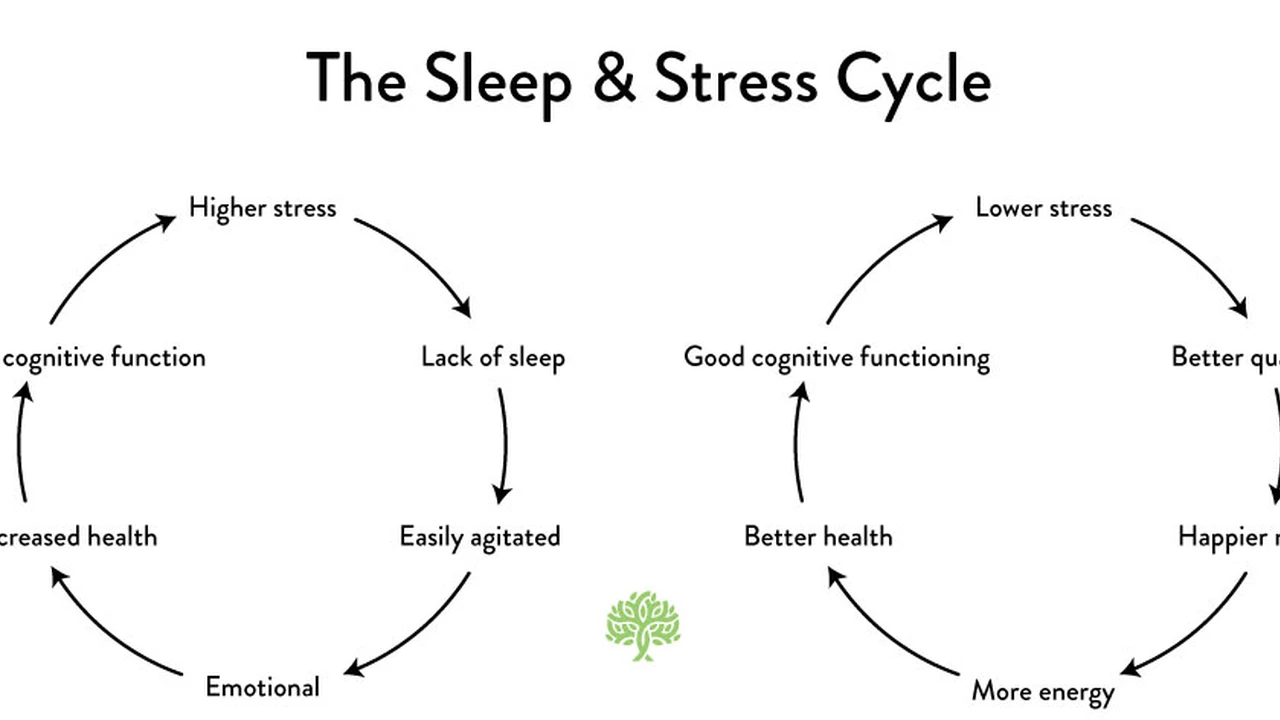
Examine how stress disrupts natural sleep cycles. Implement stress reduction techniques for improved sleep quality.
The Impact of Stress on Sleep Cycles
Understanding the Stress Sleep Connection
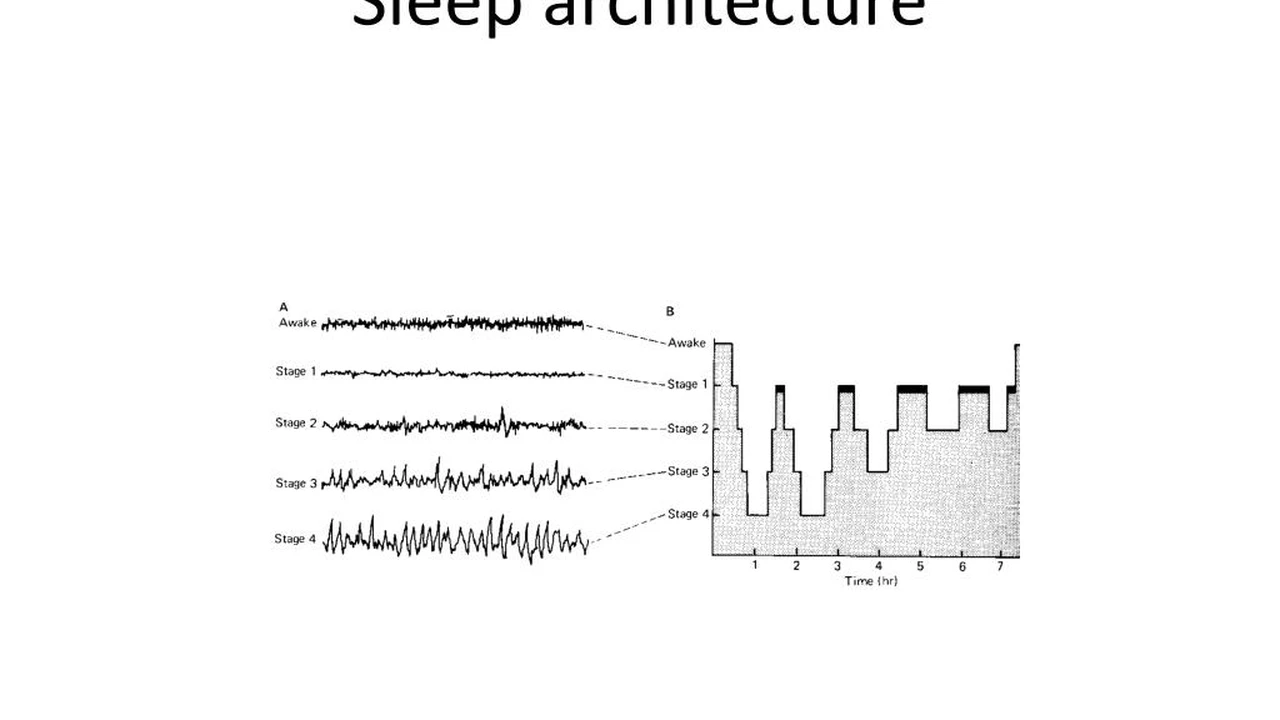
Stress is an unavoidable part of modern life, but its pervasive influence on our sleep cycles is often underestimated. When we experience stress, our bodies activate the 'fight or flight' response, releasing hormones like cortisol and adrenaline. While beneficial in acute situations, chronic elevation of these hormones can wreak havoc on our delicate sleep architecture. This section delves into the physiological mechanisms by which stress interferes with sleep, exploring how it can delay sleep onset, fragment sleep, and reduce the restorative stages of sleep.
Physiological Mechanisms How Stress Disrupts Sleep
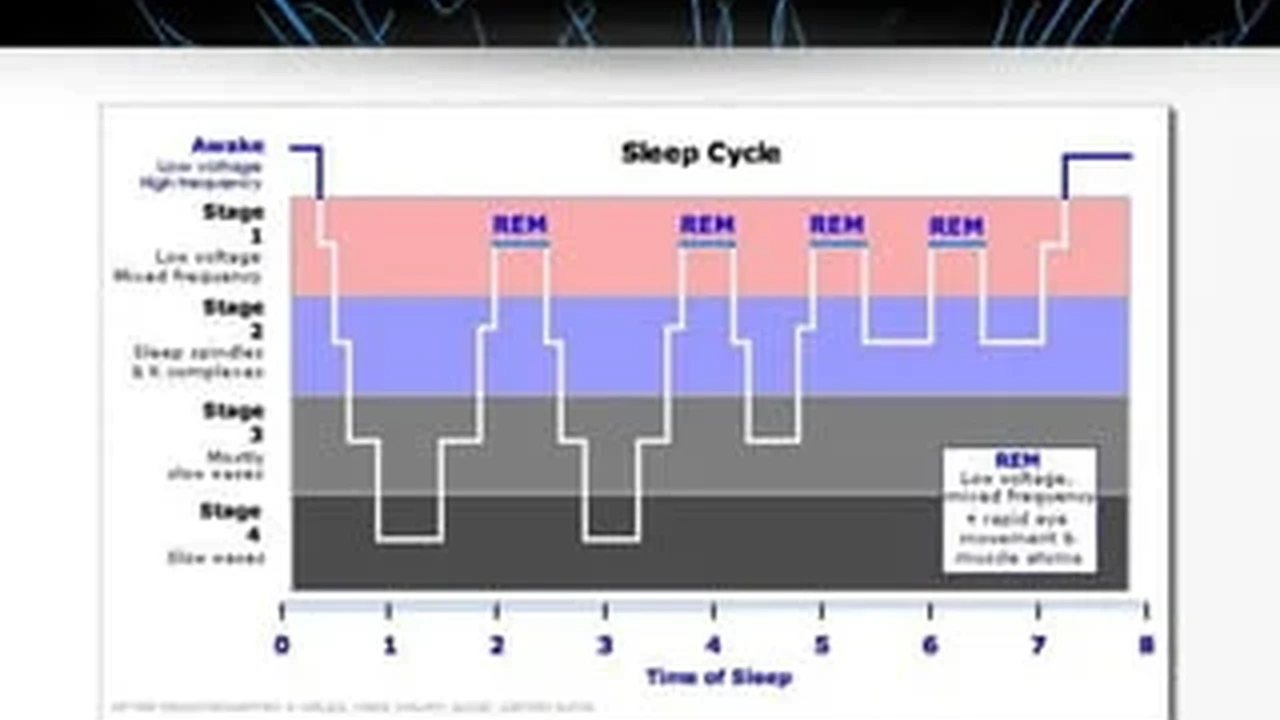
The hypothalamic-pituitary-adrenal (HPA) axis is our central stress response system. When activated, it releases cortisol, a hormone that promotes wakefulness. Under normal circumstances, cortisol levels are high in the morning and gradually decline throughout the day, reaching their lowest point at night to facilitate sleep. However, chronic stress keeps cortisol levels elevated, particularly in the evening, making it difficult to fall asleep. Adrenaline, another stress hormone, increases heart rate and alertness, further hindering the transition to sleep. Moreover, stress can suppress melatonin production, the hormone crucial for regulating our circadian rhythm and signaling to the body that it's time to sleep. This hormonal imbalance can lead to prolonged sleep latency, frequent awakenings, and a reduction in both REM and deep non-REM sleep, leaving you feeling unrefreshed even after a full night in bed.
Common Stress Related Sleep Disturbances
Stress manifests in various sleep disturbances, each contributing to a cycle of poor sleep and increased stress. Insomnia, characterized by difficulty falling or staying asleep, is perhaps the most common. Stress-induced hyperarousal keeps the mind racing, making it impossible to quiet down for sleep. Nightmares and vivid dreams are also frequently reported, as the brain processes stressful events during REM sleep. Sleepwalking and sleep talking, though less common, can also be exacerbated by high stress levels. Furthermore, stress can worsen existing sleep disorders like restless legs syndrome or even trigger new ones. The cumulative effect of these disturbances is a significant reduction in overall sleep quality and quantity, leading to daytime fatigue, irritability, and impaired cognitive function.
Stress Reduction Techniques for Improved Sleep Quality
Breaking the stress-sleep cycle requires proactive stress management. Incorporating relaxation techniques into your daily routine can significantly improve sleep quality. Mindfulness meditation, for instance, teaches you to observe thoughts without judgment, reducing mental chatter before bed. Deep breathing exercises, such as diaphragmatic breathing, activate the parasympathetic nervous system, promoting relaxation. Progressive muscle relaxation involves tensing and then relaxing different muscle groups, releasing physical tension. Yoga and Tai Chi combine physical movement with breathwork and meditation, offering a holistic approach to stress reduction. Even simple activities like reading a book, listening to calming music, or taking a warm bath can signal to your body that it's time to wind down. Consistency is key; regular practice of these techniques can retrain your body and mind to respond to stress more effectively, paving the way for more restful sleep.
Lifestyle Adjustments for Stress and Sleep Management
Beyond specific techniques, broader lifestyle adjustments play a crucial role. Regular physical activity, especially earlier in the day, can help burn off stress hormones and improve sleep quality. However, avoid intense exercise too close to bedtime. A balanced diet, rich in whole foods and low in processed sugars and caffeine, supports overall well-being and can stabilize mood. Limiting caffeine and alcohol intake, particularly in the afternoon and evening, is vital as both can disrupt sleep. Establishing a consistent sleep schedule, even on weekends, helps regulate your circadian rhythm. Creating a conducive sleep environment – dark, quiet, and cool – also signals to your body that it's time for rest. Prioritizing self-care, setting boundaries, and learning to say no can reduce daily stressors. If stress feels overwhelming, seeking support from a therapist or counselor can provide valuable coping strategies and a safe space to process emotions.
Recommended Products for Stress Reduction and Sleep Enhancement
While lifestyle changes are paramount, certain products can complement your efforts in managing stress and improving sleep. Here are a few categories and specific recommendations:
Weighted Blankets for Anxiety and Sleep
Weighted blankets provide deep pressure stimulation, similar to a hug, which can increase serotonin and melatonin levels while decreasing cortisol. This can lead to a calming effect, reducing anxiety and promoting faster sleep onset. They are generally recommended to be about 10% of your body weight.
- Product: Gravity Blanket
- Description: One of the pioneers in the weighted blanket market, known for its high-quality construction and even weight distribution. It uses fine-grade glass beads.
- Use Case: Ideal for individuals struggling with anxiety, restless legs, or general difficulty falling asleep. Can be used for napping or full night's sleep.
- Comparison: Often compared to cheaper alternatives, but Gravity's durability and consistent pressure are often cited as superior.
- Price: Typically ranges from $150 - $250 depending on size and weight.
- Product: Bearaby Cotton Napper
- Description: Unique knitted design, made from organic cotton, which allows for better airflow, preventing overheating. No internal beads.
- Use Case: Excellent for those who tend to sleep hot but still desire the benefits of deep pressure stimulation.
- Comparison: Stands out for its breathability and aesthetic appeal compared to traditional beaded blankets.
- Price: Ranges from $250 - $400.
Aromatherapy Diffusers and Essential Oils for Relaxation
Certain essential oils, when diffused, can have calming effects on the nervous system, promoting relaxation and preparing the body for sleep. Lavender, chamomile, and frankincense are particularly popular for their anxiolytic properties.
- Product: ASAKUKI 500ml Essential Oil Diffuser
- Description: A popular, affordable ultrasonic diffuser with a large capacity, multiple mist modes, and a timer. It also features 7 LED light colors.
- Use Case: Perfect for diffusing calming essential oils in the bedroom before sleep or during relaxation practices.
- Comparison: Offers good value for money compared to more expensive, design-focused diffusers, while still being effective.
- Price: Around $25 - $40.
- Product: doTERRA Lavender Essential Oil
- Description: A high-quality, pure therapeutic-grade lavender essential oil, known for its calming and soothing properties.
- Use Case: Add a few drops to a diffuser, a warm bath, or dilute with a carrier oil for topical application on pulse points before bed.
- Comparison: While more expensive than some brands, doTERRA is known for its rigorous testing and purity standards, which is important for aromatherapy.
- Price: Approximately $30 - $45 for a 15ml bottle.
Meditation Apps and Devices for Mind Calming
Guided meditation and mindfulness practices can significantly reduce stress and improve sleep onset by calming the mind and body.
- Product: Calm App (Subscription Service)
- Description: A leading meditation and sleep app offering guided meditations, sleep stories, breathing programs, and calming music.
- Use Case: Daily meditation practice to reduce stress, and specific sleep stories or meditations to help fall asleep at night.
- Comparison: Often compared to Headspace; Calm is particularly strong on sleep content with a wider variety of sleep stories.
- Price: Annual subscription typically around $70.
- Product: Muse S Brain Sensing Headband
- Description: A multi-sensor meditation device that provides real-time feedback on your brain activity, heart rate, breathing, and body movements during meditation. It also has 'Go-to-Sleep' journeys.
- Use Case: For those who want objective feedback on their meditation practice and a more guided, data-driven approach to relaxation and sleep.
- Comparison: A more advanced and interactive tool than just an app, offering biofeedback that can accelerate learning to calm the mind.
- Price: Around $350 - $400.
Herbal Supplements for Stress and Sleep Support
Certain herbal supplements can help manage stress and promote relaxation, though it's always wise to consult a healthcare professional before starting any new supplement.
- Product: Gaia Herbs Ashwagandha Root
- Description: Ashwagandha is an adaptogenic herb known for its ability to help the body manage stress. Gaia Herbs is a reputable brand for herbal supplements.
- Use Case: Taken daily to help the body adapt to stress and reduce overall anxiety levels, which can indirectly improve sleep.
- Comparison: Many ashwagandha products exist; Gaia Herbs is known for its organic sourcing and potency.
- Price: Approximately $25 - $40 for a bottle.
- Product: Traditional Medicinals Organic Nighty Night Tea
- Description: A blend of calming herbs like valerian root, passionflower, and chamomile, specifically formulated to promote relaxation and sleep.
- Use Case: A warm, soothing beverage to incorporate into your evening wind-down routine, signaling to your body that it's time to relax.
- Comparison: A gentle, natural alternative to stronger sleep aids, widely available and well-regarded for its effectiveness.
- Price: Around $5 - $7 per box.
When to Seek Professional Help for Stress and Sleep Issues
While self-help strategies and products can be incredibly effective, there are times when professional intervention is necessary. If stress and sleep disturbances are significantly impacting your daily life, work, or relationships, or if you suspect an underlying sleep disorder, it's crucial to consult a healthcare professional. A doctor can rule out medical conditions, and a sleep specialist can conduct a sleep study to diagnose disorders like sleep apnea or restless legs syndrome. A therapist or counselor specializing in stress management or cognitive behavioral therapy for insomnia (CBT-I) can provide tailored strategies and support. Remember, seeking help is a sign of strength, and effective treatment can dramatically improve both your sleep and overall quality of life.
:max_bytes(150000):strip_icc()/277019-baked-pork-chops-with-cream-of-mushroom-soup-DDMFS-beauty-4x3-BG-7505-5762b731cf30447d9cbbbbbf387beafa.jpg)