Sleep Architecture What It Means
Understand sleep architecture and how different factors affect its quality. Improve your sleep structure for more refreshing nights.
Understand sleep architecture and how different factors affect its quality. Improve your sleep structure for more refreshing nights.
Sleep Architecture What It Means
Hey there, ever wondered what actually happens when you close your eyes and drift off? It's not just one long, continuous snooze. Your brain and body go through a fascinating, highly organized process called sleep architecture. Think of it like a meticulously designed building, with different floors and rooms, each serving a unique purpose. Understanding this structure is key to unlocking truly restorative sleep and figuring out why some nights feel amazing and others leave you dragging.
We're going to dive deep into the different stages of sleep, how they fit together, and what factors can mess up this delicate balance. Plus, we'll explore some cool tech and practical tips to help you build a stronger, more refreshing sleep structure for yourself. Let's get into it!
The Foundations of Sleep Architecture Understanding Sleep Stages
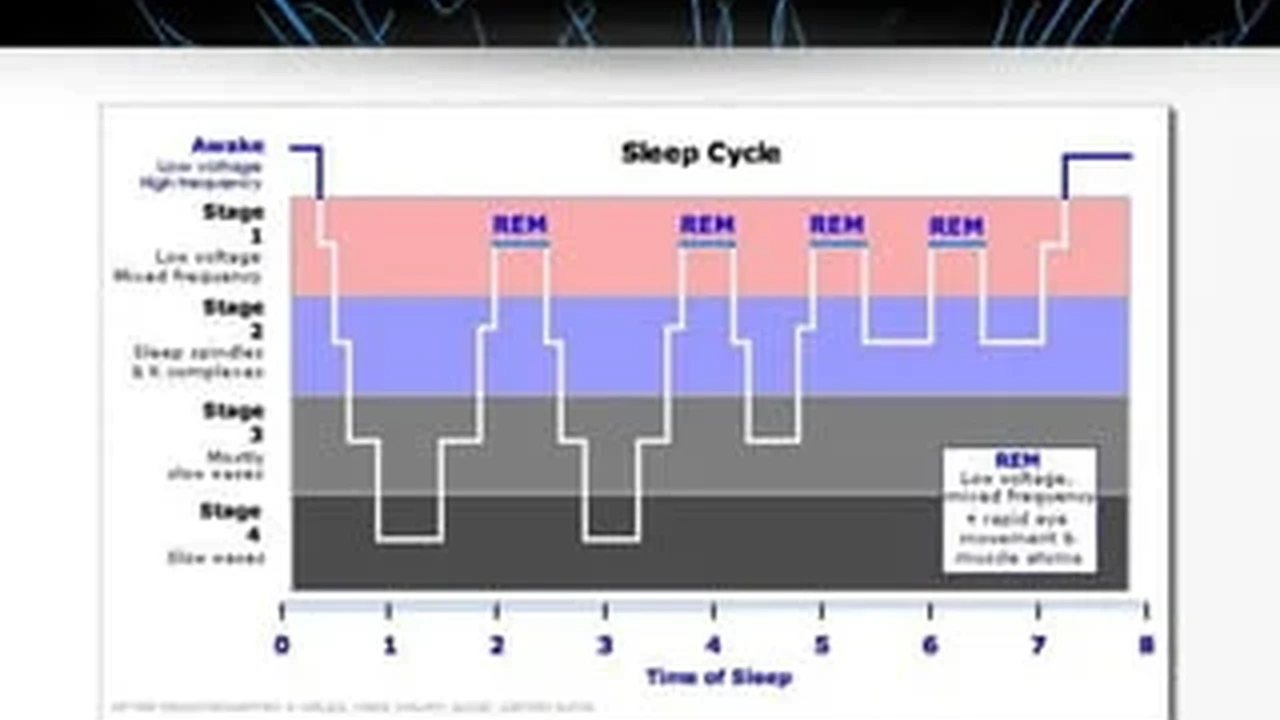
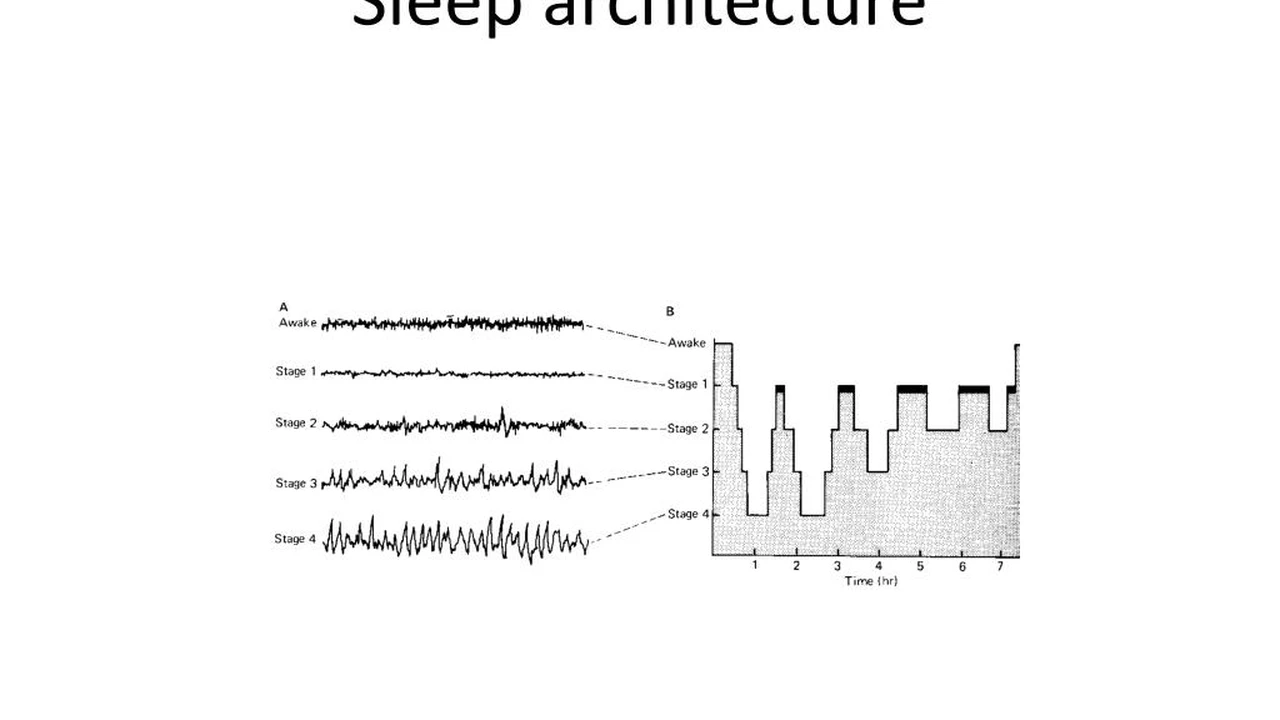
So, what are these 'floors' of our sleep building? Sleep is broadly divided into two main types: Non-Rapid Eye Movement (NREM) sleep and Rapid Eye Movement (REM) sleep. Within NREM, there are three distinct stages, making a total of four stages you cycle through multiple times a night.
NREM Stage 1 N1 The Drowsy Beginning
This is the lightest stage of sleep, often described as the transition from wakefulness to sleep. You might feel drowsy, your eyes might roll slowly, and your muscle activity slows down. If someone wakes you during N1, you might even deny you were asleep! It typically lasts only a few minutes, and it's easy to be awakened by minor disturbances. Think of it as the entrance hall to your sleep building.
NREM Stage 2 N2 The Core of Light Sleep
As you move into N2, your heart rate and breathing slow down, your body temperature drops, and your eye movements stop. This stage is characterized by specific brainwave patterns called 'sleep spindles' and 'K-complexes.' These are thought to play a role in memory consolidation and protecting your sleep from external disturbances. You spend about 50% of your total sleep time in N2, making it a significant part of your sleep cycle. It's like the main living area of your sleep building, where you spend a good chunk of your time.
NREM Stage 3 N3 Deep Sleep The Restorative Powerhouse
This is often referred to as 'deep sleep' or 'slow-wave sleep' (SWS) because of the large, slow brainwaves (delta waves) that dominate this stage. N3 is crucial for physical restoration, tissue repair, bone and muscle growth, and strengthening your immune system. It's also when growth hormone is released. Waking someone from N3 is difficult, and they'll likely feel groggy and disoriented. You spend most of your N3 sleep in the first half of the night. This is the basement of your sleep building, where all the heavy-duty maintenance and repair work happens.
REM Sleep The Dream Stage
After cycling through the NREM stages, you enter REM sleep. This is where most of your vivid dreaming occurs. During REM, your brain activity increases, becoming very similar to when you're awake. Your eyes move rapidly (hence 'Rapid Eye Movement'), your breathing becomes more irregular and shallow, and your heart rate and blood pressure can fluctuate. Interestingly, your muscles become temporarily paralyzed (atonia) to prevent you from acting out your dreams. REM sleep is vital for cognitive functions like memory consolidation, learning, and emotional processing. You typically have your first REM period about 90 minutes after falling asleep, and these periods get longer as the night progresses. Think of REM as the penthouse suite, where your brain is busy processing and organizing everything from the day.
The Sleep Cycle How We Move Through Stages
You don't just go through these stages once. Instead, you cycle through them multiple times throughout the night. A typical sleep cycle lasts about 90 to 110 minutes. You usually start with N1, progress to N2, then N3, and finally enter REM. After REM, you might briefly wake up (often without remembering it) or cycle back into N2, and the process repeats. Most adults go through 4 to 6 sleep cycles per night.
The distribution of these stages changes as the night progresses. You get more deep sleep (N3) in the first half of the night, and more REM sleep in the second half. This is why waking up early can sometimes leave you feeling more tired if you've cut short your crucial REM periods.
Factors Affecting Sleep Architecture Quality and Disruption
Many things can influence the quality and structure of your sleep. Understanding these can help you identify potential issues and make improvements.
Age Related Changes in Sleep Architecture
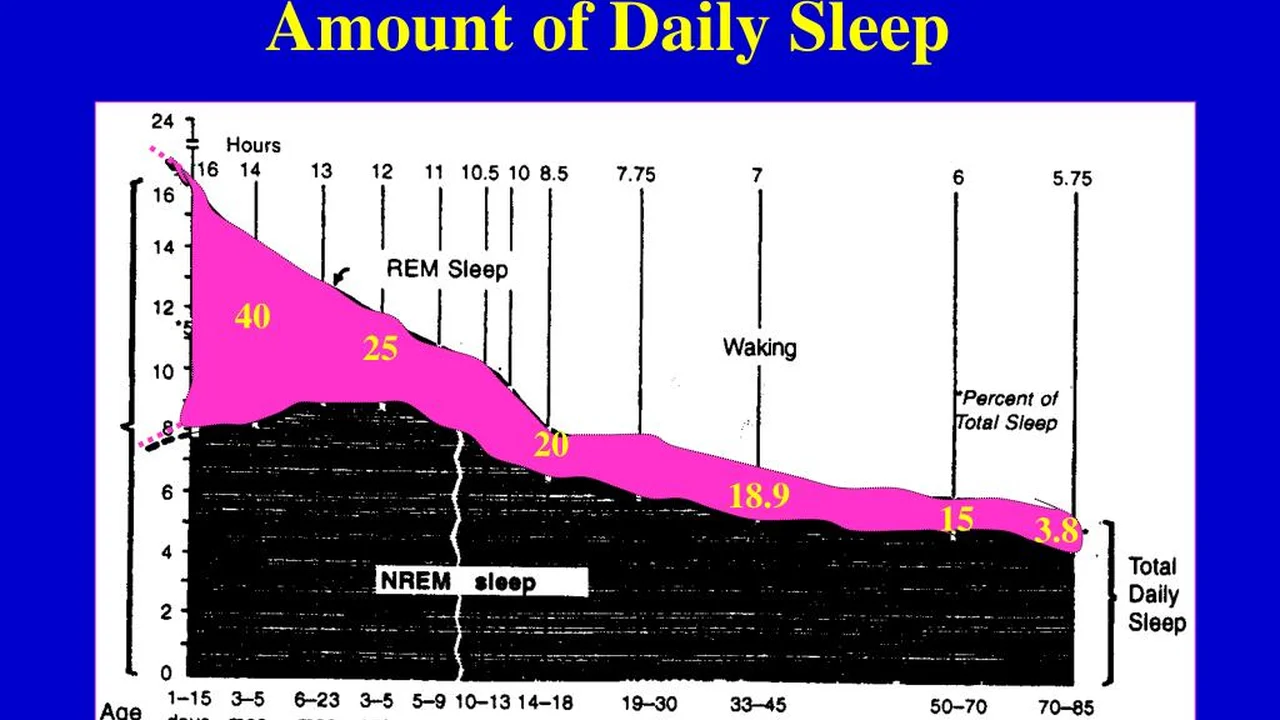
Sleep architecture changes significantly throughout your life. Infants spend a lot of time in REM sleep, which is crucial for brain development. As you age, the amount of deep sleep (N3) you get tends to decrease, and sleep becomes more fragmented with more awakenings. Older adults might also spend more time in N1 and N2, and less in N3 and REM. This is a natural part of aging, but it doesn't mean poor sleep is inevitable.
Lifestyle Choices and Sleep Structure
- Caffeine and Alcohol: Both can significantly disrupt sleep architecture. Caffeine, especially consumed late in the day, can delay sleep onset and reduce deep sleep. Alcohol might make you fall asleep faster initially, but it fragments sleep, suppresses REM sleep, and often leads to awakenings later in the night.
- Diet: Heavy meals close to bedtime, sugary snacks, and certain spicy foods can cause digestive discomfort, leading to fragmented sleep. Conversely, a balanced diet rich in certain nutrients (like magnesium and tryptophan) can support healthy sleep.
- Exercise: Regular physical activity generally improves sleep quality, increasing deep sleep. However, intense exercise too close to bedtime can be stimulating and make it harder to fall asleep.
- Stress and Anxiety: High levels of stress and anxiety can lead to increased arousal, making it difficult to fall asleep and stay asleep. This often results in less deep sleep and more fragmented sleep.
- Screen Time: Exposure to blue light from electronic devices before bed can suppress melatonin production, delaying sleep onset and altering sleep architecture.
Environmental Factors Impacting Sleep Quality
- Light: Even small amounts of light can disrupt melatonin production and shift your circadian rhythm, affecting sleep onset and quality.
- Noise: Constant or intermittent noise can cause awakenings or shift you into lighter sleep stages, reducing restorative deep sleep.
- Temperature: Your body temperature needs to drop slightly for optimal sleep. A room that's too hot or too cold can make it difficult to fall and stay asleep.
Sleep Disorders and Their Effect on Sleep Architecture
Conditions like insomnia, sleep apnea, restless legs syndrome, and narcolepsy profoundly impact sleep architecture. For example, sleep apnea causes repeated awakenings and oxygen deprivation, severely fragmenting sleep and reducing time spent in deep and REM stages. Insomnia often means difficulty initiating or maintaining sleep, leading to insufficient time in all stages. If you suspect a sleep disorder, it's crucial to consult a healthcare professional.
Optimizing Your Sleep Structure Practical Tips and Tools
Now that we understand the building blocks of sleep, how can we improve our own sleep architecture? It's all about creating the right environment and habits.
Establishing a Consistent Sleep Schedule
This is perhaps the most fundamental tip. Going to bed and waking up at roughly the same time every day, even on weekends, helps regulate your circadian rhythm, which in turn supports a more stable sleep architecture. Your body thrives on routine.
Creating an Ideal Sleep Environment
- Darkness: Make your bedroom as dark as possible. Use blackout curtains or a high-quality sleep mask.
- Quiet: Minimize noise. Consider earplugs or a white noise machine if you live in a noisy area.
- Cool Temperature: Aim for a bedroom temperature between 60-67°F (15-19°C).
- Comfort: Invest in a comfortable mattress and pillows that support your body properly.
Pre-Sleep Routine Winding Down for Better Sleep
Develop a relaxing routine before bed. This signals to your body that it's time to wind down. This could include a warm bath, reading a physical book, gentle stretching, or listening to calming music. Avoid stimulating activities like intense exercise, work, or arguments close to bedtime.
Managing Light Exposure
Get plenty of natural light during the day, especially in the morning. This helps reinforce your circadian rhythm. In the evening, dim the lights and avoid bright screens for at least an hour before bed. If you must use screens, consider blue light filtering glasses or software.
Diet and Hydration for Sleep
Avoid heavy, fatty, or spicy meals close to bedtime. Limit caffeine and alcohol, especially in the afternoon and evening. Stay hydrated throughout the day, but reduce fluid intake right before bed to avoid nighttime bathroom trips.
Technology and Products for Sleep Architecture Enhancement
The market is flooded with gadgets and gizmos promising better sleep. While no device can replace healthy habits, some can certainly help optimize your sleep environment and provide valuable insights.
Sleep Trackers Understanding Your Cycles
Sleep trackers, whether wearables or under-mattress sensors, aim to estimate your sleep stages, duration, and quality. They use various sensors (accelerometers, heart rate monitors, sometimes even brainwave sensors) to infer when you're in light, deep, or REM sleep. While not as accurate as a lab-based polysomnography, they can provide useful trends and help you identify patterns.
Recommended Sleep Trackers and Comparison
-
Oura Ring Gen3:
- Description: A sleek, comfortable ring worn on your finger that tracks heart rate, heart rate variability, body temperature, and movement to estimate sleep stages, readiness, and activity. It provides detailed insights into your sleep architecture, including time spent in each stage, and offers personalized recommendations.
- Pros: Excellent accuracy for a consumer device, comfortable to wear, long battery life (5-7 days), comprehensive app with actionable insights, tracks body temperature which can indicate illness or menstrual cycle phases.
- Cons: Higher price point, requires a subscription for full features after the first month, not ideal for those who dislike wearing rings.
- Typical Price: $299 - $349 (plus monthly subscription ~$6)
- Use Case: For serious sleep optimizers who want detailed, accurate data and are willing to invest. Great for understanding daily readiness and recovery.
-
Whoop 4.0:
- Description: A wrist-worn strap that focuses heavily on recovery and strain. It tracks sleep stages, heart rate, HRV, and respiratory rate to give you a 'recovery score' each morning. It's popular among athletes but useful for anyone wanting to optimize recovery.
- Pros: Very detailed recovery metrics, comfortable, no screen (less distraction), strong community and coaching features, excellent for understanding the impact of daily strain on sleep.
- Cons: Subscription-only model (no upfront purchase), can be less intuitive for basic sleep tracking compared to Oura, requires consistent wear.
- Typical Price: Subscription-based, starting around $30/month (lower for longer commitments)
- Use Case: Athletes, fitness enthusiasts, or anyone prioritizing recovery and understanding the physiological impact of their daily activities on sleep.
-
Fitbit Sense 2 / Charge 6:
- Description: Popular smartwatches/fitness trackers that offer solid sleep tracking features, including sleep stages, sleep score, and restless periods. They also track activity, heart rate, and stress.
- Pros: More affordable than dedicated sleep trackers, versatile (fitness tracking, notifications), good app interface, long battery life (Charge 6).
- Cons: Sleep stage accuracy can be less precise than Oura/Whoop, bulkier than a ring, requires wearing a watch to bed.
- Typical Price: Sense 2: $229 - $299; Charge 6: $159 - $179
- Use Case: General users who want a good all-around fitness tracker with decent sleep insights without breaking the bank.
-
Withings Sleep Tracking Mat:
- Description: A non-wearable sensor mat that slips under your mattress. It tracks sleep cycles, heart rate, breathing disturbances (like snoring or potential sleep apnea), and movement.
- Pros: No need to wear anything, completely passive tracking, good for couples (if each has a mat), tracks breathing disturbances.
- Cons: Less portable, can be affected by mattress type, may not be as precise as wearables for individual sleep stages.
- Typical Price: $99 - $129
- Use Case: Those who dislike wearing devices to bed but still want detailed sleep insights, especially if concerned about breathing issues during sleep.
Smart Lighting Systems for Circadian Rhythm
Smart lights can be programmed to mimic natural light cycles, gradually dimming in the evening and brightening in the morning. This helps regulate your circadian rhythm, making it easier to fall asleep and wake up naturally.
Recommended Smart Lighting Products
-
Philips Hue White and Color Ambiance Starter Kit:
- Description: A comprehensive smart lighting system that allows you to control brightness, color temperature, and color. You can set schedules for lights to dim to warm tones in the evening and gradually brighten with cool tones in the morning.
- Pros: Wide range of products, excellent app control, integrates with smart home ecosystems (Alexa, Google Home, Apple HomeKit), reliable.
- Cons: Can be expensive to set up, requires a Hue Bridge for full functionality.
- Typical Price: Starter Kit ~$199 (for 3 bulbs and bridge), individual bulbs ~$50
- Use Case: Creating a fully customizable light environment for sleep and wake cycles, enhancing overall home ambiance.
-
Casper Glow Light:
- Description: A simple, portable, and intuitive warm light that gradually dims as you fall asleep and gently brightens to wake you up. It's designed specifically for sleep and wake routines.
- Pros: Very easy to use, warm and calming light, portable, no complex app setup needed for basic functions.
- Cons: Limited functionality compared to full smart lighting systems, higher price for a single-purpose light.
- Typical Price: $129
- Use Case: For those who want a dedicated, simple, and effective bedside light for winding down and gentle waking.
White Noise Machines and Soundscapes
These devices can mask disruptive noises and create a consistent, calming sound environment, helping you fall asleep faster and stay asleep longer, thus protecting your sleep architecture from external disturbances.
Recommended Sound Machines
-
Hatch Restore 2:
- Description: More than just a sound machine, it's an all-in-one sleep assistant. It combines a sound machine, sunrise alarm, smart light, and meditation app. You can program custom routines for winding down and waking up.
- Pros: Highly customizable, excellent sound quality, gentle sunrise alarm, integrated meditations, sleek design.
- Cons: Higher price point, some features require a subscription (Hatch Sleep Membership).
- Typical Price: $199 (plus optional monthly subscription ~$5)
- Use Case: For those who want a comprehensive, integrated bedside device for their entire sleep and wake routine.
-
LectroFan EVO:
- Description: A dedicated sound machine offering 22 non-looping sounds, including various white noises, fan sounds, and ocean sounds. It's designed for pure sound masking and relaxation.
- Pros: Excellent sound quality, wide variety of sounds, no looping, very effective at masking noise, portable.
- Cons: No smart features or app control, single-purpose device.
- Typical Price: $59 - $79
- Use Case: For users who prioritize high-quality, non-looping white noise or fan sounds for effective noise masking.
Smart Mattresses and Beds Advanced Sleep Support
These high-tech beds can adjust firmness, temperature, and even elevation throughout the night in response to your body's needs or pre-set preferences. Some even have built-in sleep tracking.
Recommended Smart Beds
-
Sleep Number 360 Smart Bed:
- Description: These beds allow you to adjust the firmness (your 'Sleep Number') on each side of the bed. Higher-end models automatically adjust firmness throughout the night to respond to your movements, track sleep, and even gently raise your head to alleviate snoring.
- Pros: Highly customizable comfort, excellent for couples with different preferences, integrated sleep tracking, snore detection/response.
- Cons: Very expensive, requires professional setup, can be complex to use initially.
- Typical Price: $2,000 - $10,000+ depending on model and features.
- Use Case: For those seeking ultimate personalized comfort and advanced sleep optimization, especially couples with differing needs or individuals with specific comfort requirements.
-
Eight Sleep Pod 3:
- Description: A mattress cover that actively heats and cools each side of your bed from 55-110°F (13-43°C). It also tracks sleep stages, heart rate, and respiratory rate, and offers a gentle thermal alarm.
- Pros: Precise temperature control (a game-changer for sleep), excellent sleep tracking, silent operation, integrates with smart home.
- Cons: High upfront cost, requires a monthly subscription for full features, can be a bit bulky under the mattress.
- Typical Price: Pod 3 Cover starts at ~$2,000 (plus monthly subscription ~$30)
- Use Case: Individuals or couples who struggle with temperature regulation during sleep and want advanced, integrated sleep tracking and thermal comfort.
Final Thoughts on Sleep Architecture and Your Well-being
Understanding your sleep architecture isn't just academic; it's a powerful tool for improving your overall health and well-being. When your sleep structure is robust, you wake up feeling refreshed, your brain is sharper, your mood is better, and your body is ready to tackle the day. By paying attention to your sleep stages and the factors that influence them, you can make informed choices about your lifestyle and environment. Whether it's through consistent routines, a perfectly dark room, or leveraging smart tech, investing in your sleep architecture is one of the best investments you can make for a healthier, happier you.
:max_bytes(150000):strip_icc()/277019-baked-pork-chops-with-cream-of-mushroom-soup-DDMFS-beauty-4x3-BG-7505-5762b731cf30447d9cbbbbbf387beafa.jpg)