Sleep Tracking for Athletes Performance
Discover how athletes use sleep tracking to optimize recovery and performance. Gain a competitive edge through better sleep.
Discover how athletes use sleep tracking to optimize recovery and performance. Gain a competitive edge through better sleep.
Sleep Tracking for Athletes Performance
Hey there, fellow athletes and fitness enthusiasts! Ever wondered how the pros manage to stay at the top of their game, consistently pushing boundaries and recovering like superheroes? While rigorous training and meticulous nutrition are definitely key, there's a secret weapon many elite athletes are increasingly relying on: advanced sleep tracking. It's not just about getting eight hours anymore; it's about understanding the quality, efficiency, and specific stages of your sleep to unlock peak physical and mental performance. Let's dive deep into how sleep tracking is revolutionizing athletic training and recovery, and what tools can help you get there.
Why Sleep is the Ultimate Performance Enhancer for Athletes
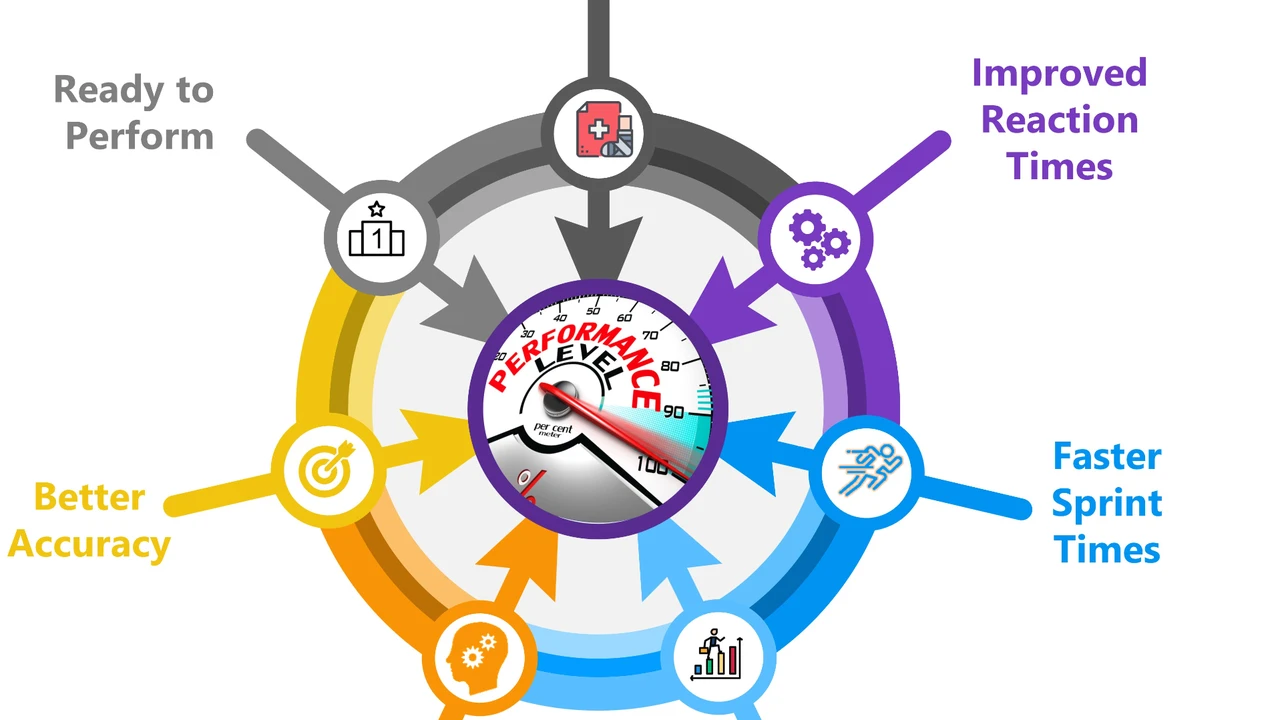
Think of sleep as your body's ultimate repair shop and data processing center. For athletes, this 'repair shop' is crucial. During sleep, especially deep sleep, your body releases growth hormone, which is vital for muscle repair, tissue regeneration, and bone growth. REM sleep, on the other hand, is essential for cognitive function, motor skill consolidation, and emotional regulation – all critical for strategic thinking on the field or court, and maintaining mental resilience during intense competition. Skimping on sleep isn't just about feeling tired; it directly impacts your strength, speed, reaction time, endurance, and even your susceptibility to injury. Studies have shown that athletes who consistently get adequate, high-quality sleep experience improved athletic performance, faster recovery times, and a reduced risk of injury. It's not just anecdotal; the science is clear.
Understanding Key Sleep Metrics for Athletic Recovery
So, what exactly are athletes tracking, and why? It's more than just total sleep duration. Here are some crucial metrics and why they matter for your athletic journey:
Total Sleep Duration The Foundation of Recovery
This is the most basic metric, but don't underestimate its importance. While individual needs vary, most athletes aim for 7-9 hours, with some elite athletes requiring even more, especially during intense training blocks or competition periods. Consistent short sleep duration leads to accumulated sleep debt, which severely hampers recovery and performance.
Sleep Stages Deep Sleep and REM Sleep Insights
This is where the magic happens. Sleep trackers can estimate the time you spend in different sleep stages:
- Deep Sleep (N3): This is your physical recovery powerhouse. During deep sleep, your body repairs muscles, strengthens your immune system, and replenishes energy stores. Athletes need ample deep sleep to recover from strenuous workouts and prepare for the next session.
- REM Sleep: Crucial for mental recovery, learning, and memory consolidation. For athletes, this means solidifying new skills learned in practice, improving reaction time, and maintaining mental sharpness under pressure.
Sleep Latency How Quickly You Fall Asleep
This metric tells you how long it takes to fall asleep once you lie down. A healthy sleep latency is typically between 10-20 minutes. If it's consistently much longer, it could indicate overtraining, stress, or poor sleep hygiene, all of which can hinder recovery.
Sleep Efficiency Quality Over Quantity
Sleep efficiency is the percentage of time you spend actually sleeping while in bed. If you spend 8 hours in bed but only sleep for 6, your efficiency is 75%. Athletes aim for high sleep efficiency (ideally 85% or more) to ensure the time spent in bed is truly restorative.
Heart Rate Variability HRV and Recovery Status
Many advanced sleep trackers now measure HRV, which is a powerful indicator of your autonomic nervous system's balance and your body's recovery status. A higher HRV generally indicates better recovery and readiness for training, while a lower HRV can signal fatigue, stress, or overtraining. Athletes use HRV to guide their training intensity and rest days.
Resting Heart Rate RHR and Overtraining Indicators
Your RHR during sleep can also provide valuable insights. A consistently elevated RHR compared to your baseline might indicate insufficient recovery, illness, or overtraining. Tracking this trend can help athletes adjust their training load to prevent burnout.
Top Sleep Tracking Devices for Athletes A Comparative Review
Alright, let's talk tech! The market is flooded with sleep trackers, but for athletes, accuracy, comprehensive metrics, and durability are paramount. Here are some of the best options, along with their pros, cons, typical price ranges, and ideal use cases:
1. Oura Ring Gen3 The Elite Athlete's Choice
The Oura Ring is a sleek, comfortable ring worn on your finger that provides incredibly detailed sleep and recovery insights. It's a favorite among professional athletes and serious enthusiasts due to its accuracy and comprehensive data.
Features and Metrics Tracked
- Sleep Stages: Highly accurate tracking of REM, deep, light sleep, and awake times.
- HRV and RHR: Provides daily readiness scores based on these metrics, guiding training decisions.
- Body Temperature: Detects subtle changes, useful for illness detection or menstrual cycle tracking for female athletes.
- Activity Tracking: Integrates activity data to provide a holistic view of recovery needs.
- Readiness Score: A single, easy-to-understand score indicating your physical and mental readiness for the day.
Pros for Athletes
- Exceptional Accuracy: Often cited as one of the most accurate consumer sleep trackers.
- Comfort and Discretion: Worn on the finger, it's unobtrusive during sleep and daily activities.
- Holistic Recovery Insights: Combines sleep, activity, and physiological metrics for a comprehensive readiness assessment.
- Actionable Guidance: Provides personalized recommendations based on your data.
Cons for Athletes
- Subscription Required: Full features require a monthly subscription after an initial trial.
- Price: Higher upfront cost compared to some other trackers.
- No Screen: All data is viewed on the app, which might not suit everyone.
Typical Price Range
USD $299 - $349 (plus monthly subscription of ~$6)
Ideal Use Case
Serious athletes, professional athletes, and anyone looking for highly accurate, comprehensive, and actionable recovery insights to optimize training and performance. Great for those who want a discreet, comfortable device.
2. WHOOP 4.0 The Performance Coach on Your Wrist
WHOOP is a strap worn on the wrist or bicep that focuses heavily on recovery, strain, and sleep. It's widely adopted by professional sports teams and individual athletes for its continuous monitoring and performance-oriented feedback.
Features and Metrics Tracked
- Sleep Performance: Tracks sleep stages, efficiency, and provides a 'Sleep Need' calculation based on daily strain.
- Recovery Score: A daily score based on HRV, RHR, and sleep performance, indicating your readiness to perform.
- Strain Score: Measures physiological exertion from workouts and daily activities.
- Respiratory Rate: Another health indicator that can signal illness or overtraining.
- Coaching Features: Provides personalized recommendations for sleep, recovery, and training.
Pros for Athletes
- Continuous Monitoring: 24/7 data collection provides a complete picture of your physiological state.
- Focus on Recovery and Strain: Excellent for optimizing training load and preventing overtraining.
- Detailed Sleep Coaching: Helps you understand your optimal sleep duration and timing.
- No Screen: Encourages less distraction and more focus on the data in the app.
Cons for Athletes
- Subscription Only: The device itself is often free or very low cost, but it requires a mandatory monthly or annual subscription.
- Comfort: Some users might find the strap less comfortable than a ring, especially during sleep.
- No Time Display: It's not a watch, so you'll still need another device for time.
Typical Price Range
Device often free with subscription; Subscription: USD $30/month or $300/year (for 12 months)
Ideal Use Case
Athletes who want a dedicated, data-rich platform for optimizing recovery and training load. Perfect for those who are comfortable with a subscription model and want deep physiological insights to guide their performance.
3. Garmin Forerunner Series and Fenix Series The All-Rounder Smartwatch
Garmin smartwatches are renowned for their robust GPS tracking and extensive sports features, but their sleep tracking capabilities have also significantly improved, making them a strong contender for athletes who want an all-in-one device.
Features and Metrics Tracked
- Advanced Sleep Monitoring: Tracks light, deep, and REM sleep stages, and provides a sleep score.
- Body Battery: A Garmin-specific metric that estimates your energy reserves based on HRV, stress, and activity.
- HRV Status: Provides a 7-day average of your HRV during sleep, indicating recovery trends.
- Training Status and Load: Integrates sleep and recovery data to advise on optimal training intensity.
- Pulse Ox: Measures blood oxygen saturation during sleep (on some models).
Pros for Athletes
- Comprehensive Sports Features: Excellent for tracking runs, rides, swims, and other activities with detailed metrics.
- Integrated Ecosystem: All your training, recovery, and sleep data in one place.
- No Subscription: Once you buy the watch, all features are available.
- Durability: Built to withstand tough training environments.
Cons for Athletes
- Accuracy: While good, sleep stage accuracy might not be as precise as dedicated sleep trackers like Oura or WHOOP.
- Bulkiness: Some models can be large on the wrist, which might be less comfortable for sleeping.
- Battery Life: Varies by model and usage, but generally requires charging every few days.
Typical Price Range
Forerunner Series: USD $200 - $600; Fenix Series: USD $600 - $1000+
Ideal Use Case
Athletes who want a powerful, all-in-one GPS smartwatch for both training and sleep tracking. Great for runners, triathletes, and outdoor enthusiasts who value a robust sports ecosystem without a recurring subscription.
4. Apple Watch Series 9 and Ultra 2 The Smart Ecosystem Integrator
The Apple Watch, especially the newer models, has significantly enhanced its sleep tracking capabilities, making it a viable option for athletes already embedded in the Apple ecosystem. Its integration with health apps and third-party fitness platforms is a major plus.
Features and Metrics Tracked
- Sleep Stages: Tracks time in awake, REM, Core (light), and Deep sleep.
- Sleep Duration and Consistency: Monitors your sleep schedule.
- Wrist Temperature: Provides insights into body temperature trends, useful for recovery and cycle tracking.
- Blood Oxygen and ECG: Health features that can indirectly inform recovery.
- Activity Rings: Integrates daily activity with sleep for a broader health picture.
Pros for Athletes
- Seamless Ecosystem Integration: Works perfectly with iPhone and other Apple devices.
- Vast App Store: Access to numerous third-party fitness and sleep apps that can enhance tracking.
- Health Features: ECG, blood oxygen, and fall detection add extra layers of health monitoring.
- Stylish and Versatile: Can be worn for all occasions.
Cons for Athletes
- Battery Life: Requires daily charging, which can be inconvenient for continuous sleep tracking.
- Accuracy: While improved, dedicated sleep trackers might offer more granular and consistent sleep stage data.
- Comfort: Some users find wearing a watch to sleep less comfortable than a ring or strap.
Typical Price Range
Series 9: USD $399 - $499; Ultra 2: USD $799+
Ideal Use Case
Athletes who are already Apple users and want a versatile smartwatch that handles both daily activities, workouts, and increasingly capable sleep tracking. Good for those who prioritize convenience and ecosystem integration.
5. Eight Sleep Pod 3 The Smart Bed System
This isn't a wearable, but a complete smart bed system that integrates directly into your mattress. The Eight Sleep Pod 3 offers unparalleled temperature regulation and highly accurate sleep tracking, making it a premium choice for serious recovery.
Features and Metrics Tracked
- Advanced Sleep Tracking: Tracks sleep stages, HRV, RHR, respiratory rate, and sleep consistency with high accuracy.
- Dynamic Temperature Regulation: Heats and cools each side of the bed independently based on your sleep stages and preferences.
- Sleep Coaching: Provides personalized insights and recommendations.
- Gentle Wake Alarm: Wakes you with gradual temperature changes and vibrations.
Pros for Athletes
- Unmatched Comfort and Convenience: No wearable required; tracking is completely passive.
- Optimal Sleep Environment: Temperature regulation is a game-changer for deep, restorative sleep.
- Highly Accurate Data: Sensors embedded in the mattress provide very precise physiological data.
- Holistic Approach: Combines environmental control with detailed tracking.
Cons for Athletes
- Very High Cost: This is a significant investment.
- Not Portable: Obviously, you can't take it with you when traveling.
- Subscription Required: Full features require a monthly membership.
Typical Price Range
Starting from USD $2,000 - $3,000+ (for the mattress cover) plus monthly membership of ~$35
Ideal Use Case
Elite athletes, those with significant disposable income, or anyone who prioritizes creating the absolute optimal sleep environment at home for maximum recovery and performance. Perfect for those who want a completely passive tracking experience.
Integrating Sleep Data into Your Training Regimen
Having all this data is great, but it's useless if you don't know how to apply it. Here's how athletes are using sleep tracking insights to gain a competitive edge:
Adjusting Training Load Based on Recovery Scores
If your Oura Readiness Score or WHOOP Recovery is low, it's a clear signal to dial back the intensity of your workout, opt for active recovery, or take a rest day. Pushing through when your body isn't recovered significantly increases injury risk and can lead to overtraining. Conversely, a high score means you're primed for a tough session.
Optimizing Sleep Schedule for Peak Performance
Tracking your sleep consistency helps you identify your optimal bedtime and wake-up time. Sticking to a regular sleep schedule, even on weekends, reinforces your circadian rhythm, leading to more efficient and restorative sleep. Athletes often use this to ensure they are peaking for competition days.
Identifying Overtraining and Burnout Signals
Consistent low HRV, elevated RHR, prolonged sleep latency, or reduced deep sleep can all be red flags for overtraining. Sleep tracking provides objective data to confirm what your body might be telling you subjectively, allowing you to intervene before burnout sets in.
Enhancing Injury Prevention and Rehabilitation
Adequate sleep is crucial for tissue repair. By ensuring optimal sleep, athletes can accelerate recovery from injuries and reduce the likelihood of new ones. Tracking sleep quality during rehabilitation can also provide insights into the healing process.
Improving Nutritional and Hydration Strategies
While not directly tracked by sleep devices, poor sleep can impact appetite-regulating hormones (ghrelin and leptin) and increase cravings for unhealthy foods. By optimizing sleep, athletes can better manage their nutrition and hydration, further supporting recovery and performance.
Mental Toughness and Cognitive Function
REM sleep is vital for processing emotions and consolidating motor skills. Athletes who prioritize REM sleep often report better focus, decision-making, and emotional resilience during high-pressure situations. Tracking REM sleep can highlight areas for improvement in mental recovery.
Practical Tips for Athletes to Maximize Sleep Tracking Benefits
Ready to put these insights into action? Here are some practical tips:
- Consistency is Key: Wear your tracker every night, even on rest days. The more data you collect, the more accurate and insightful the trends will be.
- Listen to Your Body: While data is powerful, always combine it with how you feel. If the data says you're recovered but you feel sluggish, listen to your body.
- Establish a Pre-Sleep Routine: Wind down with activities like reading, stretching, or meditation. Avoid screens and intense workouts close to bedtime.
- Optimize Your Sleep Environment: Ensure your bedroom is dark, quiet, and cool. Consider blackout curtains, earplugs, or a white noise machine.
- Limit Stimulants and Alcohol: Caffeine and alcohol, especially in the evening, can severely disrupt sleep architecture.
- Stay Hydrated: But avoid excessive fluid intake right before bed to prevent nighttime bathroom trips.
- Review Your Data Regularly: Don't just collect data; analyze it. Look for patterns and make adjustments to your lifestyle and training.
- Consult Professionals: If you consistently struggle with sleep despite optimizing your habits, consider consulting a sleep specialist or sports physician.
By embracing sleep tracking, athletes are no longer just guessing about their recovery. They're leveraging objective data to make informed decisions, fine-tune their training, and ultimately, unlock their full athletic potential. So, go ahead, invest in your sleep – it's the most powerful, legal performance enhancer you'll ever find!
:max_bytes(150000):strip_icc()/277019-baked-pork-chops-with-cream-of-mushroom-soup-DDMFS-beauty-4x3-BG-7505-5762b731cf30447d9cbbbbbf387beafa.jpg)