Smoking and Its Detrimental Sleep Effects
Examine the negative impact of alcohol on sleep architecture. Prioritize sober sleep for truly restorative rest.
Examine the negative impact of alcohol on sleep architecture. Prioritize sober sleep for truly restorative rest.
Alcohol's Effect on Sleep Quality
Understanding Alcohol and Sleep Architecture
So, you've had a long day, and a glass of wine or a cold beer sounds like the perfect way to unwind before bed, right? Many people use alcohol as a sleep aid, believing it helps them drift off faster. And it's true, alcohol is a sedative. It can make you feel drowsy and help you fall asleep more quickly. But here's the catch: while it might knock you out initially, the quality of that sleep is severely compromised. It's like building a house on a shaky foundation – it might stand for a bit, but it's not going to last or be very sturdy.
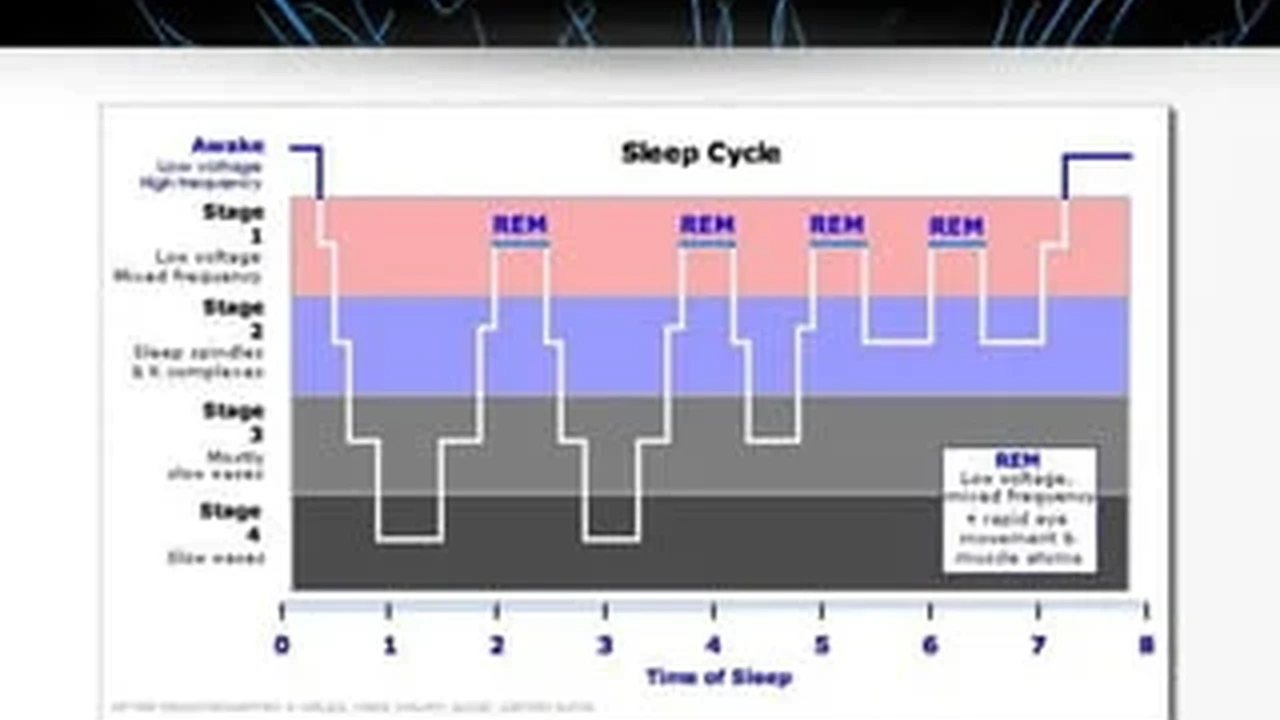
When we talk about 'sleep architecture,' we're referring to the distinct stages of sleep your body cycles through each night: Non-REM (NREM) sleep, which includes light sleep, deep sleep (also known as slow-wave sleep), and REM (Rapid Eye Movement) sleep. Each stage plays a crucial role in your physical and mental restoration. Alcohol, unfortunately, messes with this delicate balance in several significant ways.
Initially, alcohol can increase slow-wave sleep (deep sleep) during the first part of the night. This might sound good, but it comes at a cost. As your body metabolizes the alcohol, typically in the second half of the night, it leads to fragmented sleep. You'll experience more awakenings, often without even realizing it, and a significant reduction in REM sleep. REM sleep is vital for cognitive functions like memory consolidation, learning, and emotional regulation. Depriving yourself of REM sleep can leave you feeling groggy, irritable, and less focused the next day, even if you think you got a full night's rest.
The Science Behind Alcohol's Sleep Disruption
Let's dive a bit deeper into the 'why.' Alcohol affects neurotransmitters in your brain, particularly GABA (gamma-aminobutyric acid), which is an inhibitory neurotransmitter that calms the nervous system. This is why you feel relaxed and sleepy after a drink. However, as the alcohol is processed by your liver, its sedative effects wear off. Your body then experiences a rebound effect, leading to increased wakefulness and disrupted sleep. Think of it like a pendulum swinging too far one way, then overcorrecting and swinging too far the other.
Another major issue is alcohol's impact on breathing during sleep. Alcohol relaxes the muscles in your throat, which can worsen snoring and significantly increase the risk or severity of sleep apnea. If you already suffer from sleep apnea, even a moderate amount of alcohol can make your breathing pauses longer and more frequent, leading to dangerous drops in blood oxygen levels. This is a serious health concern that can have long-term consequences.
Furthermore, alcohol is a diuretic, meaning it increases urine production. This often leads to more frequent trips to the bathroom during the night, further interrupting your sleep. And let's not forget the potential for heartburn or acid reflux, especially if you drink close to bedtime, which can also make it difficult to stay asleep comfortably.
Long Term Effects of Alcohol on Sleep Health
Regularly using alcohol as a sleep aid can lead to a vicious cycle. You might find yourself needing more alcohol to achieve the initial sedative effect, leading to increased tolerance and dependence. This can exacerbate sleep problems, making it even harder to sleep without alcohol, and potentially leading to chronic insomnia. Over time, this pattern can contribute to a range of health issues, including impaired immune function, increased risk of cardiovascular disease, and mental health challenges like anxiety and depression.
Chronic sleep deprivation, even if you're getting 'enough' hours but poor quality sleep due to alcohol, can also impact your metabolism and weight. Studies have shown a link between poor sleep and increased cravings for unhealthy foods, as well as impaired glucose metabolism, which can contribute to weight gain and an increased risk of type 2 diabetes.
Practical Tips for Prioritizing Sober Sleep
So, what's the takeaway? If you're serious about optimizing your sleep, reducing or eliminating alcohol, especially in the hours leading up to bedtime, is a crucial step. Here are some practical tips to help you prioritize sober, restorative sleep:
Timing Your Last Drink for Better Sleep
The general recommendation is to stop drinking alcohol at least 3-4 hours before you plan to go to bed. This gives your body enough time to metabolize the alcohol before its disruptive effects kick in during the latter half of your sleep cycle. For some, especially those sensitive to alcohol, even longer might be necessary. Experiment and see what works best for your body.
Finding Alternative Relaxation Techniques for Sleep
Instead of reaching for alcohol, explore other relaxation techniques to wind down in the evening. This could include:
- Warm Bath or Shower: The drop in body temperature after a warm bath can signal to your body that it's time for sleep.
- Reading a Physical Book: Ditch the screens and pick up a good old-fashioned book.
- Gentle Stretching or Yoga: Light stretching can release tension and prepare your body for rest.
- Meditation or Deep Breathing Exercises: Apps like Calm or Headspace offer guided meditations specifically for sleep.
- Herbal Teas: Chamomile, valerian root, or passionflower teas can be calming.
Creating a Consistent Bedtime Routine for Sleep
A consistent bedtime routine helps signal to your body that it's time to wind down. This routine should be relaxing and free from stimulating activities. Stick to the same bedtime and wake-up time, even on weekends, to regulate your circadian rhythm.
Optimizing Your Sleep Environment for Sober Sleep
Make your bedroom a sanctuary for sleep. Ensure it's dark, quiet, and cool. Blackout curtains, earplugs, or a white noise machine can be incredibly helpful. A comfortable mattress and pillows also make a huge difference.
Hydration and Nutrition for Restorative Sleep
Focus on staying well-hydrated throughout the day, but reduce fluid intake closer to bedtime to avoid nighttime bathroom trips. A balanced diet rich in fruits, vegetables, and whole grains can also support better sleep. Avoid heavy, spicy, or sugary meals close to bedtime.
Recommended Products for Sober Sleep Support
While the best 'product' for sober sleep is simply avoiding alcohol, there are several tools and aids that can support your journey to better, alcohol-free rest. These are not substitutes for addressing underlying issues but can be helpful complements.
White Noise Machines and Sound Machines for Sleep
These devices can mask disruptive noises and create a consistent, soothing sound environment. They are particularly useful if you live in a noisy area or have a partner who snores.
- Dohm Nova White Noise Machine: This is a classic, fan-based white noise machine. It creates a natural, non-looping sound.
- Use Case: Ideal for masking street noise, noisy neighbors, or creating a consistent background hum.
- Comparison: Unlike digital sound machines, it uses a real fan for sound, which many find more natural and less repetitive.
- Price: Around $50-$60 USD.
- Hatch Restore 2: More than just a sound machine, it's a smart sleep assistant. It offers white noise, nature sounds, guided meditations, and a sunrise alarm.
- Use Case: For those who want an all-in-one device for their entire sleep routine, from winding down to waking up gently.
- Comparison: Integrates light therapy and smart features, making it more versatile than a basic white noise machine. Requires a subscription for full content access.
- Price: Around $199 USD, plus optional subscription.
Sleep Masks for Light Blocking
Blocking out all light is crucial for melatonin production. A good sleep mask can be a game-changer, especially if your bedroom isn't completely dark or for travel.
- Manta Sleep Mask: Known for its modular design that allows for zero eye pressure and complete darkness.
- Use Case: Perfect for side sleepers or anyone who finds traditional masks uncomfortable. The eye cups ensure no light leakage.
- Comparison: Superior light blocking and comfort compared to flat masks.
- Price: Around $35-$40 USD.
- MZOO Sleep Eye Mask: A popular, budget-friendly option with contoured cups for comfort.
- Use Case: A great entry-level mask for general use, travel, or napping.
- Comparison: Offers good light blocking and comfort for its price point, though not as customizable as Manta.
- Price: Around $10-$15 USD.
Blue Light Blocking Glasses for Evening Use
Wearing these glasses in the evening can help reduce your exposure to blue light from screens, which can suppress melatonin production.
- Swannies Blue Light Blocking Glasses (Amber Lens): These are designed to block nearly 100% of blue light, ideal for evening use.
- Use Case: For anyone who uses screens (phone, tablet, computer, TV) in the hours leading up to bedtime.
- Comparison: More effective than clear or yellow-tinted glasses for evening blue light blocking.
- Price: Around $60-$80 USD.
- Gamma Ray Optics Blue Light Blocking Glasses: A more affordable option that still provides significant blue light filtration.
- Use Case: A good starting point for those new to blue light blocking glasses.
- Comparison: While effective, they may not block as much blue light as premium amber lenses.
- Price: Around $20-$30 USD.
Aromatherapy Diffusers and Essential Oils for Relaxation
Certain essential oils, like lavender, chamomile, and frankincense, are known for their calming properties and can be diffused in your bedroom before sleep.
- ASAKUKI 500ml Essential Oil Diffuser: A popular, quiet diffuser with a large capacity and various mist settings.
- Use Case: For creating a calming atmosphere in your bedroom before sleep.
- Comparison: Offers good value with a large water tank for longer diffusion times.
- Price: Around $25-$35 USD.
- doTERRA Lavender Essential Oil: A high-quality, pure lavender essential oil known for its relaxing properties.
- Use Case: Add a few drops to your diffuser, a warm bath, or dilute with a carrier oil for topical application.
- Comparison: While pricier, doTERRA is known for its purity and potency. Many other brands offer good quality lavender oil at various price points.
- Price: Around $25-$30 USD for 15ml.
Remember, these products are aids, not magic bullets. The most impactful change you can make for truly restorative sleep is to understand and address how alcohol affects your body's natural sleep processes. Prioritizing sober sleep is an investment in your overall health and well-being, leading to more energized days and truly restful nights.
:max_bytes(150000):strip_icc()/277019-baked-pork-chops-with-cream-of-mushroom-soup-DDMFS-beauty-4x3-BG-7505-5762b731cf30447d9cbbbbbf387beafa.jpg)