Sleep Debt Understanding the Impact
Uncover the concept of sleep debt and its negative health consequences. Learn how to repay sleep debt for better health.
Uncover the concept of sleep debt and its negative health consequences. Learn how to repay sleep debt for better health.
Sleep Debt Understanding the Impact
What is Sleep Debt and Why Does it Matter for Your Health
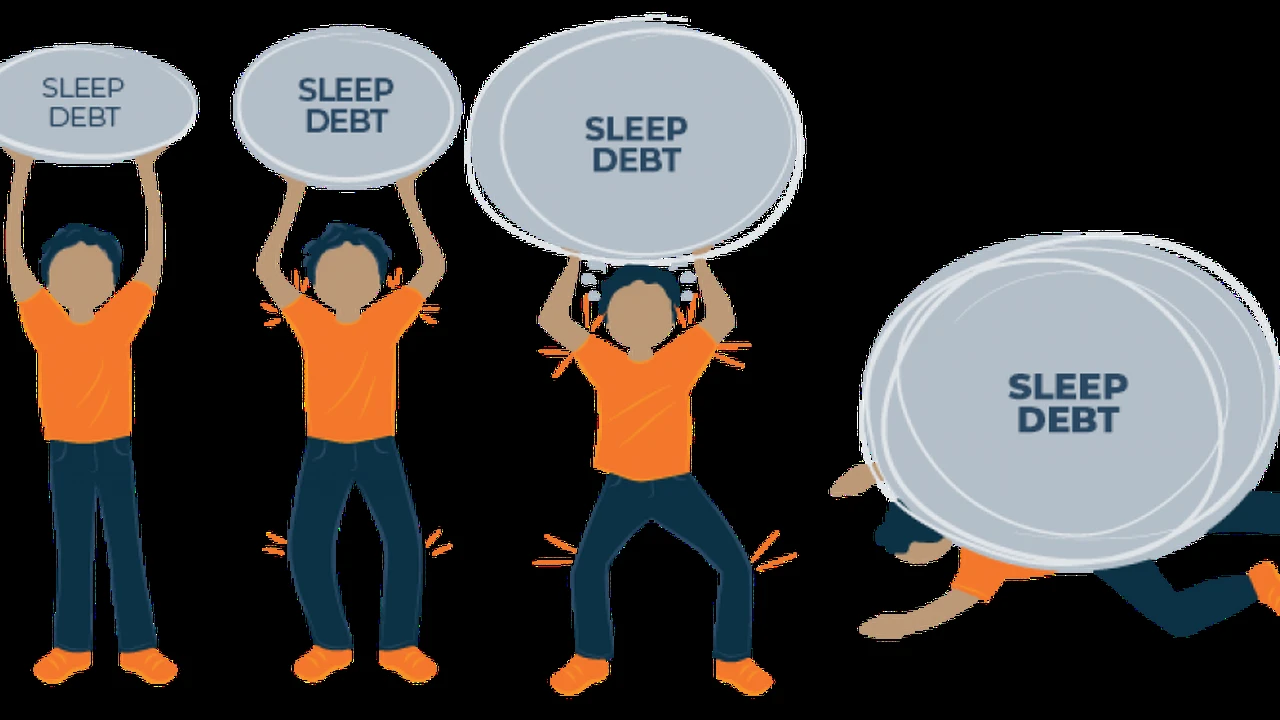
Have you ever felt like you're constantly playing catch-up with your sleep? That feeling of persistent tiredness, even after what you thought was a decent night's rest, might be a sign of sleep debt. Simply put, sleep debt, also known as sleep deficit, is the difference between the amount of sleep you need and the amount you actually get. For most adults, the recommended amount is around 7 to 9 hours per night. If you consistently get less than that, say 6 hours, you're accumulating an hour of sleep debt every single night. Over a week, that's 7 hours, which is essentially a full night's sleep you've missed out on. And trust me, your body keeps a meticulous record.
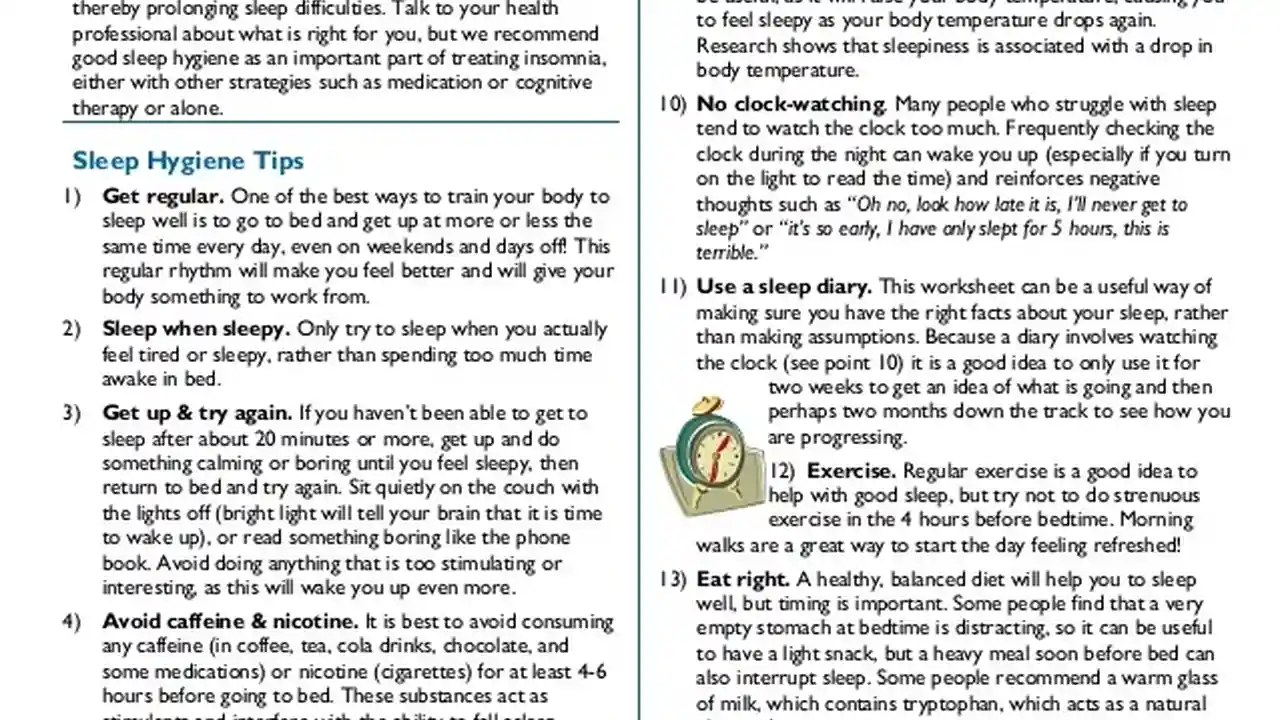
Why does this matter? Because sleep isn't just about resting; it's a vital biological process that impacts every single system in your body. When you accumulate sleep debt, you're not just feeling tired; you're actively compromising your physical and mental health. Think of it like a bank account: if you keep withdrawing more than you deposit, eventually you'll hit rock bottom. With sleep, that 'rock bottom' can manifest in a myriad of negative health consequences, from impaired cognitive function to increased risk of chronic diseases. It's not something you can just 'power through' indefinitely without repercussions.
The Hidden Dangers of Chronic Sleep Debt Your Body Knows
The immediate effects of sleep debt are often noticeable: irritability, difficulty concentrating, and a general feeling of sluggishness. But the long-term consequences are far more insidious and can significantly impact your overall well-being. Let's break down some of the major areas where chronic sleep debt takes its toll:
Cognitive Decline and Brain Fog
Your brain relies on sleep to consolidate memories, process information, and clear out metabolic waste products. When you're sleep-deprived, these processes are severely hampered. You might find yourself struggling with memory recall, making more mistakes at work or school, having difficulty solving problems, and experiencing a general 'brain fog.' Your reaction time slows down, and your decision-making abilities are impaired, which can be particularly dangerous if you're driving or operating machinery.
Weakened Immune System and Frequent Illness
Sleep plays a crucial role in maintaining a robust immune system. During sleep, your body produces protective proteins called cytokines, which are essential for fighting off infections and inflammation. When you don't get enough sleep, your body produces fewer of these cytokines, leaving you more vulnerable to colds, flu, and other infections. You might find yourself getting sick more often and taking longer to recover.
Increased Risk of Chronic Diseases
This is where sleep debt gets really serious. Chronic sleep deprivation has been linked to an increased risk of several severe health conditions:
- Heart Disease and High Blood Pressure: Lack of sleep can lead to higher blood pressure, increased inflammation, and elevated stress hormones, all of which contribute to cardiovascular problems.
- Diabetes: Sleep deprivation affects how your body processes glucose, leading to insulin resistance and an increased risk of developing type 2 diabetes.
- Obesity: Sleep debt disrupts the hormones that regulate appetite – ghrelin (which stimulates hunger) and leptin (which signals fullness). This imbalance can lead to increased cravings for unhealthy foods and overeating.
- Mental Health Issues: There's a strong bidirectional relationship between sleep and mental health. Sleep deprivation can exacerbate symptoms of anxiety, depression, and even contribute to the development of mood disorders.
Mood Swings and Emotional Instability
Ever noticed how grumpy you get when you're tired? Sleep debt significantly impacts your emotional regulation. You might find yourself more irritable, prone to mood swings, and less able to cope with stress. Your patience wears thin, and minor annoyances can feel like major catastrophes.
How to Calculate Your Sleep Debt and Identify the Signs
Calculating your sleep debt isn't an exact science, but you can get a good estimate. First, determine your ideal sleep duration. For most adults, this is between 7 and 9 hours. You can figure this out by going to bed at the same time every night for a week or two (even on weekends) and waking up naturally without an alarm. The average amount of sleep you get during this period is likely your ideal. Once you know that, simply subtract the amount of sleep you typically get on a given night from your ideal. That difference is your daily sleep debt.
Beyond the numbers, your body sends clear signals when you're accumulating sleep debt. Look out for these common signs:
- Needing an alarm clock to wake up, especially if you hit snooze multiple times.
- Feeling drowsy or falling asleep during passive activities (e.g., watching TV, sitting in meetings, driving).
- Difficulty concentrating or remembering things.
- Increased irritability or moodiness.
- Craving sugary or high-carb foods.
- Frequent yawning.
- Feeling tired even after what you consider a full night's sleep.
Repaying Your Sleep Debt Practical Strategies and Tools
The good news is that sleep debt isn't permanent. You can repay it, but it takes consistent effort and a strategic approach. Think of it as paying off a loan – you can't do it all at once, but consistent payments will get you there.
The Power of Napping Strategic Rest
Napping can be a fantastic tool for chipping away at sleep debt, but timing and duration are key. A short power nap (20-30 minutes) can boost alertness and performance without causing sleep inertia (that groggy feeling). Longer naps (90 minutes) can allow you to complete a full sleep cycle, offering more restorative benefits, but these are best reserved for days when you have ample time to wake up naturally. Avoid napping too close to bedtime, as it can interfere with your nighttime sleep.
Adding Extra Sleep Gradually and Consistently
The most effective way to repay sleep debt is to consistently add more sleep to your routine. This doesn't mean sleeping for 12 hours straight on a Saturday. Instead, try to go to bed 15-30 minutes earlier each night, or wake up 15-30 minutes later, until you reach your ideal sleep duration. Consistency is crucial here. Even on weekends, try to stick to a sleep schedule that's within an hour of your weekday routine to avoid 'social jet lag.'
Prioritizing Sleep Hygiene Your Foundation for Rest
Excellent sleep hygiene is the bedrock of healthy sleep. This involves creating an environment and routine conducive to rest. Here are some key elements:
- Consistent Sleep Schedule: Go to bed and wake up at roughly the same time every day, even on weekends.
- Optimize Your Bedroom: Make your bedroom dark, quiet, and cool. Invest in blackout curtains, earplugs, or a white noise machine if needed.
- Limit Screen Time Before Bed: The blue light emitted from electronic devices can suppress melatonin production. Aim to put away screens at least an hour before bed.
- Avoid Caffeine and Alcohol: Especially in the hours leading up to bedtime. Both can disrupt sleep architecture.
- Regular Exercise: Physical activity can improve sleep quality, but avoid intense workouts too close to bedtime.
- Relaxing Bedtime Routine: Wind down with activities like reading, a warm bath, or gentle stretching.
Recommended Products to Aid Sleep Debt Recovery and Sleep Optimization
While lifestyle changes are paramount, certain products can significantly aid in your journey to repay sleep debt and optimize your sleep. Here are a few categories and specific recommendations, keeping in mind different budgets and needs:
1. Sleep Trackers and Smart Rings for Data Driven Insights
Understanding your sleep patterns is the first step to improving them. Sleep trackers provide valuable data on your sleep stages, duration, and disturbances, helping you identify areas for improvement.
Oura Ring Gen3
- Description: A sleek, comfortable smart ring that tracks sleep stages (REM, deep, light), heart rate, heart rate variability, body temperature, and activity. It provides a daily 'Readiness Score' based on your sleep and activity, guiding you on how much rest you need.
- Use Case: Ideal for those who want comprehensive, accurate sleep data without wearing a bulky watch to bed. Its discreet design makes it comfortable for all-night wear.
- Pros: Highly accurate sleep stage tracking, comfortable, long battery life (4-7 days), insightful daily readiness score, integrates with Apple Health/Google Fit.
- Cons: Higher price point, requires a subscription for full features after the first month, no screen for immediate data.
- Price Range: $$$ (Typically $299-$399 + monthly subscription)
Whoop 4.0
- Description: A wrist-worn strap (or worn on other body parts with accessories) that focuses on recovery, strain, and sleep. It provides detailed sleep staging, respiratory rate, and skin temperature, offering personalized recommendations for optimal recovery.
- Use Case: Excellent for athletes or individuals with demanding lifestyles who need to optimize recovery and understand the impact of their daily activities on sleep.
- Pros: Very detailed physiological data, excellent recovery insights, comfortable, no screen (less distraction), long battery life.
- Cons: Subscription-based model (no upfront purchase, only subscription), can be less intuitive for casual users, requires consistent wear.
- Price Range: $$$ (Subscription based, typically $30/month or less for longer commitments)
Fitbit Charge 6
- Description: A popular fitness tracker that also offers robust sleep tracking features, including sleep stages, sleep score, and smart wake alarms. It's a good all-rounder for activity and sleep.
- Use Case: Great for individuals looking for a more affordable option that combines fitness tracking with solid sleep insights.
- Pros: More affordable, good battery life (up to 7 days), integrates with Fitbit app for easy data visualization, includes other fitness features.
- Cons: Sleep tracking accuracy can be less precise than dedicated sleep devices, requires wearing a watch to bed.
- Price Range: $$ (Typically $159-$179)
2. White Noise Machines and Sound Machines for a Peaceful Environment
Masking disruptive noises and creating a consistent soundscape can significantly improve sleep quality, especially if you live in a noisy environment or have tinnitus.
Hatch Restore 2
- Description: More than just a sound machine, the Hatch Restore 2 is a smart sleep assistant. It combines a sound machine, sunrise alarm, smart light, and guided meditations/sleep stories.
- Use Case: Perfect for those who want an all-in-one bedside device to create a comprehensive sleep and wake-up routine.
- Pros: Highly customizable sounds and light, gentle sunrise alarm, guided content, sleek design, app control.
- Cons: Higher price point, some features require a subscription, can be complex to set up initially.
- Price Range: $$$ (Typically $199-$249 + optional subscription)
LectroFan EVO
- Description: A dedicated sound machine offering 22 unique non-looping sounds, including fan sounds, white noise variations, and ocean sounds. It's designed purely for sound masking.
- Use Case: Ideal for those who prioritize effective sound masking and want a simple, reliable device without extra bells and whistles.
- Pros: Excellent sound quality, truly non-looping sounds (no repetitive patterns), compact, good volume range.
- Cons: No smart features, limited sound variety compared to app-based solutions.
- Price Range: $$ (Typically $49-$69)
Dohm Nova by Marpac
- Description: The original and classic 'fan-based' white noise machine. It creates natural, soothing fan sounds without actually blowing air, providing consistent ambient noise.
- Use Case: Best for purists who prefer the natural, non-electronic sound of a fan for sleep.
- Pros: Natural fan sound, simple to use, durable, effective at masking noise.
- Cons: Limited sound options (only fan sounds), not as portable as electronic sound machines.
- Price Range: $$ (Typically $59-$79)
3. Blackout Curtains and Sleep Masks for Light Control
Eliminating light is crucial for melatonin production and deep sleep, especially if you live in an urban area or travel frequently.
Nicetown Blackout Curtains
- Description: Highly-rated thermal insulated blackout curtains that effectively block out sunlight and UV rays, also helping with temperature regulation and noise reduction.
- Use Case: Essential for anyone whose bedroom isn't sufficiently dark, whether due to streetlights, early morning sun, or shift work.
- Pros: Excellent light blocking, good thermal insulation, wide range of sizes and colors, affordable.
- Cons: Can be heavy, may require specific curtain rods.
- Price Range: $ (Varies widely by size, typically $20-$60 per panel)
MZOO Sleep Eye Mask
- Description: A contoured sleep mask designed to block 100% of light without putting pressure on your eyes. It features a deep eye cup design, allowing for blinking and eye movement.
- Use Case: Perfect for travelers, nappers, or anyone who needs complete darkness regardless of their environment.
- Pros: Total light blockage, comfortable (no eye pressure), adjustable strap, breathable material.
- Cons: Can feel bulky for some, may shift slightly for side sleepers.
- Price Range: $ (Typically $10-$15)
4. Smart Lighting Solutions for Circadian Rhythm Support
Controlling the light in your environment can significantly impact your circadian rhythm and melatonin production.
Philips Hue Smart Lighting System
- Description: A comprehensive smart lighting system that allows you to control the color and brightness of your lights via an app or voice commands. You can set schedules to mimic natural light cycles, gradually dimming in the evening and brightening in the morning.
- Use Case: Ideal for creating a dynamic lighting environment that supports your natural sleep-wake cycle, especially for those who struggle with evening wind-down or morning wake-up.
- Pros: Wide range of bulbs and fixtures, excellent app control, integrates with smart home systems, highly customizable light recipes.
- Cons: Higher initial investment, requires a Hue Bridge for full functionality.
- Price Range: $$$ (Starter kits typically $70-$150, individual bulbs $15-$50)
The Long-Term Benefits of Prioritizing Sleep Your Investment in Health
Repaying sleep debt and consistently prioritizing sleep isn't just about feeling less tired; it's a profound investment in your long-term health and quality of life. When you consistently get enough restorative sleep, you'll notice improvements across the board:
- Enhanced Cognitive Function: Sharper memory, improved focus, better problem-solving skills, and increased creativity.
- Stronger Immune System: Fewer sick days and faster recovery when you do get ill.
- Better Mood and Emotional Resilience: Increased patience, reduced irritability, and a greater ability to handle stress.
- Improved Physical Health: Lower risk of chronic diseases like heart disease, diabetes, and obesity. Better athletic performance and faster physical recovery.
- Increased Energy and Productivity: You'll have more sustained energy throughout the day, leading to greater productivity at work or in your personal life.
- Overall Well-being: A general feeling of vitality, happiness, and contentment.
Think of sleep as a non-negotiable pillar of health, just like nutrition and exercise. It's not a luxury; it's a necessity. By understanding sleep debt, recognizing its signs, and actively working to repay it, you're taking a powerful step towards a healthier, happier, and more productive life. So, go ahead, give your body the sleep it deserves. You'll thank yourself for it.
:max_bytes(150000):strip_icc()/277019-baked-pork-chops-with-cream-of-mushroom-soup-DDMFS-beauty-4x3-BG-7505-5762b731cf30447d9cbbbbbf387beafa.jpg)