Sleep Cycles in Children
Understand the unique sleep cycles of children and their developmental needs. Support healthy sleep habits for growing kids.
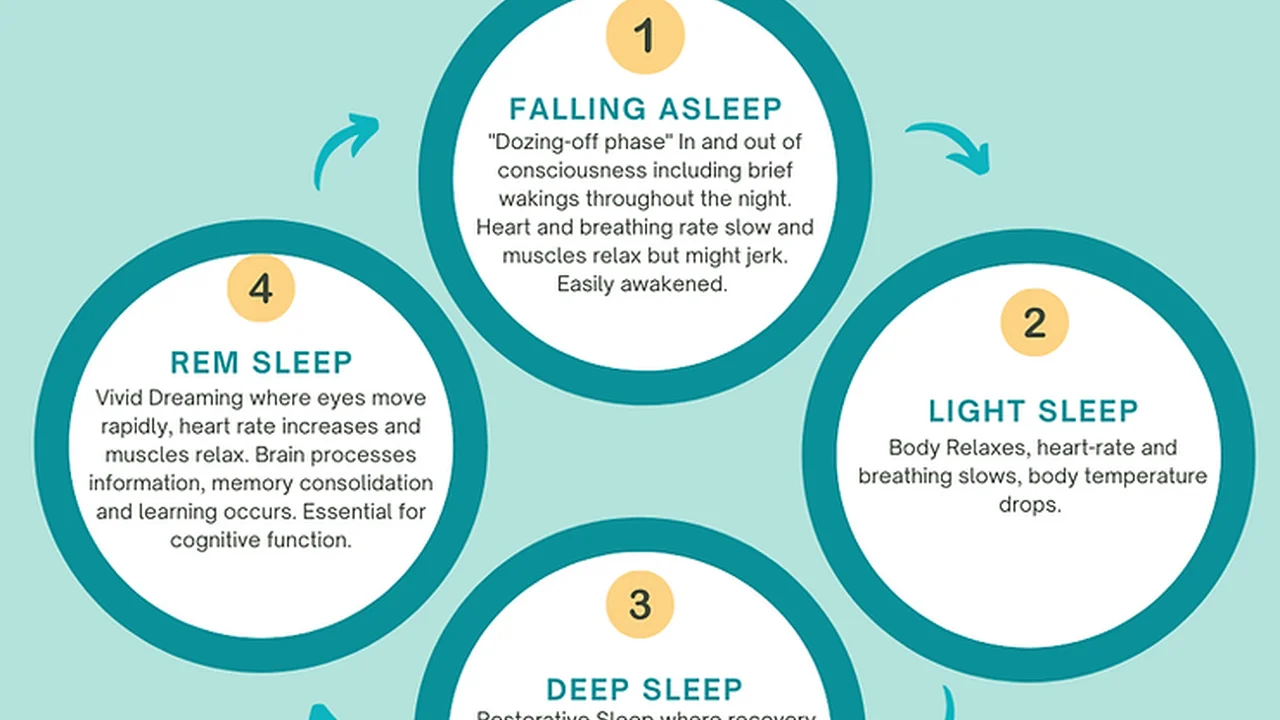
Understand the unique sleep cycles of children and their developmental needs. Support healthy sleep habits for growing kids.
Sleep Cycles in Children Understanding Developmental Needs
Hey there, parents and caregivers! Ever wonder why your little one's sleep seems to be a constantly moving target? One day they're sleeping through the night like a champ, the next they're up every few hours. It's not just you; children's sleep cycles are incredibly dynamic and tied directly to their rapid development. Unlike adult sleep, which tends to settle into a more predictable pattern, a child's sleep architecture is a fascinating journey of growth and change. Understanding these unique sleep cycles is key to supporting healthy sleep habits for your growing kids, and ultimately, for your own sanity too!
We're going to dive deep into the science behind how children sleep, from newborns to teenagers. We'll explore the different stages of sleep, how they evolve with age, and why these changes are so crucial for physical and cognitive development. We'll also tackle common sleep challenges at various ages and offer practical, actionable advice to help your child (and you!) get the restorative sleep they need. Plus, we'll look at some fantastic products that can make a real difference in creating an optimal sleep environment for your little ones.
Newborn Sleep Cycles The First Few Months
Let's start at the very beginning: newborns. Their sleep is, to put it mildly, chaotic. Newborns spend about 16-17 hours a day sleeping, but it's broken up into short bursts, usually 2-4 hours at a time. This is because their sleep cycles are much shorter than an adult's, typically around 50-60 minutes. They also spend a significantly higher percentage of their sleep in REM (Rapid Eye Movement) sleep, which is crucial for brain development. In fact, up to 50% of a newborn's sleep is REM, compared to about 20% for adults. This active sleep is vital for learning and processing the vast amount of new information they encounter daily.
During these early months, newborns haven't yet developed a strong circadian rhythm, the internal clock that tells us when to be awake and when to sleep. This means they don't distinguish between day and night, which is why those middle-of-the-night feedings and wake-ups are so common. Their sleep is primarily driven by hunger and comfort. As they grow, their sleep cycles will gradually lengthen, and the proportion of REM sleep will decrease, while non-REM (NREM) sleep, particularly deep sleep, will increase.
Practical Tips for Newborn Sleep:
- Day/Night Differentiation: Keep days bright and active, and nights dark and quiet. This helps them start to learn the difference.
- Consistent Routine: Even a simple bedtime routine (bath, feeding, cuddle) can signal to them that sleep is coming.
- Safe Sleep Environment: Always place babies on their back to sleep in a crib or bassinet with a firm mattress and no loose bedding.
Infant Sleep Patterns 3 to 12 Months Development
As your baby moves past the newborn stage, typically around 3-4 months, their sleep patterns begin to mature. Their circadian rhythm starts to develop, and they may begin to sleep for longer stretches at night, sometimes even 'sleeping through the night' (which often means 5-6 hours uninterrupted). Their sleep cycles lengthen to about 90 minutes, similar to adults, and they start to spend more time in NREM sleep stages, particularly deep sleep (Stage N3).
This period is also when sleep regressions often occur, around 4 months, 8-10 months, and 12 months. These are usually tied to developmental leaps – like rolling over, sitting up, crawling, or walking – which can temporarily disrupt sleep as their brains are busy processing new skills. It's a sign of healthy development, even if it's exhausting for parents!
Product Recommendations for Infant Sleep:
Best Swaddles for Infant Sleep Comfort
Swaddling can be a game-changer for infants, mimicking the snugness of the womb and preventing the startle reflex that can wake them up. Here are a few top picks:
- Aden + Anais Muslin Swaddles: These are incredibly breathable and versatile. They come in packs of 4 for around $40-$50 USD. They're great for warmer climates like Southeast Asia due to their lightweight fabric.
- Halo SleepSack Swaddle: This is a popular choice because it's easy to use with Velcro closures and allows for arms in or out. Prices range from $20-$30 USD. It's a good all-rounder for various climates.
- Love To Dream Swaddle UP: This unique swaddle allows babies to sleep with their arms up, which many babies prefer. It's priced around $30-$40 USD. Excellent for babies who resist traditional swaddling.
Top White Noise Machines for Infant Sleep Environment
White noise can help mask household sounds and create a consistent, calming sleep environment. It's particularly useful in urban settings or apartments.
- Hatch Rest+ Sound Machine, Night Light, Time-to-Rise: This is a multi-functional device that's a sound machine, night light, and time-to-rise clock all in one. It's app-controlled and highly customizable. Priced around $90-$100 USD. Its versatility makes it a great long-term investment.
- Dohm Nova Sound Machine: A classic, fan-based white noise machine that creates natural, non-looping sound. Simple, effective, and durable. Typically costs $50-$60 USD. Great for those who prefer a true fan sound.
- LectroFan Micro2 Sleep Sound Machine: A compact, portable option perfect for travel or small spaces. Offers various white noise and fan sounds. Around $30-$40 USD. Ideal for families on the go.
Toddler Sleep Challenges 1 to 3 Years Independence
Toddlerhood brings new sleep challenges, often related to their burgeoning independence and cognitive development. Night terrors, nightmares, and resistance to bedtime become more common. Their sleep cycles are now very similar to adults, with distinct stages of NREM and REM sleep. However, their active imaginations and growing vocabulary can sometimes interfere with settling down for the night.
Separation anxiety can also peak during this age, leading to bedtime battles. Consistency and a strong, comforting bedtime routine are more important than ever. This is also the age when many toddlers transition from a crib to a bed, which can be another source of sleep disruption.
Practical Tips for Toddler Sleep:
- Consistent Bedtime Routine: Stick to a predictable routine every night.
- Comfort Object: A special blanket or stuffed animal can provide comfort.
- Limit Screen Time: Avoid screens at least an hour before bed.
- Positive Reinforcement: Praise good sleep habits.
Best Toddler Beds for Safe Sleep Transition
Transitioning from a crib to a bed can be a big step. Here are some options that prioritize safety and comfort:
- Delta Children Canton Toddler Bed: A simple, sturdy, and affordable option that uses a standard crib mattress. Often under $100 USD. Great for a smooth transition without a huge investment.
- Graco Hadley 4-in-1 Convertible Crib with Drawer: While a crib, many convertible cribs transition into toddler beds, daybeds, and full-size beds, offering long-term value. Prices vary widely but expect $200-$400 USD. Excellent for maximizing value over time.
- IKEA KURA Reversible Bed: A versatile bed that can be used as a low bed or flipped to be a loft bed. Great for small spaces and growing kids. Around $150-$200 USD. Offers flexibility as your child grows.
Preschool and School-Aged Children Sleep Needs 3 to 12 Years Growth
As children enter preschool and school, their sleep needs remain significant, though the total amount of sleep required gradually decreases. They typically need 10-13 hours of sleep for preschoolers (3-5 years) and 9-11 hours for school-aged children (6-12 years). Sleep continues to be vital for cognitive function, emotional regulation, and physical growth.
During these years, sleep problems can arise from increased academic pressure, extracurricular activities, and social interactions. Sleepwalking and night terrors might still occur, but often become less frequent. Establishing good sleep hygiene becomes paramount, as habits formed now can impact their sleep well into adulthood.
Product Recommendations for School-Aged Sleep:
Top Kids Alarm Clocks for Independent Waking
These clocks help teach children about time and independent waking, often with fun features.
- OK to Wake! Children's Alarm Clock and Night-Light: This clock glows green when it's 'OK to Wake!' and yellow for 'OK to Play!' before wake-up time. It's a visual cue that helps kids understand when it's acceptable to get out of bed. Around $30-$40 USD. Fantastic for early risers.
- Mirari OK to Wake! Alarm Clock & Night-Light: Similar to the above, this one also has a fun face that changes expressions. It's designed to be intuitive for young children. Priced around $30-$40 USD. Another great visual aid.
- Philips Wake-Up Light Alarm Clock: While a bit pricier (around $50-$100 USD), this clock simulates a sunrise, gradually brightening to wake your child naturally. It can also play nature sounds. Excellent for a gentle wake-up.
Best Kids Weighted Blankets for Calming Sleep
Weighted blankets can provide a sense of calm and security, which can be beneficial for children who have trouble settling down.
- YnM Kids Weighted Blanket: A popular and affordable option, available in various weights and patterns. Ensure you choose a blanket that is about 10% of your child's body weight. Prices range from $30-$60 USD depending on size and weight. Good value and widely available.
- Luna Kids Weighted Blanket: Known for its quality and comfort, Luna offers well-made weighted blankets for children. They often have soft, breathable covers. Expect to pay $50-$80 USD. A premium option for comfort.
- ZonLi Kids Weighted Blanket: Another highly-rated option that comes in many sizes and weights. They often feature good stitching to keep the glass beads evenly distributed. Around $30-$60 USD. Reliable and effective.
Teenage Sleep Patterns The Adolescent Shift
Ah, teenagers. Their sleep patterns are perhaps the most misunderstood. Adolescence brings a significant biological shift in their circadian rhythm, often referred to as 'delayed sleep phase syndrome.' This means their natural tendency is to fall asleep later and wake up later. Melatonin, the sleep hormone, is released later in the evening for teens compared to younger children and adults.
Despite needing 8-10 hours of sleep, early school start times often mean teens are chronically sleep-deprived. This can impact academic performance, mood, and even increase the risk of accidents. Encouraging good sleep hygiene, limiting screen time before bed, and advocating for later school start times can all help.
Practical Tips for Teenage Sleep:
- Consistent Sleep Schedule: Even on weekends, try to keep wake-up times relatively consistent.
- Limit Blue Light: Encourage no screens an hour before bed.
- Create a Relaxing Environment: Their room should be dark, quiet, and cool.
- Avoid Caffeine and Energy Drinks: Especially in the afternoon and evening.
Top Blue Light Blocking Glasses for Teen Sleep Health
These glasses can help reduce the impact of blue light from screens, which can interfere with melatonin production.
- Gamma Ray Optics Blue Light Blocking Glasses: Affordable and effective, these glasses come in various styles and are a good entry-level option. Often under $20 USD. Great for everyday use.
- Felix Gray Blue Light Glasses: A more stylish and higher-quality option, Felix Gray glasses filter blue light without a strong yellow tint. Priced around $95-$100 USD. Good for fashion-conscious teens.
- Cyxus Blue Light Filter Glasses: Another popular brand offering a range of styles and effective blue light filtration. Prices typically range from $20-$40 USD. A solid mid-range choice.
Best Smart Lighting for Teen Bedrooms Sleep Optimization
Smart lighting can help regulate circadian rhythms by providing appropriate light at different times of the day.
- Philips Hue Smart Bulbs: These allow for full control over color and brightness, enabling teens to set warm, dim lights in the evening and brighter, cooler lights in the morning. A starter kit is around $70-$100 USD. Highly versatile and integrates with smart home systems.
- Govee Smart LED Strip Lights: A more budget-friendly option for adding ambient lighting. These strips can be controlled via an app and offer millions of colors. Around $20-$40 USD. Great for creating a personalized ambiance.
- LIFX Smart Bulbs: Similar to Philips Hue, LIFX bulbs offer excellent color accuracy and brightness. They connect directly to Wi-Fi, no hub needed. Prices vary but expect $30-$50 USD per bulb. Another strong contender for smart lighting.
Common Sleep Disruptors in Children and Solutions
Beyond developmental changes, several factors can disrupt a child's sleep. Illness, teething, growth spurts, changes in routine (like starting daycare or school), and even excitement can all throw a wrench in sleep patterns. Addressing these underlying issues is crucial for getting sleep back on track.
Solutions for Common Disruptors:
- Illness: Focus on comfort and symptom relief. Keep routines as normal as possible.
- Teething: Pain relief (as recommended by a pediatrician) and extra comfort.
- Growth Spurts: Increased hunger might mean temporary night feedings for younger babies.
- Routine Changes: Be patient and consistent with the new routine.
- Excitement: Wind-down activities and a calm environment before bed.
Creating an Optimal Sleep Environment for Kids All Ages
Regardless of age, a conducive sleep environment is fundamental. This means a room that is dark, quiet, and cool. Consistency in the sleep space helps children associate it with rest. Consider these elements:
- Darkness: Blackout curtains are essential, especially in places with long daylight hours or bright city lights.
- Quiet: White noise machines can help mask disruptive sounds.
- Cool Temperature: The ideal sleep temperature is generally between 68-72°F (20-22°C).
- Comfortable Bedding: Breathable sheets and appropriate blankets for the climate.
- Safety: Ensure the sleep space is free from hazards, especially for younger children.
Understanding the unique journey of children's sleep cycles, from the rapid REM-dominated sleep of newborns to the delayed sleep phase of teenagers, empowers us as parents and caregivers. By recognizing these developmental needs and implementing supportive strategies and products, we can help our children build healthy sleep habits that will benefit them for a lifetime. Remember, every child is different, and patience and consistency are your best tools. Keep observing, keep adapting, and keep supporting their amazing growth, one restful night at a time.
:max_bytes(150000):strip_icc()/277019-baked-pork-chops-with-cream-of-mushroom-soup-DDMFS-beauty-4x3-BG-7505-5762b731cf30447d9cbbbbbf387beafa.jpg)