Privacy Concerns with Sleep Tracking Data
Learn how to integrate sleep technology with your smart home for a seamless experience. Automate your sleep environment.
Learn how to integrate sleep technology with your smart home for a seamless experience. Automate your sleep environment.
Integrating Sleep Tech with Smart Home Systems
Hey there, sleep enthusiasts and tech lovers! Ever dreamed of a bedroom that intuitively understands your sleep needs and adjusts itself for optimal rest? Well, that dream is becoming a reality thanks to the incredible synergy between sleep technology and smart home systems. We're talking about a world where your lights dim automatically, your thermostat adjusts to the perfect sleep temperature, and soothing sounds fill the air, all without you lifting a finger. It's not just about convenience; it's about creating a truly optimized sleep sanctuary that works for you, every single night.
The idea is simple: connect your various sleep-enhancing gadgets – from smart mattresses to sleep trackers and smart lighting – to a central smart home hub. This allows them to communicate and work together, creating a holistic and automated sleep environment. Imagine your smart alarm not just waking you up, but also triggering your smart blinds to open gradually, letting in natural light, and even starting your coffee maker. This level of integration can transform your nightly routine and significantly improve your sleep quality.
Why Integrate Sleep Tech with Your Smart Home? Benefits for Sleep Optimization
So, why go through the trouble of integrating your sleep tech? The benefits are pretty compelling. First off, it's all about automation. Instead of manually adjusting multiple devices, your smart home can handle it all. This reduces friction and ensures consistency, which is key for establishing healthy sleep habits. Think about it: no more fumbling for the light switch or fiddling with the thermostat when you're half-asleep. Your environment simply adapts to your needs.
Secondly, integration allows for personalized sleep routines. Your smart home can learn your preferences and patterns over time. For example, if your sleep tracker detects you're entering a deep sleep phase, it might signal your thermostat to slightly lower the temperature for optimal comfort. Or, if you're struggling to fall asleep, your smart lights could automatically switch to a warm, dim glow, signaling to your brain that it's time to wind down.
Thirdly, it provides a holistic view of your sleep health. When all your devices are connected, the data they collect can be aggregated and analyzed, offering deeper insights into your sleep patterns and the environmental factors affecting them. This comprehensive data can help you identify trends, pinpoint issues, and make informed adjustments to your sleep environment and habits.
Finally, it's about creating a truly seamless experience. Your smart home becomes an active participant in your sleep journey, working silently in the background to ensure you get the best possible rest. This can lead to reduced stress, improved mood, and enhanced cognitive function throughout your day.
Key Smart Home Platforms for Sleep Integration
Before diving into specific devices, let's talk about the central nervous system of your smart sleep setup: the smart home platform. These platforms act as the brain, allowing different devices to communicate and work together. The most popular ones you'll encounter are:
Amazon Alexa for Sleep Automation
Amazon Alexa is a powerhouse for smart home control, and it's incredibly versatile for sleep integration. With a vast ecosystem of compatible devices, you can use voice commands or routines to manage your sleep environment. For example, you can say, "Alexa, good night," and have her dim the lights, lock the doors, and start a white noise machine. Alexa's routines allow for complex sequences of actions based on time, device status, or even your sleep tracker data (if the tracker integrates with Alexa).
Many smart sleep devices, like Philips Hue lights, Ecobee thermostats, and even some smart beds, have direct Alexa integration. This makes it easy to set up voice-controlled sleep scenes or automated routines that trigger based on your bedtime or wake-up time. The sheer number of compatible devices makes Alexa a strong contender for a comprehensive smart sleep system.
Google Home and Google Assistant for Sleep Routines
Similar to Alexa, Google Home and Google Assistant offer robust smart home capabilities. Google's strength lies in its deep integration with other Google services and its intuitive user interface. You can create custom routines like "Hey Google, I'm going to bed," which could then turn off your living room lights, activate your bedroom fan, and play a sleep meditation from a connected speaker.
Google Home works seamlessly with a wide range of smart devices, including Nest thermostats, Google-compatible smart lighting, and various smart plugs. Its ability to understand natural language commands makes it very user-friendly for setting up personalized sleep environments. If you're already in the Google ecosystem, this is a natural fit for your smart sleep journey.
Apple HomeKit for Secure Sleep Environments
For Apple users, HomeKit offers a secure and privacy-focused smart home platform. While its device compatibility might be slightly less extensive than Alexa or Google, HomeKit-enabled devices are known for their reliability and strong security features. You can control your sleep environment using the Home app on your iPhone, iPad, or Mac, or with Siri voice commands.
HomeKit allows you to create powerful automations, such as having your bedroom lights gradually brighten in the morning, or your smart blinds open when your alarm goes off. Many smart lighting systems, smart plugs, and even some smart air purifiers are HomeKit compatible. If privacy and a seamless Apple experience are your top priorities, HomeKit is an excellent choice for building your smart sleep sanctuary.
Essential Smart Sleep Devices for Integration
Now that we've covered the platforms, let's talk about the actual devices that make up your smart sleep ecosystem. These are the gadgets that will work together to create your ideal sleep environment.
Smart Lighting for Circadian Rhythm Support
Smart lights are perhaps one of the most impactful smart home devices for sleep. They can be programmed to mimic natural light cycles, helping to regulate your circadian rhythm. In the evening, they can shift to warmer, dimmer tones, reducing blue light exposure that can interfere with melatonin production. In the morning, they can gradually brighten, simulating a sunrise and gently waking you up.
Philips Hue: This is the gold standard for smart lighting. Philips Hue bulbs offer a vast range of colors and brightness levels, and they integrate seamlessly with Alexa, Google Home, and Apple HomeKit. You can set up routines for gradual dimming at bedtime and simulated sunrises in the morning. A starter kit with a few bulbs and a bridge typically costs around $150-$200, with individual bulbs ranging from $15-$50. They are incredibly reliable and offer excellent color accuracy.
LIFX: LIFX bulbs are another excellent option, known for their vibrant colors and high brightness. Unlike Philips Hue, many LIFX bulbs don't require a separate hub, connecting directly to your Wi-Fi. They also integrate with major smart home platforms. Prices are comparable to Philips Hue, with individual bulbs around $20-$60. They are great for those who want a simpler setup without an extra hub.
Smart Thermostats for Optimal Sleep Temperature
Temperature plays a crucial role in sleep quality. A smart thermostat can learn your preferences and automatically adjust the temperature throughout the night, ensuring your bedroom stays in the optimal range (typically 65-68°F or 18-20°C).
Ecobee Smart Thermostat Premium: This thermostat is packed with features, including a built-in air quality sensor and a smart sensor that can detect occupancy and temperature in different rooms. It integrates with Alexa, Google Home, and HomeKit. You can program it to lower the temperature at bedtime and raise it before you wake up. The Ecobee Smart Thermostat Premium usually retails for around $250-$300. It's a premium option that offers excellent control and data.
Google Nest Thermostat: The Nest Thermostat is known for its sleek design and intuitive learning capabilities. It can learn your schedule and preferences over time, automatically adjusting the temperature. It integrates seamlessly with Google Home and can be controlled via the Nest app. The Google Nest Thermostat is more budget-friendly, typically costing around $100-$130. It's a great choice for those looking for a smart thermostat without all the bells and whistles of higher-end models.
Smart Blinds and Shades for Light Control
Controlling natural light is essential for sleep. Smart blinds or shades can be programmed to close at sunset and open gradually in the morning, providing complete darkness for sleep and a gentle wake-up.
Lutron Serena Smart Shades: Lutron is a leader in smart lighting and shading. Their Serena shades offer quiet operation and precise control, integrating with Alexa, Google Home, and HomeKit. They are custom-made, so prices vary widely depending on size and material, but expect to pay several hundred dollars per shade. They are a premium, high-quality solution for seamless light control.
IKEA FYRTUR Blackout Blinds: For a more budget-friendly option, IKEA offers smart blackout blinds that can be controlled via their TRÅDFRI gateway (which also integrates with Alexa, Google Home, and HomeKit). These are a great entry point into smart shading, with prices starting around $120-$150 per blind. They offer good blackout capabilities and are relatively easy to install.
Smart Sleep Trackers and Wearables for Data Integration
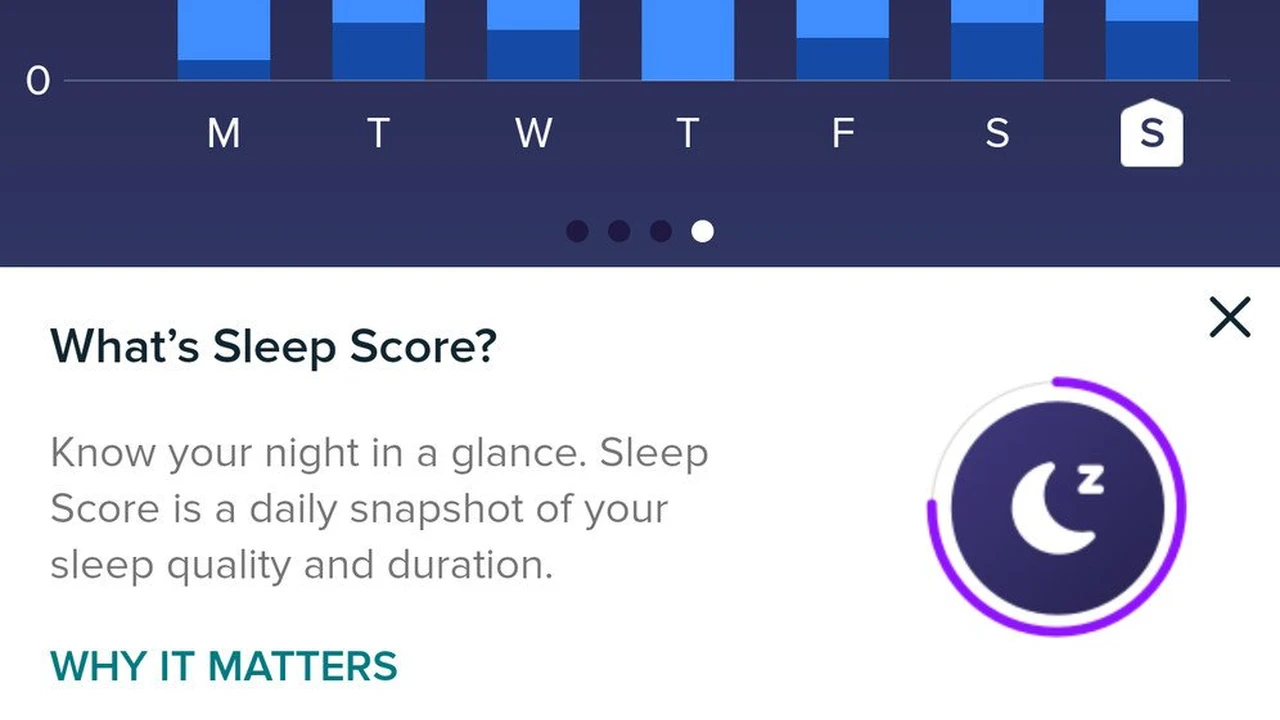
While many sleep trackers are standalone, some offer integration with smart home platforms, allowing their data to trigger routines. For example, if your tracker detects you've fallen asleep, it could signal your smart home to turn off all lights and activate a 'sleep mode'.
Oura Ring: The Oura Ring is a popular sleep and activity tracker worn on your finger. While it doesn't directly control smart home devices, its data can be integrated with platforms like IFTTT (If This Then That) to trigger smart home actions. For example, if Oura detects you're in bed, IFTTT could tell your smart lights to dim. The Oura Ring costs around $299-$399, plus a monthly subscription for full features. It's excellent for detailed sleep insights.
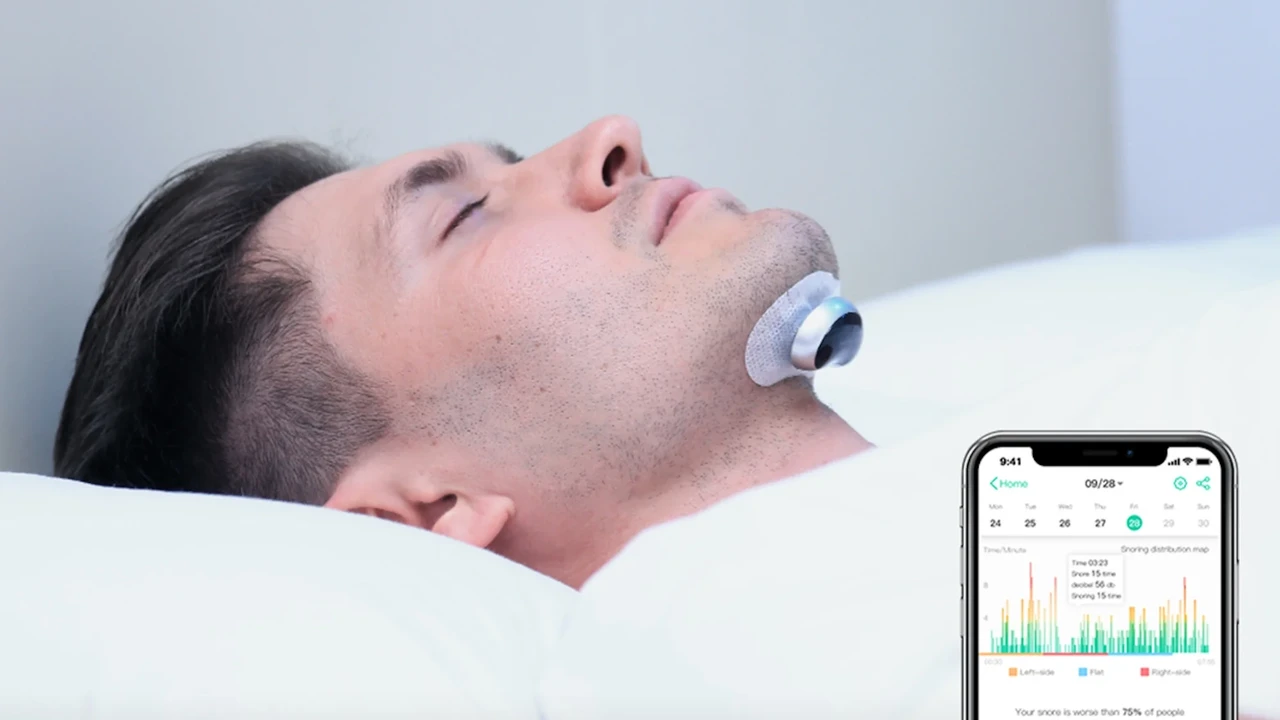
Withings Sleep Tracking Mat: This mat slips under your mattress and tracks your sleep cycles, heart rate, and even snoring. It integrates with the Withings Health Mate app, which can then connect to other health platforms. While direct smart home integration is limited, its data can be used to inform manual adjustments or through third-party automation services. The Withings Sleep Tracking Mat is priced around $100-$130. It's a non-wearable option for comprehensive sleep tracking.
Smart Air Purifiers and Humidifiers for Air Quality
Good air quality is vital for respiratory health and sleep. Smart air purifiers and humidifiers can automatically adjust based on air quality sensors or your sleep schedule.
Dyson Purifier Cool Formaldehyde: Dyson offers high-end air purifiers that also cool and detect formaldehyde. They connect to the Dyson Link app and can be integrated with Alexa and Google Home. You can set schedules for purification or have it react to air quality changes. These are premium devices, costing around $700-$800. They offer excellent filtration and smart features.
Levoit Core 300S Smart Air Purifier: A more affordable smart air purifier that connects to the VeSync app and integrates with Alexa and Google Assistant. It's great for smaller rooms and offers quiet operation. The Levoit Core 300S is typically priced around $150-$180. It's a solid choice for basic smart air purification.
Building Your Integrated Smart Sleep System: Step-by-Step
Ready to build your own smart sleep sanctuary? Here's a general roadmap:
Step 1 Choose Your Smart Home Platform
This is the foundation. Decide whether Amazon Alexa, Google Home, or Apple HomeKit best suits your existing tech ecosystem and preferences. This choice will influence the compatibility of your other devices.
Step 2 Identify Your Sleep Needs and Priorities
What are your biggest sleep challenges? Is it falling asleep, staying asleep, or waking up refreshed? Do you struggle with light, temperature, or noise? Prioritizing your needs will help you select the most relevant smart devices.
Step 3 Select Compatible Smart Sleep Devices
Based on your chosen platform and sleep needs, start selecting devices. Always double-check compatibility before purchasing. Look for devices that explicitly state integration with your chosen platform (e.g., "Works with Alexa," "Google Assistant built-in," "HomeKit enabled").
Step 4 Set Up Your Devices and Connect to the Platform
Follow the instructions for each device to set it up and connect it to your smart home platform. This usually involves downloading the device's app, pairing it, and then linking it to your Alexa, Google Home, or HomeKit account.
Step 5 Create Custom Routines and Automations
This is where the magic happens! Use your smart home platform's app to create routines. For example:
- Bedtime Routine: At 10 PM, dim lights to 10% warm white, lower thermostat to 66°F, activate white noise machine.
- Wake-up Routine: At 7 AM, gradually brighten lights over 15 minutes, raise thermostat to 70°F, open smart blinds.
- Sleep Mode Trigger: If your sleep tracker detects you're asleep (via IFTTT or direct integration), turn off all remaining lights in the house.
Step 6 Monitor and Adjust for Continuous Improvement
Your smart sleep system isn't a set-it-and-forget-it solution. Pay attention to how you're sleeping. Use your sleep tracker data to see if the changes are making a difference. Tweak your routines, adjust temperatures, and experiment with light settings until you find what works perfectly for you. The beauty of a smart system is its flexibility and ability to adapt.
Troubleshooting and Advanced Tips for Smart Sleep Integration
Even with the best planning, you might run into a few snags. Here are some common issues and advanced tips:
Network Connectivity and Wi-Fi Stability
Most smart home devices rely on a stable Wi-Fi connection. If you're experiencing issues, check your router, ensure strong signal strength in your bedroom, and consider a mesh Wi-Fi system if you have a large home. A weak connection can lead to devices not responding or routines failing.
Device Compatibility and Interoperability
Always verify compatibility. While major platforms support many devices, not all devices work with all platforms. Look for certifications like "Works with Alexa" or "HomeKit enabled." If direct integration isn't available, explore third-party services like IFTTT, which can act as a bridge between different apps and devices.
Privacy and Data Security Considerations
When integrating smart devices, especially those collecting personal data like sleep patterns, be mindful of privacy. Read the privacy policies of the manufacturers and platforms. Use strong, unique passwords for all your accounts and enable two-factor authentication where available. Consider what data is being collected and how it's being used.
Exploring IFTTT for Complex Automations
IFTTT (If This Then That) is a powerful web service that allows you to create custom automations between different apps and devices that might not otherwise communicate directly. For example, you could create an IFTTT applet that says, "If my Oura Ring detects I've fallen asleep, then turn off my Philips Hue lights." This opens up a world of possibilities for highly personalized and complex sleep routines.
Voice Control vs. App Control vs. Automation
While voice control is convenient, don't rely on it exclusively. Set up automated routines that run in the background. Use app control for fine-tuning or when you don't want to use voice commands. The most effective smart sleep system combines all three: automation for consistency, app control for precision, and voice control for quick adjustments.
Integrating sleep technology with your smart home isn't just about having cool gadgets; it's about creating a truly intelligent and responsive environment that actively supports your journey to better sleep. By automating light, temperature, sound, and even air quality, you can remove common sleep disruptors and cultivate a consistent, restorative sleep routine. It's an investment in your well-being, leading to more energized days and more peaceful nights. So, go ahead, embrace the future of sleep, and let your smart home do the work for you!
:max_bytes(150000):strip_icc()/277019-baked-pork-chops-with-cream-of-mushroom-soup-DDMFS-beauty-4x3-BG-7505-5762b731cf30447d9cbbbbbf387beafa.jpg)