Non-REM Sleep Deep Dive
Unpack the significance of non-REM sleep for physical recovery and growth hormone release. Optimize your deep sleep for better health.
Unpack the significance of non-REM sleep for physical recovery and growth hormone release. Optimize your deep sleep for better health.
Non-REM Sleep Deep Dive Understanding Your Body's Repair Mode
Hey there, sleep enthusiasts! Ever wondered what really goes on when you're catching those Zs, especially the deep, restorative kind? Well, today we're taking a deep dive into Non-REM (NREM) sleep, often considered the unsung hero of your nightly rest. While REM sleep gets a lot of buzz for dreams and memory, NREM sleep is where the real heavy lifting happens for your physical body and overall health. We're talking muscle repair, tissue growth, hormone release, and so much more. If you're looking to truly optimize your sleep for better health, understanding NREM is absolutely crucial. Let's break it down, explore its stages, and then get into some practical ways to boost your deep sleep, including some cool tech and products that can help you get there.
What is Non-REM Sleep Exploring the Stages
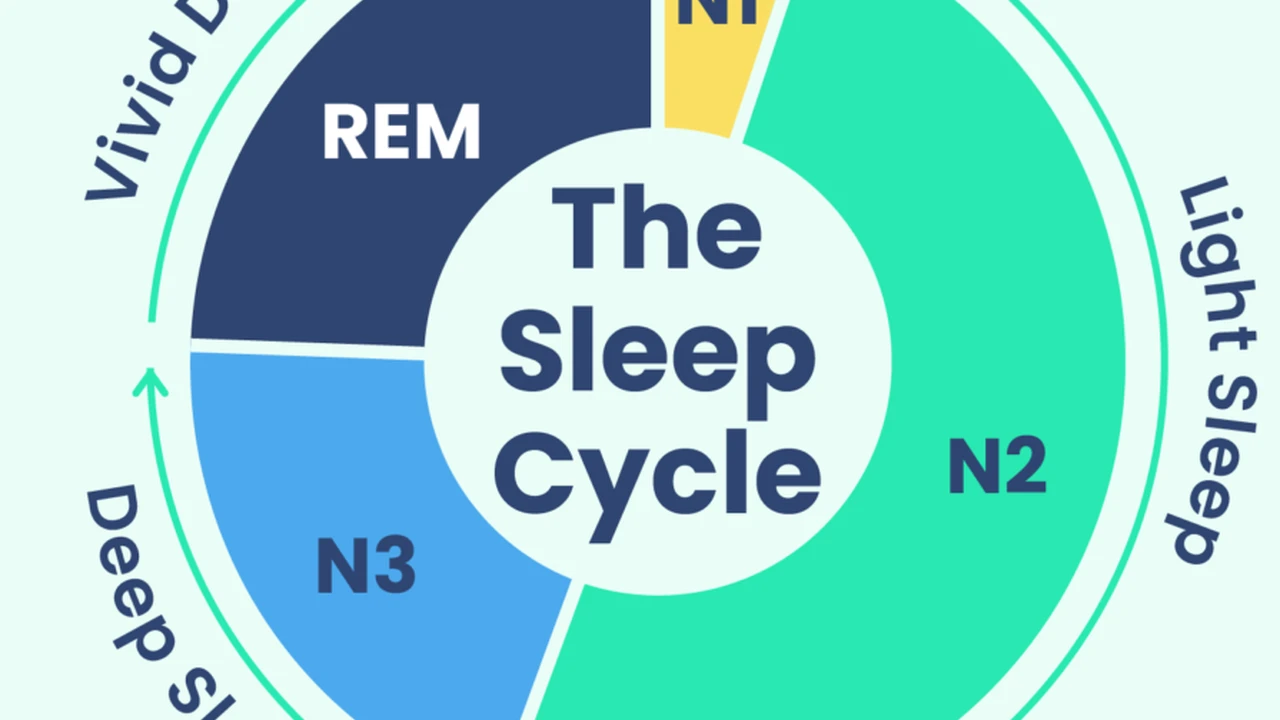
So, what exactly is NREM sleep? It's the first phase of your sleep cycle, and it's actually divided into three distinct stages, each playing a vital role in your recovery and well-being. Think of it as a gradual descent into deeper and deeper rest.
NREM Stage 1 The Transition Phase
This is the very beginning of your sleep journey. You're just drifting off, maybe for about 5-10 minutes. Your brain waves start to slow down, your muscles relax, and your breathing becomes more regular. You might experience sudden muscle jerks (hypnic jerks) during this stage – totally normal! It's easy to be woken up from Stage 1, and if you are, you might even deny that you were asleep at all. It's like being in that hazy state between awake and asleep.
NREM Stage 2 Light Sleep and Preparation
As you move into Stage 2, your body temperature drops, your heart rate slows further, and your brain activity shows specific patterns like 'sleep spindles' and 'K-complexes.' These patterns are thought to play a role in memory consolidation and protecting your sleep from external disturbances. You spend about 50% of your total sleep time in Stage 2, making it a significant part of your sleep cycle. While it's still considered 'light sleep,' it's much harder to wake someone from Stage 2 than Stage 1.
NREM Stage 3 Deep Sleep The Restorative Powerhouse
This is the holy grail of NREM sleep, often referred to as 'deep sleep' or 'slow-wave sleep' (SWS). During this stage, your brain waves are at their slowest and largest (delta waves). This is when your body goes into full repair mode. Blood flow to your muscles increases, tissues grow and repair, and essential hormones like human growth hormone (HGH) are released. HGH is crucial for cell regeneration, muscle growth, and even fat metabolism. Your immune system also gets a significant boost during deep sleep. Waking someone from Stage 3 is incredibly difficult, and if you do, they'll likely feel disoriented and groggy for a few minutes. This is the sleep that makes you feel truly refreshed and energized the next day.
Why Deep Sleep Matters The Benefits of NREM Stage 3
So, why should you care so much about getting enough deep sleep? The benefits are extensive and impact almost every aspect of your health and daily life.
Physical Recovery and Muscle Repair
For athletes, fitness enthusiasts, or just anyone who uses their body, deep sleep is non-negotiable. It's when your muscles repair themselves from the day's wear and tear, and new tissue is generated. This is why you often hear about athletes prioritizing sleep – it's their secret weapon for recovery and performance.
Hormone Regulation and Growth Hormone Release
As mentioned, deep sleep is when your body releases a significant amount of human growth hormone. This hormone isn't just for kids; it's vital for adults too, playing a role in muscle mass, bone density, and even fat distribution. Beyond HGH, deep sleep helps regulate other crucial hormones like cortisol (the stress hormone) and ghrelin and leptin (which control appetite).
Immune System Boost
Your immune system works overtime during deep sleep. It produces cytokines, which are proteins that fight infection and inflammation. Getting enough deep sleep can literally make you more resilient to illness and help you recover faster when you do get sick.
Cognitive Function and Memory Consolidation
While REM sleep is famous for memory, NREM sleep, particularly deep sleep, also plays a critical role in consolidating declarative memories (facts and events). It helps transfer information from short-term to long-term memory, making it easier to learn and recall new information.
Energy Restoration and Overall Well-being
Simply put, deep sleep recharges your batteries. It's what makes you wake up feeling truly rested, alert, and ready to tackle the day. Chronic lack of deep sleep can lead to fatigue, irritability, and a general feeling of being run down.
Factors Affecting Your Deep Sleep Quality
Many things can impact how much deep sleep you get. Understanding these factors is the first step to optimizing your NREM Stage 3.
Age and Deep Sleep Decline
Unfortunately, as we age, the amount of deep sleep we get naturally declines. This is a normal physiological change, but it makes it even more important for older adults to focus on sleep hygiene and other strategies to maximize their deep sleep.
Lifestyle Choices Diet and Exercise
What you eat and how you move your body significantly influence your sleep. A diet high in processed foods, sugar, and unhealthy fats can disrupt sleep. Regular exercise, especially moderate to vigorous activity, can boost deep sleep, but timing is key – avoid intense workouts too close to bedtime.
Environmental Factors Temperature and Light
Your sleep environment plays a huge role. A bedroom that's too hot, too cold, too bright, or too noisy can prevent you from reaching and staying in deep sleep. We'll talk more about optimizing your environment soon!
Stress and Mental Health
High levels of stress and conditions like anxiety and depression can severely impact sleep architecture, often reducing the amount of deep sleep you get. Finding ways to manage stress is crucial for better sleep.
Substances Alcohol and Caffeine
Both alcohol and caffeine, while seemingly helpful for relaxation or alertness, can significantly disrupt your sleep cycles, particularly deep sleep. Alcohol might make you feel drowsy, but it fragments sleep and reduces deep and REM stages. Caffeine, of course, keeps you awake and can delay sleep onset.
How to Boost Your Deep Sleep Practical Strategies
Alright, now for the good stuff! How can you actually get more of that precious deep sleep? Here are some actionable strategies you can implement starting tonight.
Establish a Consistent Sleep Schedule
This is probably the most fundamental tip. Going to bed and waking up at the same time every day, even on weekends, helps regulate your circadian rhythm, making it easier for your body to fall into and maintain deep sleep.
Optimize Your Sleep Environment
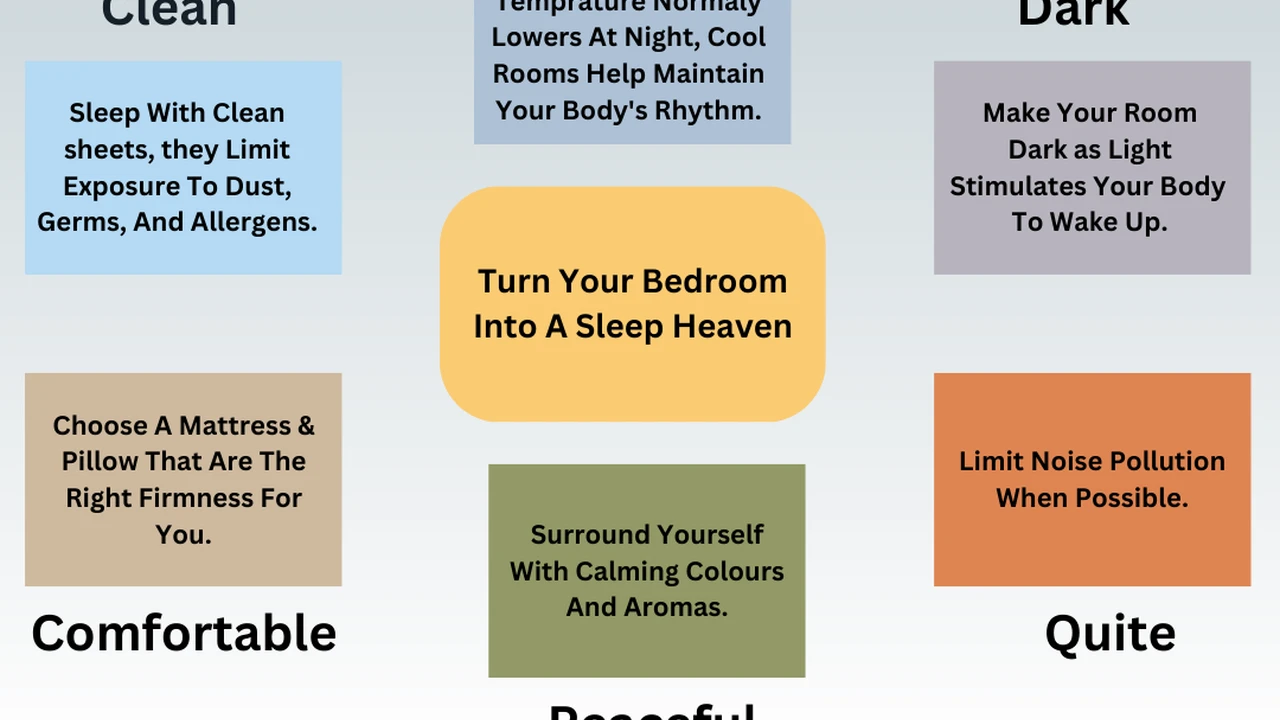
Make your bedroom a sleep sanctuary. Keep it dark, quiet, and cool. The ideal temperature for most people is between 60-67°F (15-19°C). Use blackout curtains, earplugs, or a white noise machine if needed. Ensure your mattress and pillows are comfortable and supportive.
Mind Your Diet and Hydration
Avoid heavy meals, spicy foods, and excessive liquids close to bedtime. Opt for sleep-friendly snacks like a banana or a handful of almonds. Stay hydrated throughout the day, but reduce fluid intake in the evening to avoid nighttime bathroom trips.
Regular Exercise Timing is Key
Aim for at least 30 minutes of moderate exercise most days of the week. However, try to finish your workout at least 2-3 hours before bedtime. Exercising too close to sleep can raise your body temperature and stimulate your nervous system, making it harder to fall asleep.
Manage Stress and Wind Down
Incorporate stress-reducing activities into your evening routine. This could be reading a book, taking a warm bath, listening to calming music, or practicing meditation or gentle yoga. Avoid stimulating activities like work, intense discussions, or thrilling movies right before bed.
Limit Blue Light Exposure
The blue light emitted from screens (phones, tablets, computers, TVs) can suppress melatonin production, making it harder to fall asleep and potentially reducing deep sleep. Try to put away all screens at least an hour before bed. If you must use them, consider blue light filtering glasses or apps.
Products and Technology to Enhance Deep Sleep
Beyond lifestyle changes, there's a growing market of products and technologies designed to help you achieve deeper, more restorative sleep. Here are a few categories and specific recommendations, along with their typical price ranges and use cases.
Smart Mattresses and Sleep Systems
These are the big guns when it comes to sleep tech. They often incorporate sensors to track your sleep, adjust firmness, and even regulate temperature.
- Eight Sleep Pod 3 Cover: This is a popular choice for serious sleep optimization. It's a mattress cover that goes over your existing mattress. It features dynamic temperature regulation (heating and cooling), sleep tracking (heart rate, breathing, sleep stages including deep sleep), and a smart alarm. You can set different temperatures for each side of the bed. It's fantastic for couples with different temperature preferences and for those who want detailed insights into their sleep.
- Use Case: Individuals or couples looking for advanced temperature control, detailed sleep tracking, and personalized sleep coaching. Great for athletes or those with specific recovery needs.
- Comparison: More advanced temperature control than traditional smart mattresses. Focuses on active cooling/heating.
- Price Range: $$$$ (Typically starts around $2,000 - $3,000 for the cover, depending on size, plus a subscription for full features).
- Sleep Number 360 Smart Bed: These beds allow you to adjust the firmness on each side of the bed, and some models include sleep tracking and automatic adjustments based on your movements. They focus heavily on personalized comfort and support, which can indirectly lead to better deep sleep by reducing discomfort.
- Use Case: People seeking customizable firmness and support, especially those with back pain or who share a bed with a partner with different preferences.
- Comparison: Focuses on adjustable firmness and comfort, less on active temperature control than Eight Sleep.
- Price Range: $$$$ (Can range from $3,000 to $10,000+ depending on the model and features).
Wearable Sleep Trackers
These devices provide insights into your sleep patterns, including deep sleep duration, often through heart rate variability and movement tracking.
- Oura Ring Gen3: A sleek, comfortable ring that tracks sleep stages (including deep sleep), heart rate, body temperature, and activity. It provides a daily 'Readiness Score' to guide your day. It's known for its accuracy and discreet design.
- Use Case: Individuals who want comprehensive, accurate sleep tracking without wearing a bulky watch to bed. Great for understanding overall recovery and daily energy levels.
- Comparison: More accurate sleep staging than many wrist-based trackers due to placement. Focuses on holistic health metrics.
- Price Range: $$$ (Around $300-$400, plus a monthly subscription for full features).
- Whoop 4.0: A wrist-worn strap that focuses on recovery, strain, and sleep. It provides detailed sleep staging, heart rate variability (HRV), and respiratory rate. It's popular among athletes and those serious about optimizing performance and recovery.
- Use Case: Athletes and highly active individuals focused on optimizing training, recovery, and sleep performance.
- Comparison: Subscription-based model, provides very detailed physiological data for performance optimization.
- Price Range: $$$ (Subscription-based, typically around $30/month).
- Garmin Forerunner/Fenix Series (with advanced sleep tracking): Many Garmin smartwatches now offer advanced sleep tracking, including deep sleep, REM, and light sleep, along with Body Battery energy monitoring. They leverage heart rate and movement data.
- Use Case: Individuals who already use a Garmin watch for fitness tracking and want integrated sleep insights.
- Comparison: Multi-purpose device, good for general sleep tracking alongside extensive fitness features.
- Price Range: $$$-$$$$ (Varies widely by model, from $200 to $1000+).
Smart Lighting and Sound Systems
These products help create an optimal sleep environment by controlling light and sound.
- Philips Hue Smart Lighting: These smart bulbs allow you to control the color temperature and brightness of your bedroom lights. You can set them to emit warm, dim light in the evening to promote melatonin production and gradually brighten in the morning for a gentle wake-up.
- Use Case: Anyone looking to optimize their bedroom lighting for circadian rhythm alignment and a calming pre-sleep routine.
- Comparison: Offers extensive customization and integration with smart home systems.
- Price Range: $$ (Starter kits around $100-$200, individual bulbs $15-$50).
- Hatch Restore 2: This all-in-one device combines a smart light, sound machine, and alarm clock. It offers guided meditations, sleep stories, and customizable light and sound routines to help you wind down and wake up gently.
- Use Case: Individuals seeking a comprehensive bedside device for winding down, sleep sounds, and a gentle wake-up.
- Comparison: Combines multiple functions into one sleek device, strong focus on guided routines.
- Price Range: $$ (Around $130-$200, plus optional subscription for premium content).
- LectroFan Evo White Noise Machine: While not 'smart' in the tech sense, a dedicated white noise machine can be incredibly effective at masking disruptive sounds and creating a consistent sound environment conducive to deep sleep. The Evo offers various fan sounds and white noise options.
- Use Case: People living in noisy environments or those who prefer consistent background sound for sleep.
- Comparison: Simple, effective, and reliable for sound masking.
- Price Range: $ (Around $50-$70).
Supplements and Natural Aids (Use with Caution)
While not technology, certain supplements can support deep sleep. Always consult a healthcare professional before starting any new supplement regimen.
- Magnesium Glycinate: Magnesium is involved in hundreds of bodily processes, including relaxation and sleep. Glycinate is a highly absorbable form that's less likely to cause digestive upset. It can help calm the nervous system and promote deeper sleep.
- Use Case: Individuals with magnesium deficiency or those looking for a natural way to promote relaxation before bed.
- Comparison: Generally well-tolerated, better absorption than other forms like magnesium oxide.
- Price Range: $ (Typically $15-$30 for a month's supply).
- L-Theanine: An amino acid found in green tea, L-Theanine promotes relaxation without causing drowsiness. It can help reduce anxiety and improve sleep quality, potentially increasing alpha brain waves associated with a relaxed, alert state.
- Use Case: Those who struggle with racing thoughts or anxiety before bed.
- Comparison: Promotes calm without sedation, often combined with other sleep aids.
- Price Range: $ (Typically $15-$25 for a month's supply).
Putting It All Together Your Deep Sleep Action Plan
Optimizing your deep sleep isn't about finding one magic bullet; it's about a holistic approach. Start by implementing the lifestyle changes: consistent schedule, optimized environment, healthy diet, regular exercise, and stress management. Then, consider how technology and specific products might further enhance your efforts. Maybe a smart mattress is too much right now, but a good white noise machine or a smart light could be a great starting point.
Remember, everyone's sleep needs are unique. Pay attention to how different strategies and products affect your sleep. Use sleep trackers to gain insights, but don't get too obsessed with the numbers. The goal is to wake up feeling refreshed, energized, and ready to take on the day. Prioritizing your deep sleep is one of the best investments you can make in your overall health and well-being. So, go forth and get that restorative, deep NREM sleep!
:max_bytes(150000):strip_icc()/277019-baked-pork-chops-with-cream-of-mushroom-soup-DDMFS-beauty-4x3-BG-7505-5762b731cf30447d9cbbbbbf387beafa.jpg)