Electronics in the Bedroom Rules
Establish clear rules for electronics in the bedroom to protect your sleep. Reduce blue light exposure before bed.

Establish clear rules for electronics in the bedroom to protect your sleep. Reduce blue light exposure before bed.
Electronics in the Bedroom Rules for Better Sleep
In our hyper-connected world, electronics have become an indispensable part of our daily lives. From smartphones and tablets to laptops and smart TVs, these devices offer unparalleled convenience and entertainment. However, their pervasive presence, especially in the bedroom, can significantly disrupt one of our most fundamental biological needs: sleep. This article delves into the critical reasons why electronics in the bedroom are detrimental to sleep quality and provides actionable rules and product recommendations to help you reclaim your sleep sanctuary.
The Science Behind Electronics and Sleep Disruption Blue Light Impact
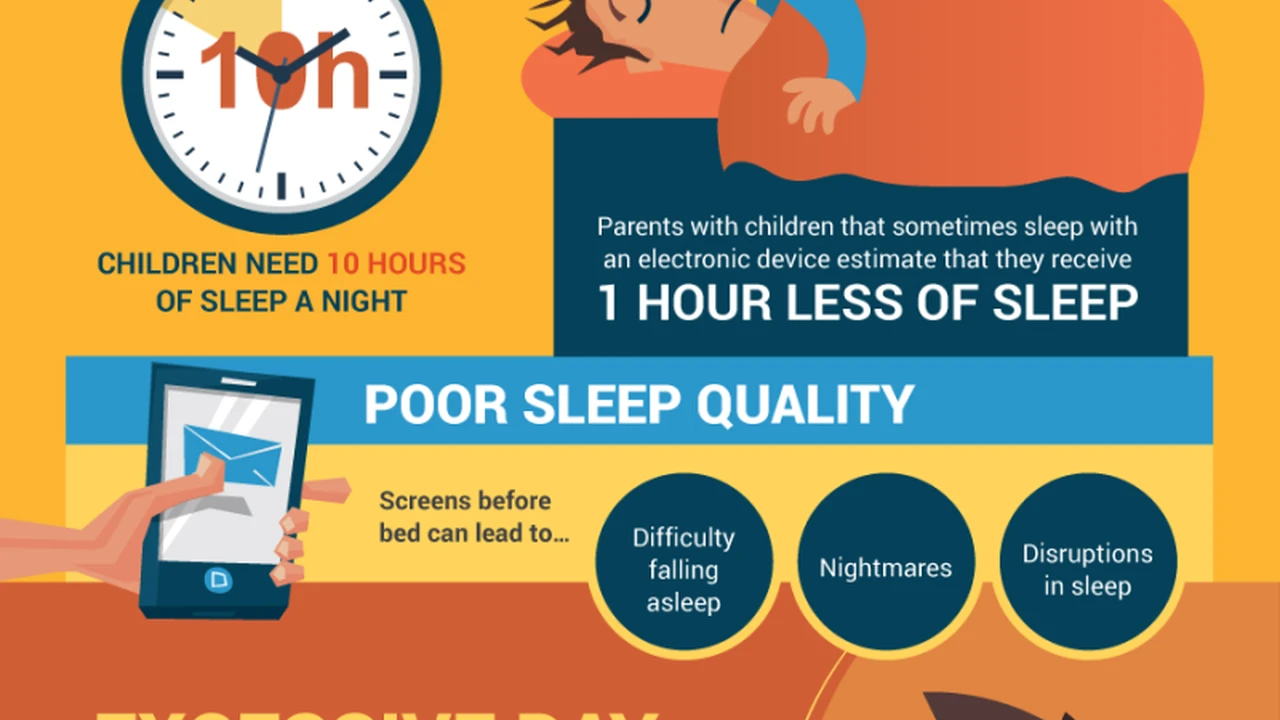
The primary culprit behind electronics' negative impact on sleep is blue light. Electronic screens emit a spectrum of light, with a significant portion being blue light. While blue light is beneficial during the day for boosting attention and mood, exposure to it in the evening can be highly problematic. Blue light suppresses the production of melatonin, the hormone responsible for regulating our sleep-wake cycle (circadian rhythm). When melatonin production is inhibited, it becomes harder to fall asleep and stay asleep, leading to fragmented and less restorative rest.
Beyond blue light, the content consumed on electronic devices also plays a role. Engaging with stimulating content, such as social media, video games, or work emails, can heighten alertness and anxiety, making it difficult for your brain to wind down. The constant notifications and the urge to check devices can also create a state of hyper-arousal, further impeding sleep onset.
Establishing Clear Rules for Electronics in the Bedroom Sleep Hygiene
To protect your sleep, it's crucial to establish clear and consistent rules for electronic device usage in your bedroom. Think of your bedroom as a sacred space dedicated solely to sleep and intimacy, free from the distractions of the digital world.
Rule 1: The 1-Hour Before Bed No-Screen Rule Digital Detox
This is perhaps the most critical rule. Aim to put away all electronic devices at least one hour before your intended bedtime. This includes smartphones, tablets, laptops, and even e-readers with backlit screens. This allows your brain to naturally begin producing melatonin and transition into a relaxed state. Instead of scrolling, try reading a physical book, listening to calming music, meditating, or taking a warm bath.
Rule 2: Keep Your Phone Out of Reach Charging Habits
Even if you adhere to the no-screen rule, having your phone within arm's reach can be tempting. The mere presence of your phone can create a subconscious urge to check it, even if you don't. Charge your phone outside the bedroom, or at least across the room, so you're not tempted to grab it for a late-night scroll or to check notifications.
Rule 3: No TV in the Bedroom Entertainment Habits
While a TV might seem like a relaxing way to wind down, it's another source of blue light and stimulating content. The flickering images and engaging narratives can keep your brain active when it should be preparing for rest. Consider moving your TV to another room or opting for a projector that can be easily put away.
Rule 4: Use a Traditional Alarm Clock Wake-Up Routines
Many people use their smartphones as alarm clocks, which necessitates keeping them by the bed. Invest in a traditional alarm clock to eliminate this need. There are many stylish and functional options available that won't emit blue light or tempt you with notifications.
Rule 5: Create a Dedicated Charging Station Outside the Bedroom Device Management
Designate a specific area outside your bedroom for charging all your electronic devices. This creates a physical boundary between your sleep space and your digital life, reinforcing the idea that the bedroom is for rest.
Product Recommendations for Reducing Blue Light Exposure Sleep Tech
While the best approach is to remove electronics from the bedroom, some products can help mitigate the negative effects of blue light if complete removal isn't feasible or desired for certain devices.
Blue Light Blocking Glasses Eye Protection
These glasses are designed to filter out blue light emitted from screens. They come in various tints, with amber or red lenses being most effective for evening use. They are particularly useful if you absolutely must use a screen before bed for work or other essential tasks.
- Product 1: Swanwick Sleep Swannies Blue Light Blocking Glasses
- Description: Known for their high-quality amber lenses that block nearly 100% of blue light. They come in various stylish frames.
- Use Case: Ideal for anyone who needs to use a computer or phone in the evening but wants to minimize blue light exposure.
- Price Range: $60 - $100 USD
- Product 2: Uvex Skyper Blue Light Blocking Glasses
- Description: A more budget-friendly option, these are industrial safety glasses with orange lenses that effectively block blue light.
- Use Case: Great for casual use or as a backup pair. Less stylish but highly effective.
- Price Range: $10 - $20 USD
Screen Filters and Software Solutions Device Settings
Many devices now have built-in features to reduce blue light, such as 'Night Shift' on Apple devices or 'Night Light' on Android and Windows. These features shift the screen's color temperature to a warmer, more yellow hue as the evening progresses.
- Software Solution 1: f.lux (Desktop Software)
- Description: Free software that automatically adjusts the color temperature of your computer screen based on the time of day.
- Use Case: Essential for anyone who works on a computer late into the evening.
- Price: Free
- Software Solution 2: Twilight (Android App)
- Description: An Android app that applies a red filter over your screen, reducing blue light emission.
- Use Case: For Android users who want more control over blue light filtering than built-in options.
- Price: Free with in-app purchases for premium features.
Smart Lighting Solutions Bedroom Ambiance
Smart bulbs can be programmed to emit warmer, redder light in the evenings, mimicking natural sunset colors and promoting melatonin production.
- Product 1: Philips Hue Smart Bulbs
- Description: A popular smart lighting system that allows you to control color temperature and brightness. You can set schedules for warmer light in the evenings.
- Use Case: Creating a sleep-friendly bedroom environment with automated lighting changes.
- Price Range: Starter kits from $70 - $200 USD, individual bulbs from $15 - $50 USD.
- Product 2: LIFX Smart Bulbs
- Description: Another excellent option for smart lighting, offering vibrant colors and easy control via an app.
- Use Case: Similar to Philips Hue, great for setting a relaxing mood before bed.
- Price Range: Individual bulbs from $25 - $60 USD.
Traditional Alarm Clocks Non-Electronic Alternatives
As mentioned, a good old-fashioned alarm clock is a simple yet effective way to keep your phone out of the bedroom.
- Product 1: Hatch Restore 2 Smart Sleep Assistant
- Description: While it's 'smart,' it's designed specifically for sleep. It's a sound machine, sunrise alarm, and night light all in one, controlled by an app (but the device itself stays in the bedroom). It doesn't have a screen that emits blue light.
- Use Case: For those who want a multi-functional device that aids sleep without the negative effects of a phone.
- Price Range: $199 - $249 USD
- Product 2: Marathon Atomic Self-Setting Alarm Clock
- Description: A simple, reliable, and self-setting alarm clock that gets its time from atomic signals. No blue light, no internet connection.
- Use Case: For those who want a straightforward, no-frills alarm clock that keeps electronics out of the bedroom.
- Price Range: $20 - $40 USD
The Benefits of an Electronics-Free Bedroom Improved Sleep Quality
Adopting these rules and strategies can lead to a multitude of benefits for your sleep and overall well-being. You'll likely experience faster sleep onset, fewer awakenings during the night, and more restorative deep and REM sleep. This translates to feeling more refreshed and energized during the day, improved mood, enhanced cognitive function, and a stronger immune system.
Beyond the physiological benefits, an electronics-free bedroom can also foster a more intimate and peaceful environment. It encourages connection with your partner, provides space for quiet reflection, and allows your mind to truly disconnect from the demands of the day. It's an investment in your health and happiness that pays dividends every single morning.
Overcoming Challenges and Sticking to the Rules Consistency is Key
Breaking habits, especially those deeply ingrained with technology, can be challenging. Start small if necessary. Begin with the 30-minute no-screen rule and gradually extend it to an hour. Communicate your new rules to family members or housemates so they can support your efforts. Remember, consistency is key. Even occasional lapses can disrupt your circadian rhythm. Be patient with yourself, celebrate small victories, and focus on the long-term benefits of a truly restful night's sleep.
Ultimately, creating an electronics-free bedroom is about prioritizing your health and well-being over constant connectivity. It's a conscious choice to reclaim your sleep and create a sanctuary where true rest can flourish. By implementing these rules and considering the recommended products, you're well on your way to optimizing your sleep environment and enjoying the profound benefits of a good night's rest.
:max_bytes(150000):strip_icc()/277019-baked-pork-chops-with-cream-of-mushroom-soup-DDMFS-beauty-4x3-BG-7505-5762b731cf30447d9cbbbbbf387beafa.jpg)