Exercise Timing and Sleep Cycles
Optimize your exercise timing to enhance sleep cycles. Find the best workout schedule for improved sleep quality.
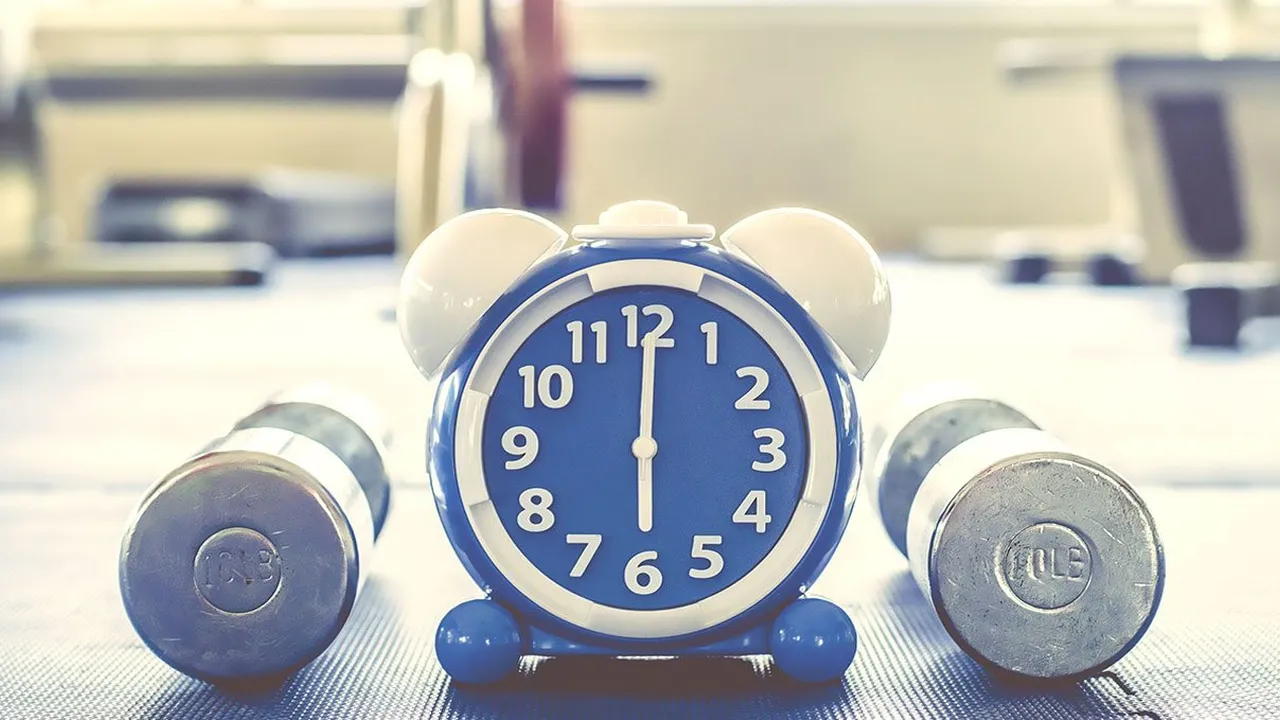
Optimize your exercise timing to enhance sleep cycles. Find the best workout schedule for improved sleep quality.
Exercise Timing and Sleep Cycles Your Ultimate Guide
Hey there, sleep seekers and fitness enthusiasts! Ever wondered if your workout schedule is actually helping or hindering your precious sleep? It's a super common question, and for good reason. The timing of your exercise can have a pretty significant impact on your sleep cycles, affecting everything from how quickly you fall asleep to the quality of your deep and REM stages. We're talking about a delicate balance here, and getting it right can unlock a whole new level of restorative rest. Let's dive deep into the science, practical tips, and even some product recommendations to help you nail your exercise timing for the best sleep ever.
The Science Behind Exercise and Sleep Cycles Understanding the Connection
So, how exactly does hitting the gym or going for a run influence your sleep? It's all about your body's internal clock, or circadian rhythm, and a few key physiological responses. When you exercise, your body temperature rises. This is a natural and healthy response. However, for optimal sleep, your core body temperature needs to drop. If you exercise too close to bedtime, your body might still be elevated, making it harder to initiate sleep. Think of it like trying to cool down a hot engine right before you want it to shut off – it needs time.
Beyond temperature, exercise also stimulates your nervous system. It releases endorphins, which are those feel-good chemicals that can make you feel energized and alert. While great during the day, this alertness isn't exactly what you want when you're trying to wind down. Furthermore, intense exercise can increase cortisol levels, a stress hormone that can keep you wired. So, while exercise is undeniably beneficial for overall health and can improve sleep quality in the long run, the timing is crucial to avoid these counterproductive effects.
Regular, moderate exercise, especially earlier in the day, has been shown to improve sleep quality by promoting deeper sleep and reducing the time it takes to fall asleep. It helps regulate your circadian rhythm, making your body more efficient at recognizing when it's time to be awake and when it's time to sleep. It also helps reduce stress and anxiety, two major culprits behind sleepless nights. It's a bit of a Goldilocks situation: not too much, not too little, and definitely not at the wrong time.
Morning Workouts The Early Bird Gets the Best Sleep
For many, morning workouts are the undisputed champions when it comes to sleep optimization. Why? Several reasons. First, exercising in the morning helps kickstart your metabolism and can boost your energy levels throughout the day. This increased daytime alertness can lead to a more pronounced drop in energy and body temperature in the evening, signaling to your body that it's time to wind down. It also helps solidify your circadian rhythm, making you feel naturally tired around bedtime.
Another huge benefit of morning exercise, especially if it's outdoors, is exposure to natural light. Sunlight exposure early in the day is a powerful cue for your body to suppress melatonin production (the sleep hormone) and boost cortisol (the wakefulness hormone). This helps set your internal clock for the day, leading to better melatonin production later in the evening when you need it for sleep. Think about it: a brisk walk or run outside before work can do wonders for your sleep-wake cycle.
What kind of morning workouts are best? Anything that gets your heart rate up and makes you feel energized. This could be a brisk walk, a run, a cycling session, a high-intensity interval training (HIIT) session, or even a strength training routine. The key is consistency. Making morning exercise a regular habit can significantly improve your sleep quality over time.
Afternoon Workouts Finding the Sweet Spot for Evening Rest
If mornings aren't your thing, or your schedule just doesn't allow for it, afternoon workouts can still be incredibly beneficial for sleep, provided you time them right. The general consensus is to aim for your workout to finish at least 3-4 hours before you plan to go to bed. This gives your body ample time to cool down, for your heart rate to return to normal, and for any stimulating hormones to dissipate.
For example, if you typically go to bed around 10 PM, try to wrap up your workout by 6 PM or 7 PM at the latest. This window allows your body to transition from an active, stimulated state to a relaxed, sleep-ready state. Afternoon workouts can still provide all the benefits of exercise – stress reduction, improved mood, and physical fitness – without interfering with your sleep onset.
What types of workouts are suitable for the afternoon? Again, most forms of exercise are fine, as long as you give yourself that crucial cool-down period. Strength training, moderate cardio, or even a vigorous yoga session can work well. Just be mindful of the intensity as you get closer to that 3-4 hour cutoff. Pushing yourself too hard too late might still leave you feeling too wired.
Evening Workouts Navigating the Challenges for Sleep Quality
This is where things get a bit trickier. While some people claim they can work out right before bed and still sleep like a baby, for the vast majority, evening workouts, especially intense ones, can be detrimental to sleep. As we discussed, the elevated body temperature and stimulated nervous system are the main culprits. If you absolutely must work out in the evening, here are some strategies to minimize the negative impact on your sleep:
- Lower Intensity: Opt for lower-intensity activities. Think gentle yoga, stretching, or a leisurely walk. Avoid anything that significantly raises your heart rate or makes you sweat profusely.
- Finish Early: Even with lower intensity, try to finish your workout at least 1-2 hours before bed. This still gives your body a little time to wind down.
- Cool-Down Rituals: Incorporate a thorough cool-down and stretching routine. Follow it up with a warm (not hot) shower or bath to help lower your body temperature.
- Listen to Your Body: Pay attention to how evening workouts affect your sleep. If you find yourself tossing and turning, or waking up frequently, it's a clear sign that you need to adjust your timing or intensity.
For those who truly have no other option than late-night exercise, consider it a temporary solution and prioritize recovery. It's not ideal for consistent, high-quality sleep.
Specific Exercise Types and Their Sleep Impact Cardio, Strength, Yoga
Different types of exercise can have varying effects on your body and, consequently, your sleep. Let's break down a few popular ones:
Cardiovascular Exercise and Sleep Cycle Regulation
Running, cycling, swimming, or any activity that gets your heart pumping falls under cardiovascular exercise. When done regularly and at the right time (morning or early afternoon), cardio is fantastic for sleep. It helps reduce stress, improves mood, and can lead to deeper, more restorative sleep. The key is to avoid high-intensity cardio too close to bedtime, as it significantly raises body temperature and stimulates the nervous system.
Strength Training and Sleep Quality Enhancement
Lifting weights or bodyweight exercises are excellent for building muscle and improving overall fitness. Strength training can also positively impact sleep by promoting the release of growth hormone, which is crucial for tissue repair and recovery, much of which happens during deep sleep. Similar to cardio, aim to finish your strength training session well before bedtime to allow your body to cool down and relax.
Yoga and Stretching for Pre-Sleep Relaxation
These are the superstars of evening exercise. Gentle yoga, stretching, or even Tai Chi can be incredibly beneficial for winding down before bed. They focus on breathwork, flexibility, and mindfulness, which help calm the nervous system, reduce muscle tension, and prepare your body and mind for sleep. These activities don't significantly raise your body temperature or heart rate, making them ideal for a pre-sleep routine. Think restorative poses, gentle flows, and long holds.
Optimizing Your Workout Schedule Practical Tips for Better Sleep
Beyond just timing, there are other factors to consider when integrating exercise into your sleep optimization strategy:
- Consistency is Key: Regular exercise, even if it's moderate, is more beneficial for sleep than sporadic, intense bursts. Aim for consistency in your workout schedule.
- Listen to Your Body: Everyone is different. What works for one person might not work for another. Pay attention to how different exercise timings and intensities affect your sleep. Keep a sleep journal if needed.
- Hydration and Nutrition: Ensure you're properly hydrated and fueling your body with nutritious foods. Dehydration and poor nutrition can negatively impact both your workout performance and your sleep.
- Cool-Down Rituals: Always include a proper cool-down after your workout. This helps bring your heart rate down gradually and signals to your body that the intense activity is over.
- Post-Workout Shower: A warm (not scalding hot) shower or bath after your workout can help lower your core body temperature, especially if you've worked out later in the day.
- Avoid Stimulants: Be mindful of caffeine and other stimulants, especially in the afternoon and evening. They can counteract the positive effects of exercise on sleep.
Recommended Products for Enhanced Exercise and Sleep Recovery
To truly optimize your exercise timing for better sleep, sometimes a little help from technology or specialized products can go a long way. Here are a few categories and specific product recommendations:
Sleep Tracking Devices for Exercise Recovery Monitoring
Understanding how your workouts impact your sleep is crucial. Sleep trackers can provide valuable insights into your sleep stages, heart rate variability (HRV), and recovery metrics. This data can help you adjust your exercise timing and intensity for optimal rest.
- Oura Ring Gen3: This sleek smart ring tracks sleep stages, HRV, body temperature, and activity levels. It provides a daily 'Readiness Score' that tells you how recovered you are, which can guide your workout intensity. It's super comfortable to wear 24/7.
- Whoop 4.0: A wrist-worn strap that offers continuous monitoring of sleep, recovery, and strain. It gives you personalized recommendations on how much to exert yourself based on your recovery. Popular among athletes.
- Garmin Forerunner Series (e.g., Forerunner 955): While primarily running watches, many Garmin models offer advanced sleep tracking, body battery monitoring (energy levels), and recovery time recommendations, making them great for active individuals.
Price Range: Oura Ring ($299-$399 + subscription), Whoop ($30/month subscription), Garmin Forerunner ($300-$600+).
Use Case: For anyone serious about understanding the direct link between their exercise and sleep recovery. Great for adjusting workout intensity based on actual physiological data.
Recovery Tools for Post-Workout Relaxation and Sleep Preparation
These tools help your body wind down and recover, making it easier to transition into sleep, especially after an afternoon workout.
- Theragun Mini: A portable percussion massager that helps release muscle tension and improve blood flow. Using it on sore muscles after a workout can promote relaxation.
- Hyperice Normatec 3 Legs: Compression boots that use dynamic air compression to enhance circulation and reduce muscle soreness. Perfect for serious athletes or anyone with tired legs after a long day or intense workout.
- TriggerPoint GRID Foam Roller: A classic for self-myofascial release. Foam rolling can help release knots and tension, preparing your body for relaxation.
Price Range: Theragun Mini ($199), Normatec 3 Legs ($799), TriggerPoint Foam Roller ($35-$50).
Use Case: For individuals who experience muscle soreness or tension after workouts and need help relaxing their body before sleep. Normatec is more for serious recovery, while Theragun and foam rollers are great for daily use.
Blue Light Blocking Glasses for Evening Screen Use
If you absolutely must look at screens after an afternoon workout, blue light blocking glasses can help mitigate the negative impact on melatonin production.
- Felix Gray Roebling Glasses: Stylish and effective, these glasses filter out a significant portion of blue light without distorting colors too much.
- Swanwick Sleep Swannies: Known for their strong blue light blocking capabilities, especially their amber-tinted lenses for evening use.
Price Range: Felix Gray ($95-$150), Swanwick Sleep ($69-$100+).
Use Case: For anyone who struggles to avoid screens in the evening, especially after an afternoon workout, and wants to protect their melatonin production.
Smart Lighting Solutions for Circadian Rhythm Support
Controlling your light environment can significantly impact your circadian rhythm, especially around your workout times.
- Philips Hue Smart Bulbs: These allow you to adjust the color temperature and brightness of your lights throughout the day. You can set them to emit bright, cool light in the morning (mimicking daylight) and warm, dim light in the evening (mimicking sunset), supporting your natural sleep-wake cycle.
- LIFX Smart Bulbs: Similar to Philips Hue, offering a wide range of colors and brightness, controllable via an app.
Price Range: Philips Hue (Starter kits $70-$200, individual bulbs $15-$50), LIFX (Individual bulbs $20-$60).
Use Case: For creating an optimal light environment that supports your circadian rhythm, especially if you work out indoors. Can help signal wakefulness in the morning and relaxation in the evening.
Common Mistakes to Avoid When Timing Your Exercise for Sleep
It's easy to fall into habits that might inadvertently sabotage your sleep, even with the best intentions. Here are some common pitfalls to steer clear of:
- High-Intensity Workouts Too Close to Bedtime: This is probably the biggest offender. Pushing yourself hard an hour or two before you plan to sleep is a recipe for tossing and turning.
- Ignoring Your Body's Signals: If you feel wired and unable to relax after an evening workout, that's your body telling you something. Don't push through it; adjust your routine.
- Over-Reliance on Stimulants: Using pre-workout supplements or excessive caffeine to power through a late-day workout can have a lingering effect that disrupts sleep.
- Inconsistent Schedule: While life happens, trying to maintain a somewhat consistent exercise schedule, especially regarding timing, can greatly benefit your circadian rhythm.
- Skipping Cool-Downs: Rushing straight from an intense workout to trying to relax for bed is a bad idea. Give your body time to transition.
Wrapping It Up Your Path to Better Sleep Through Smart Exercise
So, there you have it. The relationship between exercise timing and sleep cycles is a nuanced one, but understanding it can be a game-changer for your overall well-being. While exercise is undeniably fantastic for your health, getting the timing right is crucial for maximizing its benefits for sleep. Prioritize morning or early afternoon workouts whenever possible, and if you must exercise in the evening, opt for lower intensity and give yourself plenty of time to wind down. Listen to your body, use the right tools, and be consistent. Your sleep (and your energized mornings!) will thank you for it.
:max_bytes(150000):strip_icc()/277019-baked-pork-chops-with-cream-of-mushroom-soup-DDMFS-beauty-4x3-BG-7505-5762b731cf30447d9cbbbbbf387beafa.jpg)