Travel Tips for Maintaining Sleep
Master strategies to maintain healthy sleep habits while traveling. Minimize jet lag and sleep disruptions on the go.
Master strategies to maintain healthy sleep habits while traveling. Minimize jet lag and sleep disruptions on the go. Traveling, whether for business or pleasure, can be incredibly exciting. New places, new experiences, new foods – it's all part of the adventure. However, one thing that often takes a hit when we're on the move is our sleep. Jet lag, unfamiliar beds, noisy environments, and disrupted routines can all conspire to turn what should be restful nights into restless ones. But don't worry, it doesn't have to be that way! With a little planning and some smart strategies, you can maintain healthy sleep habits and minimize sleep disruptions, no matter where your travels take you.
Understanding Travel Sleep Disruptions and Jet Lag
Before we dive into solutions, let's quickly understand why travel messes with our sleep. The primary culprit is often jet lag, which occurs when your body's internal clock (circadian rhythm) is out of sync with the new time zone. This rhythm regulates various bodily functions, including sleep-wake cycles, hormone release, and digestion. When you cross multiple time zones quickly, your body is still operating on the old time, leading to symptoms like fatigue, insomnia, irritability, and digestive issues. Beyond jet lag, other factors like uncomfortable beds, different pillow types, unfamiliar noises, varying light levels, and even the excitement or stress of travel can contribute to poor sleep quality.
Pre-Travel Sleep Preparation and Planning
The key to good sleep on the road often starts before you even leave home. A little preparation can go a long way in setting yourself up for success.
Adjusting Your Sleep Schedule Gradually for Time Zone Changes
If you're crossing more than a couple of time zones, try to gradually shift your sleep schedule a few days before your trip. For eastward travel (losing hours), try going to bed and waking up an hour or two earlier each day. For westward travel (gaining hours), do the opposite. Even a small adjustment can make the transition smoother.
Optimizing Your Home Sleep Environment Before Departure
Ensure you're well-rested before you embark on your journey. Prioritize good sleep in the days leading up to your trip. This means sticking to your regular sleep schedule, creating a relaxing bedtime routine, and ensuring your bedroom is conducive to sleep. Starting your trip sleep-deprived will only exacerbate the effects of jet lag and travel fatigue.
Packing Smart Sleep Essentials for Travel Comfort
Don't rely on your destination to provide everything you need for good sleep. Pack a small kit of sleep essentials. This might include:
- Eye Mask: Crucial for blocking out unwanted light, especially in hotels with thin curtains or during daytime naps.
- Earplugs or Noise-Canceling Headphones: Essential for blocking out airplane noise, hotel hallway sounds, or street noise.
- Travel Pillow: A good neck pillow can make a huge difference for sleeping on planes, trains, or in cars.
- Comfortable Sleepwear: Pack something familiar and comfortable to wear to bed.
- Small Blanket or Scarf: For added comfort and warmth on chilly flights or in overly air-conditioned rooms.
- Melatonin Supplements: Discuss with your doctor first, but melatonin can be helpful for resetting your circadian rhythm, especially when traveling east.
- Aromatherapy Roll-on or Spray: A small bottle of lavender essential oil can help create a calming atmosphere.
During Travel Sleep Strategies and In-Flight Naps
The journey itself can be a challenge for sleep, but there are ways to make it more comfortable.
Hydration and Nutrition for Energy and Sleep Regulation
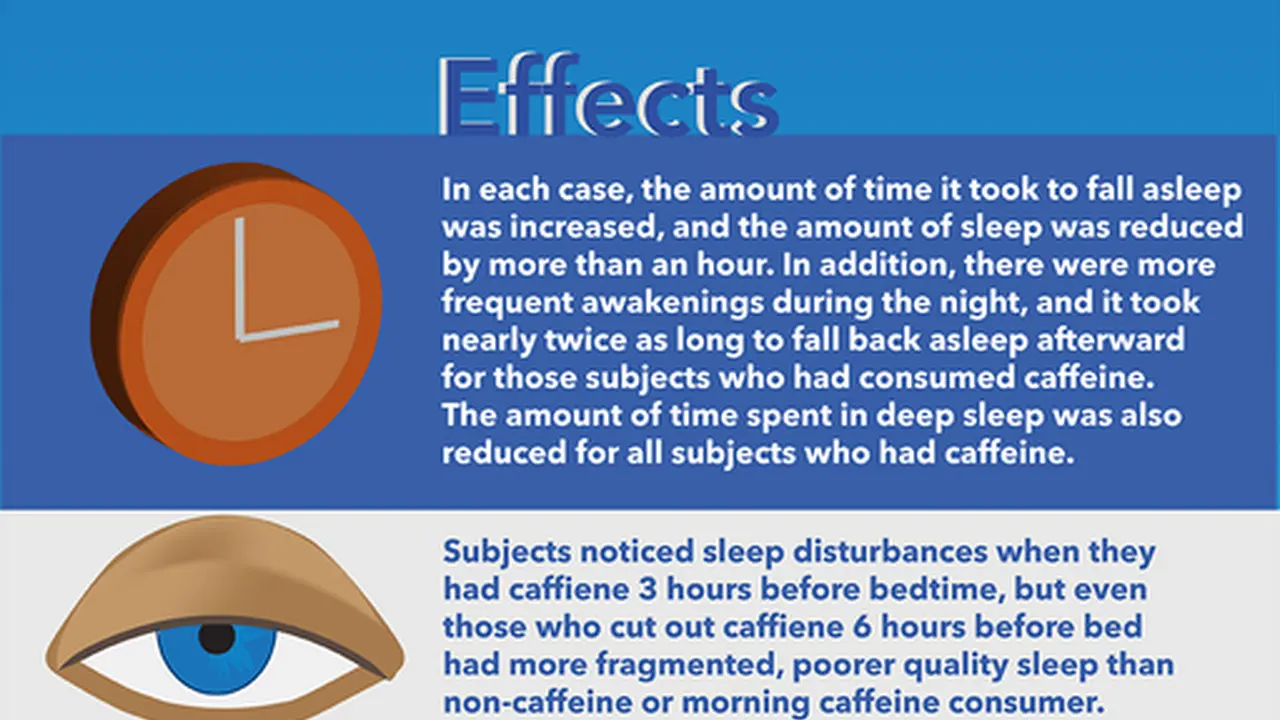
Stay well-hydrated throughout your journey, especially on flights. Dehydration can worsen jet lag symptoms and make you feel more fatigued. Limit alcohol and caffeine, especially close to when you plan to sleep, as they can disrupt sleep patterns. Opt for light, healthy meals to avoid digestive discomfort.
Strategic Napping During Long Journeys and Layover Sleep
If you have a long flight or layover, strategic napping can be beneficial. Keep naps short (20-30 minutes) to avoid entering deep sleep, which can make you feel groggier upon waking. Use your eye mask and earplugs to maximize the quality of your nap.
Minimizing Light Exposure and Blue Light Before Sleep
On the plane, try to expose yourself to light that aligns with your destination's time zone. If it's daytime at your destination, keep the window shade open (if appropriate) and expose yourself to light. If it's nighttime, try to dim your screen and use an eye mask. Once you arrive, immediately try to align with the local time.
Movement and Stretching for Circulation and Relaxation
Long periods of sitting can make you feel stiff and restless. Get up and move around the cabin when possible. Do some simple stretches in your seat to improve circulation and reduce discomfort. This can help you feel more relaxed when it's time to try and sleep.
Upon Arrival Sleep Adjustment and Routine Establishment
Once you've reached your destination, the real work of adjusting begins.
Immediate Time Zone Adaptation and Light Exposure
As soon as you arrive, try to adopt the local time. If it's daytime, get outside and expose yourself to natural light. This helps signal to your brain that it's daytime. If it's nighttime, try to minimize light exposure, especially bright overhead lights and blue light from screens.
Creating a Consistent Bedtime Routine in a New Environment
Even if you're in a new place, try to maintain a consistent bedtime routine. This could involve a warm shower, reading a book, listening to calming music, or doing some light stretching. Familiar routines signal to your body that it's time to wind down.
Optimizing Your Hotel Room for Sleep Comfort and Darkness
Make your hotel room as sleep-friendly as possible. Adjust the thermostat to a comfortable temperature (ideally between 60-67°F or 15-19°C). Use your eye mask and earplugs. If the curtains aren't sufficient, you can use clips or even clothes hangers to seal any gaps. Some travelers even bring a small roll of painter's tape to block out annoying indicator lights on electronics.
Strategic Meal Timing and Limiting Stimulants for Better Sleep
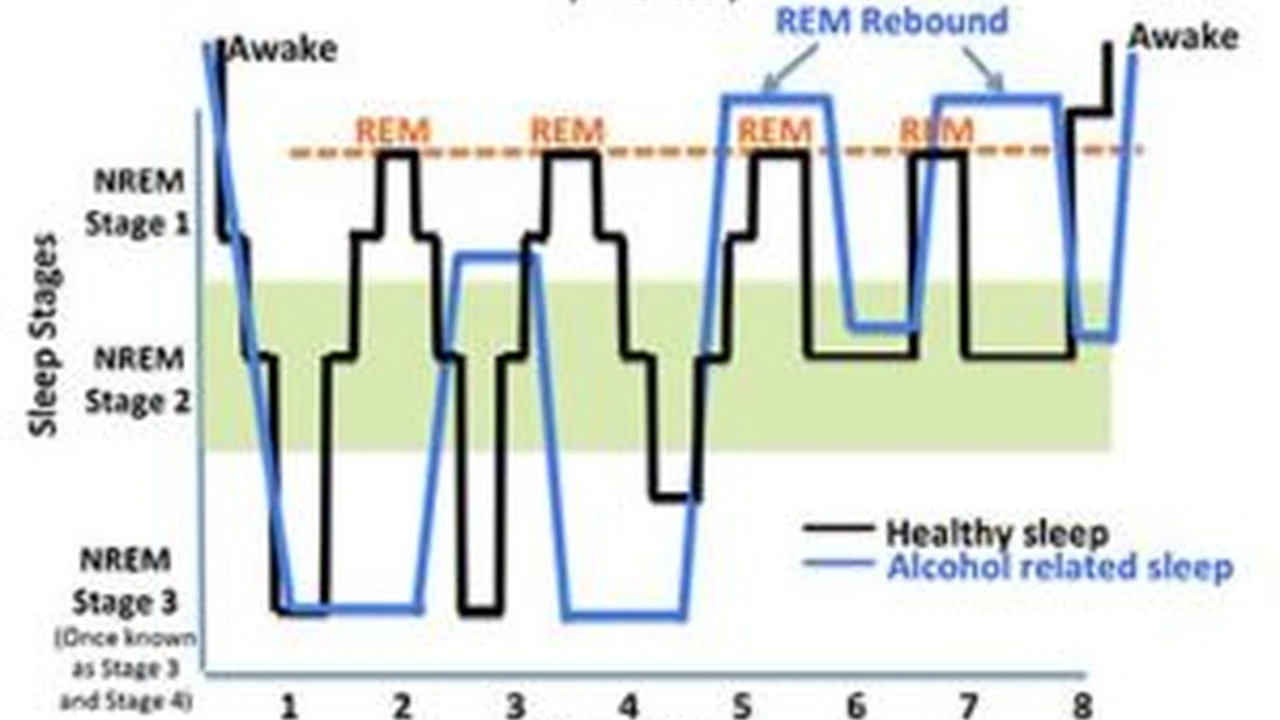
Try to eat your meals at the local meal times. Avoid heavy meals close to bedtime. Continue to limit caffeine and alcohol, especially in the evening. While alcohol might make you feel drowsy initially, it disrupts sleep architecture later in the night.
Exercise and Physical Activity for Energy and Sleep Quality
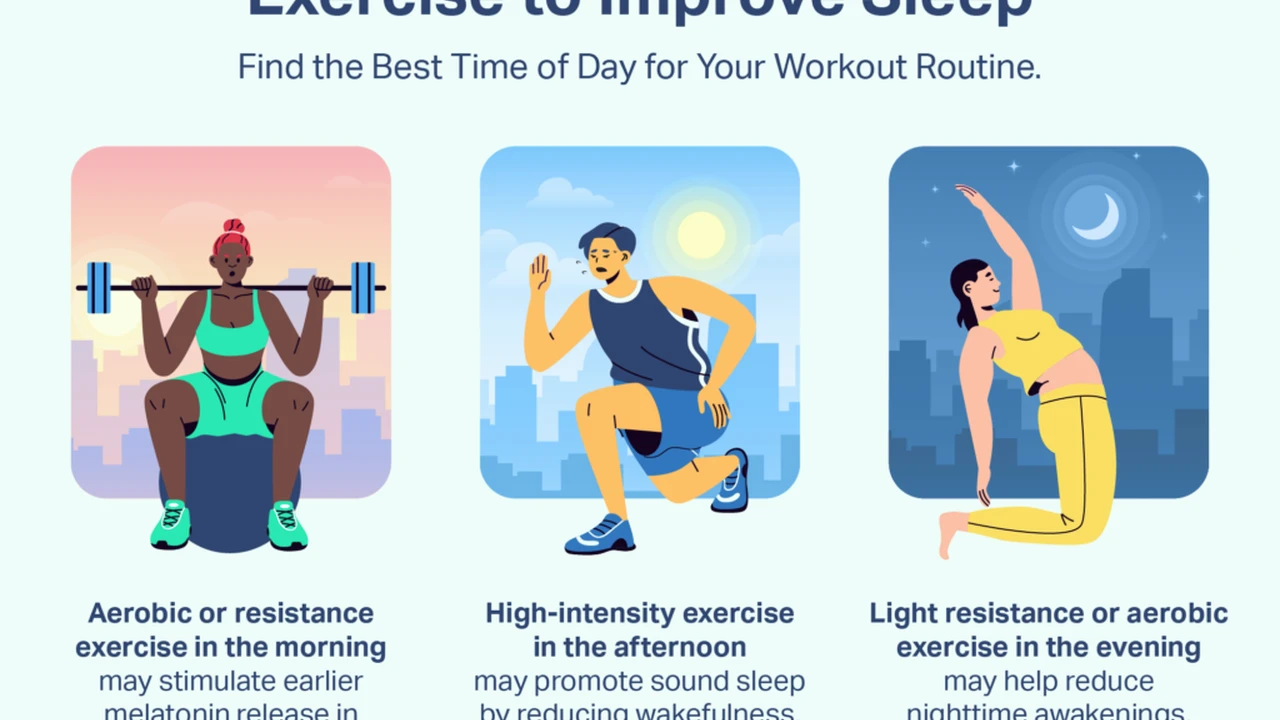
Engage in some physical activity during the day. A walk around your new surroundings can help you adjust to the time zone and tire you out for bedtime. Just avoid intense workouts too close to sleep, as they can be stimulating.
Recommended Travel Sleep Products and Their Benefits
Investing in the right products can significantly enhance your travel sleep experience. Here are some top recommendations, their use cases, comparisons, and approximate pricing.
Top 3 Travel Pillows for Neck Support and Comfort
A good travel pillow is a game-changer for sleeping upright or in awkward positions.
-
Cabeau Evolution S3 Travel Pillow:
- Use Case: Ideal for long-haul flights, train rides, or car trips where you need serious neck and head support to prevent head bobbing.
- Features: Patented seat strap system prevents head from falling forward or sideways. Made with responsive memory foam. Raised side supports. Removable, washable cover.
- Comparison: More supportive and structured than traditional U-shaped pillows. The strap system is unique and highly effective.
- Price: ~$40-$60 USD
-
Trtl Pillow Plus:
- Use Case: For travelers who prefer a more compact and adjustable neck support system. Great for those who find traditional U-shaped pillows bulky.
- Features: Internal support system that wraps around your neck like a scarf. Adjustable height for personalized comfort. Breathable fabric.
- Comparison: Offers excellent lateral support without the bulk. Takes some getting used to, but many find it superior for side sleeping on planes.
- Price: ~$60-$75 USD
-
BCOZZY Chin Support Travel Pillow:
- Use Case: Perfect for those who tend to nod forward when sleeping upright. Provides chin support to keep your head from dropping.
- Features: Overlapping arms that cradle your chin. Soft, plush fabric. Can be adjusted for various sleeping positions.
- Comparison: Unique design specifically targets forward head drop. Less bulky than some memory foam options.
- Price: ~$30-$45 USD
Best Noise-Canceling Headphones and Earplugs for Quiet Sleep
Blocking out noise is paramount for quality sleep, especially in noisy travel environments.
-
Sony WH-1000XM5 Noise-Canceling Headphones:
- Use Case: For ultimate noise cancellation on planes, trains, or in noisy hotel rooms. Also great for listening to calming music or white noise.
- Features: Industry-leading noise cancellation, comfortable over-ear design, excellent sound quality, long battery life.
- Comparison: Often considered the gold standard for noise cancellation, surpassing many competitors in effectiveness.
- Price: ~$350-$400 USD
-
Bose QuietComfort Earbuds II:
- Use Case: For those who prefer in-ear solutions with powerful noise cancellation. More portable than over-ear headphones.
- Features: Excellent noise cancellation in a compact earbud form factor, comfortable fit, good sound.
- Comparison: Offers comparable noise cancellation to larger headphones but in a much smaller package. Ideal for sleeping on your side.
- Price: ~$250-$300 USD
-
Mack's Ultra Soft Foam Earplugs (Disposable):
- Use Case: Affordable and highly effective for blocking out general noise. Great for one-time use or if you frequently lose earplugs.
- Features: High noise reduction rating (NRR), soft foam for comfort, disposable.
- Comparison: Simple, no-frills, but incredibly effective. A travel staple for many.
- Price: ~$5-$10 USD for a multi-pack
-
Loop Quiet Earplugs (Reusable):
- Use Case: For those seeking reusable, comfortable earplugs that offer significant noise reduction without completely isolating you.
- Features: Made from soft silicone, stylish design, come with multiple tip sizes for a custom fit.
- Comparison: More comfortable and durable than foam earplugs, and more aesthetically pleasing.
- Price: ~$20-$25 USD
Effective Eye Masks for Complete Darkness and Light Blocking
An eye mask is essential for creating darkness, especially when you can't control the light source.
-
MZOO Sleep Eye Mask:
- Use Case: For complete darkness and comfort, especially for side sleepers or those sensitive to pressure on their eyes.
- Features: Contoured design with eye cavities, allowing for blinking and no pressure on the eyes. Adjustable strap. Made from soft memory foam.
- Comparison: Superior to flat eye masks as it doesn't press on your eyelids, making it more comfortable for extended wear.
- Price: ~$10-$15 USD
-
Slip Silk Sleep Mask:
- Use Case: For a luxurious feel and gentle touch on the skin and hair. Ideal for those concerned about wrinkles or hair creasing.
- Features: Made from 100% pure mulberry silk, gentle on delicate facial skin, blocks light effectively.
- Comparison: While more expensive, the silk material is incredibly soft and breathable, offering a premium experience.
- Price: ~$50-$60 USD
Portable White Noise Machines and Sleep Sound Apps
Consistent ambient sound can mask disruptive noises and help you fall asleep faster.
-
LectroFan Micro2 Sleep Sound Machine:
- Use Case: A compact and versatile white noise machine for travel. Great for hotel rooms or camping.
- Features: Offers 10 unique non-looping fan sounds and 10 white noise variations. Bluetooth speaker functionality. Rechargeable battery.
- Comparison: Smaller and more portable than many home white noise machines, with a good variety of sounds.
- Price: ~$30-$40 USD
-
Hatch Rest Mini (Travel-Friendly):
- Use Case: A simplified version of the popular Hatch Rest, offering white noise and night light in a compact form.
- Features: White noise, lullabies, and a soft night light. Controlled via app.
- Comparison: While designed for babies, its simplicity and sound quality make it excellent for adult travel.
- Price: ~$40-$50 USD
-
Sleep Cycle App (iOS/Android):
- Use Case: Uses your phone's microphone to analyze sleep patterns and offers smart alarms, but also has a library of sleep sounds and guided meditations.
- Features: Sleep tracking, smart alarm, sleep aid sounds, guided meditations, sleep notes.
- Comparison: Leverages your existing device, making it a cost-effective solution. The sound library is extensive.
- Price: Free with in-app purchases for premium features (~$30-$60/year for premium).
-
Calm App (iOS/Android):
- Use Case: Primarily for meditation and mindfulness, but features a vast library of 'Sleep Stories' and soothing soundscapes.
- Features: Guided meditations, Sleep Stories (bedtime stories for adults), music, masterclasses.
- Comparison: More focused on guided content and storytelling for sleep, rather than just ambient noise.
- Price: Free trial, then subscription (~$70/year).
Melatonin Supplements and Natural Sleep Aids for Adjustment
Always consult a healthcare professional before taking any supplements.
-
Nature Made Melatonin 3mg Tablets:
- Use Case: For short-term use to help reset your sleep-wake cycle, especially when experiencing jet lag.
- Features: Small, easy-to-swallow tablets. Available in various dosages.
- Comparison: A widely available and trusted brand. Start with a low dose (e.g., 0.5mg-1mg) and take 30-60 minutes before your desired bedtime in the new time zone.
- Price: ~$10-$15 USD for a bottle.
-
Olly Sleep Gummy Supplements:
- Use Case: For those who prefer gummies and a blend of sleep-supporting ingredients.
- Features: Contains melatonin, L-Theanine, and botanicals like chamomile and lemon balm.
- Comparison: Offers a multi-ingredient approach, which some find more effective than melatonin alone.
- Price: ~$15-$20 USD for a bottle.
Managing Common Travel Sleep Challenges and Solutions
Even with the best preparation, challenges can arise. Here's how to tackle them.
Dealing with Unfamiliar Beds and Pillows in Hotels
If the bed is too soft or too firm, try to adjust. Some hotels offer pillow menus. If not, use your travel pillow or roll up a towel under your neck for support. If the mattress is truly uncomfortable, consider asking for a room change or placing a blanket under you for extra padding.
Overcoming Noise Disturbances in New Environments
This is where your earplugs or noise-canceling headphones come in. If you're still struggling, a white noise machine or app can create a consistent sound barrier. If the noise is coming from a specific source (e.g., a noisy neighbor), don't hesitate to politely inform the hotel front desk.
Adjusting to Different Light Levels and Room Darkness
Your eye mask is your best friend here. If there are gaps in the curtains, use clips, tape, or even clothes hangers to seal them. Turn off all unnecessary indicator lights on electronics. If you need a night light, use a very dim, red-spectrum light.
Coping with Travel Anxiety and Excitement Before Sleep
Travel can be exciting, but also stressful. Practice relaxation techniques like deep breathing, progressive muscle relaxation, or a short meditation before bed. Journaling about your day or any worries can also help clear your mind. Avoid planning or working right before bed.
Maintaining Hydration and Avoiding Dehydration Effects on Sleep
Carry a reusable water bottle and refill it frequently. Sip water throughout the day, especially on travel days. Limit sugary drinks, excessive caffeine, and alcohol, as they can contribute to dehydration and disrupt sleep.
Long-Term Sleep Health While Traveling Frequently
For frequent travelers, maintaining sleep health is even more critical.
Establishing a Consistent Sleep Schedule Across Time Zones
While challenging, try to maintain as consistent a sleep schedule as possible, even if it means adjusting it slightly for different time zones. Your body thrives on routine.
Prioritizing Sleep as a Non-Negotiable Part of Your Travel Itinerary
Don't view sleep as something to sacrifice for more sightseeing or work. Build in adequate sleep time into your itinerary. Recognize that good sleep will make you more productive, more enjoyable to be around, and better able to experience your trip.
Utilizing Technology for Sleep Tracking and Optimization
Sleep trackers (wearables or apps) can provide valuable insights into your sleep patterns while traveling. Use this data to identify what works and what doesn't for your sleep on the road. Some smart devices can even help you optimize your environment.
Seeking Professional Advice for Persistent Sleep Issues
If you consistently struggle with sleep while traveling, or if jet lag symptoms are severe and prolonged, consider consulting a sleep specialist. They can offer personalized advice and solutions, including light therapy or prescription medications if necessary.
Traveling should be an enjoyable and enriching experience, not one that leaves you feeling exhausted and run down. By implementing these strategies and investing in a few key products, you can master the art of sleeping well on the go. Sweet dreams, no matter your destination!
:max_bytes(150000):strip_icc()/277019-baked-pork-chops-with-cream-of-mushroom-soup-DDMFS-beauty-4x3-BG-7505-5762b731cf30447d9cbbbbbf387beafa.jpg)