Stress Management Techniques for Sleep
Implement effective stress management techniques to prevent sleep disruption. Calm your mind for peaceful slumber.
Implement effective stress management techniques to prevent sleep disruption. Calm your mind for peaceful slumber.
Hey there, ever find yourself staring at the ceiling at 3 AM, mind racing with everything from tomorrow's to-do list to that embarrassing thing you said five years ago? Yeah, you're not alone. Stress is a massive sleep killer, and in our always-on world, it's becoming an epidemic. But here's the good news: you don't have to let stress dictate your sleep. There are tons of practical, actionable techniques you can weave into your daily life to calm your mind and pave the way for peaceful slumber. We're talking about real strategies, not just 'think positive' fluff. Let's dive in and get you sleeping better.
Understanding the Stress Sleep Connection
Before we get to the solutions, let's quickly chat about why stress messes with your sleep. When you're stressed, your body goes into 'fight or flight' mode. This means it releases hormones like cortisol and adrenaline. These are great if you're running from a tiger, but not so much when you're trying to drift off. They keep you alert, your heart rate up, and your mind buzzing. It's a vicious cycle: stress causes poor sleep, and poor sleep makes you more susceptible to stress. Breaking this cycle is key to reclaiming your nights.
Daily Habits for Stress Reduction and Better Sleep
It's not just about what you do right before bed; it's about building a foundation of stress resilience throughout your day. Think of it as chipping away at stress, rather than trying to knock it all down at once.
Mindfulness and Meditation for Calmness
This isn't just for gurus anymore. Mindfulness is simply being present, noticing your thoughts and feelings without judgment. Meditation is a formal practice of this. Even 5-10 minutes a day can make a huge difference in your stress levels and, consequently, your sleep. There are tons of apps out there that can guide you.
Top Meditation Apps for Sleep and Stress Relief
- Calm: This app is a powerhouse for sleep and meditation. It offers guided meditations, sleep stories (narrated by soothing voices like Matthew McConaughey!), breathing exercises, and calming music. It's super user-friendly and has programs for beginners to advanced meditators.
- Headspace: Known for its playful animations and accessible approach, Headspace makes meditation less intimidating. It has specific courses for stress, anxiety, and sleep, breaking down complex concepts into bite-sized lessons.
- Insight Timer: If you're looking for variety and a free option, Insight Timer is fantastic. It boasts thousands of free guided meditations, talks, and music tracks from various teachers. You can find meditations specifically for sleep, stress, and even specific emotions.
- Breethe: This app focuses on practical, real-world applications of mindfulness. It offers meditations for specific situations like 'before a big meeting' or 'when you can't sleep.' It also has sleep music, bedtime stories, and hypnotherapy sessions.
Comparison of Meditation Apps
| App Name | Key Features | Pricing (Approx. Monthly/Annual) | Best For |
|---|---|---|---|
| Calm | Sleep Stories, Guided Meditations, Breathing Exercises, Masterclasses | $14.99 / $69.99 | Sleep-focused users, those who enjoy celebrity narrators, comprehensive programs. |
| Headspace | Animated Guides, Themed Courses (Stress, Sleep, Focus), SOS Sessions | $12.99 / $69.99 | Beginners, those who prefer a structured, progressive learning path. |
| Insight Timer | Thousands of Free Meditations, Community Features, Timer Function | Free (Premium for offline/advanced features: $9.99 / $59.99) | Users on a budget, those seeking variety and a large community. |
| Breethe | Situational Meditations, Hypnotherapy, Sleep Music, Life Coaches | $12.99 / $89.99 | Practical application of mindfulness, those seeking quick relief for specific stressors. |
Regular Physical Activity and Exercise Benefits
You've heard it before, but it bears repeating: exercise is a phenomenal stress reliever. It helps burn off excess adrenaline and cortisol, and it releases endorphins, which have mood-boosting effects. Just make sure you're not doing super intense workouts too close to bedtime, as that can actually rev you up. Aim for moderate exercise earlier in the day.
Time Management and Prioritization Skills
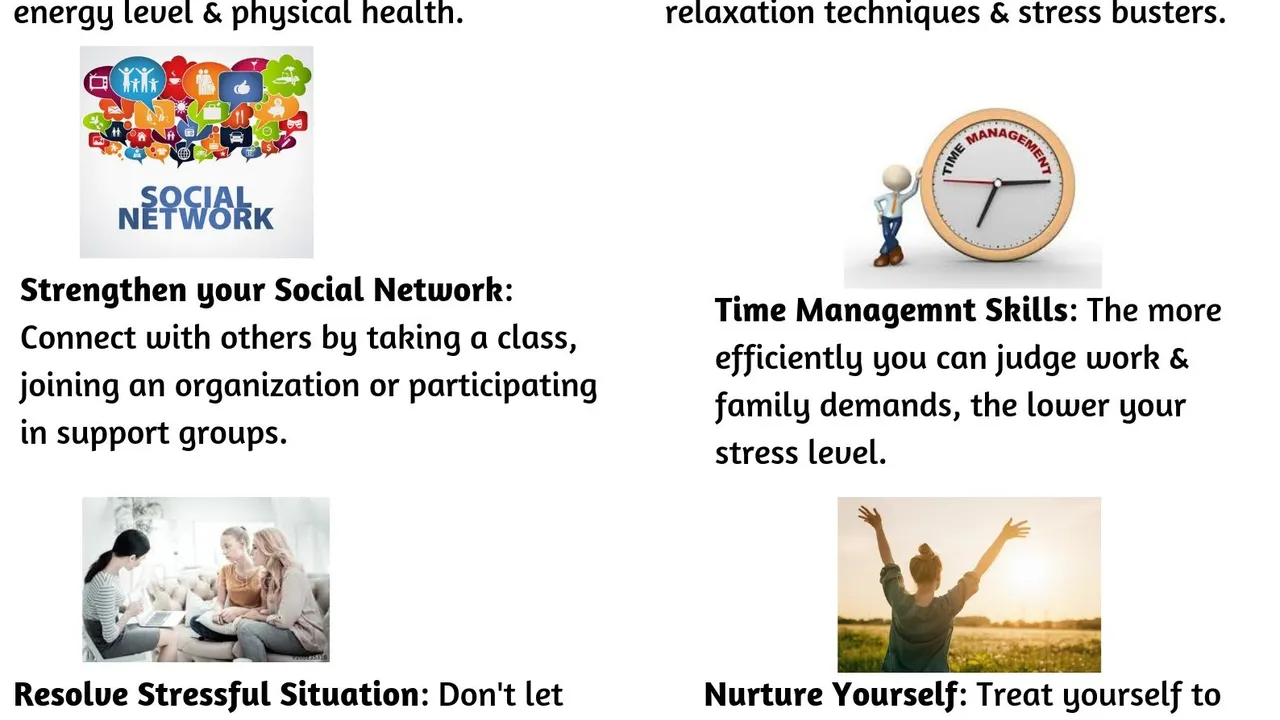
Feeling overwhelmed by your to-do list is a huge source of stress. Learning to prioritize tasks, delegate when possible, and say 'no' can significantly reduce your mental load. Tools like planners, digital calendars, or even just a simple notepad can help you organize your thoughts and feel more in control.
Healthy Diet and Nutrition for Stress Resilience
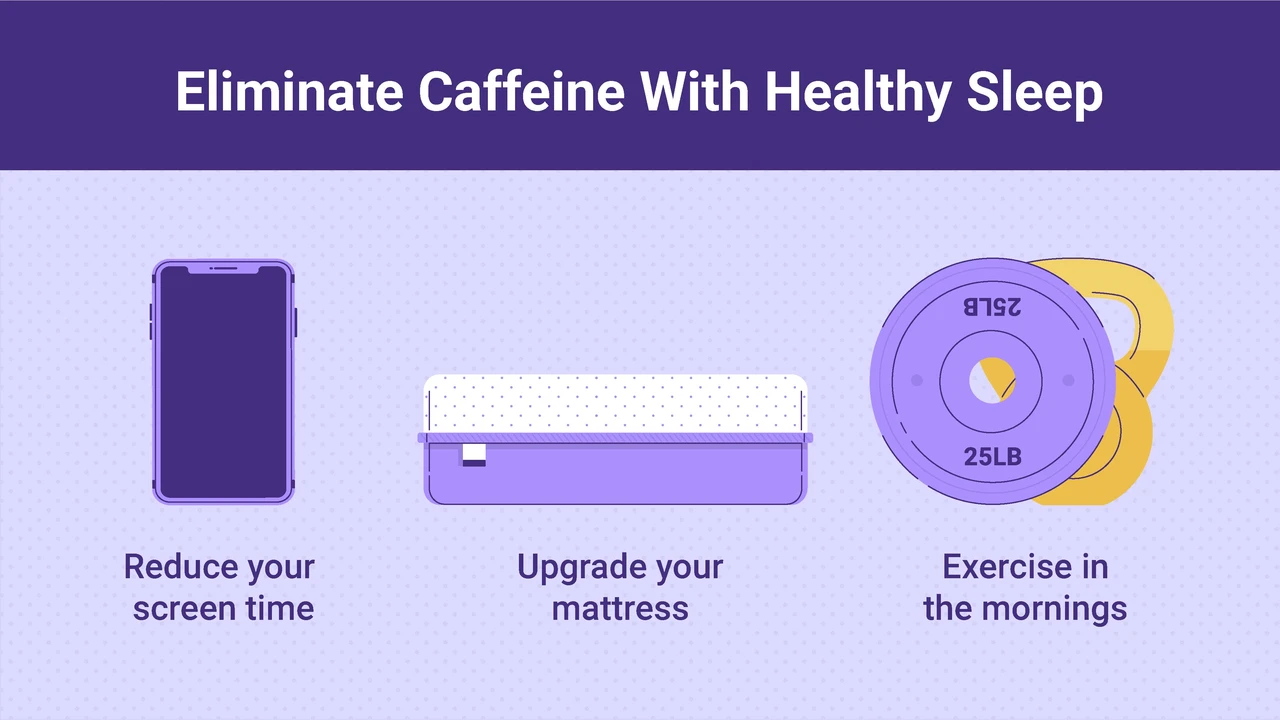
What you eat plays a role in how your body handles stress. A diet rich in whole foods, fruits, vegetables, and lean proteins can stabilize blood sugar and provide the nutrients your body needs to function optimally. Avoid excessive caffeine and sugar, especially in the afternoon and evening, as they can exacerbate anxiety and disrupt sleep.
Social Connection and Support Systems
Humans are social creatures. Connecting with friends, family, or a support group can provide emotional release and a sense of belonging. Talking about your stressors can often make them feel less daunting. Don't underestimate the power of a good chat or a comforting hug.
Pre-Sleep Rituals for Winding Down and Relaxation
The hour or so before bed is crucial for transitioning your body and mind from 'on' to 'off.' This is where your dedicated wind-down routine comes in.
Warm Bath or Shower for Muscle Relaxation
A warm bath or shower can be incredibly relaxing. The warm water helps to relax your muscles, and the subsequent drop in body temperature after you get out can actually signal to your body that it's time for sleep. Add some Epsom salts or a few drops of lavender essential oil for an extra calming effect.
Reading a Physical Book for Mental Escape
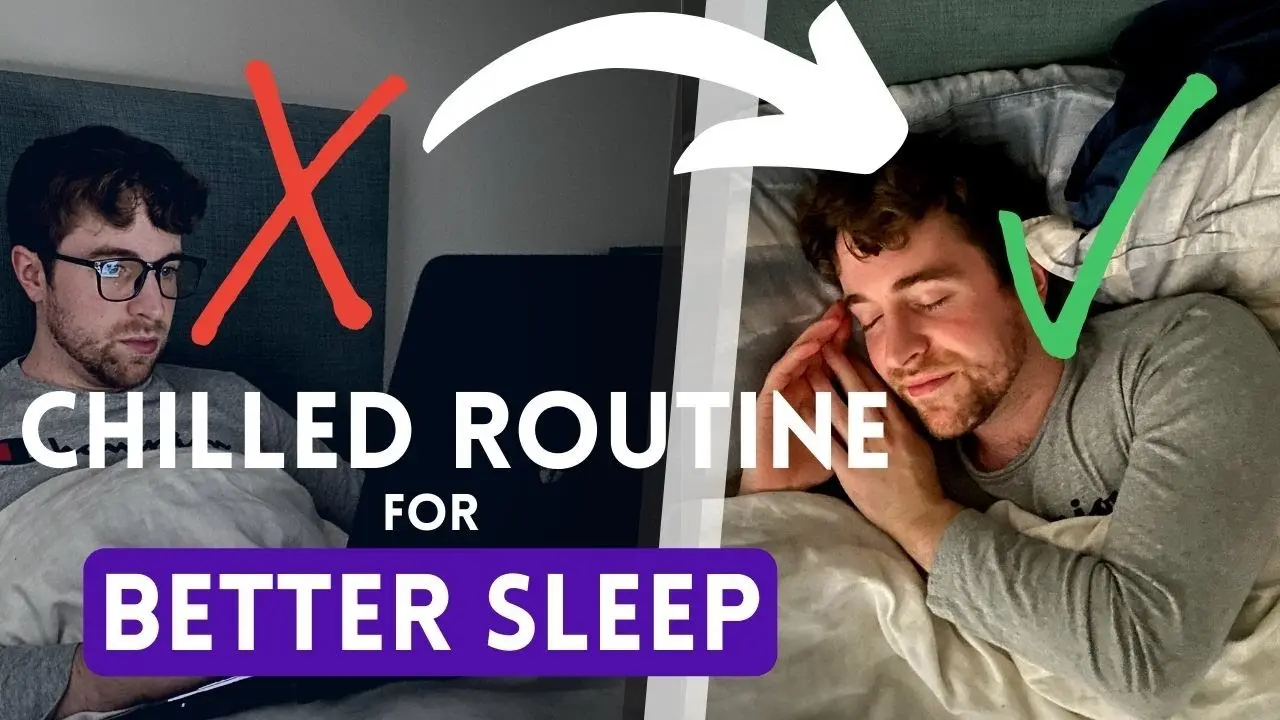
Ditch the screens! The blue light emitted by phones, tablets, and computers can suppress melatonin production, which is your body's natural sleep hormone. Instead, pick up a good old-fashioned physical book. It's a great way to distract your mind from daily worries and transport yourself to another world.
Gentle Stretching or Yoga for Flexibility and Calm
Light stretching or a few gentle yoga poses can release tension in your muscles and calm your nervous system. Focus on slow, deliberate movements and deep breathing. Avoid anything too strenuous that might energize you.
Journaling for Emotional Release and Clarity
If your mind is buzzing with thoughts, try a 'brain dump' before bed. Write down everything that's on your mind – worries, to-do lists, ideas. Getting it all out on paper can prevent those thoughts from swirling around in your head once you hit the pillow. You can also try gratitude journaling, focusing on positive things that happened during your day.
Aromatherapy with Essential Oils for Relaxation
Certain essential oils have calming properties that can promote relaxation and sleep. Lavender is probably the most well-known, but chamomile, frankincense, and bergamot are also great options. You can diffuse them, put a few drops on your pillow, or add them to a warm bath.
Recommended Essential Oil Diffusers for Sleep
- ASAKUKI 500ml Essential Oil Diffuser: This is a popular choice for its large capacity (meaning longer diffusion times), quiet operation, and multiple mist modes. It also has a built-in night light with several color options, which can be soothing.
- URPOWER 300ml Aroma Essential Oil Diffuser: A more compact and affordable option, the URPOWER diffuser is great for smaller spaces. It's simple to use, has a decent mist output, and also features a color-changing LED light.
- VicTsing 300ml Cool Mist Humidifier Diffuser: This one doubles as a humidifier, which can be beneficial if you live in a dry climate. It's quiet, has an auto-shutoff feature, and offers a good balance of features for its price point.
Comparison of Essential Oil Diffusers
| Product Name | Capacity (ml) | Key Features | Approx. Price (USD) | Best For |
|---|---|---|---|---|
| ASAKUKI 500ml Essential Oil Diffuser | 500 | Large capacity, quiet, multiple mist modes, 7 LED light colors, auto-shutoff | $25 - $35 | Larger rooms, longer diffusion times, users who want more features. |
| URPOWER 300ml Aroma Essential Oil Diffuser | 300 | Compact, simple operation, 7 LED light colors, auto-shutoff | $15 - $25 | Smaller rooms, budget-conscious users, basic diffusion needs. |
| VicTsing 300ml Cool Mist Humidifier Diffuser | 300 | Diffuser & Humidifier combo, quiet, auto-shutoff, 7 LED light colors | $20 - $30 | Users in dry climates, those who want dual functionality. |
Cognitive Behavioral Therapy for Insomnia CBT-I Principles
If stress-induced insomnia is a persistent problem, you might want to look into CBT-I. This is a highly effective, evidence-based therapy that addresses the thoughts and behaviors that prevent you from sleeping. It's not just about relaxation; it's about retraining your brain to associate your bed with sleep and breaking unhelpful patterns.
Stimulus Control Therapy for Sleep Association
This principle is all about strengthening the association between your bed and sleep. It means only using your bed for sleep and sex. If you can't sleep, get out of bed and do something relaxing in another room until you feel sleepy, then return to bed. No reading, watching TV, or working in bed!
Sleep Restriction Therapy for Sleep Efficiency
This sounds counterintuitive, but it involves temporarily reducing the amount of time you spend in bed to increase your sleep drive. The idea is to consolidate your sleep, making it more efficient. As your sleep improves, the time in bed is gradually increased. This should always be done under the guidance of a professional.
Cognitive Restructuring for Negative Thoughts
This component of CBT-I helps you identify and challenge negative thoughts about sleep. For example, if you constantly think, 'I'll never sleep tonight,' cognitive restructuring helps you reframe that thought into something more realistic and less anxiety-provoking.
Relaxation Training for Stress Reduction
CBT-I often incorporates various relaxation techniques, such as progressive muscle relaxation (tensing and relaxing different muscle groups) and diaphragmatic breathing (deep belly breathing), to help you calm your body and mind before sleep.
When to Seek Professional Help for Sleep Issues
While these techniques are incredibly helpful, sometimes stress and sleep problems run deeper. If you've tried these strategies consistently and are still struggling, or if your sleep issues are significantly impacting your daily life, it might be time to talk to a professional. A doctor or a sleep specialist can rule out underlying medical conditions and provide personalized guidance. They might recommend a sleep study or refer you to a CBT-I therapist.
Building a Personalized Stress Management Plan
The key to success is finding what works for YOU. Not every technique will resonate with everyone, and that's perfectly fine. Start by experimenting with a few of the suggestions above. Maybe it's daily meditation, a consistent evening bath, or simply dedicating 15 minutes to journaling before bed. The goal is to build a personalized toolkit of stress management techniques that you can rely on to calm your mind and prepare your body for the restorative sleep you deserve. Remember, good sleep isn't a luxury; it's a necessity for your physical and mental well-being. So, take a deep breath, try some of these tips, and get ready to finally catch those Zs.
:max_bytes(150000):strip_icc()/277019-baked-pork-chops-with-cream-of-mushroom-soup-DDMFS-beauty-4x3-BG-7505-5762b731cf30447d9cbbbbbf387beafa.jpg)