Using Sleep Data to Improve Your Health
Learn how to interpret your sleep data to make actionable changes for better health. Optimize your sleep based on insights.
Learn how to interpret your sleep data to make actionable changes for better health. Optimize your sleep based on insights.
Using Sleep Data to Improve Your Health
Hey there, sleep enthusiasts! Ever wondered what all those numbers and graphs on your sleep tracker actually mean? You're not alone. In today's world, sleep tracking has become super popular, with devices ranging from smartwatches to under-mattress sensors promising to unlock the secrets of your slumber. But getting the data is just the first step. The real magic happens when you learn how to interpret that data and, more importantly, use it to make real, positive changes to your health and well-being. Let's dive deep into how you can turn raw sleep data into actionable insights.
Understanding Your Sleep Metrics The Basics
Before we get into the 'how-to,' let's quickly recap some of the key metrics your sleep tracker probably shows you. Knowing what these mean is crucial for making sense of your sleep patterns.
Total Sleep Time How Much Are You Really Getting
This one's pretty straightforward: it's the total amount of time you spent asleep. While the recommended amount for adults is generally 7-9 hours, your tracker might show you a slightly different number than the time you spent in bed. This is because it subtracts periods of wakefulness, even if you don't remember them. If your total sleep time is consistently low, it's a clear sign you might need to prioritize more shut-eye.
Sleep Stages Decoding REM Deep and Light Sleep
Most modern trackers attempt to identify your sleep stages: Light, Deep (or Slow-Wave), and REM (Rapid Eye Movement) sleep. Each stage plays a vital role in your physical and mental restoration.
- Light Sleep: This is the transition phase, making up about 50% of your night. It's important, but not as restorative as deep or REM.
- Deep Sleep: Often called 'physical restoration' sleep, this is when your body repairs tissues, grows, and strengthens your immune system. It's crucial for feeling physically refreshed.
- REM Sleep: This is your 'mental restoration' sleep, vital for memory consolidation, learning, and emotional processing. It's when most dreaming occurs.
If you're consistently low on deep or REM sleep, even if your total sleep time is decent, you might wake up feeling groggy or mentally foggy. Your tracker can highlight these imbalances.
Sleep Efficiency The Quality of Your Sleep
Sleep efficiency is the percentage of time you spend actually asleep while in bed. A high sleep efficiency (ideally 85% or more) means you're spending most of your time in bed actually sleeping, rather than tossing and turning or being awake. Low efficiency can point to issues like insomnia or frequent awakenings.
Sleep Latency How Long It Takes to Fall Asleep
This metric tells you how long it takes you to drift off after getting into bed. Ideally, you want this to be between 10-20 minutes. If it's consistently much longer, you might be struggling with sleep onset insomnia or have too much stimulating activity before bed.
Wake After Sleep Onset WASO Interruptions to Your Sleep
WASO measures the total time you spend awake after initially falling asleep but before your final wake-up. This includes those brief awakenings you might not even remember. High WASO can indicate fragmented sleep, which is less restorative.
Connecting Sleep Data to Your Daily Life What to Look For
Now that you know the metrics, how do you use them? The key is to look for patterns and correlations between your sleep data and your daily habits, feelings, and performance.
Identify Your Sleep Killers Habits That Hurt Your Rest
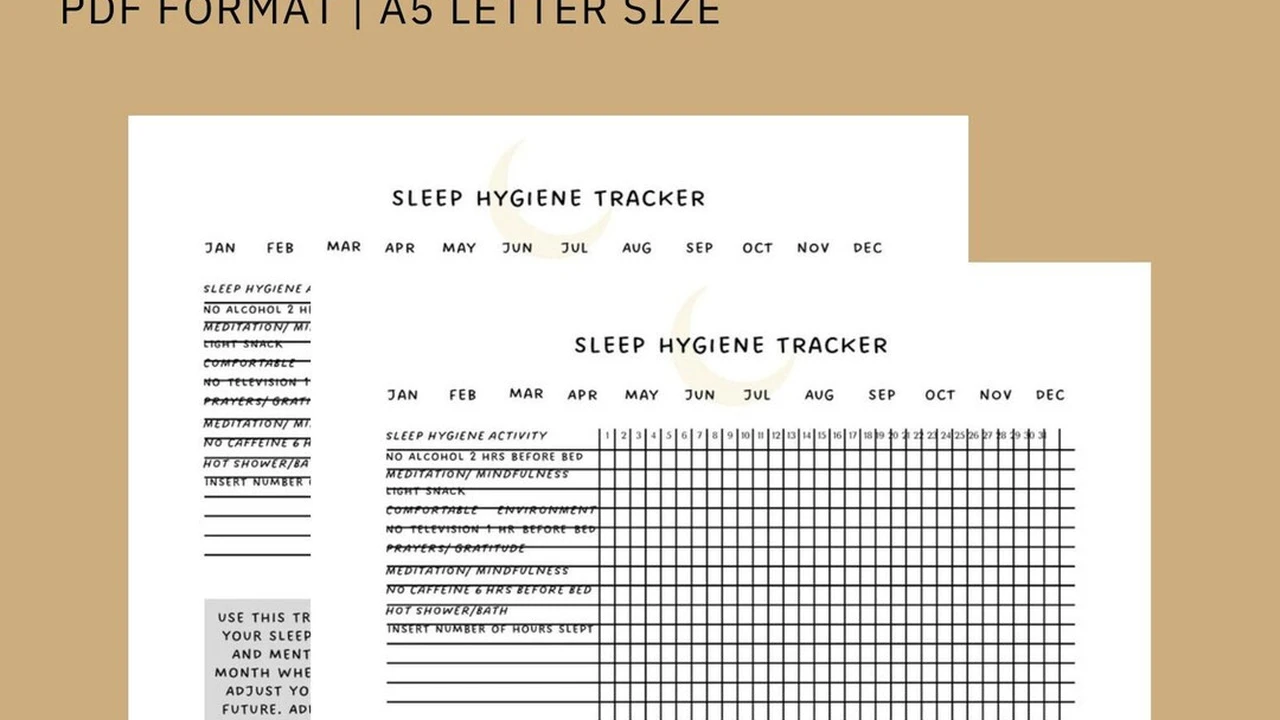
Start by cross-referencing your sleep data with your daily activities. Did you have a late-night coffee? A stressful day at work? A heavy meal right before bed? A late-night workout? Keep a simple journal (mental or physical) of these factors and see how they impact your sleep metrics. For example:
- Late Caffeine Intake: Notice a drop in deep sleep or increased WASO after that 4 PM espresso? There's your culprit.
- Alcohol Before Bed: Often, alcohol can make you fall asleep faster, but it severely fragments your sleep later in the night, reducing REM and increasing WASO. Your tracker will show this dip in quality.
- Evening Screen Time: If your sleep latency is high and deep sleep is low after a binge-watching session, the blue light might be messing with your melatonin production.
- Stressful Days: High WASO or reduced REM sleep can be indicators of a mind that's still racing.
Optimize Your Routine Find What Works Best for You
Once you identify potential 'sleep killers,' start experimenting with changes and observe the impact on your data. This is where your sleep tracker becomes a powerful personal sleep coach.
- Consistent Bedtime and Wake Time: This is foundational. Even on weekends, try to stick to a consistent schedule. Your tracker will likely show more stable sleep patterns, better sleep efficiency, and more balanced sleep stages.
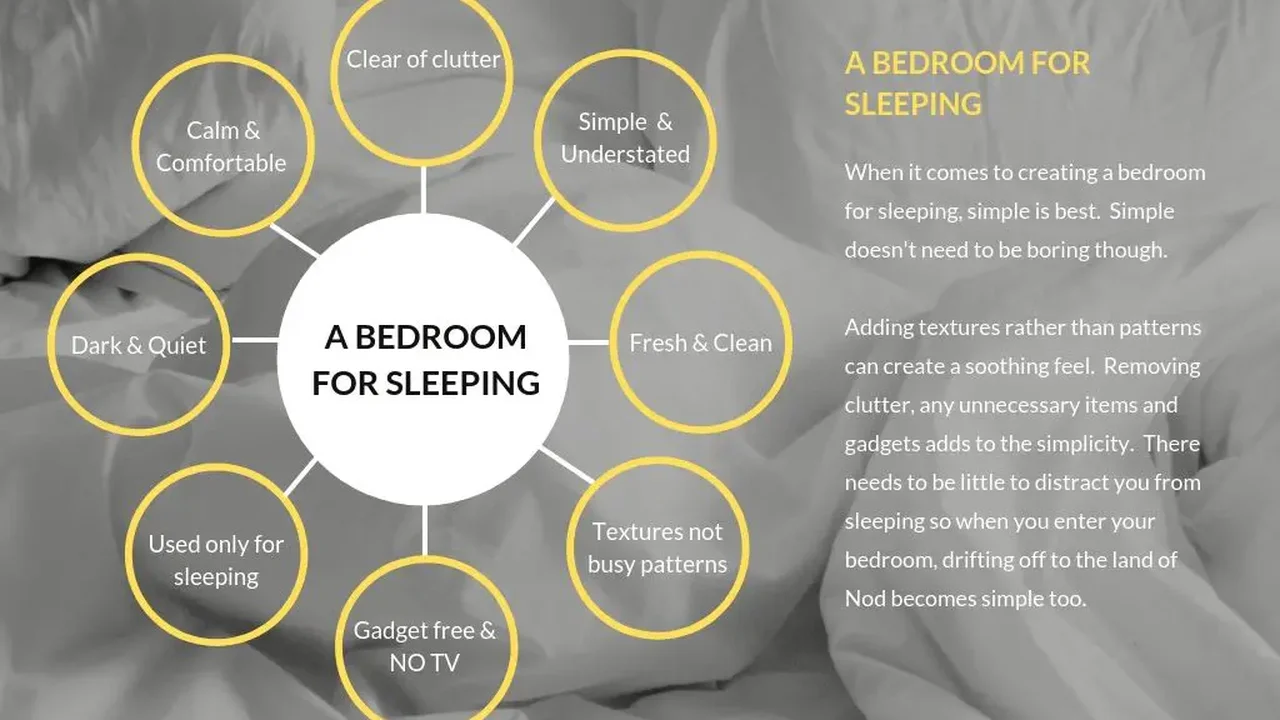
- Pre-Sleep Routine: Experiment with different wind-down activities. Does reading a physical book improve your sleep latency compared to scrolling on your phone? Does a warm bath increase your deep sleep?
- Exercise Timing: Some people find morning workouts energizing and sleep-promoting, while others prefer afternoon sessions. Late-night intense exercise can sometimes elevate core body temperature, making it harder to fall asleep. Use your data to find your sweet spot.
- Dietary Changes: Pay attention to how certain foods affect your sleep. A heavy, spicy meal close to bedtime might increase WASO or reduce deep sleep due to digestive discomfort.
Track Your Progress and Celebrate Small Wins
Don't expect overnight miracles. Sleep optimization is a journey. Look for gradual improvements in your key metrics. Did your sleep efficiency go from 75% to 80%? Great! Is your deep sleep consistently hitting your target? Fantastic! Celebrating these small wins keeps you motivated.
Recommended Sleep Tracking Products and Their Use Cases
To effectively use sleep data, you need a reliable way to collect it. Here are some popular and effective sleep tracking devices, along with their typical use cases, comparisons, and approximate pricing. Remember, prices can vary based on region, sales, and specific models.
1. Wearable Sleep Trackers Smartwatches and Rings
These are the most common type, worn on your wrist or finger. They use accelerometers, heart rate sensors, and sometimes temperature sensors to estimate sleep stages and quality.
Apple Watch Series 9
- Use Case: Ideal for iPhone users who want an all-in-one health and fitness tracker. It integrates seamlessly with Apple Health and provides detailed sleep stage analysis, sleep consistency, and respiratory rate.
- Pros: Excellent ecosystem integration, robust health tracking beyond sleep, user-friendly interface, good accuracy for a wrist-based tracker.
- Cons: Needs daily charging (though fast), not as accurate as dedicated sleep devices for some metrics, only for iPhone users.
- Approx. Price: $399 - $499 USD
Garmin Forerunner 265
- Use Case: Perfect for athletes and fitness enthusiasts who want comprehensive sleep tracking alongside advanced training metrics. Garmin's Body Battery feature is excellent for understanding recovery.
- Pros: Long battery life, very detailed sleep insights (including HRV, respiration, SpO2), excellent for activity tracking, robust app.
- Cons: Can be bulky for some, learning curve for the extensive features.
- Approx. Price: $449 - $499 USD
Oura Ring Gen 3
- Use Case: For those who prefer a discreet, non-wrist-based tracker with a strong focus on recovery and readiness. It's known for its accuracy due to being worn on the finger.
- Pros: Highly accurate sleep staging (especially REM and deep), comfortable to wear 24/7, excellent readiness score, long battery life (4-7 days).
- Cons: Subscription required for full features after initial purchase, no screen for immediate data, can be lost more easily than a watch.
- Approx. Price: $299 - $349 USD (plus monthly subscription)
2. Non-Wearable Sleep Trackers Under-Mattress and Bedside Devices
These devices are placed under your mattress or on your bedside table, offering a completely passive tracking experience. They're great if you don't like wearing anything to bed.
Withings Sleep Analyzer
- Use Case: Ideal for couples or individuals who want detailed sleep analysis without wearing a device. It tracks sleep cycles, heart rate, breathing disturbances (like sleep apnea detection), and snoring.
- Pros: Passive tracking, highly accurate, detects sleep apnea signs, integrates with Withings Health Mate app for a holistic view.
- Cons: Only tracks one person, requires setup under the mattress, no immediate feedback on the device itself.
- Approx. Price: $129 - $149 USD
Google Nest Hub (2nd Gen) with Sleep Sensing
- Use Case: For those who want a smart display that doubles as a passive sleep tracker, offering insights and smart home integration.
- Pros: No wearables needed, tracks breathing and disturbances, integrates with Google Fit, offers personalized sleep summaries and tips.
- Cons: Requires placement on a bedside table, uses radar technology (some privacy concerns for some), subscription may be required for full features in the future.
- Approx. Price: $99 - $129 USD
3. Smart Mattresses and Bed Bases
These are integrated solutions that offer comprehensive sleep tracking directly from your bed, often with additional features like temperature control or adjustable firmness.
Eight Sleep Pod 3 Cover
- Use Case: For serious sleep optimizers who want precise tracking combined with active temperature regulation for optimal sleep climate.
- Pros: Extremely accurate sleep tracking (heart rate, HRV, respiratory rate, sleep stages), active cooling and heating, smart alarm, integrates with other health apps.
- Cons: Very expensive, requires a monthly membership for full features, setup can be involved.
- Approx. Price: $2,000 - $2,500 USD (cover only, plus monthly subscription)
Sleep Number 360 Smart Bed
- Use Case: For those seeking personalized comfort and sleep tracking, with adjustable firmness and responsive air chambers.
- Pros: Personalized firmness (Sleep Number setting), tracks sleep quality and breathing, adjusts firmness automatically, dual-side adjustability for couples.
- Cons: Very high price point, large investment, requires professional delivery and setup.
- Approx. Price: $3,000 - $10,000+ USD (depending on model and features)
Beyond the Numbers Listening to Your Body
While sleep data is incredibly valuable, it's crucial to remember that it's a tool, not the ultimate authority. Your body is the best sleep tracker you have. Pay attention to how you feel each day, regardless of what the numbers say.
Subjective vs Objective Data The Full Picture
Sometimes, your tracker might say you had a 'great' night, but you wake up feeling exhausted. Or vice versa. This discrepancy highlights the importance of combining objective data (from your tracker) with subjective data (how you feel). If you consistently feel tired despite 'good' numbers, it might indicate an underlying issue that the tracker isn't picking up, or perhaps your definition of 'good' sleep needs adjustment.
Don't Obsess Over Perfection Avoid Orthosomnia
It's easy to get caught up in trying to achieve 'perfect' sleep scores, a phenomenon sometimes called 'orthosomnia.' This can lead to anxiety about sleep, which ironically, makes it harder to sleep. Use your tracker for insights and guidance, but don't let it dictate your self-worth or add unnecessary stress to your nights. A few 'bad' nights are normal; it's the consistent patterns you should focus on.
When to Seek Professional Help Your Tracker as a Diagnostic Aid
Your sleep tracker can be a fantastic tool to identify potential sleep issues, but it's not a diagnostic medical device. If your data consistently shows severe sleep fragmentation, very low deep or REM sleep, frequent breathing disturbances, or if you're experiencing persistent daytime fatigue despite seemingly adequate sleep, it's time to consult a healthcare professional or a sleep specialist. You can even bring your sleep data with you to provide valuable context for their assessment.
Think of your sleep tracker as a personal detective, gathering clues about your nightly habits. By understanding these clues and making informed adjustments, you're not just improving your sleep; you're investing in your overall health, energy, and quality of life. So go ahead, dive into your data, experiment with changes, and start sleeping smarter, not just longer!
:max_bytes(150000):strip_icc()/277019-baked-pork-chops-with-cream-of-mushroom-soup-DDMFS-beauty-4x3-BG-7505-5762b731cf30447d9cbbbbbf387beafa.jpg)