The Best Yoga Poses for Sleep
Practice gentle yoga poses designed to relax your body and mind for sleep. Wind down effectively before bed.
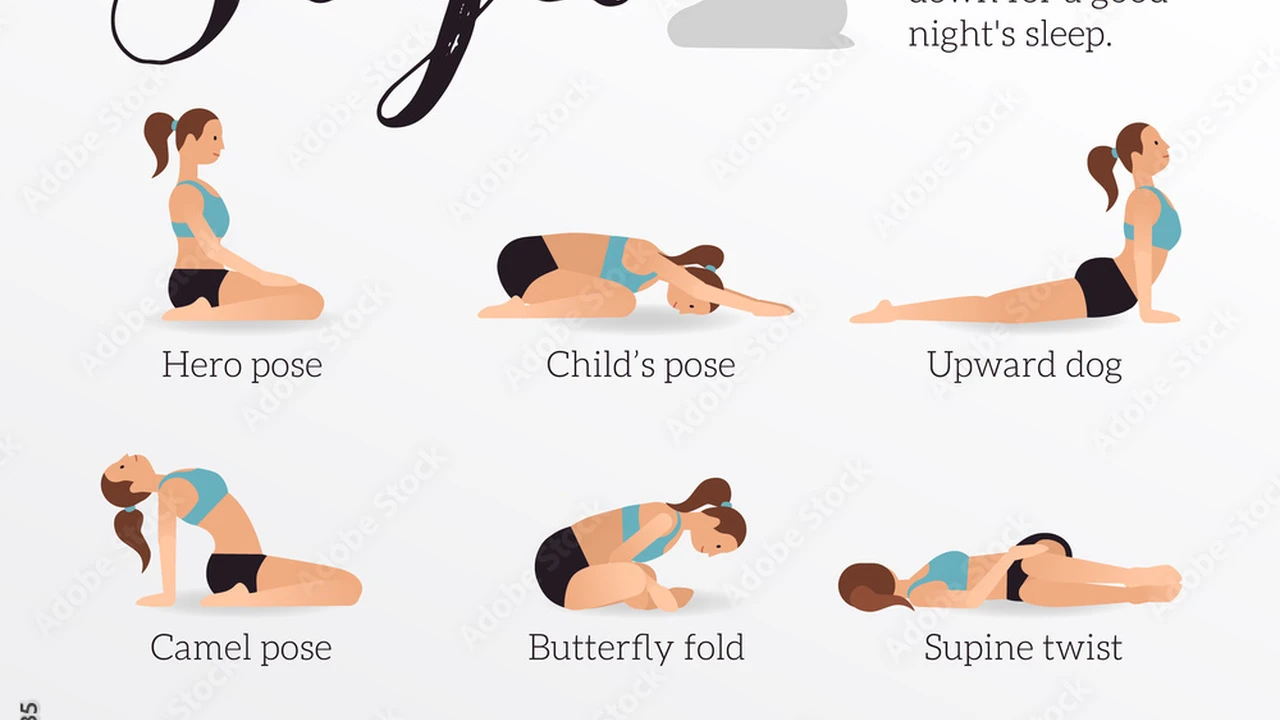
Practice gentle yoga poses designed to relax your body and mind for sleep. Wind down effectively before bed.
Hey there, fellow sleep seekers! Ever find yourself tossing and turning, mind racing, long after you've hit the sheets? You're definitely not alone. In our fast-paced world, winding down can feel like an Olympic sport. But what if I told you there's a gentle, effective way to signal to your body and mind that it's time to switch off and drift into dreamland? Enter yoga – not the sweaty, power-packed kind, but the slow, restorative, and deeply calming poses specifically designed to prepare you for a night of blissful sleep.
Yoga for sleep isn't about flexibility or strength; it's about creating a peaceful transition from your busy day to a restful night. It helps release physical tension, quiet mental chatter, and activate your parasympathetic nervous system – that's your 'rest and digest' mode. Think of it as a lullaby for your body and soul. Ready to discover some of the best poses and even a few products that can enhance your bedtime yoga routine? Let's dive in.
The Best Yoga Poses for Sleep
Understanding the Science Behind Yoga and Sleep Improvement
Before we get into the poses, let's quickly touch on why yoga is so effective for sleep. When you're stressed or anxious, your sympathetic nervous system (your 'fight or flight' response) is in overdrive. This floods your body with cortisol and adrenaline, making it incredibly difficult to relax and fall asleep. Yoga, especially the gentle, restorative kind, helps to downregulate this system and activate the parasympathetic nervous system. This shift lowers your heart rate, reduces muscle tension, and promotes a sense of calm, making it much easier to transition into sleep.
Specific breathing techniques (pranayama) often incorporated into bedtime yoga also play a huge role. Slow, deep breathing stimulates the vagus nerve, which is a key player in the parasympathetic nervous system. This directly impacts your ability to relax and fall asleep faster.
Essential Yoga Poses for a Restful Night Sleep Inducing Poses
1. Child's Pose Balasana for Deep Relaxation
This is often the go-to pose for comfort and surrender. It's incredibly grounding and helps to calm the brain and relieve stress and fatigue.
- How to do it: Start on your hands and knees. Bring your big toes to touch and spread your knees wide, or keep them hip-width apart. Sink your hips back towards your heels. Extend your arms forward, resting your forehead on the mat. You can also bring your arms alongside your body, palms facing up.
- Why it helps: It gently stretches the hips, thighs, and ankles while calming the brain and helping to relieve stress and fatigue. It's a pose of surrender, encouraging you to let go of the day's worries.
- Hold time: 3-5 minutes, or longer if it feels good.
2. Legs-Up-the-Wall Pose Viparita Karani for Circulation and Calm
This is a fantastic restorative pose that helps to calm the nervous system, relieve tired legs, and gently stretch the hamstrings and lower back.
- How to do it: Sit with one hip against a wall. Swing your legs up the wall as you lie back, so your torso is perpendicular to the wall and your legs are extended straight up. You can place a cushion or folded blanket under your hips for added comfort. Rest your arms by your sides, palms up, or place one hand on your heart and one on your belly.
- Why it helps: It reverses blood flow, which can be incredibly soothing for tired legs and feet. It also gently stretches the hamstrings and lower back, and the inversion helps to calm the nervous system.
- Hold time: 5-15 minutes.
3. Supine Spinal Twist Supta Matsyendrasana for Gentle Release
Twists are wonderful for releasing tension in the spine and promoting detoxification. This gentle supine twist is perfect for winding down.
- How to do it: Lie on your back with your knees bent and feet flat on the floor. Extend your arms out to a 'T' shape, palms up or down. Bring both knees into your chest, then let them fall to one side (e.g., to the right). Keep both shoulders grounded as much as possible. You can turn your head in the opposite direction of your knees. Repeat on the other side.
- Why it helps: It gently massages the internal organs, releases tension in the spine and lower back, and promotes a sense of release and relaxation.
- Hold time: 1-3 minutes per side.
4. Reclined Bound Angle Pose Supta Baddha Konasana for Hip Opening and Relaxation
This pose is incredibly relaxing and helps to open the hips and groin, areas where we often hold a lot of tension.
- How to do it: Lie on your back. Bring the soles of your feet together and let your knees fall open to the sides. You can place cushions or blocks under your knees for support if your hips feel tight. Rest your arms by your sides, palms up, or place one hand on your heart and one on your belly.
- Why it helps: It gently opens the hips and groin, which can release stored emotional tension. It also calms the nervous system and can relieve symptoms of stress and mild depression.
- Hold time: 5-10 minutes.
5. Corpse Pose Savasana for Complete Surrender
Often considered the most important pose in yoga, Savasana is all about complete relaxation and integration. It's the ultimate pose for letting go.
- How to do it: Lie flat on your back, legs extended, feet falling open naturally. Let your arms rest by your sides, palms facing up, slightly away from your body. Close your eyes and allow your body to feel heavy and supported by the floor. Focus on your breath, allowing it to be natural and effortless.
- Why it helps: It allows your body to fully absorb the benefits of your practice and enter a state of deep rest. It calms the brain and helps relieve stress and mild depression.
- Hold time: 5-10 minutes.
Incorporating Breathwork Pranayama for Enhanced Sleep Benefits
Beyond the physical poses, conscious breathing is a game-changer for sleep. Here are a couple of techniques to try:
1. Diaphragmatic Breathing Belly Breathing for Calming the Nervous System
This is the foundation of calming breathwork. It activates the vagus nerve, which directly impacts your relaxation response.
- How to do it: Lie on your back with one hand on your chest and the other on your belly. Inhale slowly through your nose, feeling your belly rise. Exhale slowly through your mouth (or nose), feeling your belly fall. The hand on your chest should remain relatively still.
- Why it helps: It promotes deep relaxation, reduces heart rate, and signals to your body that it's safe to rest.
- Practice: 5-10 minutes before bed.
2. 4-7-8 Breathing Technique for Rapid Relaxation
Developed by Dr. Andrew Weil, this technique is often called a 'natural tranquilizer for the nervous system.'
- How to do it: Exhale completely through your mouth, making a 'whoosh' sound. Close your mouth and inhale quietly through your nose to a mental count of four. Hold your breath for a count of seven. Exhale completely through your mouth, making a 'whoosh' sound, for a count of eight. This is one breath. Repeat for a total of four breaths.
- Why it helps: The specific timing helps to slow the heart rate and calm the mind, making it easier to fall asleep.
- Practice: Do 4 cycles before bed.
Creating Your Bedtime Yoga Sanctuary Essential Products and Accessories
While you don't need much to practice yoga, a few key accessories can significantly enhance your comfort and relaxation, especially for a bedtime routine. Here are some recommendations, including specific products, their uses, and price ranges.
1. Yoga Mats for Comfort and Support
A good yoga mat provides cushioning and grip, making your practice more comfortable and safe. For restorative poses, a thicker mat can be beneficial.
- Product Recommendation: Manduka PRO Yoga Mat
- Use: Excellent cushioning, density, and support. It's durable and provides a stable surface for all poses, especially comfortable for lying down.
- Pros: Superior comfort, long-lasting, eco-friendly manufacturing.
- Cons: Can be heavy, higher price point.
- Price Range: $120 - $150 USD
- Product Recommendation: Liforme Yoga Mat
- Use: Features unique alignment markers that can be helpful for beginners, excellent grip even with sweat.
- Pros: Great grip, alignment system, eco-friendly.
- Cons: Slightly higher price, can be a bit sticky for some.
- Price Range: $100 - $140 USD
- Product Recommendation: Gaiam Premium Yoga Mat
- Use: A more budget-friendly option that still offers decent cushioning and grip for home practice.
- Pros: Affordable, lightweight, good for beginners.
- Cons: Less durable than premium mats, may wear out faster with heavy use.
- Price Range: $30 - $50 USD
2. Yoga Blocks for Support and Accessibility
Blocks are incredibly versatile for restorative yoga. They can support your head, hips, or knees, making poses more accessible and comfortable.
- Product Recommendation: Manduka Recycled Foam Yoga Block
- Use: Provides firm support for various poses, great for propping under hips in Reclined Bound Angle or under the head in Child's Pose.
- Pros: Durable, lightweight, made from recycled materials.
- Cons: Can be a bit firm for some sensitive areas.
- Price Range: $15 - $25 USD per block
- Product Recommendation: Gaiam Yoga Block (Cork or Foam)
- Use: Similar to Manduka, offers support and stability. Cork blocks are denser and more stable, foam are softer.
- Pros: Affordable, widely available, good range of firmness options.
- Cons: Foam blocks can compress over time.
- Price Range: $10 - $20 USD per block
3. Yoga Bolsters for Restorative Comfort
Bolsters are long, firm cushions that are fantastic for supporting the spine, opening the chest, and making restorative poses deeply comfortable.
- Product Recommendation: Hugger Mugger Standard Bolster
- Use: Ideal for supporting the spine in Reclined Bound Angle Pose, or under the knees in Savasana. Provides significant lift and comfort.
- Pros: Very supportive, durable, wide range of colors.
- Cons: Can be bulky to store, higher price point.
- Price Range: $70 - $90 USD
- Product Recommendation: Zafu & Zabuton Meditation Cushion Set
- Use: While primarily for meditation, the zafu (round cushion) can be used under hips for seated poses, and the zabuton (flat mat) provides knee and ankle cushioning.
- Pros: Versatile, comfortable for seated practices, good quality.
- Cons: Not as versatile as a traditional bolster for all restorative poses.
- Price Range: $80 - $120 USD for the set
4. Eye Pillows for Deeper Relaxation
An eye pillow provides gentle pressure over the eyes, blocking out light and stimulating the vagus nerve, which promotes relaxation.
- Product Recommendation: Savasana Eye Pillow by Halfmoon
- Use: Place over eyes during Savasana or any reclined pose. Often filled with flax seeds and lavender for aromatherapy.
- Pros: Calming weight, soothing scent, blocks light effectively.
- Cons: Scent might not be for everyone, needs occasional cleaning.
- Price Range: $15 - $25 USD
- Product Recommendation: IMAK Compression Pain Relief Eye Mask
- Use: While designed for pain relief, its gentle compression and light-blocking properties make it excellent for sleep. Can be chilled.
- Pros: Comfortable, effective light block, can be cooled for added relief.
- Cons: Not specifically designed for aromatherapy.
- Price Range: $10 - $20 USD
5. Essential Oil Diffusers and Calming Blends for Aromatherapy
Aromatherapy can significantly enhance your relaxation. Certain essential oils are known for their calming properties.
- Product Recommendation: doTERRA Lavender Essential Oil
- Use: Diffuse in your bedroom 30 minutes before bed, or apply a drop to your temples or wrists.
- Pros: Widely recognized for calming and sleep-inducing properties, high quality.
- Cons: Can be pricey, some people are sensitive to strong scents.
- Price Range: $25 - $35 USD (15ml bottle)
- Product Recommendation: NOW Foods Essential Oils Sleep Blend
- Use: A pre-blended mix of calming oils like lavender, chamomile, and sandalwood, perfect for diffusing.
- Pros: Convenient blend, good value.
- Cons: Quality can vary between brands, always check ingredients.
- Price Range: $10 - $20 USD (30ml bottle)
- Product Recommendation: URPOWER Essential Oil Diffuser
- Use: A simple, affordable ultrasonic diffuser to disperse essential oils into the air.
- Pros: Quiet, easy to use, often has an auto-shutoff feature.
- Cons: Smaller water capacity means shorter diffusion time, plastic construction.
- Price Range: $15 - $25 USD
Building Your Personalized Bedtime Yoga Routine Customizing for Your Needs
The beauty of bedtime yoga is that it's entirely customizable. You don't need to do all the poses every night. Listen to your body and choose what feels right for you on any given evening.
Short Routine 10-15 Minutes for Busy Nights
- Child's Pose (3-5 minutes)
- Supine Spinal Twist (1-2 minutes per side)
- Legs-Up-the-Wall (5 minutes)
- Savasana with Eye Pillow (2-3 minutes)
Longer Routine 20-30 Minutes for Deeper Relaxation
- Diaphragmatic Breathing (5 minutes)
- Child's Pose (5 minutes)
- Reclined Bound Angle Pose with Bolster (5-10 minutes)
- Supine Spinal Twist (2-3 minutes per side)
- Legs-Up-the-Wall (5-10 minutes)
- Savasana with Eye Pillow and Diffuser (5-10 minutes)
Tips for Maximizing Your Bedtime Yoga Practice Enhancing Your Experience
- Consistency is Key: Try to practice at roughly the same time each night, even if it's just for 5-10 minutes. Your body loves routine.
- Dim the Lights: Create a calming atmosphere by dimming the lights or using soft, warm lighting. Avoid bright overhead lights.
- Silence or Soft Music: Practice in silence, or play very gentle, instrumental music or nature sounds. Avoid anything with lyrics or a strong beat.
- Wear Comfortable Clothes: Opt for loose, soft clothing that won't restrict your movement or feel uncomfortable as you relax.
- Listen to Your Body: This isn't about pushing yourself. If a pose feels uncomfortable, modify it or skip it. The goal is relaxation, not strain.
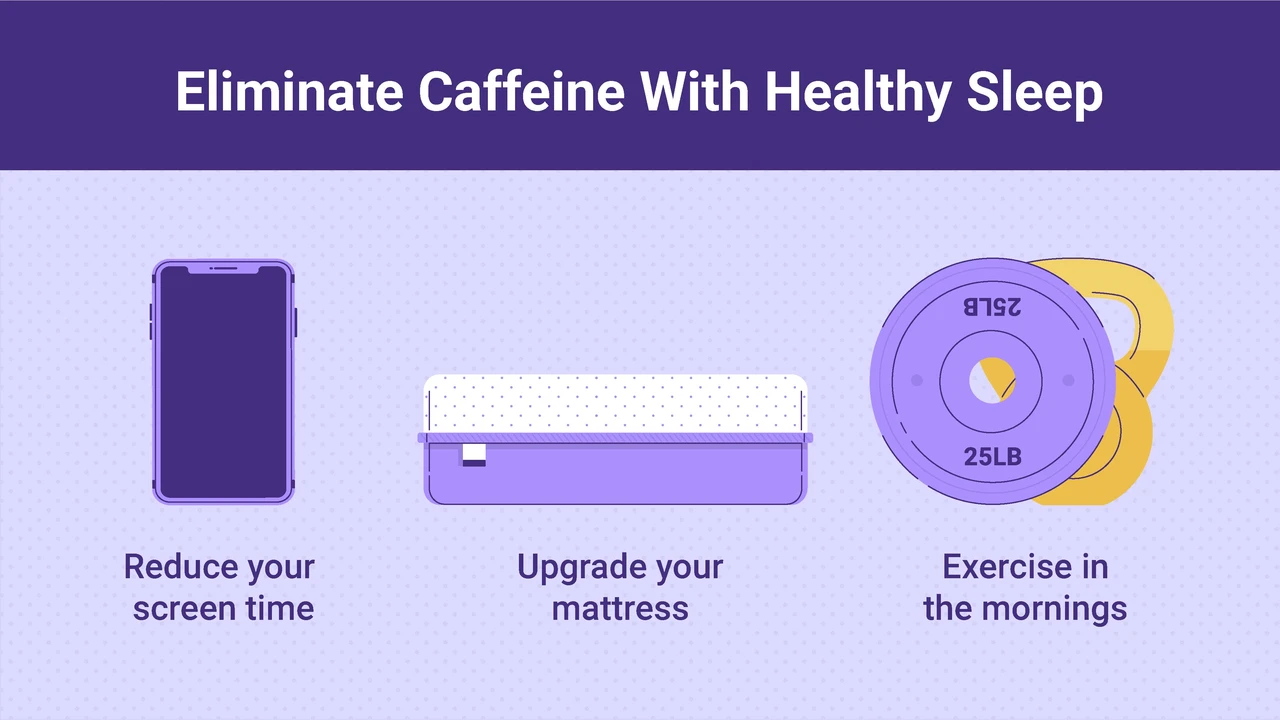
- Disconnect from Screens: Put away your phone, tablet, and laptop at least 30-60 minutes before your practice. The blue light from screens can interfere with melatonin production.
- Warmth: Your body temperature naturally drops as you prepare for sleep. Keep a blanket nearby to cover yourself during Savasana or other long holds to stay warm and cozy.
So, there you have it! Incorporating gentle yoga poses and mindful breathing into your nightly routine can be a powerful tool for unlocking deeper, more restorative sleep. It's not just about stretching; it's about creating a sacred space and time for yourself to unwind, release the day's stresses, and prepare your body and mind for the ultimate reset. Give it a try, and you might just find yourself drifting off to dreamland with a newfound sense of peace and calm. Sweet dreams!
:max_bytes(150000):strip_icc()/277019-baked-pork-chops-with-cream-of-mushroom-soup-DDMFS-beauty-4x3-BG-7505-5762b731cf30447d9cbbbbbf387beafa.jpg)