The 5 Stages of Sleep Explained
Discover the five distinct stages of sleep and their importance for restorative rest. Learn how each stage contributes to your overall well-being.
Discover the five distinct stages of sleep and their importance for restorative rest. Learn how each stage contributes to your overall well-being.
The 5 Stages of Sleep Explained
Understanding Sleep Cycles Your Nightly Journey
Ever wondered what really happens when you close your eyes and drift off? It's not just one long, continuous state of unconsciousness. Your brain and body go on an incredible journey through distinct phases, each playing a vital role in your physical and mental restoration. We're talking about the five stages of sleep, and understanding them is key to optimizing your rest and overall health. Think of it like a nightly reset button for your entire system.
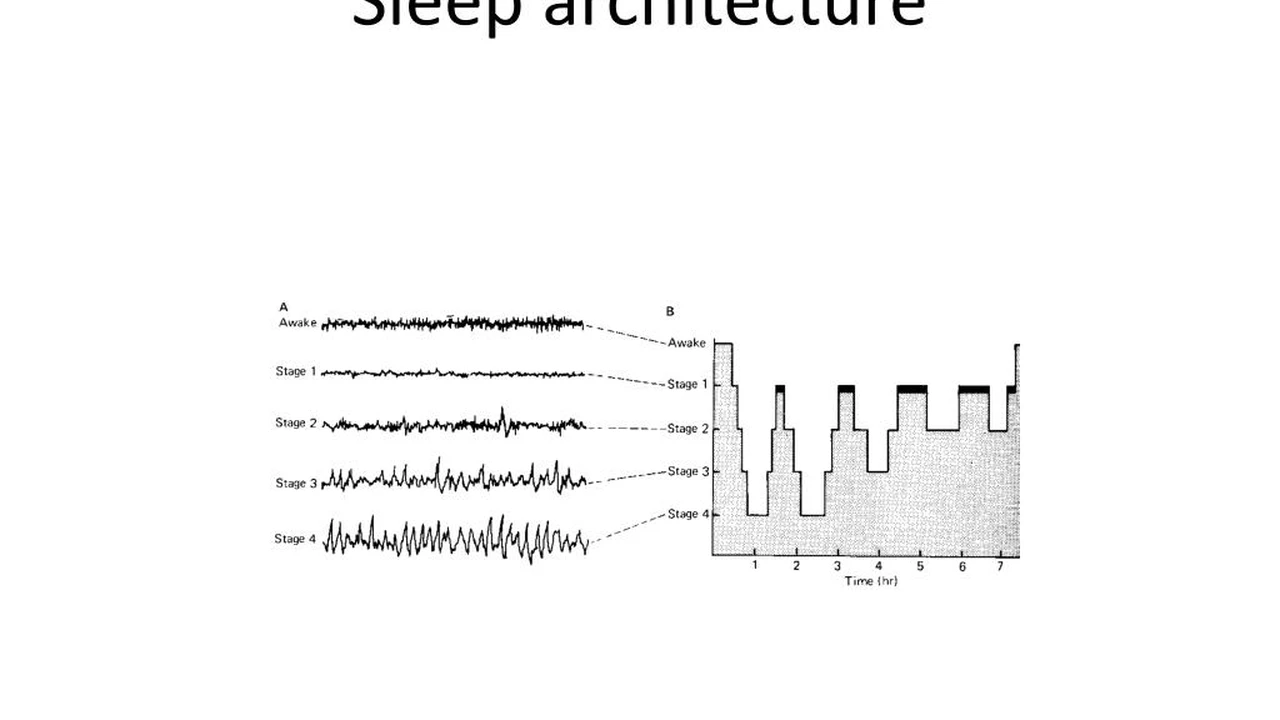
For years, scientists categorized sleep into four stages: NREM 1, NREM 2, NREM 3, and REM. More recently, NREM 3 and NREM 4 (the deepest stages) have been combined into a single NREM 3 stage, often referred to as 'deep sleep' or 'slow-wave sleep.' So, while some older resources might still mention four stages, the current scientific consensus generally refers to five: NREM 1, NREM 2, NREM 3, and REM, with NREM 3 being the combined deep sleep phase. This article will focus on the five-stage model for clarity and modern understanding.
NREM Stage 1 The Transition to Sleep
This is the very beginning of your sleep journey, often lasting just a few minutes. It's that drowsy period where you're not quite awake, but not fully asleep either. Your brain activity starts to slow down, and your muscles begin to relax. You might experience sudden muscle jerks, known as hypnic jerks, or feel like you're falling. These are completely normal and are just your body's way of transitioning. If someone were to wake you during NREM 1, you might even deny that you were asleep at all!
Think of NREM 1 as the 'dozing off' stage. It's light sleep, easily disturbed by sounds or movement. While it doesn't contribute much to restorative sleep, it's a necessary gateway to the deeper stages.
NREM Stage 2 Light Sleep and Preparation
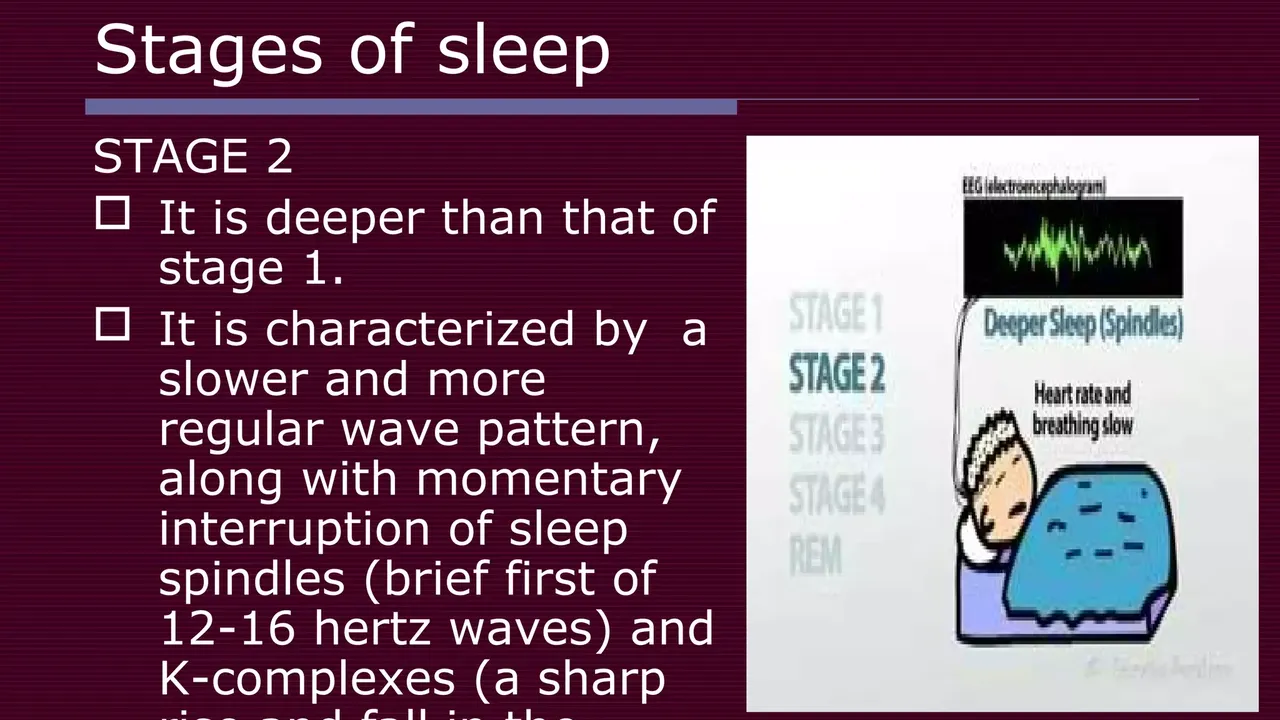
As you move past NREM 1, you enter NREM 2, which is considered light sleep. This stage makes up about 50% of your total sleep time, making it the longest stage. Your heart rate and breathing slow down further, your body temperature drops, and your eye movements stop. Your brain activity shows specific patterns called 'sleep spindles' and 'K-complexes.' These are thought to play a role in memory consolidation and protecting your sleep from external disturbances.
During NREM 2, your body is preparing for the deeper, more restorative stages. It's still relatively easy to wake someone during this stage, but they'll definitely know they were asleep. This stage is crucial for processing information and consolidating memories from the day.
NREM Stage 3 Deep Sleep The Restorative Powerhouse
This is where the magic happens for physical restoration. NREM 3, also known as slow-wave sleep or deep sleep, is the most restorative stage of sleep. Your brain waves become very slow and large, known as delta waves. It's incredibly difficult to wake someone during NREM 3, and if you do, they'll likely feel disoriented and groggy for a few minutes.
During deep sleep, your body repairs and regrows tissues, builds bone and muscle, and strengthens your immune system. Growth hormone is released, and energy stores are replenished. This stage is absolutely vital for physical recovery, feeling refreshed, and maintaining overall health. If you're consistently missing out on deep sleep, you'll feel it in your energy levels and physical well-being.
REM Sleep Rapid Eye Movement and Dreams
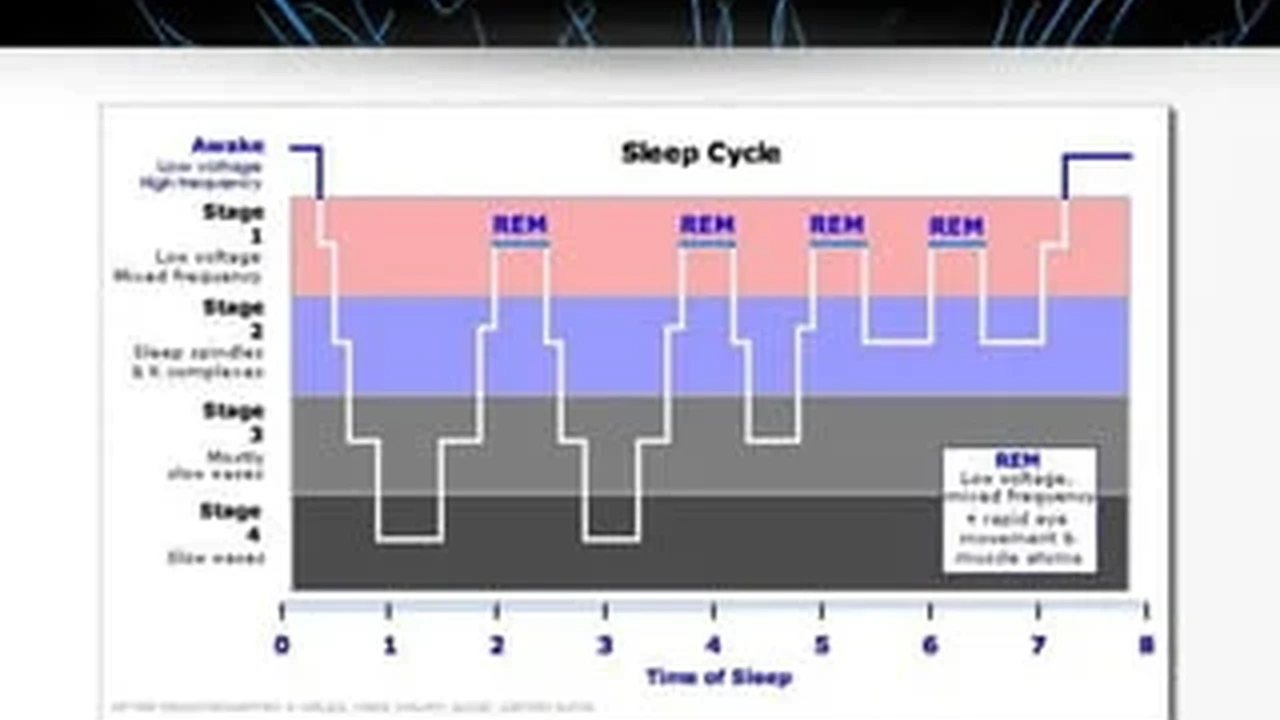
REM sleep is perhaps the most fascinating stage. It typically occurs about 90 minutes after you fall asleep, and then recurs in cycles throughout the night, with each REM period getting progressively longer. During REM, your brain activity becomes very similar to when you're awake, but your muscles are temporarily paralyzed (a state called atonia) to prevent you from acting out your dreams. Your eyes, however, move rapidly back and forth under your eyelids – hence the name Rapid Eye Movement.
REM sleep is strongly associated with dreaming, memory consolidation, emotional processing, and learning. It's believed to be crucial for cognitive function and mental well-being. Waking up during REM sleep often means you'll remember your dreams vividly. While your body is largely still, your brain is incredibly active, processing and organizing information from the day.
The Sleep Cycle How It All Fits Together
You don't just go through these stages once. A full sleep cycle, moving from NREM 1 through NREM 3 and then into REM, typically lasts about 90 to 110 minutes. You'll repeat these cycles four to six times throughout a typical night's sleep. Early in the night, you spend more time in deep sleep (NREM 3), which is why the first few hours are so crucial for physical recovery. As the night progresses, the proportion of REM sleep increases, and NREM 3 decreases. This explains why your dreams often become more vivid and memorable towards morning.
Disruptions to these cycles, whether from external noise, light, or internal factors like stress or caffeine, can prevent you from getting the full benefits of each stage, leading to fragmented and less restorative sleep.
Optimizing Your Sleep Stages Practical Tips
Now that you understand the importance of each sleep stage, how can you ensure you're getting enough of each? It's all about creating the right environment and habits:
- Consistency is Key: Go to bed and wake up at the same time every day, even on weekends. This helps regulate your circadian rhythm, your body's internal clock, which in turn promotes smoother transitions through sleep stages.
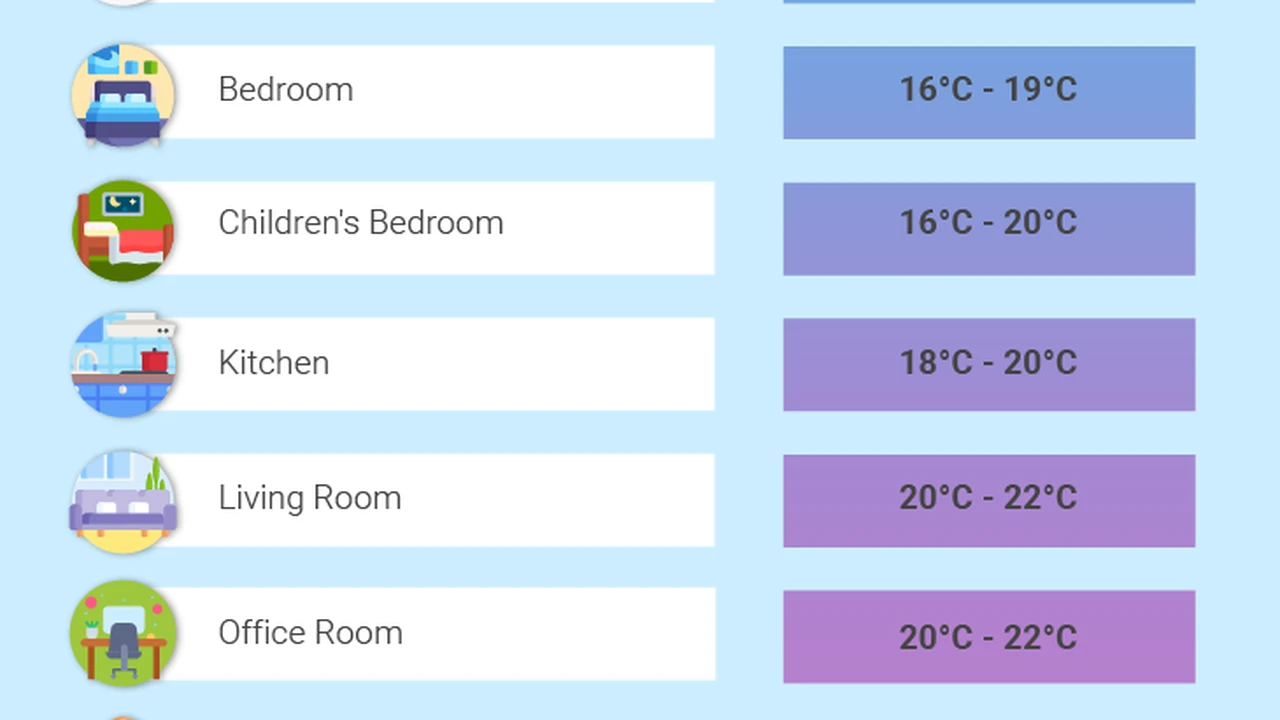
- Create a Sleep Sanctuary: Your bedroom should be dark, quiet, and cool. Block out light with blackout curtains, minimize noise with earplugs or a white noise machine, and keep the temperature between 60-67°F (15-19°C).
- Wind Down Routine: Avoid screens (phones, tablets, TVs) at least an hour before bed. Instead, engage in relaxing activities like reading a physical book, taking a warm bath, or listening to calming music.
- Watch Your Diet: Avoid heavy meals, caffeine, and alcohol close to bedtime. While alcohol might make you feel drowsy, it disrupts REM sleep and leads to fragmented rest.
- Regular Exercise: Physical activity can significantly improve sleep quality, but try to finish intense workouts at least a few hours before bed.
Sleep Tracking Technology Understanding Your Cycles
In today's world, technology offers incredible insights into your sleep patterns. Sleep trackers, whether wearable or non-wearable, can estimate your time spent in each sleep stage. While not always 100% medically accurate compared to a lab sleep study (polysomnography), they can provide valuable trends and help you identify habits that might be impacting your sleep.
Top Sleep Tracking Products for Deeper Insights
Here are a few popular and highly-rated sleep tracking products that can help you understand your sleep stages better, along with their features, use cases, and approximate pricing:
1. Oura Ring Gen3 Smart Ring for Comprehensive Sleep Data
- Features: Worn on your finger, the Oura Ring tracks heart rate, heart rate variability, body temperature, respiratory rate, and movement. It uses these metrics to estimate your time in NREM 1, NREM 2, NREM 3 (deep sleep), and REM sleep. It also provides a daily 'Readiness Score' and 'Sleep Score' based on your data.
- Use Case: Ideal for individuals who want detailed, passive sleep tracking without wearing a bulky watch to bed. It's great for understanding long-term trends in sleep stages and how daily activities impact your rest.
- Comparison: More discreet and comfortable than wrist-based trackers for sleep. Its temperature tracking is particularly useful for women's health and illness detection.
- Price: Approximately $299 - $349, plus a monthly subscription fee (around $5.99/month) for full features.
2. Whoop 4.0 Performance and Recovery Wearable
- Features: A wrist-worn or bicep-worn strap that continuously monitors heart rate, heart rate variability, skin temperature, and sleep. It provides detailed breakdowns of sleep stages, sleep consistency, and sleep debt. Whoop focuses heavily on 'recovery' metrics, showing how well your body is recovering from daily strain.
- Use Case: Popular among athletes and fitness enthusiasts who want to optimize recovery and performance through detailed sleep and strain analysis. Also good for those who want to understand the physiological impact of their lifestyle choices.
- Comparison: Unlike Oura, Whoop is subscription-based only (no upfront device cost), making it a different financial model. It offers a more holistic view of daily strain and recovery.
- Price: Subscription-based, starting around $30/month for a 12-month commitment, or lower for longer commitments.
3. Withings Sleep Tracking Mat Under-Mattress Sensor
- Features: This non-wearable mat slides under your mattress and tracks sleep cycles (light, deep, REM), heart rate, breathing disturbances (like snoring or sleep apnea indicators), and movement. It integrates with the Health Mate app.
- Use Case: Perfect for those who dislike wearing anything to bed but still want comprehensive sleep data. It's completely passive once set up.
- Comparison: Offers a hands-off approach compared to wearables. Its ability to detect breathing disturbances is a significant advantage for identifying potential sleep apnea issues.
- Price: Approximately $99 - $129. No ongoing subscription required.
4. Apple Watch Series 9 Smartwatch with Advanced Sleep Tracking
- Features: The Apple Watch tracks sleep stages (NREM 1, NREM 2, Deep, REM) using its accelerometer and heart rate sensor. It also monitors blood oxygen, wrist temperature, and provides sleep schedules.
- Use Case: Excellent for iPhone users who already own or plan to buy an Apple Watch for general health and fitness tracking. It offers a good balance of features for daily use and sleep insights.
- Comparison: While not as specialized as Oura or Whoop for sleep alone, its integration with the Apple ecosystem and broad range of other features make it a versatile choice.
- Price: Approximately $399 - $499, depending on the model and features. No additional subscription for basic sleep tracking.
5. Google Pixel Watch 2 Android Smartwatch with Fitbit Sleep Tracking
- Features: Integrates Fitbit's robust sleep tracking capabilities, including sleep stages (light, deep, REM), sleep score, and restless periods. It also tracks heart rate, skin temperature, and offers stress management features.
- Use Case: Ideal for Android users looking for a comprehensive smartwatch with strong sleep tracking. Benefits from Fitbit's long history in sleep science.
- Comparison: Similar to the Apple Watch in its versatility but tailored for the Android ecosystem. Fitbit's sleep algorithms are generally well-regarded.
- Price: Approximately $349 - $399, with some advanced Fitbit features requiring a Fitbit Premium subscription (around $9.99/month).
Remember, while these devices provide valuable data, they are tools to help you understand your sleep, not replacements for professional medical advice. If you suspect a sleep disorder, always consult a healthcare professional.
The Importance of Each Stage Why It Matters
Understanding the five stages of sleep isn't just academic; it's crucial for appreciating the complexity and necessity of good sleep. Each stage contributes uniquely to your physical and mental health. Consistently missing out on deep sleep can lead to impaired physical recovery, a weakened immune system, and difficulty with memory and learning. Lack of REM sleep can affect emotional regulation, creativity, and problem-solving abilities.
By prioritizing consistent, quality sleep, you're not just resting; you're actively engaging in a complex biological process that optimizes your body and mind for the day ahead. So, next time you hit the pillow, remember the incredible journey your body is about to embark on, and give it the best chance to complete all its vital stages.
:max_bytes(150000):strip_icc()/277019-baked-pork-chops-with-cream-of-mushroom-soup-DDMFS-beauty-4x3-BG-7505-5762b731cf30447d9cbbbbbf387beafa.jpg)