Smart Mattresses vs Wearable Sleep Trackers
Evaluate the pros and cons of smart mattresses versus wearable sleep trackers. Choose the best technology for your lifestyle.
Evaluate the pros and cons of smart mattresses versus wearable sleep trackers. Choose the best technology for your lifestyle.
Smart Mattresses vs Wearable Sleep Trackers Choosing Your Sleep Tech
Hey there, sleep seekers! Ever wondered how to truly get a handle on your nightly rest? In today's tech-driven world, two major players have emerged to help you do just that: smart mattresses and wearable sleep trackers. Both promise to unlock the secrets of your slumber, but they go about it in very different ways. Let's dive deep into what each offers, who they're best for, and which might be the perfect fit for your bedroom.
Understanding Sleep Tracking Metrics What Data Matters
Before we compare the devices, let's talk about what they actually track. Most sleep trackers, whether they're in your mattress or on your wrist, aim to measure key metrics that give you insights into your sleep quality. These often include:
- Sleep Stages: This is a big one. Are you getting enough light sleep, deep sleep (NREM), and REM sleep? Each stage plays a crucial role in physical and mental restoration.
- Heart Rate: Your heart rate typically dips during sleep. Tracking it can indicate sleep quality and potential issues.
- Respiratory Rate: How many breaths you take per minute can reveal patterns related to sleep disorders like apnea.
- Movement: How much you toss and turn can indicate restless sleep or discomfort.
- Sleep Duration: The total time you spend asleep. Simple, but essential.
- Sleep Efficiency: The percentage of time you spend actually sleeping while in bed.
- Wake Ups: How many times you wake up during the night, even if you don't remember them.
Understanding these metrics is key to making sense of the data your chosen device provides.
Wearable Sleep Trackers Convenience and Portability
Wearable sleep trackers are probably what first comes to mind when you think about sleep tech. These are devices you wear on your body, typically on your wrist, like a smartwatch or a dedicated fitness tracker. They use accelerometers, heart rate sensors, and sometimes even skin temperature sensors to gather data.
Pros of Wearable Sleep Trackers Affordability and Versatility
- Portability: You can wear them anywhere, making them great for travel or if you sleep in different locations.
- Multi-functional: Many wearables double as fitness trackers, smartwatches, or even health monitors, offering more bang for your buck.
- Affordability: Generally, wearables are less expensive than smart mattresses, with options ranging from budget-friendly to premium.
- Ease of Use: Most are simple to set up and integrate with smartphone apps.
Cons of Wearable Sleep Trackers Accuracy and Comfort
- Accuracy Concerns: While improving, some wearables can be less accurate at distinguishing sleep stages compared to clinical-grade devices or even some smart mattresses. They rely heavily on movement and heart rate.
- Comfort: Some people find wearing a device to bed uncomfortable or distracting.
- Battery Life: You need to remember to charge them regularly.
- Data Interpretation: While they provide data, interpreting it and knowing what to do with it can sometimes be challenging without additional guidance.
Top Wearable Sleep Tracker Recommendations Best Value and Features
Here are a few popular and highly-rated wearable sleep trackers, along with their approximate price ranges and key features:
1. Oura Ring Gen 3 Smart Ring for Sleep and Wellness
The Oura Ring is a sleek, minimalist ring that's packed with sensors. It's renowned for its accuracy in sleep tracking, often considered one of the best consumer-grade devices for sleep stage detection. It tracks heart rate, heart rate variability (HRV), respiratory rate, body temperature, and movement. It provides daily readiness scores based on your sleep and activity, guiding you on how to optimize your day.
- Key Features: Highly accurate sleep staging, body temperature tracking, readiness score, sleek design, long battery life (4-7 days).
- Use Case: Ideal for those who want detailed, accurate sleep insights without wearing a bulky watch, and are serious about overall wellness.
- Approx. Price: $299 - $349 (plus optional monthly membership for full features).
2. Fitbit Sense 2 Advanced Health Smartwatch
Fitbit has long been a leader in fitness and sleep tracking. The Sense 2 is their most advanced health smartwatch, offering comprehensive sleep tracking including sleep stages, sleep score, and even a smart wake alarm. It also tracks stress, skin temperature, and has an EDA sensor for electrodermal activity, which can indicate stress responses.
- Key Features: Detailed sleep stages, sleep score, stress management tools, skin temperature sensor, built-in GPS, long battery life (6+ days).
- Use Case: Great for individuals who want a holistic view of their health, combining fitness tracking with robust sleep analysis and stress management.
- Approx. Price: $299 - $329.
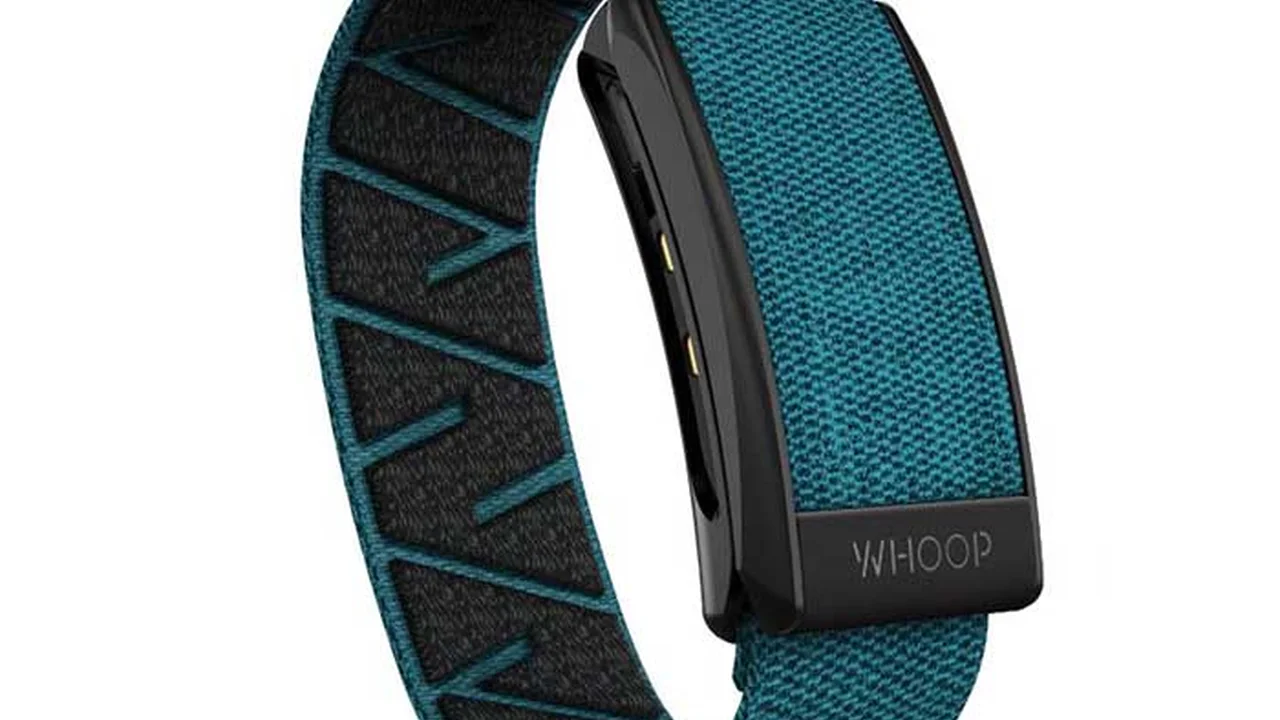
3. Whoop 4.0 Wearable Health and Fitness Coach
Whoop is less of a smartwatch and more of a dedicated health and performance tracker, popular among athletes and those focused on recovery. It provides continuous monitoring of heart rate, HRV, skin temperature, and sleep. Its strength lies in its recovery score and strain coaching, telling you how much you can push yourself based on your body's readiness. Sleep tracking is incredibly detailed, breaking down time in bed, sleep efficiency, and sleep stages.
- Key Features: Continuous monitoring, detailed recovery and strain metrics, highly accurate sleep tracking, no screen for distraction-free wear.
- Use Case: Best for athletes, fitness enthusiasts, or anyone deeply committed to optimizing recovery and performance through data-driven insights.
- Approx. Price: Subscription-based model, starting around $30/month (device included with subscription).
4. Apple Watch Series 9 Smartwatch for Health and Fitness
While primarily a smartwatch, the Apple Watch has significantly improved its sleep tracking capabilities. It tracks sleep stages, time in bed, and provides a sleep schedule. Its integration with the Apple Health app allows for a comprehensive view of your health data. It also offers blood oxygen tracking and ECG capabilities.
- Key Features: Sleep stages, sleep schedule, blood oxygen, ECG, vast app ecosystem, seamless integration with iPhone.
- Use Case: Ideal for iPhone users who want a versatile smartwatch that also offers solid sleep tracking and general health monitoring.
- Approx. Price: $399 - $429 (depending on size and connectivity).
Smart Mattresses and Sleep Systems Non-Invasive Monitoring
Smart mattresses, or smart sleep systems, integrate sensors directly into the mattress or a pad placed on top of it. This means you don't have to wear anything to bed. These systems can track a wide range of metrics, often including heart rate, breathing rate, movement, and even sleep stages. Some advanced models can even adjust firmness or temperature in real-time.
Pros of Smart Mattresses Passive Monitoring and Comfort
- Non-Invasive: Nothing to wear, nothing to charge. You just sleep as usual.
- Comprehensive Data: Can often capture more detailed physiological data, especially breathing patterns, due to direct contact with the body.
- Environmental Control: Some offer features like temperature regulation, firmness adjustment, or even smart alarms that gently wake you.
- Couple Friendly: Many smart mattresses can track two sleepers independently, providing personalized data for each.
Cons of Smart Mattresses Cost and Portability
- High Cost: Smart mattresses are significantly more expensive than wearables.
- Lack of Portability: They're fixed in your bedroom, so no tracking when you travel.
- Limited Functionality: Unlike wearables, they don't offer fitness tracking or smartwatch features.
- Installation: Can be more complex to set up than simply putting on a watch.
Top Smart Mattress and Sleep System Recommendations Advanced Sleep Solutions
Here are some leading smart mattress and sleep system options, with their approximate price ranges and unique selling points:
1. Eight Sleep Pod 3 Smart Mattress for Temperature Regulation
The Eight Sleep Pod 3 is arguably the most advanced smart mattress system on the market. It's a complete sleep system that goes beyond just tracking. It actively heats and cools each side of the bed independently, based on your sleep stages and personal preferences. It tracks sleep stages, heart rate, HRV, and respiratory rate with high accuracy. It also offers a gentle vibrating alarm and a daily health report.
- Key Features: Dual-zone temperature control, highly accurate sleep tracking, smart alarm, daily health reports, integrates with other smart home devices.
- Use Case: Perfect for individuals or couples who struggle with temperature regulation during sleep, or those who want the most comprehensive, non-invasive sleep optimization system available.
- Approx. Price: $2,500 - $3,500+ (depending on size, plus optional monthly membership for full features).
2. Sleep Number 360 Smart Bed Personalized Comfort and Tracking
Sleep Number beds are famous for their adjustable firmness, allowing you to customize your side of the bed to your ideal comfort level. The 360 Smart Bed takes this further by integrating sleep tracking. It senses your movements and automatically adjusts firmness throughout the night to maintain comfort and support. It tracks sleep duration, breathing, heart rate, and movement, providing a 'SleepIQ' score.
- Key Features: Adjustable firmness (Sleep Number setting), automatic firmness adjustment, dual-zone comfort, integrated sleep tracking (SleepIQ), snore detection and head elevation.
- Use Case: Ideal for couples with different comfort preferences, or anyone seeking personalized comfort combined with basic sleep tracking and snore relief.
- Approx. Price: $3,000 - $8,000+ (depending on model and features).
3. Withings Sleep Tracking Mat Under Mattress Sensor
If you're not ready to invest in a whole new mattress, the Withings Sleep Tracking Mat is an excellent alternative. This thin mat slips under your existing mattress and tracks sleep cycles (light, deep, REM), heart rate, breathing disturbances (which can indicate sleep apnea), and snoring. It integrates seamlessly with the Withings Health Mate app, providing detailed insights and personalized coaching.
- Key Features: Non-invasive (under mattress), detailed sleep cycle analysis, heart rate and breathing disturbance detection, snoring detection, smart home integration (IFTTT).
- Use Case: A great option for those who love their current mattress but want to add non-invasive, accurate sleep tracking without a wearable.
- Approx. Price: $99 - $129.
4. Beautyrest SmartMotion Base Adjustable Bed with Sleep Tracking
The Beautyrest SmartMotion Base is an adjustable bed frame that incorporates sleep tracking technology. It tracks sleep stages, heart rate, and breathing patterns. Its key advantage is the ability to adjust the head and foot of the bed, which can help alleviate snoring or provide a more comfortable position for reading or watching TV. It also features a snore detection and response function that can gently raise your head.
- Key Features: Adjustable head and foot positions, integrated sleep tracking, snore detection and response, zero gravity preset.
- Use Case: Suitable for those looking for the benefits of an adjustable bed combined with passive sleep tracking, especially if snoring is an issue.
- Approx. Price: $1,500 - $3,000+ (frame only, mattress sold separately).
Which One is Right for You Making the Smart Choice
So, how do you decide between a wearable sleep tracker and a smart mattress system? It really boils down to your priorities, budget, and lifestyle.
Consider a Wearable Sleep Tracker If You Value Portability and Budget
- You're on a tighter budget.
- You travel frequently and want to track your sleep on the go.
- You're interested in overall health and fitness tracking, not just sleep.
- You don't mind wearing a device to bed.
- You want a device that can provide insights throughout your day, not just at night.
Consider a Smart Mattress or Sleep System If You Prioritize Comfort and Comprehensive Data
- You want a completely non-invasive sleep tracking experience.
- You're looking for advanced features like temperature regulation or automatic firmness adjustment.
- You're willing to invest more for a premium sleep experience.
- You want highly accurate physiological data, especially breathing patterns.
- You share a bed and want independent tracking and comfort settings for each person.
The Future of Sleep Technology Integration and Personalization
The lines between these two categories are blurring. We're seeing more integration, where wearables can communicate with smart home devices, and smart mattresses are becoming even more sophisticated. The goal is increasingly personalized sleep coaching, where AI analyzes your unique sleep patterns and lifestyle to provide tailored recommendations. Whether you choose a wearable or a smart mattress, the key is to use the data to make actionable changes that genuinely improve your sleep and overall well-being. Happy sleeping!
:max_bytes(150000):strip_icc()/277019-baked-pork-chops-with-cream-of-mushroom-soup-DDMFS-beauty-4x3-BG-7505-5762b731cf30447d9cbbbbbf387beafa.jpg)