The 7 Best Foods for Better Sleep
Discover seven superfoods that naturally promote restful sleep. Incorporate these into your diet for improved sleep quality.
Discover seven superfoods that naturally promote restful sleep. Incorporate these into your diet for improved sleep quality.
The 7 Best Foods for Better Sleep
Hey there, sleep seekers! Ever wonder if what you eat during the day (or even right before bed) actually impacts how well you snooze at night? The answer is a resounding yes! Your diet plays a massive role in regulating your sleep cycles, influencing everything from melatonin production to nerve relaxation. Forget counting sheep; let's talk about counting nutrients. In this deep dive, we're going to explore seven fantastic foods that are scientifically proven to help you drift off into dreamland more easily and enjoy deeper, more restorative sleep. We'll also look at some specific product recommendations, how to incorporate them into your daily routine, and even compare a few options to help you make the best choices for your sleep health.
Understanding Sleep Promoting Nutrients and Their Role
Before we jump into the delicious details, let's quickly understand why certain foods are sleep superheroes. It's all about specific nutrients and compounds. We're talking about things like tryptophan, magnesium, potassium, calcium, and various B vitamins. Tryptophan, for instance, is an amino acid that's a precursor to serotonin, which then converts into melatonin – your body's primary sleep hormone. Magnesium and potassium are crucial for muscle relaxation and nerve function, helping to calm your body and mind. Calcium also plays a role in melatonin production, and B vitamins are essential for overall nervous system health. When these nutrients are in good supply, your body is better equipped to prepare for and maintain sleep.
Food 1 Tart Cherries The Melatonin Powerhouse
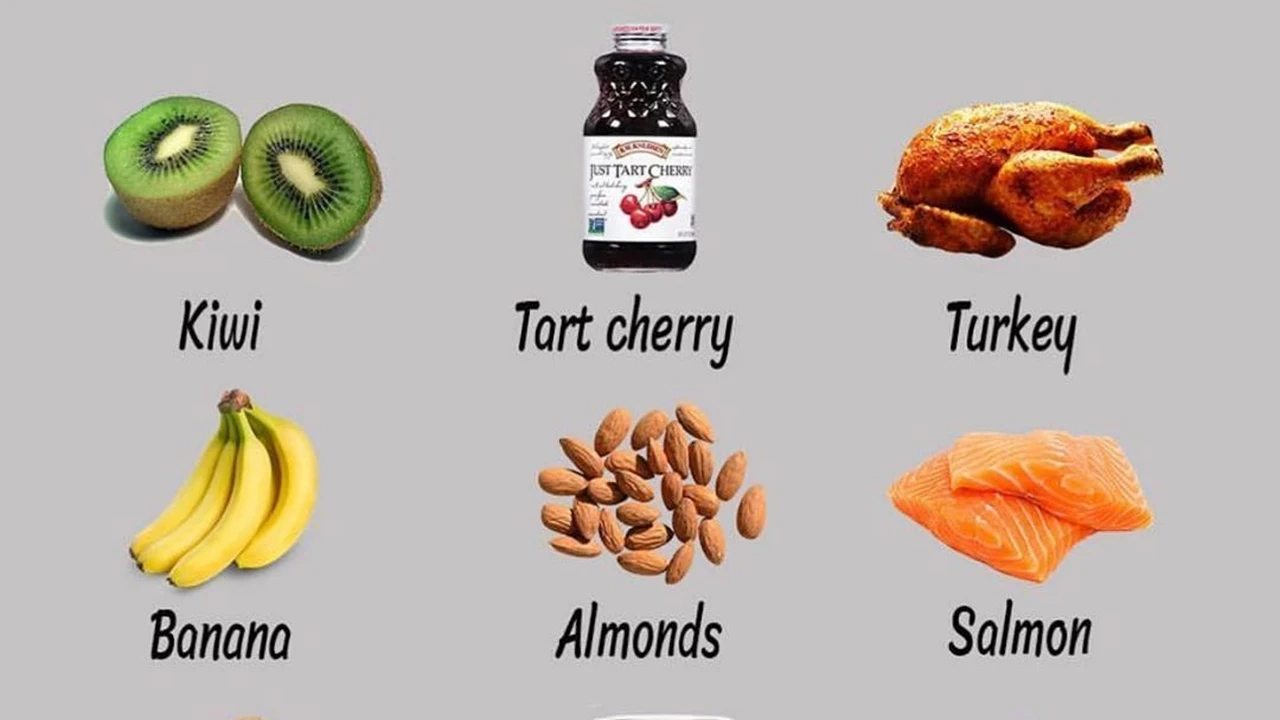
First up on our list are tart cherries, particularly the Montmorency variety. These little red gems are one of the few natural food sources of melatonin, the hormone that regulates your sleep-wake cycle. Studies have shown that consuming tart cherry juice can significantly improve sleep quality and duration, especially for those struggling with insomnia. It's like a natural sleep aid without the side effects.
Product Recommendations for Tart Cherries
- Dynamic Health Certified Organic Tart Cherry Juice: This is a popular choice for its purity and concentration. You can find a 32 fl oz bottle for around $15-$20. It's great for mixing with water or adding to smoothies.
- Concentrated Tart Cherry Capsules (e.g., NOW Foods Tart Cherry): If you're not a fan of the juice, capsules offer a convenient way to get your dose. A bottle of 90 capsules (500mg each) might cost $10-$15.
- Dried Tart Cherries: A tasty snack option, though the melatonin concentration might be lower than in juice or supplements. A 1lb bag can be around $10-$12.
Usage Scenarios and Comparisons
For optimal sleep benefits, aim for about 8 ounces of tart cherry juice twice a day, or a concentrated equivalent. Many people drink one glass in the morning and another about an hour before bed. The juice tends to have a faster effect due to its liquid form, while capsules offer a more controlled dosage. Dried cherries are more for general health and a light snack, not necessarily a targeted sleep aid.
Food 2 Almonds The Magnesium and Melatonin Duo
Almonds are more than just a crunchy snack; they're a fantastic source of magnesium and also contain some melatonin. Magnesium is a mineral that plays a key role in muscle relaxation and nerve function, helping to calm the body and prepare it for sleep. It's often called 'nature's tranquilizer.' A handful of almonds before bed can be a game-changer.
Product Recommendations for Almonds
- Raw Unsalted Almonds (e.g., Kirkland Signature Almonds): A large 3lb bag can be found for about $15-$20. Look for raw and unsalted to avoid unnecessary additives.
- Almond Butter (e.g., Justin's Classic Almond Butter): Great for spreading on whole-grain toast or fruit. A 16oz jar typically costs $8-$12.
Usage Scenarios and Comparisons
A small handful (about 1 ounce or 23 almonds) is a perfect pre-bed snack. Almond butter can be a good alternative if you prefer a smoother texture. Just be mindful of portion sizes with almond butter, as it's calorie-dense. Both provide similar nutritional benefits, but whole almonds offer more fiber.
Food 3 Walnuts The Omega 3 and Melatonin Source
Walnuts are another nut that deserves a spot on your sleep-promoting plate. They're a good source of tryptophan, which, as we discussed, converts to serotonin and then melatonin. Plus, they contain omega-3 fatty acids, which have been linked to improved sleep quality and reduced inflammation, both beneficial for a good night's rest.
Product Recommendations for Walnuts
- Raw Walnuts (e.g., Fisher Chef's Naturals Walnuts): A 24oz bag can be around $10-$15. Again, raw is best.
- Walnut Butter: Less common than almond butter but available from specialty stores or online. Prices vary.
Usage Scenarios and Comparisons
Similar to almonds, a small handful of walnuts before bed can be beneficial. You can also sprinkle them on salads or oatmeal. Walnuts offer a slightly different nutrient profile with their higher omega-3 content, making them a great addition to a varied diet.
Food 4 Fatty Fish Salmon and Tuna for Vitamin D and Omega 3
Don't skip the seafood! Fatty fish like salmon, tuna, and mackerel are excellent sources of vitamin D and omega-3 fatty acids, particularly EPA and DHA. Research suggests that a deficiency in vitamin D can be linked to sleep disturbances, and omega-3s are known for their anti-inflammatory properties and their role in brain health, which can indirectly support better sleep.
Product Recommendations for Fatty Fish
- Wild-Caught Salmon Fillets: Prices vary widely by season and location, but expect to pay $10-$20 per pound.
- Canned Wild Tuna (e.g., Wild Planet Wild Albacore Tuna): A 5oz can is typically $3-$5. Look for wild-caught and sustainably sourced options.
Usage Scenarios and Comparisons
Aim to incorporate fatty fish into your dinner a few times a week. A salmon fillet for dinner provides a substantial dose of these beneficial nutrients. Canned tuna is a convenient option for salads or sandwiches, but be mindful of mercury content if consuming frequently. Fresh fish generally offers more nutrients than canned, but canned is a great pantry staple.
Food 5 Kiwi The Serotonin and Antioxidant Fruit
This fuzzy fruit might surprise you, but kiwis are packed with sleep-promoting compounds. They contain serotonin, which can help regulate sleep, and a good amount of antioxidants, which can reduce inflammation and oxidative stress, both of which can interfere with sleep. Some studies have shown that eating two kiwis an hour before bed can significantly improve sleep onset and duration.
Product Recommendations for Kiwi
- Fresh Kiwi Fruit: Readily available at most grocery stores, usually around $0.50-$1.00 per fruit.
- Organic Kiwi: Slightly more expensive, but ensures no pesticides.
Usage Scenarios and Comparisons
Simply peel and eat two kiwis about an hour before you plan to go to sleep. They're a light, refreshing, and naturally sweet snack. There aren't many processed kiwi products that retain the same sleep benefits, so fresh is definitely the way to go here.
Food 6 White Rice The Glycemic Index Helper
Now, this one might seem a bit counterintuitive, especially if you're used to hearing about the benefits of whole grains. However, white rice has a high glycemic index (GI), meaning it can quickly raise blood sugar levels. This rapid rise in blood sugar can increase the availability of tryptophan to the brain, potentially aiding sleep. It's not about eating a huge bowl of rice, but a small portion can be helpful.
Product Recommendations for White Rice
- Jasmine Rice (e.g., Lundberg Family Farms Organic Jasmine Rice): A 2lb bag is around $5-$8. Known for its fragrant aroma and soft texture.
- Basmati Rice: Another popular white rice option.
Usage Scenarios and Comparisons
Consider a small serving of white rice with your dinner, especially if your dinner is a few hours before bed. The key is moderation. While brown rice is generally healthier due to its fiber content, for the specific purpose of aiding sleep through GI, white rice might be more effective in small amounts. This isn't a recommendation to ditch whole grains, but rather a specific hack for sleep.
Food 7 Passionflower Tea The Calming Brew
While not a 'food' in the traditional sense, passionflower tea is a fantastic beverage to include in your pre-sleep routine. It's known for its calming and sedative properties, helping to reduce anxiety and promote relaxation. It contains compounds that may increase levels of gamma-aminobutyric acid (GABA) in the brain, which helps to quiet brain activity.
Product Recommendations for Passionflower Tea
- Traditional Medicinals Organic Nighty Night Valerian & Passionflower Tea: A box of 16 tea bags is about $5-$7. This blend combines passionflower with other calming herbs.
- Buddha Teas Organic Passionflower Tea: A pure passionflower option, around $6-$8 for 18 tea bags.
Usage Scenarios and Comparisons
Brew a cup of passionflower tea about 30-60 minutes before bed. It's a warm, comforting ritual that signals to your body it's time to wind down. While there are many 'sleepy time' teas, passionflower is particularly noted for its anxiolytic (anxiety-reducing) effects, which can be a major barrier to sleep for many people. Compare ingredient lists to find pure passionflower or blends that suit your preferences.
Putting It All Together Your Sleep-Friendly Meal Plan
Incorporating these foods into your diet doesn't have to be complicated. Think about your evening meal and snacks. Maybe a salmon dinner with a small side of white rice, followed by a handful of almonds or two kiwis an hour before bed. Or perhaps a tart cherry juice smoothie in the afternoon and a cup of passionflower tea before lights out. The goal is consistency. Making these foods a regular part of your routine will yield the best results. Remember, diet is just one piece of the sleep puzzle, but it's a powerful one. Combine these dietary changes with good sleep hygiene practices – like a consistent sleep schedule, a dark and cool bedroom, and limiting screen time before bed – and you'll be well on your way to unlocking your best sleep ever. Sweet dreams!
:max_bytes(150000):strip_icc()/277019-baked-pork-chops-with-cream-of-mushroom-soup-DDMFS-beauty-4x3-BG-7505-5762b731cf30447d9cbbbbbf387beafa.jpg)