Sleep Disorders in Older Adults
Understand the prevalence and management of sleep disorders in older adults. Improve sleep quality in later life.
Understand the prevalence and management of sleep disorders in older adults. Improve sleep quality in later life.
Sleep Disorders in Older Adults Understanding and Improving Rest
Hey there! Let's talk about something super important but often overlooked: sleep for our older loved ones. As we age, our bodies change, and so do our sleep patterns. It's not just about getting less sleep; it's about the quality of that sleep and how various sleep disorders can creep in, making those golden years a bit less golden. We're going to dive deep into why sleep changes with age, the common sleep disorders affecting older adults, and most importantly, practical ways to manage and improve sleep quality. This isn't just for seniors; if you have aging parents, grandparents, or friends, this information is crucial for their well-being.
Why Sleep Changes with Age Understanding Geriatric Sleep Patterns
First off, let's bust a myth: older adults don't necessarily need less sleep. They still need around 7-9 hours, just like younger adults. The difference is how they sleep. As we get older, our sleep architecture shifts. We spend less time in deep, restorative sleep (NREM Stage 3) and REM sleep, and more time in lighter sleep stages. This means sleep becomes more fragmented, with more awakenings during the night. Our circadian rhythm, that internal body clock, also tends to shift, leading to earlier bedtimes and earlier wake-up times, often referred to as 'advanced sleep phase syndrome'.
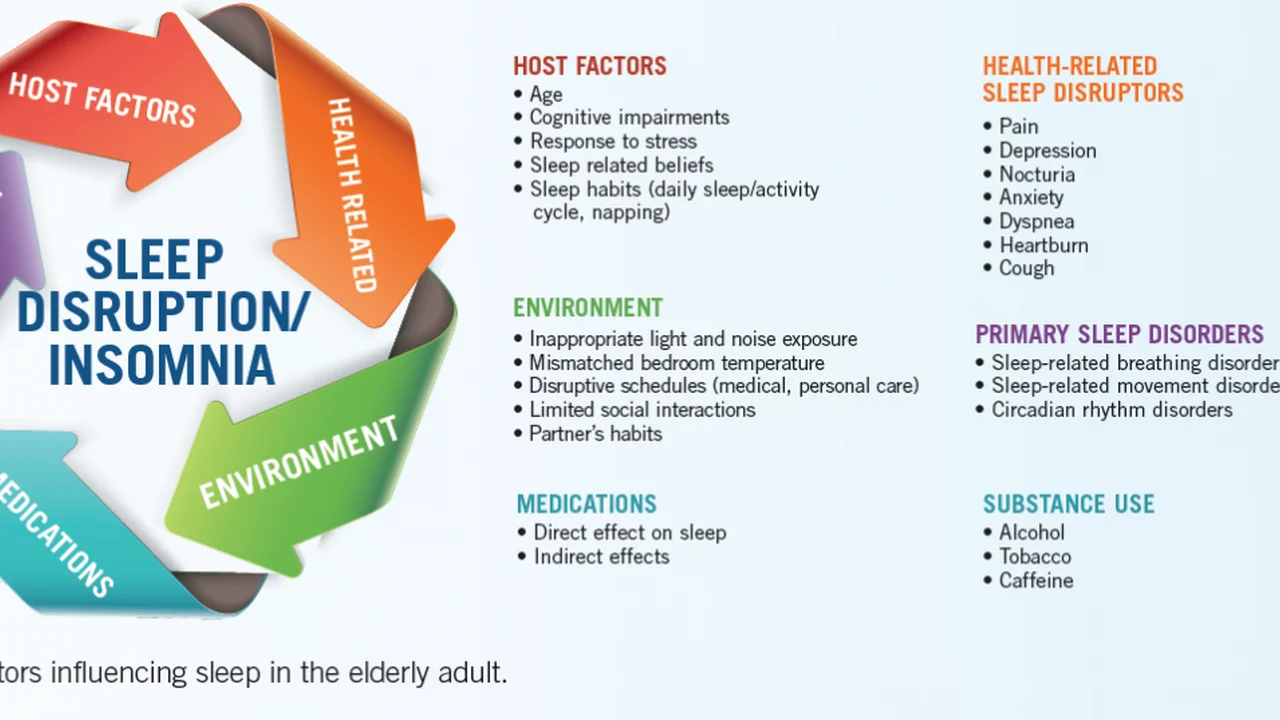
Melatonin production, a key hormone for sleep regulation, naturally declines with age. This can make it harder to fall asleep and stay asleep. Plus, other factors like chronic health conditions, medications, and lifestyle changes (like reduced physical activity or social engagement) all play a significant role in disrupting sleep for older adults.
Common Sleep Disorders in Seniors Identifying the Issues
It's easy to dismiss poor sleep in older adults as 'just part of aging,' but often, underlying sleep disorders are at play. Recognizing these is the first step toward effective management.
Insomnia in Older Adults Chronic Sleep Onset and Maintenance Issues
Insomnia is incredibly common in older adults, affecting up to 50% of those over 65. It's not just trouble falling asleep; it's also waking up frequently during the night, waking up too early, or feeling unrefreshed after sleep. Chronic pain, anxiety, depression, and certain medications (like diuretics, corticosteroids, or decongestants) can all contribute to insomnia in this age group.
Sleep Apnea in Seniors Breathing Interruptions and Health Risks
Sleep apnea, particularly obstructive sleep apnea (OSA), is a serious concern. It's characterized by repeated pauses in breathing during sleep. Symptoms include loud snoring, gasping for air, daytime sleepiness, morning headaches, and difficulty concentrating. The prevalence of OSA increases with age, and it's linked to higher risks of high blood pressure, heart attack, stroke, and diabetes. If you suspect sleep apnea, a sleep study is essential.
Restless Legs Syndrome RLS Uncomfortable Sensations and Sleep Disruption
Restless Legs Syndrome (RLS) causes an irresistible urge to move the legs, often accompanied by uncomfortable sensations like crawling, tingling, or aching. These symptoms typically worsen in the evening or at night and are relieved by movement, making it incredibly difficult to fall asleep or stay asleep. RLS can be primary (idiopathic) or secondary to conditions like iron deficiency, kidney disease, or certain medications.
Periodic Limb Movement Disorder PLMD Involuntary Movements
Often co-occurring with RLS, Periodic Limb Movement Disorder (PLMD) involves repetitive, involuntary leg (and sometimes arm) movements during sleep. These movements can cause brief awakenings, leading to fragmented sleep and daytime fatigue, even if the person isn't aware of the movements.
REM Sleep Behavior Disorder RBD Acting Out Dreams
This is a fascinating but potentially dangerous disorder where individuals physically act out their dreams. Instead of the normal muscle paralysis that occurs during REM sleep, people with RBD can punch, kick, shout, or even jump out of bed. It's more common in older men and can sometimes be an early sign of neurodegenerative diseases like Parkinson's disease or Lewy body dementia.
Managing and Improving Sleep Quality for Older Adults Practical Strategies and Product Recommendations
Okay, so we've identified the problems. Now for the solutions! Improving sleep in older adults often requires a multi-faceted approach, combining lifestyle adjustments, environmental changes, and sometimes, medical intervention.
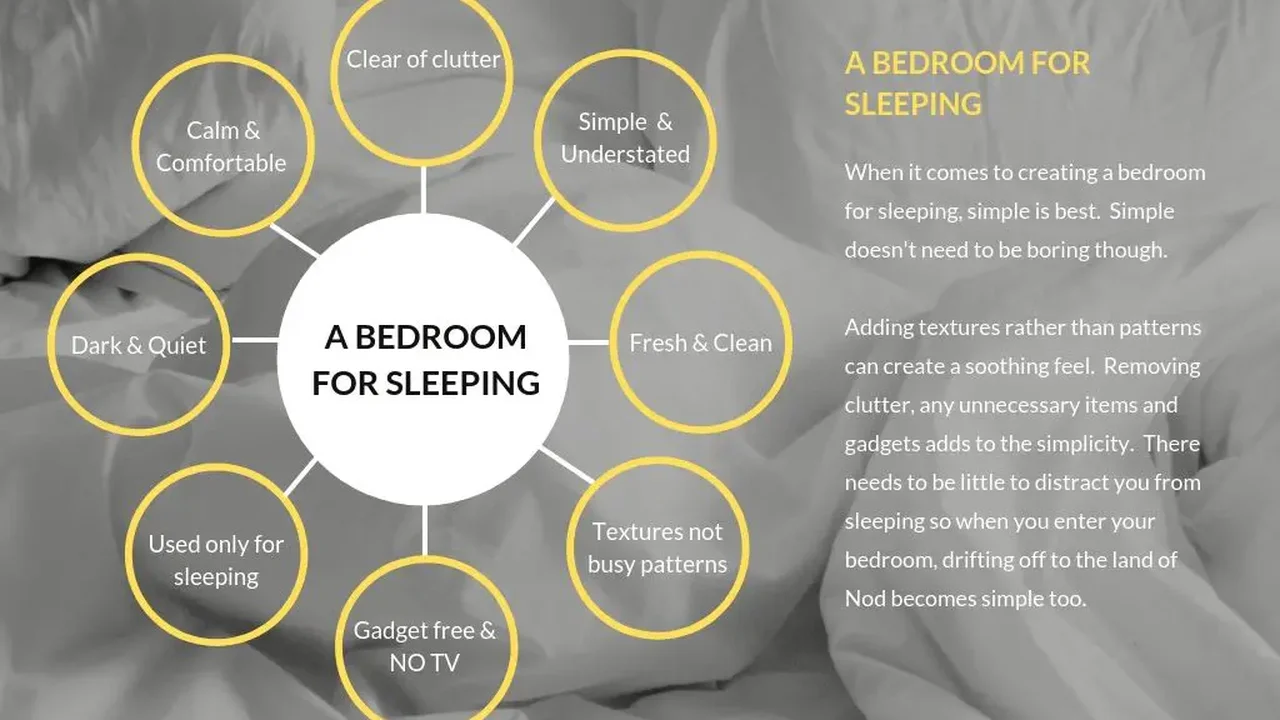
Optimizing the Sleep Environment Creating a Senior-Friendly Bedroom
A comfortable and safe sleep environment is paramount. Think about:
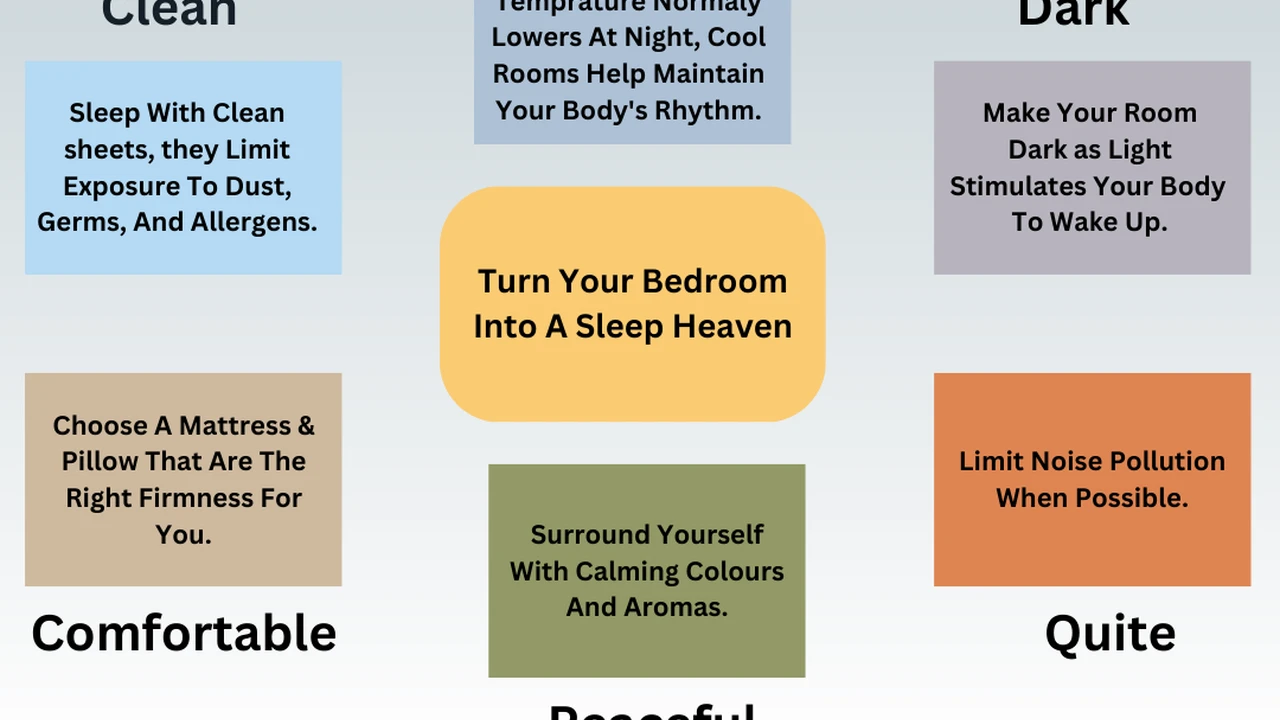
- Mattress and Pillows: As we age, our bodies become more sensitive to pressure points. A supportive yet comfortable mattress is key. Memory foam or hybrid mattresses often work well. For pillows, consider those that support neck alignment, especially if there's neck pain.
- Temperature: Older adults can be more sensitive to temperature fluctuations. Keep the bedroom cool, around 60-67°F (15-19°C).
- Darkness: Ensure the room is as dark as possible. Blackout curtains are a great investment.
- Quiet: Minimize noise. Earplugs or a white noise machine can be helpful.
- Safety: Ensure clear pathways to the bathroom, nightlights, and grab bars if needed, to prevent falls during nighttime awakenings.
Recommended Products for Sleep Environment:
- Mattress: Casper Original Mattress
- Use Case: Excellent for pressure relief and spinal alignment, which is crucial for older adults with joint pain or back issues. It's a medium-firm feel that suits most sleepers.
- Comparison: Compared to traditional spring mattresses, Casper's foam layers offer superior contouring and motion isolation, meaning less disturbance from a partner's movements.
- Price: Around $1,000 - $1,500 for a Queen size.
- Pillow: Coop Home Goods Original Pillow
- Use Case: This adjustable shredded memory foam pillow allows you to customize the loft and firmness, making it ideal for various sleep positions and individual comfort needs.
- Comparison: Unlike fixed-fill pillows, its adjustability ensures proper neck support, reducing strain and improving sleep quality.
- Price: Around $70 - $100.
- Blackout Curtains: NICETOWN Blackout Curtains
- Use Case: Effectively blocks out 99% of light, creating a dark sleep sanctuary essential for melatonin production, especially for those with advanced sleep phase syndrome.
- Comparison: These are thicker and more effective than standard room-darkening curtains, also offering some thermal insulation and noise reduction.
- Price: Around $30 - $60 per panel, depending on size.
- White Noise Machine: LectroFan EVO Sound Machine
- Use Case: Provides a wide range of white noise, fan sounds, and ocean sounds to mask disruptive noises, promoting consistent sleep.
- Comparison: Offers more sound options and better sound quality than many basic white noise machines, with precise volume control.
- Price: Around $50 - $70.
Lifestyle Adjustments for Better Sleep Habits and Routines
Small changes in daily habits can make a big difference:
- Consistent Sleep Schedule: Go to bed and wake up at the same time every day, even on weekends. This helps regulate the circadian rhythm.
- Daytime Activity: Regular physical activity, especially in the morning or early afternoon, can improve sleep quality. Avoid strenuous exercise close to bedtime.
- Limit Naps: If naps are necessary, keep them short (20-30 minutes) and early in the afternoon to avoid interfering with nighttime sleep.
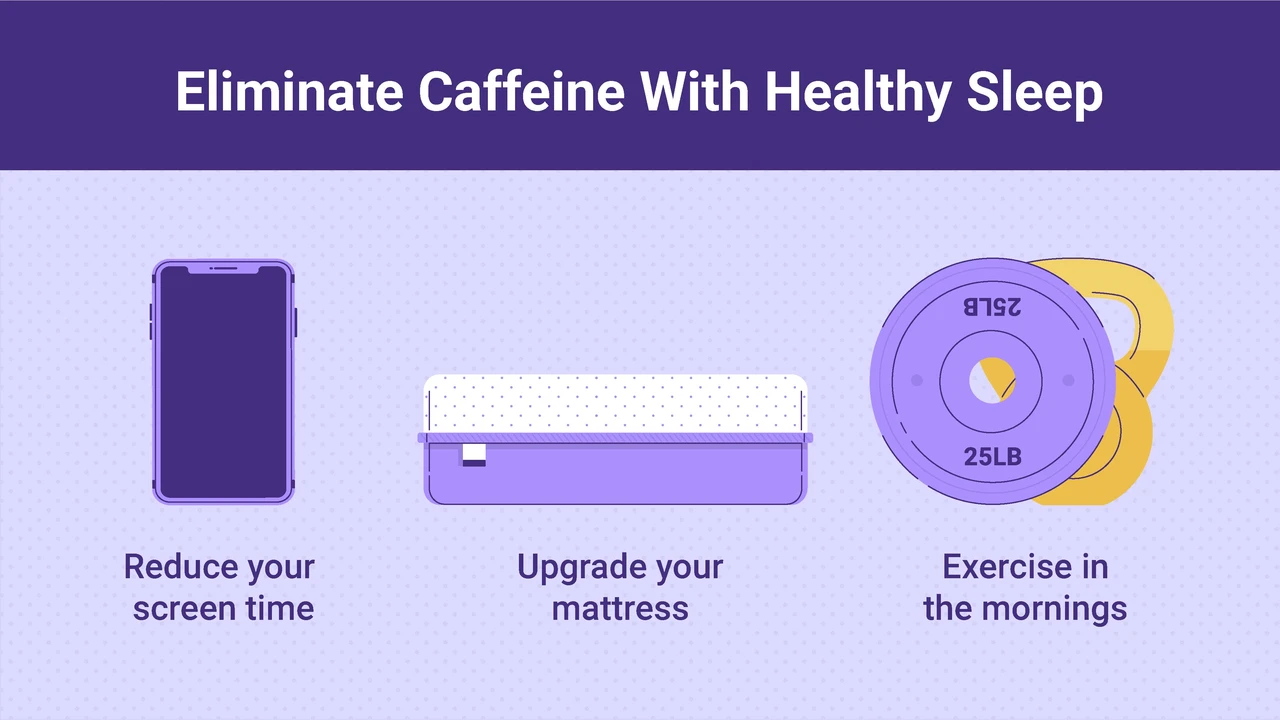
- Diet and Hydration: Avoid heavy meals, caffeine, and alcohol close to bedtime. Stay hydrated throughout the day, but reduce fluid intake in the evening to minimize nighttime bathroom trips.
- Pre-Sleep Routine: Establish a relaxing routine before bed – a warm bath, reading, gentle stretching, or listening to calming music.
- Light Exposure: Get plenty of natural light exposure during the day, especially in the morning, to help regulate the circadian rhythm. In the evening, dim lights and avoid bright screens.
Addressing Underlying Health Conditions and Medications Collaborative Care
It's crucial to work with healthcare providers to manage chronic conditions and review medications. Many drugs can interfere with sleep. Your doctor might be able to adjust dosages or suggest alternative medications. For specific sleep disorders:
- For Sleep Apnea: Continuous Positive Airway Pressure (CPAP) therapy is the most common and effective treatment. Oral appliances or surgery might also be options.
- For Insomnia: Cognitive Behavioral Therapy for Insomnia (CBT-I) is highly effective and often preferred over medication for chronic insomnia in older adults. It addresses the thoughts and behaviors that interfere with sleep.
- For RLS/PLMD: Iron supplementation (if deficient), medications like dopamine agonists, or gabapentinoids might be prescribed.
- For RBD: Clonazepam is often prescribed to reduce the severity and frequency of episodes.
Mind-Body Techniques and Relaxation Stress Reduction for Restful Nights
Stress and anxiety are major sleep disruptors. Incorporating relaxation techniques can be incredibly beneficial:
- Mindfulness and Meditation: Simple breathing exercises or guided meditations can calm the mind before bed.
- Gentle Yoga or Tai Chi: These practices combine physical movement with mindfulness, promoting relaxation.
- Aromatherapy: Essential oils like lavender or chamomile can have calming effects.
Recommended Products for Relaxation:
- Meditation App: Calm or Headspace
- Use Case: Offers guided meditations, sleep stories, and calming music specifically designed to help users relax and fall asleep. Many programs are tailored for seniors.
- Comparison: These apps provide structured programs and a wide variety of content, unlike simply listening to music, guiding users through relaxation techniques.
- Price: Free basic versions, premium subscriptions around $70/year.
- Essential Oil Diffuser: ASAKUKI 500ml Essential Oil Diffuser
- Use Case: Disperses calming essential oils like lavender or chamomile into the air, creating a soothing atmosphere conducive to sleep.
- Comparison: Features a large water tank for longer diffusion times and an auto-shutoff function for safety, superior to smaller, less reliable diffusers.
- Price: Around $25 - $40.
Nutritional Support and Supplements Dietary Considerations for Sleep
While a balanced diet is always important, certain nutrients and supplements might support sleep, but always consult a doctor before starting any new supplement, especially for older adults who may be on multiple medications.
- Magnesium: Involved in muscle relaxation and nerve function. Foods rich in magnesium include leafy greens, nuts, seeds, and whole grains.
- Tryptophan: An amino acid precursor to serotonin and melatonin. Found in turkey, chicken, eggs, and dairy.
- Melatonin Supplements: Can be helpful for some older adults, especially those with circadian rhythm disorders or low natural melatonin production. Start with a low dose (0.5-1 mg) and take it about an hour before bed.
- Valerian Root: A traditional herbal remedy for sleep, though evidence for its effectiveness is mixed.
Recommended Products for Nutritional Support:
- Melatonin Supplement: Nature Made Melatonin 3mg
- Use Case: A widely available and trusted brand for melatonin supplementation, which can help regulate sleep-wake cycles, especially for older adults whose natural melatonin production declines.
- Comparison: Offers a low, effective dose suitable for starting, and is free from artificial colors, flavors, and preservatives, unlike some less reputable brands.
- Price: Around $10 - $15 for 120 tablets.
- Magnesium Supplement: Thorne Research Magnesium Bisglycinate
- Use Case: Magnesium bisglycinate is a highly absorbable form of magnesium, which can aid in muscle relaxation and nerve function, potentially improving sleep quality.
- Comparison: This form is less likely to cause digestive upset compared to other magnesium forms like magnesium oxide, making it gentler for older adults.
- Price: Around $20 - $30 for 60 capsules.
Improving sleep quality in older adults is a journey, not a destination. It requires patience, consistency, and often, a collaborative effort with healthcare professionals. By understanding the unique challenges faced by seniors and implementing these strategies, we can help ensure that their later years are filled with restful nights and energetic days. Sweet dreams!
:max_bytes(150000):strip_icc()/277019-baked-pork-chops-with-cream-of-mushroom-soup-DDMFS-beauty-4x3-BG-7505-5762b731cf30447d9cbbbbbf387beafa.jpg)