Address the challenges of sleep cycles in teenagers and their delayed sleep phase. Promote better sleep for adolescent well-being.
Address the challenges of sleep cycles in teenagers and their delayed sleep phase. Promote better sleep for adolescent well-being.
Understanding the Teenage Sleep Shift: Why Teens Stay Up Late
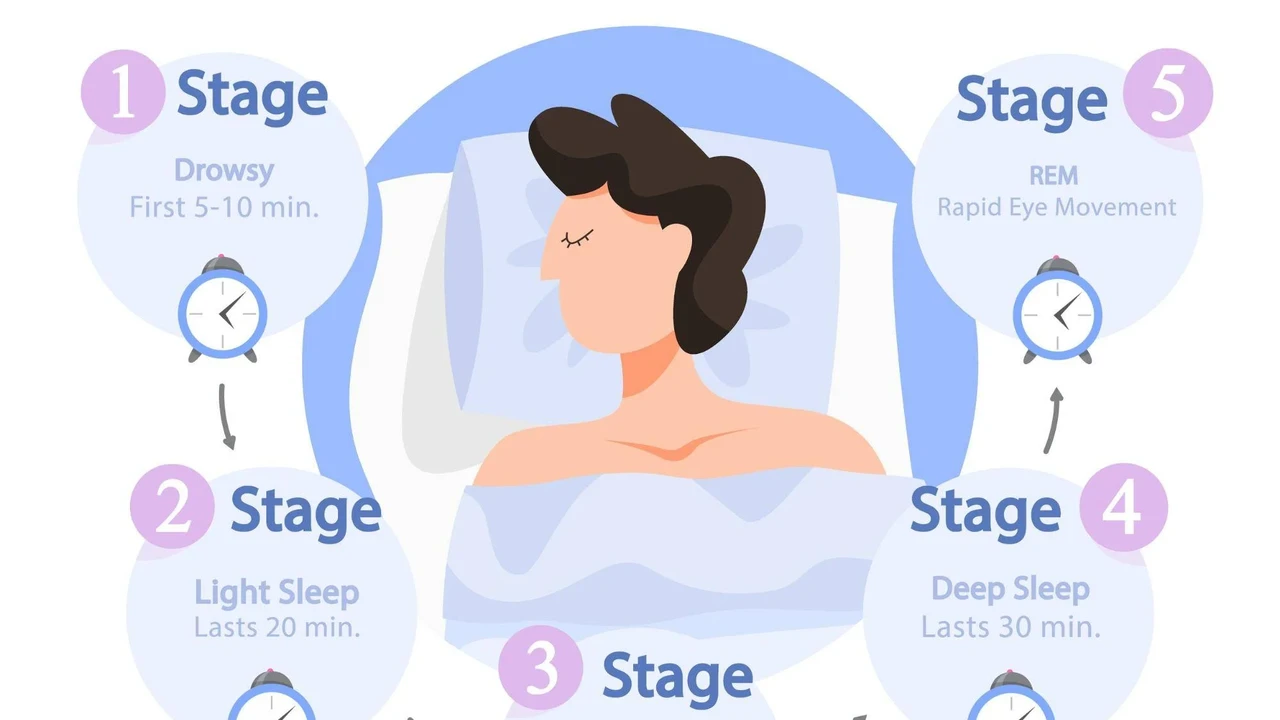
Ever wonder why your teenager seems to be a night owl, struggling to wake up for school in the morning? It's not just about rebellion or screen time, though those can certainly play a role. There's a fascinating biological shift happening in their bodies, often referred to as a 'delayed sleep phase.' Around puberty, a teenager's internal body clock, or circadian rhythm, naturally shifts later. This means their brains aren't ready to produce melatonin, the sleep-inducing hormone, until much later in the evening than adults or younger children. Consequently, they feel alert and awake when they should be winding down, and then struggle to wake up at a conventional time.
This biological shift is a significant factor in the widespread sleep deprivation among adolescents. While adults might feel sleepy around 9 or 10 PM, a teenager's body might not be ready for sleep until 11 PM or even midnight. If they still need to be up for school by 6 or 7 AM, that's a massive sleep deficit building up every single night. This isn't just about feeling tired; chronic sleep deprivation can have serious consequences for their physical health, mental well-being, academic performance, and even safety.
The Impact of Sleep Deprivation on Adolescent Health and Performance
When teenagers consistently don't get enough sleep, the effects ripple through every aspect of their lives. On the academic front, you might notice decreased concentration, memory problems, and difficulty with problem-solving. Their grades can suffer, and their ability to learn new information is significantly hampered. It's like trying to run a computer on low battery mode – it just won't perform optimally.
Beyond academics, sleep deprivation takes a toll on their physical health. It can weaken their immune system, making them more susceptible to illnesses. There's also a strong link between insufficient sleep and an increased risk of obesity, type 2 diabetes, and even heart disease later in life. For athletes, poor sleep can impair recovery, reduce performance, and increase the risk of injuries.
Mentally and emotionally, the impact is profound. Sleep-deprived teenagers are more prone to mood swings, irritability, anxiety, and depression. Their ability to regulate emotions is compromised, leading to more conflicts and difficulty coping with stress. Studies have even shown a correlation between chronic sleep deprivation and an increased risk of suicidal ideation in adolescents. Furthermore, drowsy driving is a significant concern; teenagers are at a higher risk of car accidents due to fatigue.
Strategies for Promoting Better Sleep in Teenagers: Practical Tips
Given the challenges, what can parents and teenagers do to promote healthier sleep habits? It starts with understanding the unique biological needs of adolescents and then implementing practical strategies.
Establishing a Consistent Sleep Schedule: Weekend Catch-Up Limits
One of the most crucial steps is to encourage a consistent sleep schedule, even on weekends. While it's tempting for teens to 'catch up' on sleep on Saturday and Sunday, large fluctuations in sleep times can actually worsen their circadian rhythm disruption, making it even harder to fall asleep on Sunday night. Aim for a consistent bedtime and wake-up time, with no more than a one-hour deviation on weekends. This helps to regulate their internal clock.
Optimizing the Sleep Environment: Bedroom Sanctuary
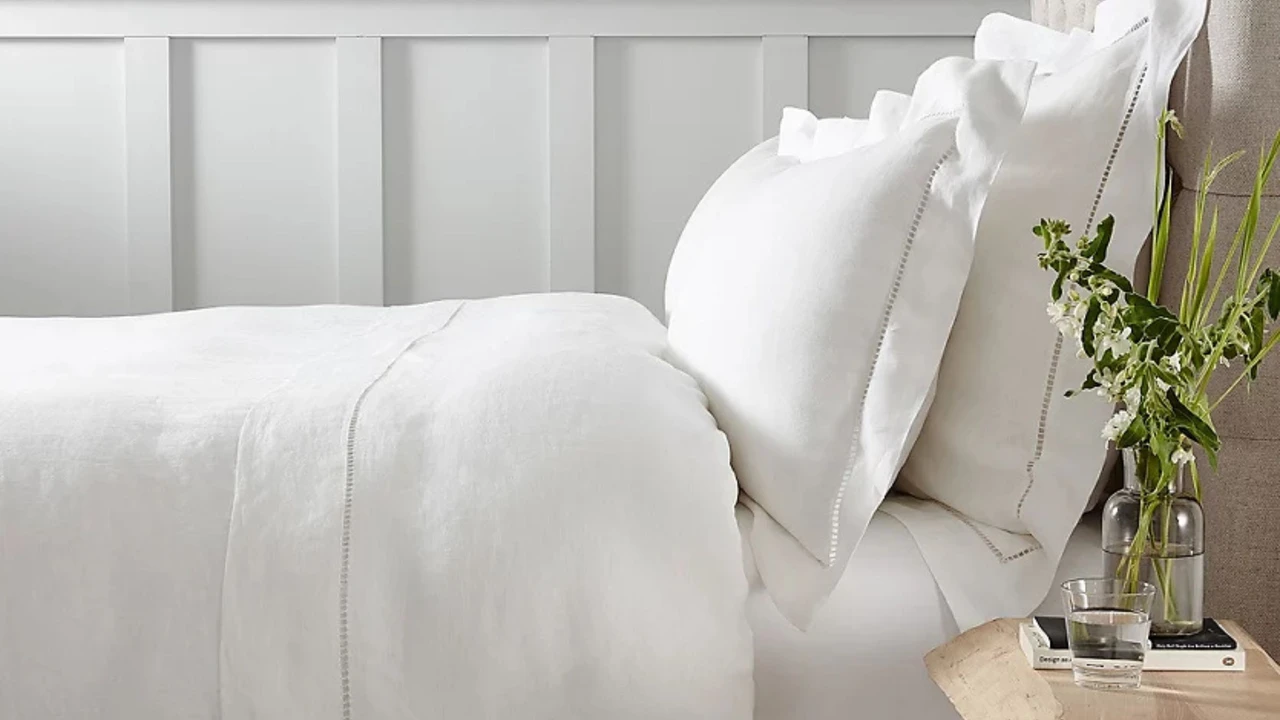
The bedroom should be a sanctuary for sleep. This means making it dark, quiet, and cool. Blackout curtains are a game-changer for blocking out morning light, which can prematurely signal their brain to wake up. Earplugs or a white noise machine can help block out disruptive sounds. The ideal temperature for sleep is generally between 60-67 degrees Fahrenheit (15-19 degrees Celsius). Ensure their mattress and pillow are comfortable and supportive.
Limiting Screen Time Before Bed: Blue Light Blockers
This is a big one. The blue light emitted from smartphones, tablets, computers, and even TVs can suppress melatonin production, making it harder to fall asleep. Encourage a 'digital curfew' at least an hour, ideally two hours, before bedtime. This means no screens in the bedroom. If they absolutely must use a screen, consider blue light filtering glasses or software that shifts screen colors to warmer tones in the evening. Many devices now have a 'Night Shift' or 'Eye Comfort Shield' mode that can be scheduled.
Caffeine and Energy Drink Awareness: Timing is Key
Teenagers often turn to caffeine and energy drinks to combat daytime sleepiness. However, these can severely disrupt their sleep cycles. Advise them to avoid caffeine, including soda, coffee, and energy drinks, especially in the afternoon and evening. The effects of caffeine can linger in the body for many hours, long after the initial 'boost' wears off.
Regular Physical Activity: But Not Too Close to Bedtime
Regular exercise can significantly improve sleep quality. Encourage your teen to be physically active during the day. However, intense exercise too close to bedtime can be stimulating and make it harder to fall asleep. Aim for exercise sessions to end at least a few hours before they plan to go to bed.
Relaxation Techniques: Winding Down Before Sleep
Help your teen develop a relaxing pre-sleep routine. This could include reading a physical book, taking a warm bath or shower, listening to calming music, or practicing gentle stretching or meditation. The goal is to signal to their body and mind that it's time to wind down and prepare for sleep.
Product Recommendations for Teen Sleep Optimization: Tools for Better Rest
Beyond behavioral changes, certain products can aid in creating a better sleep environment and promoting relaxation. Here are a few categories and specific product examples, keeping in mind that prices can vary widely.
1. Blackout Curtains: Blocking Out Light for Deeper Sleep
Blackout curtains are essential for creating a dark sleep environment, especially for teens who might have windows facing streetlights or early morning sun. They effectively block out external light, signaling to the brain that it's nighttime.
* **Nicetown Blackout Curtains:** These are widely available and come in various colors and sizes. They are known for their thermal insulation properties as well, which can help regulate room temperature. A standard pair for a typical window might range from $25-$50 USD.
* **Amazon Basics Room Darkening Blackout Curtains:** A more budget-friendly option, these also offer good light-blocking capabilities. Expect to pay around $20-$40 USD for a pair.
**Comparison:** Nicetown often has a slightly thicker fabric and more color options, while Amazon Basics provides a reliable, cost-effective solution. Both are effective at blocking light.
2. White Noise Machines: Drowning Out Disruptions
White noise machines can be incredibly helpful for blocking out sudden noises (like siblings, street noise, or even just the house settling) that can disrupt sleep. They create a consistent, soothing background sound.
* **LectroFan High Fidelity White Noise Machine:** This is a popular choice, offering 20 unique non-looping fan sounds and white noise variations. It's known for its high sound quality and effectiveness. Price typically ranges from $40-$60 USD.
* **Hatch Rest+ (for older teens/young adults):** While often marketed for babies, the Hatch Rest+ offers white noise, soundscapes, a night light, and even a time-to-rise feature. It's app-controlled and can be a good all-in-one solution for teens who appreciate smart features. It's pricier, usually around $90-$130 USD.
**Comparison:** LectroFan is a dedicated, high-quality white noise machine. Hatch Rest+ offers more features and smart integration, making it versatile but also more expensive. For pure noise masking, LectroFan is excellent value.
3. Blue Light Blocking Glasses: Protecting Eyes from Screens
If completely avoiding screens before bed isn't feasible, blue light blocking glasses can help mitigate the negative effects of blue light on melatonin production.
* **Gamma Ray Optics Blue Light Blocking Glasses:** These are a popular and affordable option, often available for around $15-$25 USD. They come in various styles and are effective at filtering blue light.
* **Felix Gray Blue Light Glasses:** A more premium option, Felix Gray glasses are known for their stylish designs and effective blue light filtration. They can range from $75-$100+ USD.
**Comparison:** Gamma Ray offers a great entry-level option for effective blue light blocking. Felix Gray provides a more fashionable and potentially more comfortable fit for extended wear, but at a higher price point.
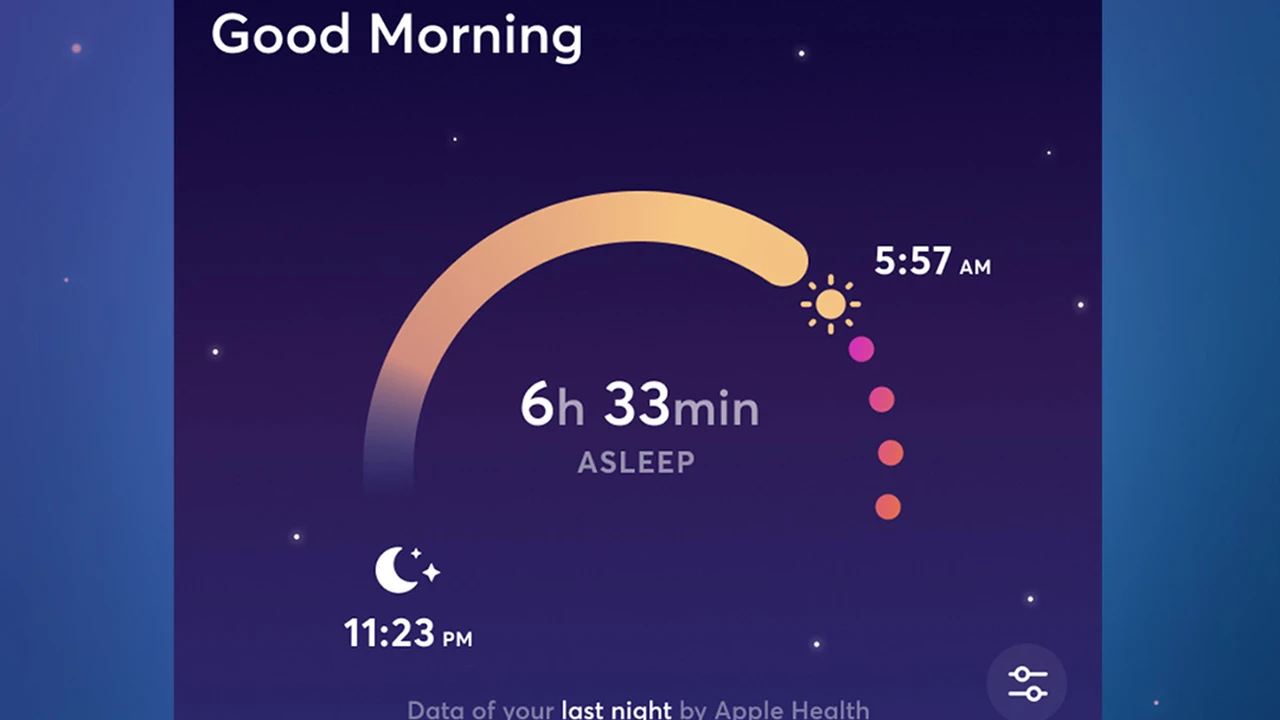
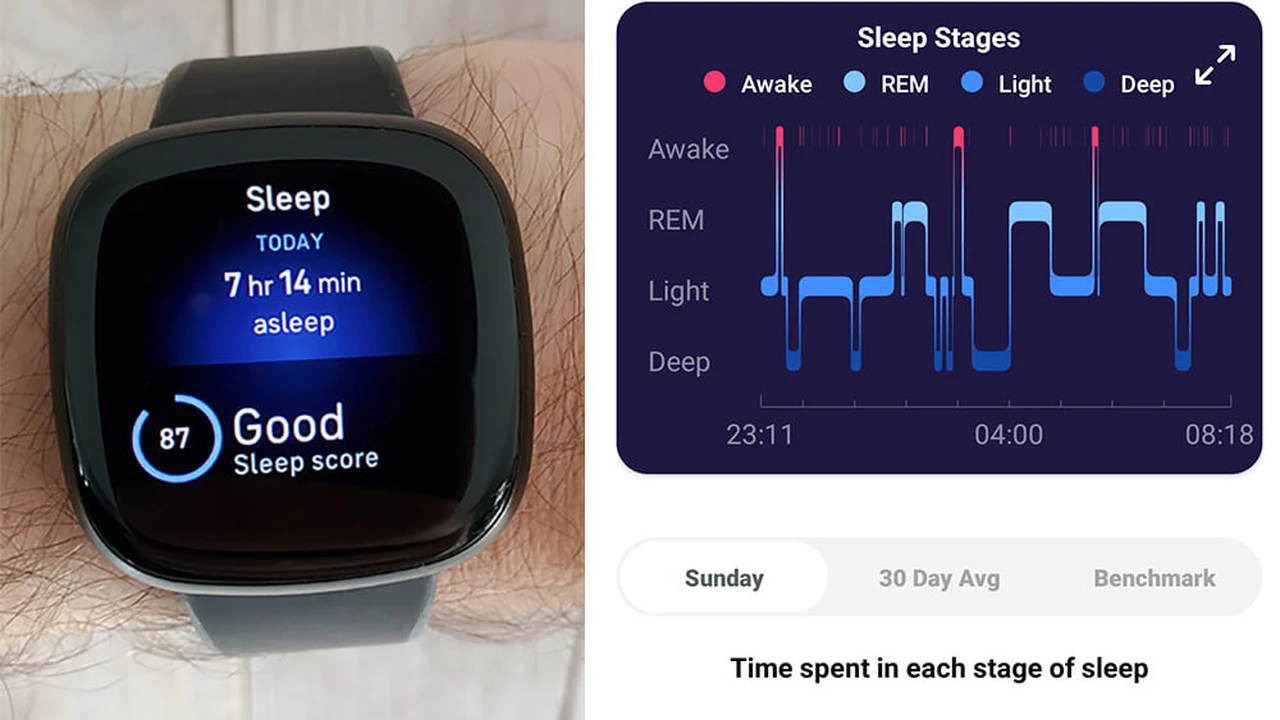
For teens who are interested in data and self-improvement, a sleep tracker can provide insights into their sleep patterns. It's important to emphasize that these are tools for awareness, not a source of anxiety.
* **Oura Ring Gen3:** This is a highly accurate and discreet sleep tracker worn on the finger. It tracks sleep stages, heart rate variability, body temperature, and activity. It provides detailed insights and personalized recommendations. Price is typically around $299-$399 USD, plus a monthly subscription.
* **Fitbit Charge 6:** A more affordable and versatile option, the Fitbit Charge 6 tracks sleep stages, heart rate, activity, and offers smart notifications. It's a good all-around fitness tracker with solid sleep tracking capabilities. Price is usually around $159-$179 USD.
**Comparison:** The Oura Ring is a dedicated, highly accurate sleep and recovery tracker, ideal for those serious about optimizing sleep and willing to invest. The Fitbit Charge 6 is a more general fitness tracker that also provides good sleep data at a more accessible price point. The Oura Ring requires a subscription for full features, while Fitbit offers some basic sleep tracking without one, but more advanced metrics with Fitbit Premium.
5. Weighted Blankets: Calming Anxiety and Promoting Relaxation
Weighted blankets provide deep pressure stimulation, which can have a calming effect, similar to a hug. This can be particularly beneficial for teens struggling with anxiety or restlessness at bedtime.
* **Gravity Blanket:** One of the original and most well-known weighted blanket brands. They offer various weights and materials. A standard twin size (15-20 lbs) might cost around $150-$200 USD.
* **YnM Weighted Blanket:** A very popular and more affordable alternative, YnM offers a wide range of sizes, weights, and cover options. A similar twin size might be $50-$80 USD.
**Comparison:** Gravity Blanket is a premium brand with high-quality materials and construction. YnM offers excellent value and a wider variety of options, making it a great entry point for trying a weighted blanket.
Navigating the Social Landscape: Peer Pressure and Sleep
It's important to acknowledge that teenagers face unique social pressures that can impact their sleep. Staying up late to chat with friends, play online games, or scroll through social media is a common part of adolescent social life. Parents need to find a balance between setting boundaries and allowing for some social interaction.
Open communication is key. Talk to your teen about the importance of sleep without being preachy. Explain the biological reasons behind their delayed sleep phase and how it affects them. Work together to find solutions that respect their need for social connection while prioritizing their health.
Encourage them to set their own 'digital curfew' and stick to it. Perhaps they can put their phone in a common area of the house overnight, or use 'do not disturb' features. Help them understand that prioritizing sleep isn't 'uncool' but rather a smart choice for their overall well-being and performance in everything they do.
The Role of School Start Times: Advocacy for Adolescent Sleep
Finally, it's worth mentioning the broader societal issue of school start times. Many sleep experts and medical organizations advocate for later school start times for middle and high school students, aligning with their natural biological clocks. This would allow teenagers to get the recommended 8-10 hours of sleep per night without having to fight their biology.
While individual families can implement many strategies, systemic changes like later school start times could have a massive positive impact on adolescent sleep and health on a larger scale. Supporting local initiatives or advocating for these changes can be a powerful way to contribute to better sleep for all teenagers.
:max_bytes(150000):strip_icc()/277019-baked-pork-chops-with-cream-of-mushroom-soup-DDMFS-beauty-4x3-BG-7505-5762b731cf30447d9cbbbbbf387beafa.jpg)