Shift Work Sleep Disorder Solutions
Navigate the challenges of shift work sleep disorder. Implement strategies for better sleep despite irregular hours.
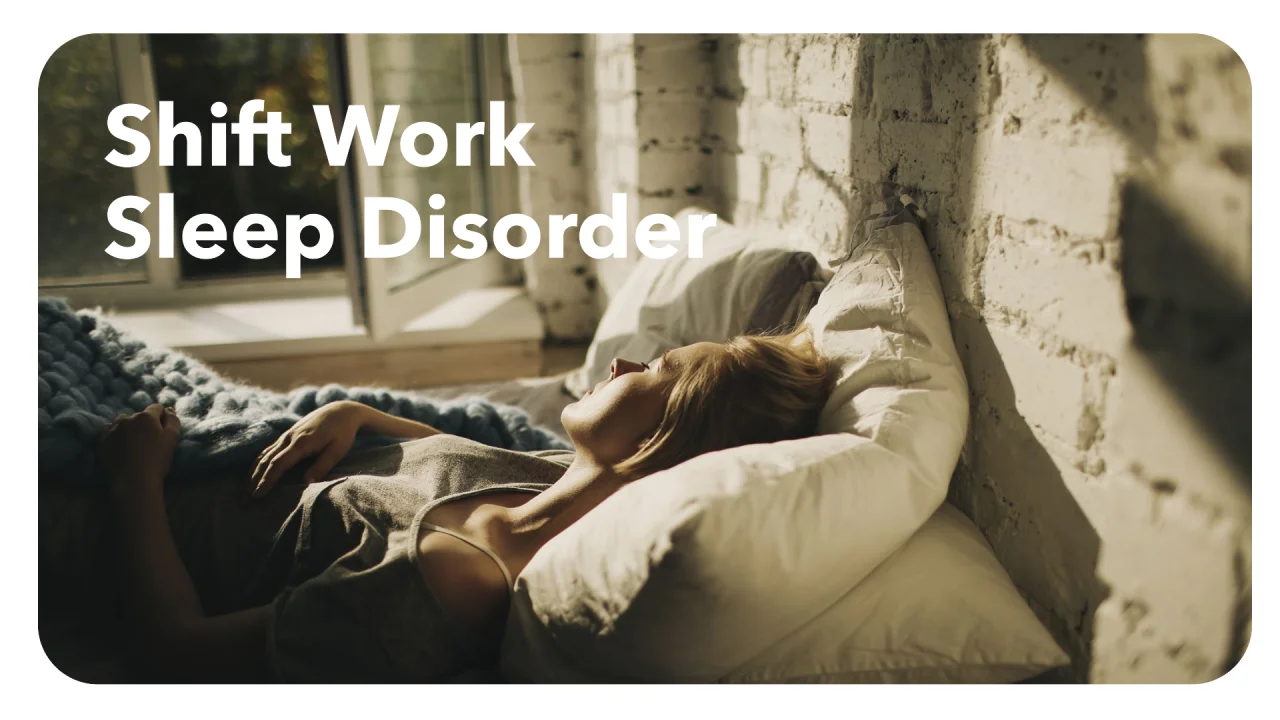
Navigate the challenges of shift work sleep disorder. Implement strategies for better sleep despite irregular hours.
Shift Work Sleep Disorder Solutions
Hey there, fellow night owls and early birds! If you're reading this, chances are you're grappling with the unique beast that is Shift Work Sleep Disorder (SWSD). It's not just about feeling a bit tired; it's a genuine medical condition that affects millions of people globally, from healthcare professionals and first responders to factory workers and transportation staff. Basically, if your job requires you to work outside the traditional 9-to-5, especially through the night or rotating shifts, your body's natural internal clock – your circadian rhythm – gets thrown completely out of whack. This can lead to a whole host of problems, including persistent fatigue, difficulty concentrating, irritability, and even serious health issues down the line. But don't despair! While it's a tough hand to be dealt, there are definitely strategies and tools you can use to manage SWSD and reclaim some semblance of healthy sleep. Let's dive into some practical solutions, including some specific product recommendations that might just be your new best friends.
Understanding Shift Work Sleep Disorder Symptoms and Causes
First off, let's make sure we're all on the same page about what SWSD actually is. It's characterized by insomnia (trouble falling or staying asleep) or excessive sleepiness that's directly related to working non-traditional hours. Think about it: your body is naturally programmed to be awake during the day and asleep at night. When you force it to do the opposite, or constantly switch between the two, it gets confused. This confusion manifests as symptoms like:
- Difficulty falling asleep when you need to (e.g., after a night shift).
- Waking up frequently during your sleep period.
- Feeling unrefreshed even after sleeping.
- Excessive sleepiness or 'microsleeps' during your shift.
- Trouble concentrating and making decisions.
- Irritability, mood swings, and increased stress.
- Increased risk of accidents, both at work and while driving.
- Long-term health risks like cardiovascular disease, diabetes, and gastrointestinal issues.
The primary cause is the misalignment between your internal circadian rhythm and your work schedule. Light exposure, meal times, and social cues all play a role in setting your body clock. When these are constantly changing or conflicting with your natural rhythm, SWSD sets in.
Optimizing Your Sleep Environment for Shift Workers
Creating the perfect sleep sanctuary is absolutely crucial when you're battling SWSD. You need to trick your body into thinking it's nighttime, even if the sun is blazing outside. This means focusing on darkness, quiet, and a comfortable temperature.
Best Blackout Solutions for Day Sleepers
Light is the enemy of melatonin production, the hormone that tells your body it's time to sleep. For day sleepers, even a sliver of light can disrupt your sleep. Here are some top-notch blackout solutions:
1. Blackout Curtains and Blinds: Your First Line of Defense
These are non-negotiable. Look for curtains with multiple layers or a thermal backing that completely blocks out light. Install them so they extend beyond your window frame to prevent light leakage. For blinds, consider cellular or honeycomb blinds with side channels for maximum darkness.
- Product Recommendation: Nicetown Blackout Curtains
- Description: These are widely popular for a reason. They come in various sizes and colors, are thick, and effectively block out almost all light. Many also offer thermal insulation, which helps with temperature control.
- Use Case: Ideal for bedrooms where you need complete darkness during the day.
- Price Range: $25 - $70 per panel, depending on size.
- Comparison: While many brands offer blackout curtains, Nicetown consistently receives high ratings for their effectiveness and durability.
2. Portable Blackout Blinds: For Travel and Temporary Setups
If you travel for work or need a temporary solution, portable blackout blinds are a lifesaver.
- Product Recommendation: Sleepout Portable Blackout Curtain
- Description: This innovative curtain uses suction cups to attach directly to your window, creating a complete seal. It's lightweight, easy to pack, and incredibly effective.
- Use Case: Perfect for hotel rooms, temporary living situations, or even just a quick nap on the go.
- Price Range: $80 - $120.
- Comparison: More expensive than basic travel blinds, but the suction cup design offers superior light blocking compared to velcro or tension rod options.
3. Sleep Masks: The Ultimate Personal Darkness
Even with blackout curtains, some light might sneak in, or you might need to sleep in a less-than-ideal environment. A good sleep mask is essential.
- Product Recommendation: Manta Sleep Mask
- Description: This mask is designed with adjustable eye cups that completely block out light without putting pressure on your eyes. It's incredibly comfortable and allows for blinking.
- Use Case: For absolute darkness, even in bright environments, or for those who find traditional masks uncomfortable.
- Price Range: $30 - $40.
- Comparison: While many cheaper masks exist, the Manta's unique design and comfort make it a worthwhile investment for serious sleep.
Noise Reduction Strategies for Peaceful Sleep
Daytime comes with its own symphony of sounds: traffic, neighbors, deliveries, kids playing. You need to block it all out.
1. White Noise Machines: Your Sound Shield
White noise or ambient sound machines can mask disruptive noises, creating a consistent, soothing background.
- Product Recommendation: LectroFan High Fidelity White Noise Machine
- Description: Offers 20 unique non-looping fan and white noise sounds. It's compact, easy to use, and provides consistent sound.
- Use Case: Ideal for masking street noise, noisy neighbors, or general household sounds.
- Price Range: $40 - $60.
- Comparison: Superior to phone apps that might have looping sounds or be interrupted by notifications.
2. Earplugs: Simple Yet Effective
Sometimes, the simplest solutions are the best.
- Product Recommendation: Loop Quiet Earplugs
- Description: These are reusable, comfortable silicone earplugs designed for noise reduction without completely blocking out all sound, so you can still hear an alarm. They come in different sizes.
- Use Case: For general noise reduction, especially if you find foam earplugs uncomfortable or want something more discreet.
- Price Range: $20 - $30.
- Comparison: More comfortable and durable than disposable foam earplugs, and offer a good balance of noise reduction and awareness.
Temperature Control for Optimal Rest
Your body temperature naturally dips when you sleep. Keeping your room cool helps facilitate this process.
1. Smart Thermostats: Automated Comfort
A smart thermostat can learn your schedule and adjust the temperature accordingly, ensuring your room is cool when you need to sleep.
- Product Recommendation: Google Nest Thermostat
- Description: Learns your preferences and creates a schedule for you. You can also control it remotely from your phone.
- Use Case: For consistent temperature regulation, especially if your sleep schedule varies.
- Price Range: $100 - $250.
- Comparison: Offers smart features that basic thermostats lack, allowing for more precise and automated temperature control.
2. Cooling Mattresses and Bedding: Beat the Heat
If you tend to sleep hot, investing in cooling bedding can make a huge difference.
- Product Recommendation: Purple Mattress
- Description: Features a unique grid design that allows for excellent airflow, keeping you cool throughout the night.
- Use Case: For individuals who overheat easily during sleep.
- Price Range: $1,500 - $3,000+.
- Comparison: While a significant investment, its cooling properties are often superior to traditional memory foam or spring mattresses.
Strategic Napping and Sleep Scheduling for Shift Workers
When your main sleep period is disrupted, strategic napping can be a lifesaver. However, it's a delicate balance.
The Art of the Power Nap: Short and Sweet
A short nap (20-30 minutes) can boost alertness without causing sleep inertia (that groggy feeling after a long nap). Aim for these before your shift or during a break if possible.
Scheduling Your Main Sleep: Consistency is Key (When Possible)
Try to maintain a consistent sleep schedule on your days off, even if it means shifting it slightly. This helps reinforce your circadian rhythm. If you're on rotating shifts, try to rotate forward (morning to afternoon to night) rather than backward, as this is generally easier for your body to adapt to.
Light Therapy and Melatonin for Circadian Rhythm Adjustment
These are powerful tools for resetting your internal clock, but they need to be used carefully and ideally under the guidance of a healthcare professional.
Light Therapy Boxes: Simulating Daylight
Exposure to bright light at specific times can help shift your circadian rhythm. For night shift workers, this means getting bright light exposure at the beginning of your 'day' (e.g., when you wake up before your night shift) and avoiding it when you're trying to wind down.
- Product Recommendation: Verilux HappyLight Full-Size Light Therapy Lamp
- Description: Provides 10,000 LUX of full-spectrum, UV-filtered light. It's compact and easy to use.
- Use Case: To help suppress melatonin production and promote alertness when you need to be awake during non-traditional hours. Use it for 20-30 minutes upon waking.
- Price Range: $50 - $80.
- Comparison: A well-regarded brand in light therapy, offering consistent and effective light output.
Melatonin Supplements: The Sleep Hormone Aid
Melatonin can be used to help you fall asleep when your body isn't naturally producing it (e.g., after a night shift when the sun is up). However, timing and dosage are crucial.
- Product Recommendation: Nature Made Melatonin 3mg Tablets
- Description: A widely available and trusted brand. 3mg is a common starting dose.
- Use Case: To help initiate sleep after a night shift. Take it about 30-60 minutes before you intend to sleep. Start with a low dose and see how you respond.
- Price Range: $10 - $20 for a bottle.
- Comparison: Many brands offer melatonin; Nature Made is known for its quality and purity. Always consult a doctor before starting any supplement.
Lifestyle Adjustments for Shift Work Sleep Disorder Management
Beyond the gadgets and specific strategies, your overall lifestyle plays a massive role in how well you cope with SWSD.
Diet and Hydration for Energy and Sleep
What you eat and drink significantly impacts your energy levels and sleep quality. Avoid heavy meals close to your sleep time. Opt for lighter, easily digestible foods. Stay well-hydrated, but cut back on fluids a couple of hours before bed to avoid nighttime bathroom trips.
Caffeine and Alcohol: Use with Caution
Caffeine can be a tempting crutch for shift workers, but it has a half-life of several hours. Avoid caffeine at least 6 hours before you plan to sleep. Alcohol might make you feel drowsy initially, but it disrupts sleep architecture, leading to fragmented and less restorative sleep. It's best to limit or avoid it, especially before your main sleep period.
Exercise Timing for Better Sleep
Regular exercise is great for sleep, but timing is everything for shift workers. Avoid intense workouts too close to your sleep time, as this can be stimulating. Aim for moderate exercise earlier in your 'day' or during your shift if possible.
Social Support and Communication for Shift Workers
Shift work can be isolating. Communicate your schedule to family and friends so they understand your need for uninterrupted sleep. Don't be afraid to ask for quiet during your sleep hours. Joining online forums or support groups for shift workers can also provide valuable tips and a sense of community.
Stress Management Techniques for Shift Work Life
The irregular nature of shift work can be inherently stressful. Incorporate stress-reducing activities into your routine, such as mindfulness, meditation, deep breathing exercises, or hobbies you enjoy. Managing stress can significantly improve your ability to fall and stay asleep.
When to Seek Professional Help for Shift Work Sleep Disorder
While these strategies and products can be incredibly helpful, it's important to recognize when you need professional intervention. If you've tried these tips and are still experiencing severe sleepiness, persistent insomnia, or if SWSD is significantly impacting your quality of life, it's time to see a doctor or a sleep specialist. They can properly diagnose SWSD, rule out other sleep disorders, and discuss prescription medications or other therapies that might be appropriate for your specific situation. Don't suffer in silence; there's help available.
Managing Shift Work Sleep Disorder is an ongoing process, a bit like a marathon, not a sprint. It requires patience, consistency, and a willingness to experiment with different strategies to find what works best for your unique body and schedule. By prioritizing your sleep environment, being strategic with your sleep and wake times, and making smart lifestyle choices, you can significantly improve your well-being and navigate the challenges of shift work with greater ease. Here's to better sleep, no matter when you clock in or out!
:max_bytes(150000):strip_icc()/277019-baked-pork-chops-with-cream-of-mushroom-soup-DDMFS-beauty-4x3-BG-7505-5762b731cf30447d9cbbbbbf387beafa.jpg)