Parasomnias Night Terrors and Sleepwalking
Explore different types of parasomnias including night terrors and sleepwalking. Learn how to address these sleep disruptions.
Explore different types of parasomnias including night terrors and sleepwalking. Learn how to address these sleep disruptions.
Understanding Parasomnias Decoding Night Terrors and Sleepwalking
Have you ever woken up in a cold sweat, heart pounding, from a vivid, terrifying dream you can't quite recall? Or perhaps you've heard stories, or even witnessed, someone walking, talking, or performing complex actions while seemingly asleep? These are just a couple of examples of what sleep specialists refer to as parasomnias – undesirable physical or verbal behaviors that occur during sleep. They can range from the mildly disruptive to the genuinely alarming, affecting both the individual experiencing them and their bed partners or family members.
Parasomnias are not just 'bad dreams' or simple restlessness. They are distinct sleep disorders characterized by abnormal movements, behaviors, emotions, perceptions, or dreams that occur while falling asleep, during sleep, or upon waking. While some parasomnias are more common in children, others can persist into adulthood or even emerge later in life. Understanding these phenomena is the first step towards managing them and ensuring safer, more restful nights for everyone involved.
What Are Parasomnias Exploring Sleep Behavior Disorders
The term 'parasomnia' broadly covers a group of sleep disorders that involve unwanted events or experiences that happen while you're falling asleep, sleeping, or waking up. These events can be quite varied, from simple movements to complex, seemingly purposeful actions. What makes them distinct is that the person experiencing them is not fully awake or aware of their actions, and often has no memory of the event afterward.
Parasomnias are generally categorized based on the sleep stage in which they occur:
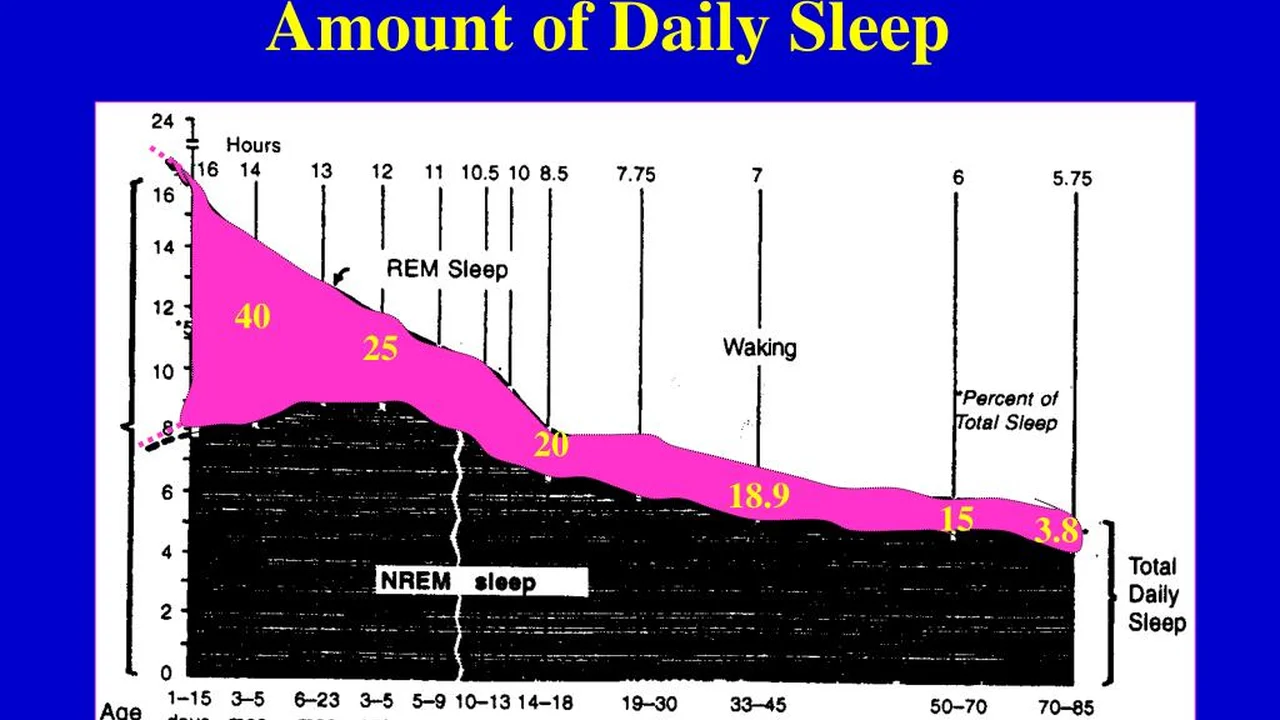
- NREM-related parasomnias: These occur during non-rapid eye movement (NREM) sleep, particularly during deep sleep (NREM stage 3). This is why individuals often have no memory of the event. Examples include sleepwalking, night terrors, and confusional arousals.
- REM-related parasomnias: These occur during rapid eye movement (REM) sleep, the stage where most vivid dreaming happens. REM sleep behavior disorder (RBD) is a prime example, where individuals act out their dreams.
- Other parasomnias: Some parasomnias can occur across different sleep stages or are not specifically tied to one, such as sleep paralysis or sleep enuresis (bedwetting).
The underlying causes of parasomnias are complex and can include genetic predisposition, certain medications, sleep deprivation, stress, fever, and other sleep disorders like sleep apnea. Identifying the specific type of parasomnia is crucial for effective management.
Night Terrors vs Nightmares Understanding Sleep Arousal Disorders
Often confused, night terrors and nightmares are distinctly different phenomena, though both involve frightening experiences during sleep. The key difference lies in the sleep stage they occur in and the level of arousal and memory associated with them.
Night Terrors Pavor Nocturnus Explained
Night terrors, also known as pavor nocturnus, are NREM-related parasomnias. They typically occur during the first third of the night, during deep NREM sleep. A person experiencing a night terror will suddenly sit upright in bed, often screaming or yelling, with wide-open eyes and a terrified expression. They may exhibit signs of extreme autonomic arousal, such as rapid heart rate, heavy breathing, sweating, and dilated pupils. Despite their apparent wakefulness, they are not truly awake and are usually unresponsive to attempts to comfort or awaken them. Trying to wake someone during a night terror can be difficult and may even prolong the episode or make them more agitated.
Crucially, individuals rarely remember the content of a night terror, or at most, have a vague, fragmented recollection of a frightening image or feeling. They usually fall back asleep quickly afterward. Night terrors are more common in children, particularly between the ages of 3 and 12, but can occur in adults, often linked to stress, sleep deprivation, or certain medications.
Nightmares Distinguishing Dream Disturbances
Nightmares, in contrast, are REM-related parasomnias. They occur during REM sleep, typically in the latter half of the night when REM periods are longer and more intense. Nightmares are vivid, disturbing dreams that often involve threats to survival, security, or self-esteem. Upon waking from a nightmare, individuals are usually fully alert and can vividly recall the dream's content, often feeling distressed or anxious about it. While frightening, nightmares do not involve the same level of physical thrashing or screaming as night terrors, and the person is typically responsive to being woken up.
Occasional nightmares are a normal part of life, but recurrent nightmares can be a symptom of underlying stress, anxiety, trauma (as in PTSD), or certain medications.
Sleepwalking Somnambulism Causes and Management
Sleepwalking, or somnambulism, is another NREM-related parasomnia, occurring during deep sleep. It involves a series of complex behaviors that are performed while the individual is still asleep. These behaviors can range from simple actions like sitting up in bed or walking around the room, to more complex and potentially dangerous activities such as cooking, driving, or even leaving the house.
Common Sleepwalking Behaviors Understanding Somnambulism
During a sleepwalking episode, the person's eyes are typically open, but they have a glazed, vacant stare. They are generally unresponsive to communication and difficult to awaken. If awakened, they may be confused, disoriented, and have no memory of the episode. Sleepwalking episodes can last from a few minutes to half an hour or more.
Factors that can trigger or exacerbate sleepwalking include:
- Sleep deprivation
- Stress and anxiety
- Fever or illness
- Certain medications (e.g., sedatives, hypnotics)
- Alcohol consumption
- Irregular sleep schedules
- Underlying sleep disorders like sleep apnea
Managing Sleepwalking Safety First Approaches
The primary concern with sleepwalking is safety, as individuals can injure themselves or others. Here are key management strategies:
- Ensure a Safe Environment: Lock windows and doors, remove tripping hazards, and consider installing gates at the top of stairs. Move sharp objects or dangerous items out of reach.
- Avoid Waking Them Abruptly: Gently guide the sleepwalker back to bed. If you must wake them, do so calmly and gently, as they may be confused or agitated.
- Address Underlying Causes: If sleep deprivation, stress, or other sleep disorders are contributing factors, address them. Improve sleep hygiene.
- Medication: In severe or dangerous cases, a doctor might prescribe medications like benzodiazepines to suppress deep sleep.
- Therapy: Cognitive Behavioral Therapy for Insomnia (CBT-I) can be helpful, even if insomnia isn't the primary issue, by improving overall sleep quality and addressing anxiety.
Other Common Parasomnias Recognizing Diverse Sleep Disruptions
Beyond night terrors and sleepwalking, several other parasomnias can affect sleep quality and safety:
REM Sleep Behavior Disorder RBD Acting Out Dreams
Unlike night terrors and sleepwalking, RBD occurs during REM sleep. In normal REM sleep, your muscles are temporarily paralyzed (atonia), preventing you from acting out your dreams. In RBD, this paralysis is absent or incomplete, leading individuals to physically act out vivid, often violent, dreams. This can involve punching, kicking, yelling, or jumping out of bed. RBD is more common in older adults and can sometimes be an early sign of neurodegenerative diseases like Parkinson's disease or Lewy body dementia.
Sleep Paralysis Understanding Waking Immobility
Sleep paralysis is a temporary inability to move or speak that occurs when waking up or falling asleep. During an episode, the individual is fully conscious but cannot move their body. It often comes with vivid hallucinations (hypnagogic if falling asleep, hypnopompic if waking up), such as feeling a presence in the room, hearing voices, or seeing figures. While terrifying, sleep paralysis is generally harmless and usually lasts only a few seconds to a few minutes. It's often linked to sleep deprivation, irregular sleep schedules, and stress.
Confusional Arousals Sleep Drunkenness Explained
Also an NREM parasomnia, confusional arousals involve waking up in a disoriented, confused state. The person may appear dazed, speak slowly, or respond inappropriately. They might not recognize their surroundings or the people around them. These episodes are more common in children and can be triggered by sleep deprivation or being woken abruptly from deep sleep.
Sleep Enuresis Bedwetting Addressing Nocturnal Incontinence
Sleep enuresis, or bedwetting, is the involuntary urination during sleep. While common in young children, it can persist into adolescence or adulthood. Causes can include genetic factors, smaller bladder capacity, hormonal imbalances (lack of ADH), or underlying medical conditions. Management often involves behavioral strategies, alarms, and sometimes medication.
Sleep Related Eating Disorder SRED Nocturnal Eating
SRED involves recurrent episodes of eating or drinking during sleep, without full awareness or memory of the event. Individuals may consume unusual or unhealthy foods, or even non-food items. It can lead to weight gain, injuries from preparing food, and dental problems. It's often associated with other sleep disorders or certain medications.
Diagnostic Approaches for Parasomnias Professional Sleep Evaluation
If parasomnias are frequent, disruptive, or dangerous, seeking professional help is essential. A sleep specialist will typically conduct a thorough evaluation, which may include:
- Detailed Medical History: Information about sleep patterns, medications, family history of sleep disorders, and any other health conditions.
- Sleep Diary: Keeping a record of sleep times, awakenings, and any parasomnia events can provide valuable insights.
- Polysomnography (PSG): An overnight sleep study conducted in a sleep lab. This is the gold standard for diagnosing many sleep disorders. During a PSG, various physiological parameters are monitored, including brain waves (EEG), eye movements (EOG), muscle activity (EMG), heart rate (ECG), breathing, and oxygen levels. This helps identify specific sleep stages during which parasomnias occur and rule out other conditions like sleep apnea that might trigger them.
- Video Monitoring: Often combined with PSG, video recording can capture the actual parasomnia events, providing crucial visual evidence for diagnosis.
Treatment and Management Strategies for Parasomnias Holistic Approaches
Treatment for parasomnias varies depending on the specific type, frequency, severity, and underlying causes. A multi-faceted approach often yields the best results.
Behavioral and Lifestyle Interventions Optimizing Sleep Hygiene
Many parasomnias can be significantly reduced or eliminated by improving overall sleep hygiene:
- Consistent Sleep Schedule: Go to bed and wake up at the same time every day, even on weekends. This helps regulate your circadian rhythm.
- Adequate Sleep Duration: Ensure you're getting enough sleep for your age group (7-9 hours for most adults). Sleep deprivation is a major trigger for many parasomnias.
- Relaxing Bedtime Routine: Wind down before bed with activities like reading, a warm bath, or gentle stretching. Avoid stimulating activities, bright screens, and heavy meals close to bedtime.
- Optimize Sleep Environment: Ensure your bedroom is dark, quiet, cool, and comfortable.
- Limit Alcohol and Caffeine: Especially in the hours leading up to bedtime, as these can disrupt sleep architecture.
- Stress Management: Practice relaxation techniques like meditation, deep breathing, or yoga to reduce stress and anxiety, which can trigger parasomnias.
Medication Options When Necessary
In cases where parasomnias are frequent, dangerous, or significantly impair quality of life, a doctor may prescribe medication. These are typically used short-term or in conjunction with behavioral therapies:
- Benzodiazepines: Medications like clonazepam (Klonopin) are often effective for NREM parasomnias and RBD. They work by suppressing deep sleep and REM sleep, respectively. However, they can have side effects like daytime drowsiness and dependence, so their use is carefully monitored.
- Antidepressants: Some antidepressants, particularly tricyclic antidepressants, can be used for RBD.
- Melatonin: For RBD, melatonin supplements have shown some efficacy in reducing episodes.
Therapeutic Approaches Addressing Underlying Issues
- Cognitive Behavioral Therapy for Insomnia (CBT-I): While primarily for insomnia, CBT-I can improve overall sleep quality and address anxiety or stress that might be contributing to parasomnias.
- Hypnosis: For some individuals, particularly children with night terrors or sleepwalking, hypnotherapy has shown promise in reducing episodes.
- Psychotherapy: If parasomnias are linked to significant psychological stress, trauma, or other mental health conditions, psychotherapy can be beneficial.
Recommended Products for Parasomnia Management Supporting a Safe Sleep Environment
While no product can 'cure' a parasomnia, several tools can help manage symptoms, improve sleep safety, and create a more conducive sleep environment. These are particularly useful for sleepwalking and RBD to prevent injury.
1. Door and Window Alarms Enhancing Home Security
These simple, affordable devices can alert caregivers if a sleepwalker attempts to leave their room or the house. They are easy to install and provide an extra layer of security.
- Product Example: GE Personal Security Window/Door Alarm
- Description: A compact, battery-operated alarm that attaches to windows or doors. It emits a loud 120-decibel alarm when the contact is broken.
- Usage Scenario: Ideal for placing on bedroom doors, exterior doors, or ground-floor windows to alert family members if a sleepwalker tries to exit.
- Comparison: Simpler and more affordable than full home security systems. Focuses specifically on entry/exit points.
- Estimated Price: $10 - $20 per unit.
- Product Example: SABRE Wireless Home Security Door/Window Alarm
- Description: Similar to the GE alarm but often comes in multi-packs and may offer different alarm tones or sensitivity settings.
- Usage Scenario: Good for securing multiple access points in a home where sleepwalking is a concern.
- Comparison: Often offers better value for multiple units.
- Estimated Price: $20 - $40 for a multi-pack.
2. Bed Alarms and Pressure Mats Early Warning Systems
These devices are designed to alert caregivers when an individual gets out of bed. They are particularly useful for individuals who are prone to wandering during sleep.
- Product Example: Smart Caregiver Wireless Bed Alarm System
- Description: Consists of a pressure-sensitive mat placed under the mattress or on the floor next to the bed, connected wirelessly to a pager or alarm unit that can be carried by a caregiver.
- Usage Scenario: For individuals who sleepwalk frequently or have RBD, allowing caregivers to intervene quickly and safely.
- Comparison: More sophisticated than simple door alarms, providing an immediate alert when the person leaves the bed.
- Estimated Price: $100 - $200.
- Product Example: Secure PADS-1 Bed Exit Alarm
- Description: A basic bed exit alarm with a sensor pad and an alarm unit. Some models have adjustable volume and tone.
- Usage Scenario: A more budget-friendly option for similar bed exit monitoring.
- Comparison: Less features than wireless systems, but effective for direct bedside monitoring.
- Estimated Price: $50 - $100.
3. Protective Bedding and Environment Enhancing Safety
While not directly addressing the parasomnia, these products help mitigate risks associated with sleepwalking or RBD.
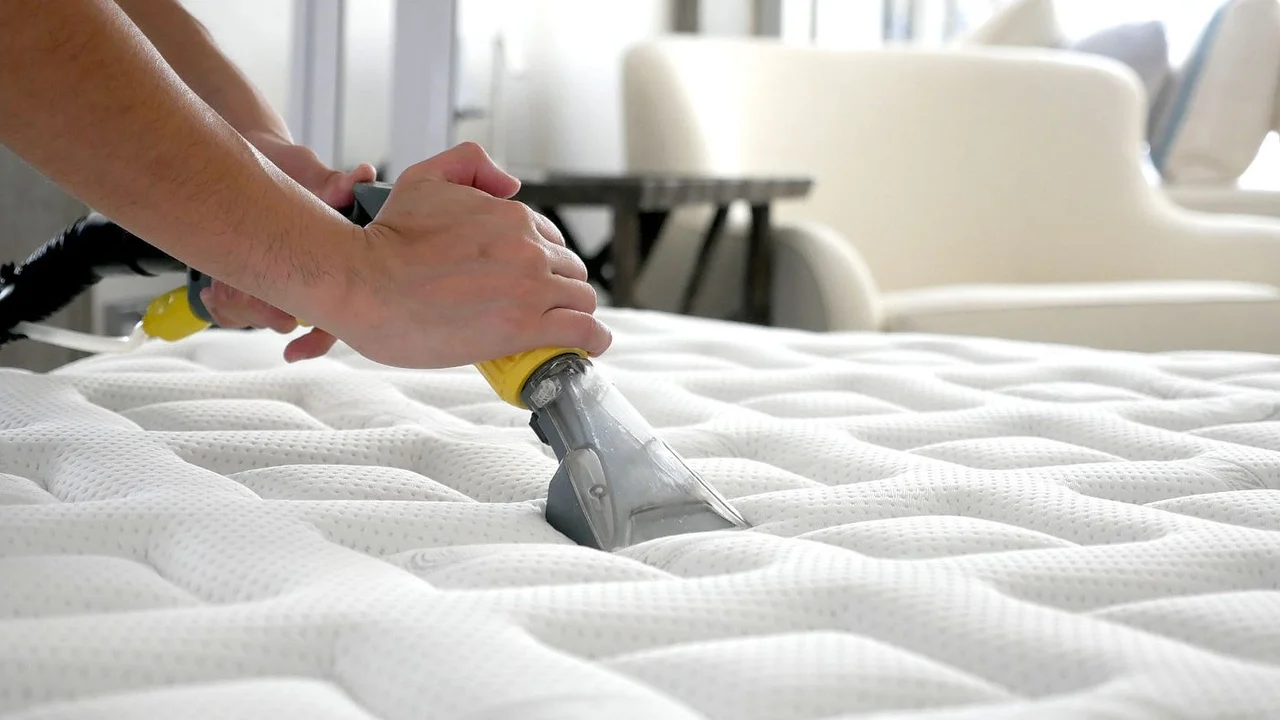
- Product Example: Mattress Encasement (Waterproof and Allergen Proof)
- Description: A full zippered cover for your mattress that protects against spills, allergens, and dust mites.
- Usage Scenario: Useful for sleep enuresis (bedwetting) to protect the mattress and maintain hygiene.
- Comparison: Better than just a mattress pad for full protection.
- Estimated Price: $30 - $80 depending on size.
- Product Example: Soft Floor Mats or Rugs
- Description: Thick, cushioned mats or rugs placed around the bed.
- Usage Scenario: To cushion falls for individuals with RBD or sleepwalking, reducing the risk of injury if they fall out of bed or trip.
- Comparison: A simple, non-intrusive safety measure.
- Estimated Price: Varies widely, from $20 for small mats to hundreds for large area rugs.
4. Sleep Trackers and Smart Home Integration Monitoring and Automation
While not direct solutions, these can provide data and automate environmental controls to support better sleep hygiene, which in turn can reduce parasomnia triggers.
- Product Example: Oura Ring Gen3
- Description: A smart ring that tracks sleep stages, heart rate, body temperature, and activity. Provides insights into sleep quality and readiness.
- Usage Scenario: Helps identify patterns of sleep deprivation or poor sleep quality that might trigger parasomnias. Can also track heart rate spikes during potential night terror episodes.
- Comparison: More discreet and comfortable than wrist-worn trackers for sleep. Provides detailed sleep stage analysis.
- Estimated Price: $299 - $399.
- Product Example: Philips Hue Smart Lighting System
- Description: Smart light bulbs that can be controlled via an app, allowing for dimming, color changes, and scheduling.
- Usage Scenario: Can be programmed to dim gradually in the evening to promote melatonin production, or to turn on a soft, warm light if a bed alarm is triggered, gently guiding a sleepwalker back to bed without harsh bright lights.
- Comparison: Offers more control and automation than traditional light switches.
- Estimated Price: Starter kits from $70 - $150.
Living with Parasomnias Support and Outlook
Living with parasomnias, whether you experience them yourself or are a caregiver, can be challenging. It's important to remember that these are medical conditions, not signs of mental instability or 'craziness.' With proper diagnosis and management, many individuals can significantly reduce the frequency and severity of episodes, leading to safer and more restful nights.
For children, most parasomnias like night terrors and sleepwalking are outgrown as their nervous system matures. For adults, identifying and addressing underlying triggers like stress, sleep deprivation, or other medical conditions is key. If you suspect you or a loved one is experiencing a parasomnia, don't hesitate to consult a sleep specialist. They can provide an accurate diagnosis and tailor a management plan to your specific needs, helping you navigate the complexities of these fascinating, yet sometimes frightening, sleep phenomena.
Remember, a good night's sleep is fundamental to overall health and well-being. By understanding parasomnias and implementing appropriate strategies, you can work towards achieving the restorative sleep you deserve.
:max_bytes(150000):strip_icc()/277019-baked-pork-chops-with-cream-of-mushroom-soup-DDMFS-beauty-4x3-BG-7505-5762b731cf30447d9cbbbbbf387beafa.jpg)