The Accuracy of Sleep Trackers Debunked
Examine the accuracy of consumer sleep trackers and their limitations. Understand what data is truly reliable.
Examine the accuracy of consumer sleep trackers and their limitations. Understand what data is truly reliable.
The Accuracy of Sleep Trackers Debunked
Hey there, sleep enthusiasts and tech geeks! We're diving deep into a topic that's probably crossed your mind if you've ever strapped on a smartwatch or downloaded a sleep app: just how accurate are these sleep trackers, anyway? It's a fair question, especially when you're relying on them to tell you how well you're sleeping, how much deep sleep you're getting, or if you're hitting those REM cycles. Let's pull back the curtain and debunk some myths, understand the science, and figure out what data you can actually trust.
Understanding Sleep Tracking Technology How Do Sleep Trackers Work
Before we talk about accuracy, it's crucial to understand the different ways sleep trackers try to peek into your slumber. Most consumer-grade sleep trackers fall into a few main categories:
Wearable Sleep Trackers Wrist Based Devices
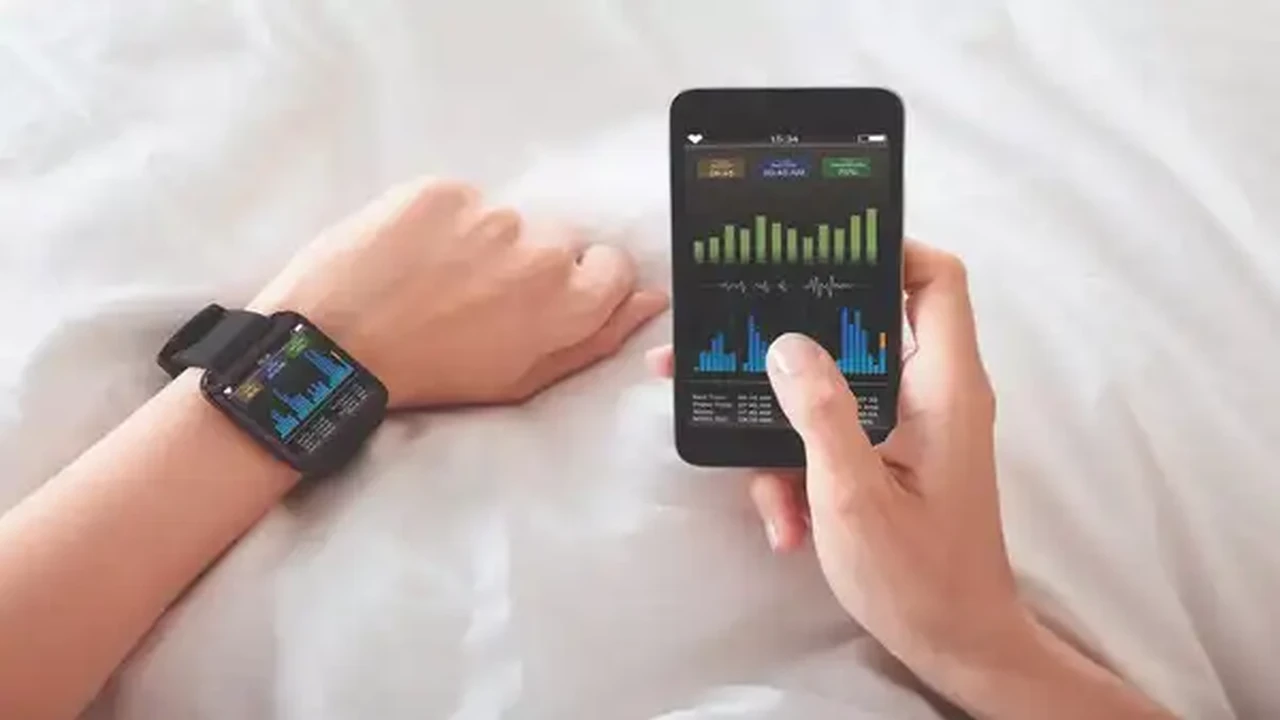
These are probably what first come to mind: your smartwatches, fitness bands, and dedicated sleep rings. Devices like the Apple Watch, Fitbit, Garmin, and the Oura Ring use a combination of sensors. The primary ones are accelerometers, which detect movement, and photoplethysmography (PPG) sensors, which measure heart rate. By tracking your movement, they can infer if you're awake, in light sleep, or restless. Heart rate variability (HRV) data, derived from the PPG sensor, is often used to estimate sleep stages like REM and deep sleep, as your heart rate patterns change during these phases. Some advanced wearables also incorporate skin temperature sensors, which can provide additional clues about your sleep state and overall health.
Non Wearable Sleep Trackers Under Mattress Sensors and Bedside Devices
Then you have the non-wearables. These include under-mattress sensors like the Withings Sleep Analyzer or Eight Sleep Pod, which use pneumatics or ballistocardiography to detect micro-movements, breathing patterns, and heart rate through your mattress. Bedside devices, such as the Google Nest Hub (with Sleep Sensing) or specialized radar-based trackers, use radar or sonar technology to monitor your breathing and movement without physical contact. These often aim to be less intrusive than wearables, appealing to those who don't like wearing anything to bed.
App Based Sleep Trackers Microphone and Movement Sensors
Finally, there are app-based trackers, often using your smartphone's microphone to detect snoring or sleep talking, and its accelerometer to sense movement if placed on the bed. Apps like Sleep Cycle or AutoSleep (for Apple Watch) fall into this category. While convenient, their accuracy can be highly dependent on phone placement and external noise.
The Gold Standard Polysomnography PSG
When we talk about sleep tracker accuracy, we have to compare it to the gold standard: polysomnography (PSG). This is what happens in a sleep lab. You're hooked up to a bunch of electrodes that measure brain waves (EEG), eye movements (EOG), muscle activity (EMG), heart rate (ECG), breathing, and oxygen levels. A trained sleep technician then manually scores your sleep stages based on these detailed physiological signals. PSG is incredibly precise because it directly measures the brain activity that defines sleep stages. Consumer trackers, on the other hand, are inferring these stages based on indirect measures like movement and heart rate.
Where Consumer Sleep Trackers Excel and Fall Short
So, how do our everyday gadgets stack up against the mighty PSG?
Strengths of Consumer Sleep Trackers
- Sleep Duration and Wake/Sleep Detection: Most consumer trackers are pretty good at telling you when you fell asleep and when you woke up, and thus, your total sleep duration. They're generally accurate at distinguishing between being awake and being asleep.
- Sleep Consistency and Trends: Where these devices truly shine is in tracking trends over time. While a single night's data might have some inaccuracies, looking at your sleep patterns over weeks or months can reveal valuable insights. Are you consistently getting less sleep on weekdays? Is your bedtime creeping later? This trend data is incredibly useful for identifying habits that might be impacting your sleep.
- Heart Rate and HRV: Many wearables provide fairly accurate heart rate and heart rate variability data, which can be useful indicators of recovery and stress, even if their direct correlation to sleep stages isn't always perfect.
- Convenience and Accessibility: Let's be real, you're not going to a sleep lab every night. Consumer trackers offer a convenient, non-invasive way to get some insight into your sleep from the comfort of your own bed.
Limitations and Inaccuracies of Consumer Sleep Trackers
- Sleep Stage Accuracy (REM, Deep, Light): This is where things get a bit murky. While trackers can estimate sleep stages, their accuracy, especially for REM and deep sleep, is often questionable compared to PSG. They rely on algorithms that interpret movement and heart rate data, which are indirect proxies for brain activity. For example, if you're lying very still but are actually awake, a tracker might misclassify that as light sleep. Similarly, a vivid dream (REM) might involve some movement that could be misinterpreted.
- Distinguishing Wakefulness from Light Sleep: It can be challenging for trackers to differentiate between being truly awake but still, and being in a very light stage of sleep. This can lead to overestimating sleep duration or underestimating wakefulness during the night.
- Individual Variability: Algorithms are built on population data, but everyone's sleep is unique. What works for one person's sleep pattern might not be perfectly accurate for another.
- External Factors: Things like restless bed partners, pets, or even just fidgeting can throw off movement-based tracking.
- Lack of Clinical Validation: Many consumer devices haven't undergone rigorous clinical validation against PSG in diverse populations.
Specific Product Accuracy Breakdown and Recommendations
Let's get down to some specifics. While no consumer device is as accurate as a sleep lab, some are definitely better than others, especially when it comes to estimating sleep stages. Here's a look at some popular options, their general accuracy, and what they're best for:
Oura Ring Gen3 Best for Sleep Stage Estimation and HRV
The Oura Ring is often cited as one of the most accurate consumer sleep trackers, particularly for sleep stage detection. It uses a combination of infrared LEDs to measure heart rate and HRV, a 3D accelerometer to detect movement, and NTC sensors for skin temperature. Its algorithms are reportedly quite sophisticated. Studies have shown it to be relatively good at identifying REM and deep sleep, though still not perfect compared to PSG. It excels in providing detailed HRV data, which is a great indicator of recovery and stress. The Oura Ring is also fantastic for tracking trends over time and offering actionable insights based on your sleep and activity data.
- Use Case: Individuals serious about optimizing their sleep, athletes tracking recovery, or anyone wanting detailed daily insights into their sleep stages and readiness.
- Pros: High accuracy for a consumer device, comfortable to wear, excellent app with actionable insights, good battery life (4-7 days).
- Cons: Premium price, requires a subscription for full features, not a smartwatch.
- Estimated Price: $299 - $349 (plus monthly subscription for new users).
Whoop 4.0 Best for Recovery and Strain Tracking
Whoop is less about telling you exact sleep stages and more about how your sleep contributes to your overall recovery. It tracks sleep duration, efficiency, and stages (light, REM, deep) using a PPG sensor and accelerometer. Its strength lies in its 'Recovery' score, which integrates sleep, HRV, resting heart rate, and respiratory rate to tell you how prepared your body is for strain. While its sleep stage accuracy is decent, its real value is in the holistic view of recovery and how sleep impacts your daily performance.
- Use Case: Athletes, fitness enthusiasts, or anyone focused on optimizing recovery and understanding the physiological impact of their daily activities and sleep.
- Pros: Excellent recovery metrics, comfortable to wear, strong community and coaching features, long battery life (5 days).
- Cons: Subscription-based model (no upfront purchase), not a traditional smartwatch, sleep stage accuracy is good but not its primary focus.
- Estimated Price: Subscription-based, starting around $30/month.
Fitbit Sense 2 and Charge 6 Good All Rounders for General Sleep Tracking
Fitbit devices are popular for a reason: they offer a good balance of features, including solid sleep tracking. They use accelerometers and heart rate sensors to estimate sleep stages (awake, REM, light, deep). While not as clinically validated for sleep stage accuracy as some dedicated devices, they provide a good general overview of your sleep patterns. They're particularly good at tracking sleep duration, consistency, and providing a 'Sleep Score' that summarizes your night's rest. The Fitbit app is user-friendly and provides helpful insights and tips.
- Use Case: General users looking for an affordable and comprehensive fitness tracker that also provides decent sleep insights, those interested in overall health metrics.
- Pros: Affordable, good battery life, comprehensive fitness tracking, user-friendly app, good for tracking sleep duration and consistency.
- Cons: Sleep stage accuracy is less precise than dedicated sleep trackers, can be bulky for some to wear to bed.
- Estimated Price: Fitbit Charge 6: $159.95; Fitbit Sense 2: $299.95.
Apple Watch Series 9 and Ultra 2 Best for Apple Ecosystem Users
The Apple Watch has significantly improved its native sleep tracking capabilities in recent years. It uses its accelerometer and heart rate sensor to detect sleep stages and provides a detailed breakdown in the Health app. While its sleep stage accuracy is comparable to other wrist-based wearables (i.e., good for trends, less so for clinical precision), its strength lies in its seamless integration with the Apple ecosystem. If you're already an iPhone user, the Apple Watch offers a convenient way to track sleep alongside all your other health and fitness data.
- Use Case: Existing Apple users who want a multi-functional smartwatch that also tracks sleep, those who value ecosystem integration.
- Pros: Seamless Apple ecosystem integration, comprehensive health and fitness tracking, good for sleep duration and consistency, excellent overall smartwatch features.
- Cons: Battery life requires daily charging (especially with sleep tracking), sleep stage accuracy is good but not industry-leading, can be expensive.
- Estimated Price: Apple Watch Series 9: From $399; Apple Watch Ultra 2: From $799.
Withings Sleep Analyzer Best Non Wearable Option
If you dislike wearing anything to bed, the Withings Sleep Analyzer is a fantastic alternative. This thin mat slips under your mattress and uses pneumatics to detect your breathing, heart rate, and body movements. It provides detailed sleep stage analysis (awake, REM, light, deep), detects snoring, and can even identify signs of sleep apnea. Its accuracy for sleep stages is generally considered quite good for a non-wearable device, as it's less susceptible to movement artifacts from your arm.
- Use Case: Individuals who prefer not to wear devices to bed, those concerned about snoring or potential sleep apnea, or anyone wanting a discreet sleep tracking solution.
- Pros: Non-invasive, good sleep stage accuracy for a non-wearable, detects snoring and sleep apnea signs, integrates with the Withings Health Mate app.
- Cons: Only tracks sleep (no daytime activity), requires a power outlet, can be affected by a restless bed partner if they move a lot.
- Estimated Price: $149.95.
Interpreting Your Sleep Data What to Trust
So, with all this information, how should you interpret the data your sleep tracker provides?
Focus on Trends Not Just Single Nights
The most valuable aspect of consumer sleep trackers is their ability to show you trends over time. Don't get too hung up on the exact minute-by-minute breakdown of a single night's sleep stages. Instead, look at whether your average sleep duration is consistent, if your bedtime and wake-up times are regular, and if your sleep score is generally improving or declining over weeks. These trends can highlight behavioral patterns that are impacting your sleep.
Pay Attention to How You Feel
Your subjective feeling of restfulness is paramount. If your tracker says you got 8 hours of perfect sleep, but you wake up feeling groggy and tired, trust your body. Sleep trackers are tools to provide data, but they shouldn't override your own perception of your sleep quality. Use the data to investigate *why* you might be feeling a certain way, rather than letting it dictate how you *should* feel.
Use Sleep Stage Data as an Estimate
While trackers provide sleep stage breakdowns, view them as estimates rather than precise measurements. They can give you a general idea of your sleep architecture, but they are not diagnostic tools. If you have concerns about specific sleep stages (e.g., very little deep sleep), use this information as a prompt to improve your sleep hygiene or consult a professional, rather than as a definitive diagnosis.
Leverage Heart Rate and HRV Data
Heart rate and heart rate variability (HRV) data from wearables can be quite accurate and provide valuable insights into your recovery, stress levels, and overall autonomic nervous system health. A lower resting heart rate and higher HRV during sleep generally indicate better recovery. This data can be more reliable than sleep stage estimates from consumer devices.
Consider the Context
Remember that your sleep is influenced by countless factors: diet, exercise, stress, alcohol, caffeine, screen time, and even your emotional state. When reviewing your sleep data, consider what else was happening in your life that day or week. Did you have a stressful day? Did you exercise late? Did you have a big meal before bed? These factors can explain variations in your sleep metrics.
When to Seek Professional Help Beyond Your Tracker
While sleep trackers are great for personal insights, they are not medical devices. If you consistently experience:
- Excessive daytime sleepiness
- Loud snoring or gasping during sleep
- Difficulty falling or staying asleep for prolonged periods
- Unusual behaviors during sleep (e.g., sleepwalking, night terrors)
- Persistent fatigue despite seemingly adequate sleep
It's time to consult a healthcare professional or a sleep specialist. They can conduct a proper PSG study and provide an accurate diagnosis and treatment plan for any underlying sleep disorders. Your sleep tracker data can be a useful starting point for these conversations, but it should not replace professional medical advice.
The Future of Sleep Tracking Technology
The field of sleep technology is constantly evolving. We're seeing more integration of AI and machine learning to refine algorithms, leading to potentially more accurate sleep stage detection. Miniaturization of sensors means more comfortable and less intrusive devices. There's also a growing trend towards personalized sleep coaching, where AI analyzes your unique data to provide tailored recommendations. While consumer sleep trackers may never fully replace clinical PSG, their accuracy is improving, and their utility in providing actionable insights for general sleep health is undeniable. So, keep tracking, keep learning, and most importantly, keep prioritizing that precious sleep!
:max_bytes(150000):strip_icc()/277019-baked-pork-chops-with-cream-of-mushroom-soup-DDMFS-beauty-4x3-BG-7505-5762b731cf30447d9cbbbbbf387beafa.jpg)