When to See a Sleep Specialist
Understand the signs that indicate you should consult a sleep specialist. Get professional help for persistent sleep issues.

Understand the signs that indicate you should consult a sleep specialist. Get professional help for persistent sleep issues.
When to See a Sleep Specialist
Hey everyone, let's talk about sleep. We all know how vital a good night's rest is for our overall health and well-being. But sometimes, despite our best efforts with sleep hygiene, diet, and exercise, sleep just doesn't come easy. Or maybe it does, but it's not restorative. You wake up feeling tired, groggy, and just not quite right. So, when do you stop trying to fix it yourself and consider bringing in the pros? When is it time to see a sleep specialist? Let's dive into the signs and symptoms that should prompt you to seek professional help, what to expect, and even some tech that can help you track things before your visit.
Persistent Sleep Problems When to Worry
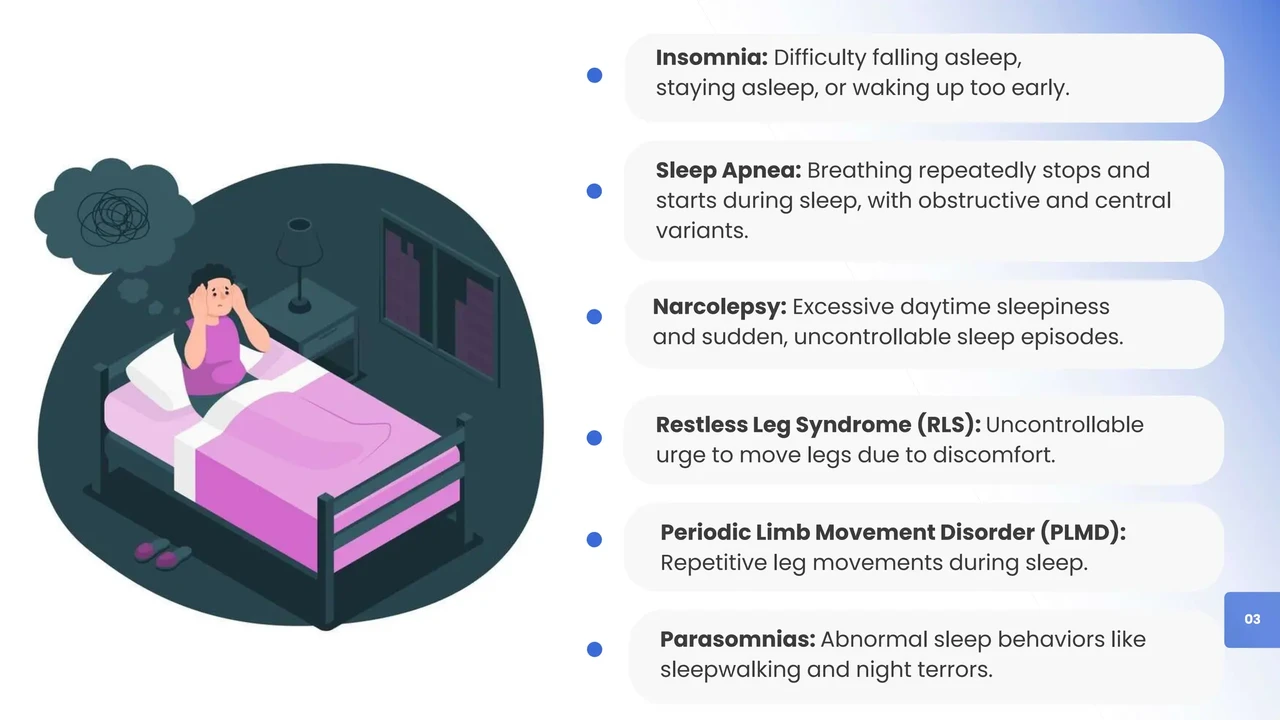
First off, let's define 'persistent.' We all have a bad night here and there. Maybe you're stressed about work, or you had too much coffee late in the day. That's normal. But if you're consistently experiencing sleep issues for more than a few weeks, say, three to four weeks, it's a red flag. This isn't just about feeling tired; it's about your quality of life, your health, and your safety. Are you struggling to fall asleep most nights? Do you wake up frequently and can't get back to sleep? Are you waking up too early and can't drift off again? These are classic signs of insomnia, and if they're sticking around, it's time to consider professional help.
Daytime Symptoms Beyond Tiredness
It's not just about what happens at night. Your sleep problems often manifest during the day. Are you constantly feeling excessively sleepy, even after what you think was a full night's sleep? This isn't just a little yawn; it's falling asleep at your desk, during conversations, or even while driving. That's a serious concern. Other daytime symptoms include difficulty concentrating, memory problems, irritability, mood swings, and a general lack of energy. If these are impacting your work, relationships, or daily activities, your sleep is likely the culprit, and a specialist can help pinpoint why.
Loud Snoring and Breathing Issues Sleep Apnea Concerns
This is a big one, and often, your partner might notice it before you do. Loud, chronic snoring, especially if it's punctuated by gasps, choking sounds, or pauses in breathing, is a strong indicator of sleep apnea. Sleep apnea is a serious condition where your breathing repeatedly stops and starts during sleep. It can lead to significant health problems like high blood pressure, heart disease, stroke, and diabetes. If you or your partner notice these symptoms, don't delay. A sleep study is crucial for diagnosis and treatment.
Unusual Sleep Behaviors Parasomnias and More
Do you find yourself doing strange things in your sleep? This could include sleepwalking, talking in your sleep, acting out dreams, or experiencing night terrors. These are known as parasomnias. While some are harmless, others can be dangerous to yourself or others. For example, REM sleep behavior disorder, where you physically act out vivid dreams, can be a sign of underlying neurological conditions. If you're experiencing any unusual or disruptive behaviors during sleep, a sleep specialist can help diagnose the cause and recommend strategies to manage them.
Restless Legs and Uncomfortable Sensations
Do you get an irresistible urge to move your legs, especially in the evening or at night? Does it feel like crawling, tingling, or aching sensations that are only relieved by movement? This sounds like Restless Legs Syndrome (RLS). RLS can make it incredibly difficult to fall asleep and stay asleep. While it's not life-threatening, it can severely impact your sleep quality and overall well-being. A sleep specialist can help differentiate RLS from other conditions and recommend effective treatments, which might include lifestyle changes, medication, or iron supplementation.
When Over-the-Counter Remedies Aren't Enough
Many people try over-the-counter sleep aids, herbal remedies, or even alcohol to help them sleep. While these might offer temporary relief, they're not long-term solutions and can often mask underlying problems or even worsen sleep in the long run. If you've been relying on these for an extended period and still aren't getting restful sleep, it's a clear sign that you need a more comprehensive evaluation. A sleep specialist can help you understand why these aren't working and develop a sustainable treatment plan.
Pre-Consultation Tracking Tools and Their Benefits
Before you even step into a sleep specialist's office, having some data can be incredibly helpful. This is where sleep tracking technology comes in. While consumer-grade trackers aren't diagnostic tools, they can provide valuable insights into your sleep patterns that you can share with your doctor. Here are a few types of products and how they can help:
Wearable Sleep Trackers Best Smartwatches and Rings
These are probably the most common. Devices like the Oura Ring Gen3 (around $299-$349 USD) or the Apple Watch Series 9 (starting around $399 USD) are excellent for tracking sleep stages (REM, deep, light), heart rate variability, resting heart rate, and even body temperature. The Oura Ring is particularly known for its accuracy in sleep staging and its comfortable, non-intrusive design. It provides a daily 'Readiness Score' based on your sleep and activity, which can be a great indicator of your overall recovery. The Apple Watch, while a fantastic all-around smartwatch, also offers robust sleep tracking through its native Sleep app and integrates with many third-party apps. These devices are great for identifying trends, like consistently low deep sleep or fragmented sleep, which you can then discuss with your specialist. They're easy to use and provide a good overview of your sleep health over time.
Under-Mattress Sleep Trackers Non-Wearable Options
If you're not a fan of wearing something to bed, under-mattress trackers are a fantastic alternative. The Withings Sleep Analyzer (around $129.95 USD) is a popular choice. You simply slide it under your mattress, and it tracks sleep cycles, heart rate, breathing disturbances (which can indicate sleep apnea), and even snoring. It's completely passive, so you don't even know it's there. This type of tracker is excellent for those who want detailed sleep data without any physical contact. It's particularly useful for detecting potential breathing issues during sleep, which is a key piece of information for a sleep specialist.
Dedicated Sleep Tracking Apps and Smart Alarms
While not hardware, many apps can work with your phone's sensors or integrate with wearables. Apps like Sleep Cycle (free with premium features, around $29.99/year USD) or AutoSleep (one-time purchase, around $4.99 USD for Apple Watch users) can track your sleep, analyze patterns, and even wake you during your lightest sleep phase, making you feel more refreshed. Sleep Cycle uses sound analysis to detect snoring and sleep talking, which can be very insightful. AutoSleep provides incredibly detailed metrics for Apple Watch users. While these apps alone aren't diagnostic, they can help you establish a baseline of your sleep habits and identify specific nights where sleep was particularly poor, giving your specialist more context.
Comparing the Options for Your Needs
When choosing a tracker, consider your comfort level and what kind of data you're most interested in. If you want comprehensive physiological data and don't mind wearing a ring, Oura is top-tier. If you're an Apple ecosystem user and want a versatile device, the Apple Watch is a strong contender. For a completely passive experience focused on breathing and general sleep architecture, the Withings Sleep Analyzer is excellent. And for basic pattern tracking and smart alarms, a dedicated app can be a good starting point. Remember, these tools are for gathering information, not for self-diagnosis. They provide a snapshot of your sleep that can be invaluable for your sleep specialist.
What to Expect at a Sleep Specialist Appointment
So, you've decided to see a sleep specialist. Good for you! Here's a general idea of what to expect. Your first appointment will likely involve a detailed discussion about your sleep history, lifestyle, medical history, and any medications you're taking. They'll ask about your symptoms, how long they've been going on, and how they impact your daily life. They might also ask you to keep a sleep diary for a week or two before your visit, so start doing that now if you're considering an appointment.
Depending on your symptoms, the specialist might recommend a sleep study, also known as a polysomnogram. This can be done in a sleep lab or, in some cases, at home. During a sleep study, various sensors monitor your brain waves, heart rate, breathing, oxygen levels, and muscle activity while you sleep. This provides a comprehensive picture of what's happening during your sleep and helps diagnose conditions like sleep apnea, narcolepsy, and restless legs syndrome.
Once a diagnosis is made, your specialist will work with you to develop a personalized treatment plan. This could involve lifestyle modifications, behavioral therapies (like Cognitive Behavioral Therapy for Insomnia, or CBT-I), medication, or devices like a CPAP machine for sleep apnea. The goal is to improve your sleep quality and, by extension, your overall health and well-being.
Don't Delay Your Sleep Health Matters
The bottom line is this: if you're consistently struggling with sleep, if it's impacting your daytime functioning, or if you have any concerns about unusual sleep behaviors, don't hesitate to seek professional help. Sleep is not a luxury; it's a fundamental pillar of health. A sleep specialist has the expertise and tools to diagnose and treat a wide range of sleep disorders, helping you get back to restful, restorative sleep. Taking that step can be life-changing, so listen to your body, and if the signs are there, make that appointment. Your future well-rested self will thank you.
:max_bytes(150000):strip_icc()/277019-baked-pork-chops-with-cream-of-mushroom-soup-DDMFS-beauty-4x3-BG-7505-5762b731cf30447d9cbbbbbf387beafa.jpg)