The Science of Napping Benefits
Explore the scientific benefits of napping for alertness and performance. Learn how to nap effectively without disrupting night sleep.
Explore the scientific benefits of napping for alertness and performance. Learn how to nap effectively without disrupting night sleep.
The Science of Napping Benefits
Ever felt that mid-afternoon slump, where your eyelids feel heavy and your brain just can't seem to focus? You're not alone. Many of us experience this dip in energy and concentration. The good news? A well-timed nap might be just what you need to recharge and boost your productivity. But napping isn't just about feeling less tired; there's a whole science behind its incredible benefits for your brain and body. Let's dive into why a short snooze can be a game-changer for your alertness, performance, and overall well-being, all without messing up your precious nighttime sleep.
Understanding the Power of a Power Nap
When we talk about napping, we're not necessarily talking about a full-blown, multi-hour sleep session. Often, the most effective naps are short and strategic. These are often referred to as 'power naps.' The idea is to get just enough sleep to reap the benefits without falling into deep sleep stages, which can lead to sleep inertia – that groggy, disoriented feeling you sometimes get after waking from a long nap. A power nap, typically lasting 10 to 30 minutes, can significantly improve alertness, motor performance, and even mood.
Cognitive Benefits of Napping Brain Boost
One of the most compelling reasons to embrace napping is its profound impact on cognitive function. Think of your brain like a computer. After hours of processing information, it starts to slow down, and its memory banks get cluttered. A nap acts like a quick reboot, clearing out the mental cobwebs and optimizing your brain's performance.
Memory Consolidation and Napping
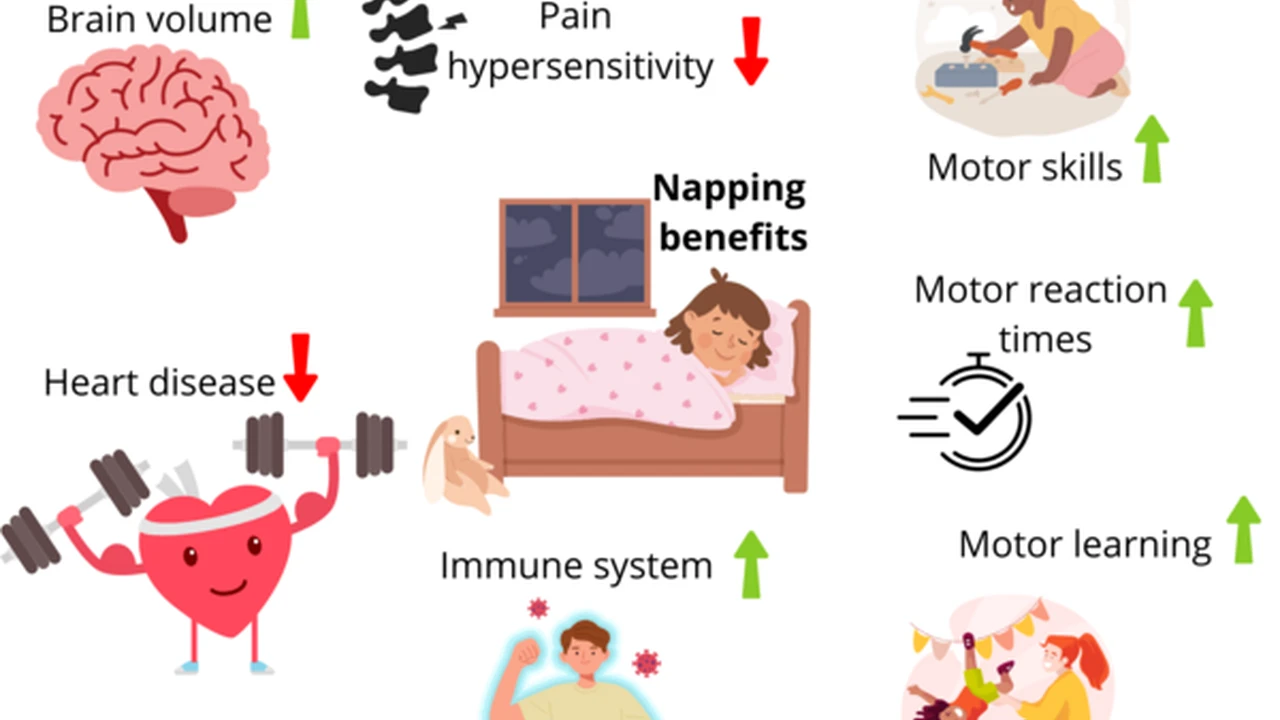
Studies have shown that napping, even for a short period, can enhance memory consolidation. This means your brain is better at transferring information from short-term to long-term memory. So, if you're studying for an exam or trying to learn a new skill, a nap after a learning session can actually help you retain that information more effectively. It's like your brain is filing away all the new data in the right places.
Improved Alertness and Focus with Naps
Feeling foggy? A nap can cut through that mental haze. Research consistently demonstrates that naps improve alertness and sustained attention. This is particularly beneficial for tasks that require prolonged concentration, like driving long distances or working on complex projects. Instead of reaching for another cup of coffee, consider a quick nap to sharpen your focus.
Enhanced Problem Solving and Creativity from Napping
Ever woken up from a nap with a fresh perspective on a problem you were struggling with? Napping can actually boost your problem-solving abilities and creativity. During sleep, your brain continues to process information, sometimes making connections that you wouldn't consciously make while awake. This can lead to 'aha!' moments and innovative solutions.
Physical and Emotional Benefits of Napping Well-being
Beyond the cognitive advantages, napping also offers a range of physical and emotional benefits that contribute to your overall well-being.
Reduced Stress and Improved Mood Through Naps
Life can be stressful, and chronic stress can take a toll on your health. Napping provides a brief escape, allowing your body and mind to relax and reset. This can lead to a reduction in stress hormones and an improvement in mood. A short nap can leave you feeling refreshed, calmer, and more resilient to daily pressures.
Enhanced Physical Performance and Napping
For athletes or anyone engaging in physical activity, naps can be a secret weapon. They aid in muscle recovery, reduce fatigue, and can even improve motor skills and reaction time. If you're feeling sluggish before a workout, a quick nap might give you the energy boost you need to perform at your best.
Cardiovascular Health and Napping
Some studies suggest a link between regular napping and improved cardiovascular health. While more research is needed, the stress-reducing effects of napping could contribute to a healthier heart. It's another piece of the puzzle in maintaining overall physical well-being.
How to Nap Effectively Without Disrupting Night Sleep Napping Strategies
The key to successful napping is doing it right. A poorly timed or too-long nap can indeed interfere with your nighttime sleep. Here's how to master the art of the effective nap:
Optimal Nap Duration for Benefits
This is crucial. For most people, a 10 to 30-minute nap is ideal. This duration allows you to enter the lighter stages of sleep (Stage 1 and Stage 2) without falling into deep sleep (slow-wave sleep). Waking from deep sleep can cause sleep inertia, making you feel worse than before you napped. If you have the luxury of time, a 90-minute nap, which allows for a full sleep cycle, can also be beneficial, but it's less practical for most daily schedules.
Best Time to Nap for Energy
The best time to nap is typically in the early to mid-afternoon, usually between 1 PM and 3 PM. This aligns with your body's natural post-lunch dip in alertness, which is part of your circadian rhythm. Napping too late in the day can make it harder to fall asleep at night, as it can reduce your 'sleep drive' – the natural build-up of sleepiness throughout the day.
Creating the Ideal Nap Environment
Just like with nighttime sleep, your environment plays a big role in the quality of your nap. Aim for a dark, quiet, and cool space. Minimize distractions. If you're at work, find a quiet break room or even your car. Consider using an eye mask and earplugs if noise or light is an issue.
Waking Up from Your Nap Refreshed
Set an alarm! This is non-negotiable for short naps. To avoid grogginess, try to wake up naturally within your set time. If you find yourself feeling disoriented, a splash of cold water on your face or a short walk can help shake off the sleep inertia.
Napping Products and Tools for Better Sleep
To help you achieve the perfect nap, there are several products and tools that can make a big difference. Here are some recommendations, along with their use cases, comparisons, and typical price ranges.
Eye Masks for Napping Darkness
An eye mask is essential for blocking out light, especially if you're napping during the day or in a brightly lit environment. They signal to your brain that it's time to rest.
- Manta Sleep Mask: This mask is known for its modular design, allowing for zero eye pressure and complete darkness. It's great for side sleepers too.
- Use Case: Perfect for travel, office naps, or daytime napping at home.
- Comparison: More expensive than basic masks but offers superior comfort and light blocking.
- Price: $30-$40 USD
- Slip Silk Sleep Mask: Made from high-quality silk, this mask is gentle on the skin and hair, preventing creases and frizz.
- Use Case: Ideal for those who prioritize skin and hair health, or have sensitive skin.
- Comparison: Luxurious feel, but might not block light as completely as a contoured mask.
- Price: $50-$60 USD
- MZOO Sleep Eye Mask: A popular budget-friendly option with a contoured design that keeps light out without pressing on your eyes.
- Use Case: Excellent value for everyday use, travel, or as a backup.
- Comparison: Very effective for its price point, though material quality might not be as premium as silk.
- Price: $10-$15 USD
Earplugs and White Noise Machines for Quiet Naps
Noise can be a major disruptor. Earplugs or a white noise machine can create a peaceful sound environment.
- Loop Quiet Earplugs: These are designed for comfort and effective noise reduction, perfect for sleeping or napping.
- Use Case: Ideal for noisy environments like offices, public transport, or homes with active families.
- Comparison: More comfortable and discreet than traditional foam earplugs, and reusable.
- Price: $20-$30 USD
- LectroFan High Fidelity White Noise Machine: Offers a wide range of non-looping fan sounds and white noise options for consistent sound masking.
- Use Case: Great for creating a consistent sound environment at home or in a hotel room.
- Comparison: More advanced and customizable than basic sound machines, but less portable than apps.
- Price: $50-$60 USD
- Hatch Rest+ (for adults too!): While marketed for babies, the Hatch Rest+ offers white noise, night light, and a time-to-rise feature, making it versatile for adults too.
- Use Case: Excellent for home use, especially if you want a multi-functional device that can also serve as a gentle alarm.
- Comparison: More expensive due to its smart features, but offers great sound quality and customization via an app.
- Price: $90-$100 USD
Travel Pillows for Comfortable Napping
If you're napping on the go, a good travel pillow can make all the difference in comfort and support.
- Cabeau Evolution S3 Travel Pillow: This pillow attaches to your seat, preventing head bobbing and providing excellent neck support.
- Use Case: Perfect for airplane, train, or car naps where you need stable head support.
- Comparison: More supportive and stable than traditional U-shaped pillows, but bulkier.
- Price: $40-$50 USD
- Trtl Pillow: A unique design that looks more like a scarf but offers surprisingly good neck support by holding your head in an ergonomic position.
- Use Case: Great for those who find traditional travel pillows uncomfortable or bulky.
- Comparison: Very compact and lightweight, but takes some getting used to the wrapping style.
- Price: $30-$40 USD
Weighted Blankets for Relaxation Naps
A weighted blanket can provide a sense of calm and security, making it easier to relax and drift off for a nap.
- Gravity Blanket: One of the original and most popular weighted blankets, known for its quality construction and even weight distribution.
- Use Case: Ideal for home naps, especially if you struggle with anxiety or restlessness.
- Comparison: Premium option, often more expensive than generic brands, but with proven effectiveness.
- Price: $150-$250 USD (depending on size/weight)
- YnM Weighted Blanket: A more budget-friendly alternative that still offers good quality and a range of weight options.
- Use Case: A great entry-level weighted blanket for those wanting to try the benefits without a large investment.
- Comparison: Good value, but may not have the same luxurious feel or durability as higher-end brands.
- Price: $40-$80 USD (depending on size/weight)
Common Napping Mistakes to Avoid Napping Pitfalls
While napping offers many benefits, it's easy to fall into habits that can negate them. Here are some common mistakes to steer clear of:
Napping Too Long and Sleep Inertia
As mentioned, exceeding the 30-minute mark (unless you're going for a full 90-minute cycle) can lead to sleep inertia. You'll wake up feeling groggy, disoriented, and sometimes even more tired than before. Stick to your alarm!
Napping Too Late in the Day and Night Sleep Disruption
Napping too close to your bedtime can significantly impact your ability to fall asleep at night. It reduces your 'sleep pressure,' making it harder for your body to feel tired when it's time for bed. Aim to finish your nap at least 4-6 hours before you plan to go to sleep for the night.
Napping in an Unsuitable Environment
Trying to nap in a noisy, bright, or uncomfortable place will likely result in poor-quality sleep, or no sleep at all. Invest a few minutes in creating a conducive environment, even if it's just pulling down the blinds and putting in earplugs.
Relying on Naps Instead of Night Sleep
Naps are a great supplement to, not a replacement for, adequate nighttime sleep. If you consistently feel the need to nap for long periods, it might be a sign that you're not getting enough quality sleep at night. Address the root cause of your sleep deprivation rather than just relying on naps to get by.
Who Can Benefit Most from Napping Napping Demographics
While almost anyone can benefit from a well-timed nap, certain groups might find them particularly advantageous:
- Shift Workers: Those with irregular schedules often struggle to get consistent nighttime sleep. Naps can help bridge the gap and maintain alertness.
- Students: Naps can improve memory consolidation and alertness, making them ideal for studying and retaining information.
- Athletes: Aid in recovery, reduce fatigue, and improve performance.
- Parents of Young Children: Often sleep-deprived, parents can use short naps to recharge and cope with the demands of childcare.
- Long-Distance Drivers: A quick power nap can be a lifesaver for preventing drowsy driving and improving reaction time.
- Anyone Experiencing a Mid-Afternoon Slump: If you consistently feel a dip in energy and focus in the afternoon, a nap could be your solution.
So, the next time you feel that familiar afternoon slump creeping in, don't fight it. Embrace the power of the nap. With a little planning and the right approach, you can harness its scientific benefits to boost your alertness, enhance your performance, and improve your overall well-being, all without sacrificing your precious nighttime rest. Happy napping!
:max_bytes(150000):strip_icc()/277019-baked-pork-chops-with-cream-of-mushroom-soup-DDMFS-beauty-4x3-BG-7505-5762b731cf30447d9cbbbbbf387beafa.jpg)