The Future of Sleep Technology
Glimpse into the future of sleep technology and upcoming innovations. Stay ahead with advancements in sleep science.
Glimpse into the future of sleep technology and upcoming innovations. Stay ahead with advancements in sleep science.
The Future of Sleep Technology
Hey there, sleep enthusiasts and tech geeks! Ever wondered what the future holds for our nightly slumber? We're talking about a world where sleep isn't just a necessity but a highly optimized, data-driven experience. The advancements in sleep technology are moving at lightning speed, promising to transform how we understand, track, and ultimately improve our rest. Forget just counting sheep; we're entering an era of personalized sleep coaching, smart environments, and even therapeutic interventions powered by cutting-edge tech. Let's dive deep into what's on the horizon and explore some of the most exciting innovations that are set to redefine our relationship with sleep.
AI and Machine Learning in Sleep Optimization
Artificial Intelligence (AI) and Machine Learning (ML) are no longer just buzzwords; they're becoming the backbone of personalized sleep solutions. Imagine an AI that learns your unique sleep patterns, identifies subtle disruptions, and then provides tailored recommendations, not just generic advice. This isn't far off. Future AI-powered sleep systems will analyze vast amounts of data – from your heart rate variability and breathing patterns to your daily activities and dietary habits – to create a truly bespoke sleep plan.
Personalized Sleep Coaching with AI
Think of an AI sleep coach as your personal sleep guru, available 24/7. These systems will go beyond simple tracking. They'll predict potential sleep issues before they even arise, suggest optimal bedtimes based on your circadian rhythm and upcoming schedule, and even recommend specific relaxation techniques or dietary adjustments. For instance, if your AI detects a slight increase in restless sleep due to late-night caffeine, it might gently remind you to cut off coffee earlier the next day. It's about proactive, preventative sleep care.
Predictive Analytics for Sleep Health
The real power of AI lies in its predictive capabilities. Future sleep tech will be able to forecast your sleep quality based on a multitude of factors. Did you have a particularly stressful day? Your AI might suggest a longer wind-down routine. Are you traveling across time zones? It could pre-emptively adjust your light exposure recommendations to minimize jet lag. This predictive power will allow us to optimize our sleep before problems even manifest, leading to consistently better rest.
Advanced Biometric Tracking and Sensors for Sleep Insights
While current sleep trackers are good, the next generation will be incredibly precise, offering medical-grade insights from the comfort of your home. We're talking about non-invasive sensors that can accurately measure brain waves (EEG), eye movements (EOG), and muscle activity (EMG) – the gold standard for sleep stage analysis – without requiring you to wear anything uncomfortable.
Non-Contact Sleep Monitoring Technologies
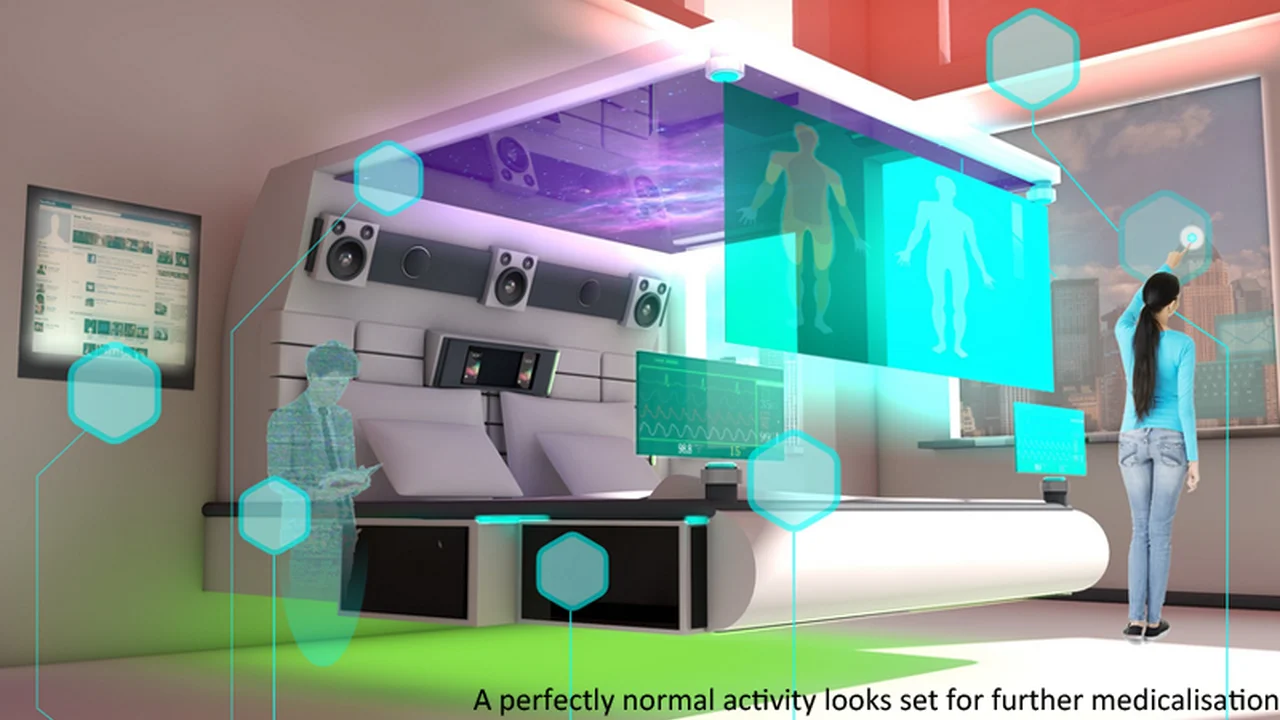
Imagine a future where your sleep is monitored with incredible accuracy without you even knowing it. Non-contact sensors, embedded in mattresses, pillows, or even wall-mounted devices, will become commonplace. These sensors will use radar, infrared, or even subtle vibrations to detect your breathing, heart rate, and micro-movements throughout the night. This means no more uncomfortable wearables, just seamless, invisible monitoring that provides comprehensive data on your sleep architecture.
Wearable Innovations for Deeper Sleep Data
For those who prefer wearables, the next wave will be even more sophisticated. Think smart rings that measure blood oxygen saturation with clinical precision, patches that monitor hydration levels, or even smart fabrics woven into pajamas that track skin temperature and sweat. These devices will integrate seamlessly, providing a holistic view of your physiological state during sleep, helping to identify underlying issues like sleep apnea or restless leg syndrome with greater accuracy.
Smart Sleep Environments and Integrated Systems
The concept of a 'smart home' is evolving into a 'smart sleep sanctuary.' Future bedrooms will be dynamic environments that automatically adjust to optimize your sleep, from the moment you start winding down until you gently wake up.
Dynamic Lighting and Soundscapes for Sleep
Forget static lighting. Future smart bedrooms will feature dynamic lighting systems that mimic natural light cycles, gradually dimming in the evening to promote melatonin production and slowly brightening in the morning for a gentle wake-up. Similarly, adaptive soundscapes will respond to your sleep stages, playing calming sounds during light sleep and white noise during deep sleep, or even subtly adjusting volume based on external disturbances.
Temperature and Air Quality Control for Optimal Rest
Your bedroom will become a perfectly calibrated sleep chamber. Smart thermostats will learn your ideal sleep temperature and adjust accordingly throughout the night. Advanced air purification systems will monitor and optimize air quality, removing allergens and pollutants. Some systems might even release calming scents like lavender at bedtime, creating a truly immersive and therapeutic sleep environment.
Therapeutic and Interventional Sleep Technologies
Beyond tracking and environmental control, future sleep tech will offer more direct therapeutic interventions, moving into the realm of active sleep improvement and even treatment for sleep disorders.
Neurofeedback and Brainwave Entrainment Devices
These technologies are gaining traction. Neurofeedback devices, often in the form of headbands, can read your brainwaves and provide real-time feedback, helping you train your brain to enter more relaxed states conducive to sleep. Brainwave entrainment uses auditory or visual stimuli (like binaural beats or flickering lights) to guide your brain into specific frequency states associated with deep sleep or relaxation. These are powerful tools for those struggling with insomnia or anxiety-related sleep issues.
Targeted Stimulation for Sleep Enhancement
Imagine devices that can gently stimulate specific areas of your brain to enhance deep sleep or reduce awakenings. Transcranial direct current stimulation (tDCS) or transcranial magnetic stimulation (TMS) are research-stage technologies that show promise in modulating brain activity for therapeutic purposes, including sleep. While still largely experimental for home use, the future might see safe, consumer-friendly versions of these technologies.
Emerging Product Categories and Specific Examples
Let's talk about some concrete examples of what's coming, or what's already here but evolving rapidly. These aren't just concepts; many are in advanced development or early market stages.
Smart Beds with Integrated Health Monitoring
Companies like Eight Sleep are already leading the charge with their 'Pod' series. The Eight Sleep Pod 4 (estimated price: $3,000 - $4,000 USD for a queen) is a prime example. It's not just a mattress; it's a climate-controlled sleep system that tracks your sleep stages, heart rate, and breathing. It can warm or cool each side of the bed independently, and its AI learns your preferences. The future versions will likely integrate even more advanced biometric sensors, perhaps even non-contact EEG, and offer more personalized temperature adjustments based on real-time physiological responses. Think of it as a personalized sleep climate control system that also acts as a health monitor. Its use case is for anyone serious about optimizing their sleep environment and gaining deep insights without wearing anything.
Advanced Wearables with Medical-Grade Accuracy
While the Oura Ring Gen 3 (around $300 - $400 USD plus subscription) is already a popular choice for sleep tracking, the next generation will push boundaries. Future Oura-like devices might incorporate continuous blood glucose monitoring, more precise blood oxygen saturation (SpO2) tracking, and even early detection of illness based on subtle physiological shifts during sleep. The Whoop 4.0 (subscription-based, device included) is another strong contender, focusing heavily on recovery and strain. Future iterations will likely integrate more advanced sensor fusion, combining data from multiple sources for even more accurate recovery insights. These are ideal for athletes, busy professionals, or anyone who wants detailed, actionable insights into their daily recovery and sleep.
Smart Lighting Systems for Circadian Rhythm Management
Companies like Philips Hue (starter kits around $100 - $200 USD) and LIFX (bulbs around $30 - $60 USD each) are already offering smart bulbs that can change color temperature and brightness. The future will see these systems become even more sophisticated, with AI integration that automatically adjusts lighting based on your personal circadian rhythm, local sunrise/sunset times, and even your activity levels. Imagine lights that gently shift to a warm, dim glow as your bedtime approaches, then slowly brighten with blue-enriched light in the morning to help you wake up naturally. These are perfect for anyone looking to optimize their light exposure for better sleep and energy throughout the day.
Personalized Sound and White Noise Devices
While devices like the Hatch Restore 2 (around $200 USD) combine a sound machine, smart light, and alarm, the future will bring more personalized soundscapes. Imagine a device that analyzes your sleep stages in real-time and plays specific frequencies or white noise variations to enhance deep sleep or block out specific disruptive noises. These could be integrated into smart pillows or headboards, creating an invisible sound cocoon. The LectroFan Micro2 (around $35 USD) is a portable option, but future versions will be far more adaptive. These are great for light sleepers, those in noisy environments, or anyone who benefits from auditory cues for relaxation.
Neurofeedback and Biofeedback Devices for Home Use
The Muse S headband (around $350 USD) is an existing example of a consumer-grade neurofeedback device that helps with meditation and sleep. Future versions will offer more precise brainwave training, potentially guiding users into specific sleep stages or helping them manage sleep-onset insomnia more effectively. These devices are for individuals who want to actively train their brains for better sleep and stress management, moving beyond passive tracking to active intervention.
Challenges and Considerations for the Future of Sleep Tech
It's not all smooth sailing. As sleep technology advances, several challenges need to be addressed.
Data Privacy and Security in Sleep Tracking
With more personal biometric data being collected, privacy and security become paramount. Who owns this data? How is it stored and used? Ensuring robust encryption and transparent data policies will be crucial for consumer trust. We need to be vigilant about how our most intimate health data is handled.
Accuracy and Validation of Consumer Devices
While consumer devices are improving, ensuring their accuracy and clinical validation remains a challenge. The gap between research-grade equipment and consumer products needs to narrow. Clearer standards and independent testing will help consumers make informed choices.
Accessibility and Affordability of Advanced Sleep Tech
Cutting-edge technology often comes with a hefty price tag. For these innovations to truly transform public health, they need to become more accessible and affordable for a wider population. This will involve scaling production and fostering competition in the market.
Over-reliance on Technology vs. Behavioral Changes
There's a risk of becoming overly reliant on technology and neglecting fundamental sleep hygiene practices. Technology should be a tool to enhance, not replace, healthy habits. The future will ideally see a balance where tech empowers us to make better behavioral choices, rather than just providing a quick fix.
The future of sleep technology is incredibly exciting, promising a world where personalized, proactive, and precise sleep optimization is within everyone's reach. From AI-powered coaches to smart environments and therapeutic interventions, the innovations on the horizon are set to revolutionize how we approach our most fundamental biological need. Get ready to sleep smarter, not just harder!
:max_bytes(150000):strip_icc()/277019-baked-pork-chops-with-cream-of-mushroom-soup-DDMFS-beauty-4x3-BG-7505-5762b731cf30447d9cbbbbbf387beafa.jpg)