Smart Home Devices for Sleep Optimization
Integrate smart home technology to optimize your sleep environment. Automate lighting, temperature, and sound for better rest.
Integrate smart home technology to optimize your sleep environment. Automate lighting, temperature, and sound for better rest.
Smart Home Devices for Sleep Optimization
Introduction to Smart Sleep Technology
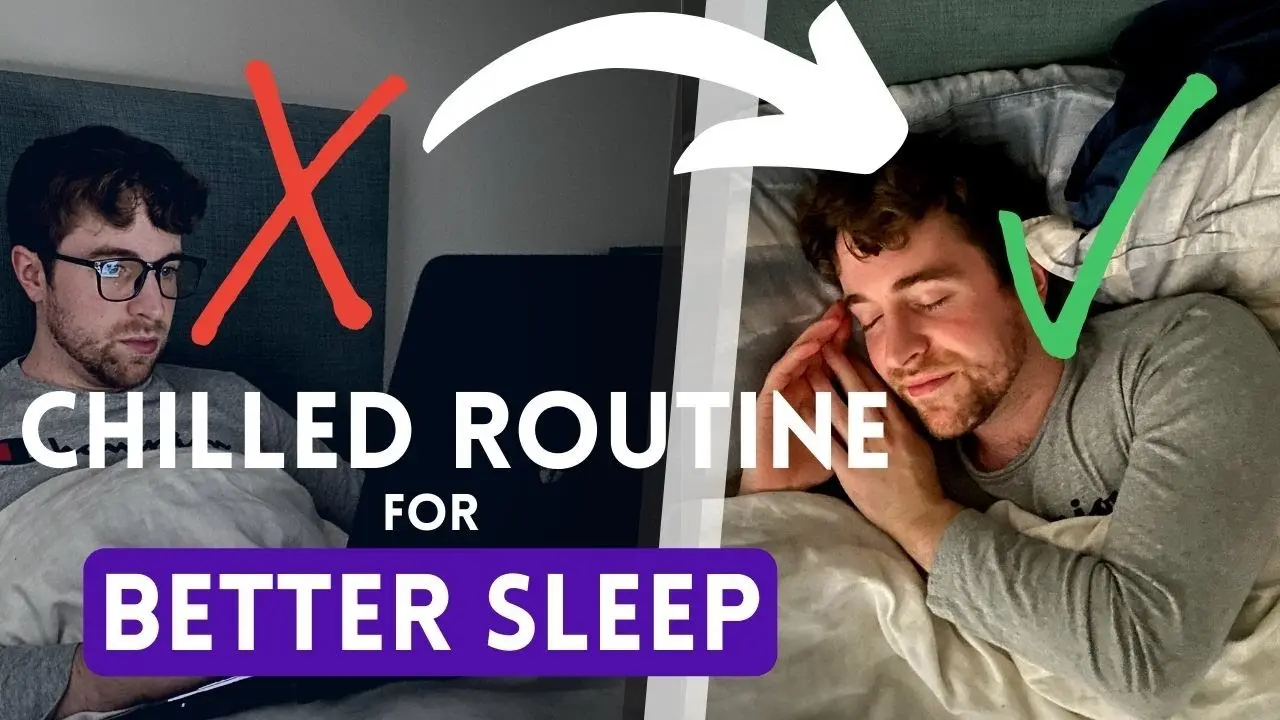
Hey there, sleep seekers! Ever wished your bedroom could just know what you need for the perfect night's rest? Well, good news: with the rise of smart home technology, that dream is becoming a reality. We're talking about devices that can automatically adjust your environment to create the ultimate sleep sanctuary. Forget fumbling with light switches or thermostats; smart tech handles it all, letting you drift off into dreamland with minimal effort. This isn't just about convenience; it's about leveraging technology to genuinely improve your sleep quality, which, as we all know, is foundational to overall health and well-being. From setting the mood with intelligent lighting to maintaining the perfect temperature and even masking disruptive noises, smart home devices are revolutionizing how we approach sleep. Let's dive into how these clever gadgets can transform your nightly routine and help you wake up feeling truly refreshed.
Smart Lighting for Circadian Rhythm Alignment
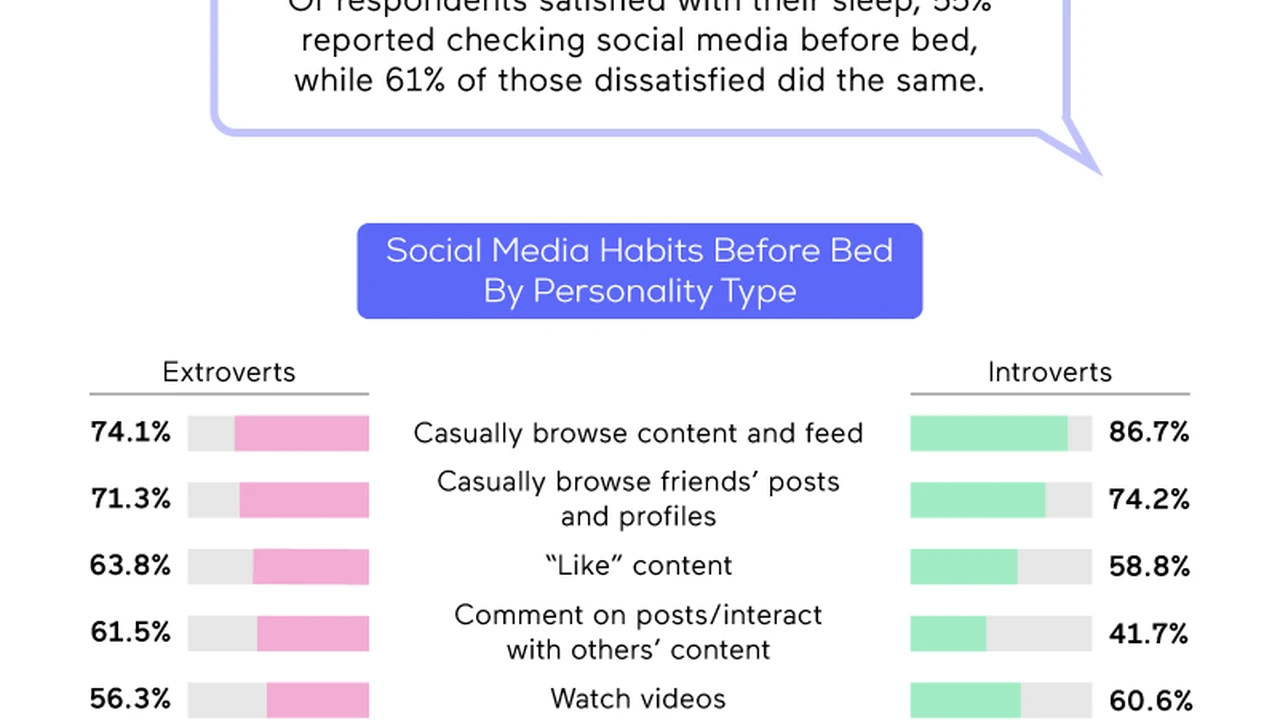
One of the most impactful ways smart home devices can optimize your sleep is through intelligent lighting. Our bodies are incredibly sensitive to light, especially the blue light emitted by screens, which can seriously mess with our natural circadian rhythm – that's your internal body clock. Smart lighting systems, however, can be programmed to mimic natural light cycles, gently waking you up with a sunrise simulation and gradually dimming in the evening to prepare your body for sleep. This isn't just about brightness; it's about color temperature too. Cooler, bluer light is stimulating, while warmer, amber tones are relaxing. Smart bulbs can shift between these, supporting your body's natural melatonin production.
Philips Hue Smart Lighting System
When it comes to smart lighting, Philips Hue is often the first name that comes to mind, and for good reason. It's a comprehensive ecosystem that offers incredible flexibility and integration. You can choose from a wide range of bulbs, light strips, and lamps, all controllable via an app, voice commands (with Alexa, Google Assistant, or Apple HomeKit), or even smart switches. For sleep optimization, Hue's 'Wake Up' and 'Go to Sleep' routines are game-changers. The 'Wake Up' routine gradually brightens your room with a warm, sunrise-like glow, making waking up feel much more natural and less jarring. Conversely, the 'Go to Sleep' routine slowly dims the lights and shifts to warmer tones, signaling to your body that it's time to wind down. You can also set specific scenes for reading in bed or relaxing before sleep. The color temperature range is impressive, allowing for precise control over your bedroom's ambiance. Integration with other smart home platforms is seamless, making it a central hub for your sleep environment. Price: A starter kit (bridge + 2 bulbs) typically ranges from $70-$100, with individual bulbs costing $15-$50 depending on features.
LIFX Smart Bulbs
LIFX offers another excellent option for smart lighting, often praised for its vibrant colors and high brightness. Unlike Philips Hue, LIFX bulbs don't require a separate hub, connecting directly to your Wi-Fi network, which can simplify setup for some users. Their app provides intuitive control over brightness, color, and scheduling. For sleep, LIFX's 'Day & Dusk' feature automatically adjusts the color temperature throughout the day, providing bright, cool light in the morning and warm, dim light in the evening. This passive adjustment helps maintain your circadian rhythm without you having to think about it. They also offer specific 'Sleep' and 'Wake' routines. LIFX bulbs are known for their rich color reproduction, which can be great for creating a calming atmosphere. They also integrate well with major smart home ecosystems. Price: Individual bulbs typically range from $25-$60.
Smart Thermostats for Optimal Sleep Temperature
The ideal sleep temperature is crucial for a good night's rest. Most sleep experts agree that a cooler room, typically between 60-67°F (15-19°C), is best for promoting sleep. Smart thermostats take the guesswork out of maintaining this perfect temperature. They learn your preferences, can be controlled remotely, and can even integrate with your sleep schedule to automatically adjust the temperature throughout the night or before you go to bed.
Google Nest Learning Thermostat
The Google Nest Learning Thermostat is a pioneer in smart home climate control. It literally learns your habits and preferences over time, automatically adjusting the temperature to save energy and keep you comfortable. For sleep, you can program specific temperature schedules. For example, you can set it to gradually cool down your bedroom an hour before your bedtime and then slowly warm up before your alarm goes off. Its 'Home/Away Assist' feature can also detect when you're not home and adjust the temperature accordingly, saving energy. The sleek design and intuitive interface make it a popular choice. It integrates seamlessly with Google Assistant and other Nest products. Price: Around $200-$250.
ecobee SmartThermostat with Voice Control
The ecobee SmartThermostat is another top contender, often lauded for its remote sensors. These sensors can be placed in different rooms, including your bedroom, to ensure the temperature is consistent where you sleep, rather than just at the thermostat's location. This is particularly useful if your bedroom tends to be warmer or cooler than the rest of your house. The ecobee also offers robust scheduling options, allowing you to create a precise sleep schedule. It has built-in Alexa voice control, making it a convenient smart home hub. Its 'Follow Me' feature uses motion sensors to prioritize comfort in occupied rooms. Price: Around $200-$250.
Smart Sound Machines and Sleep Aids
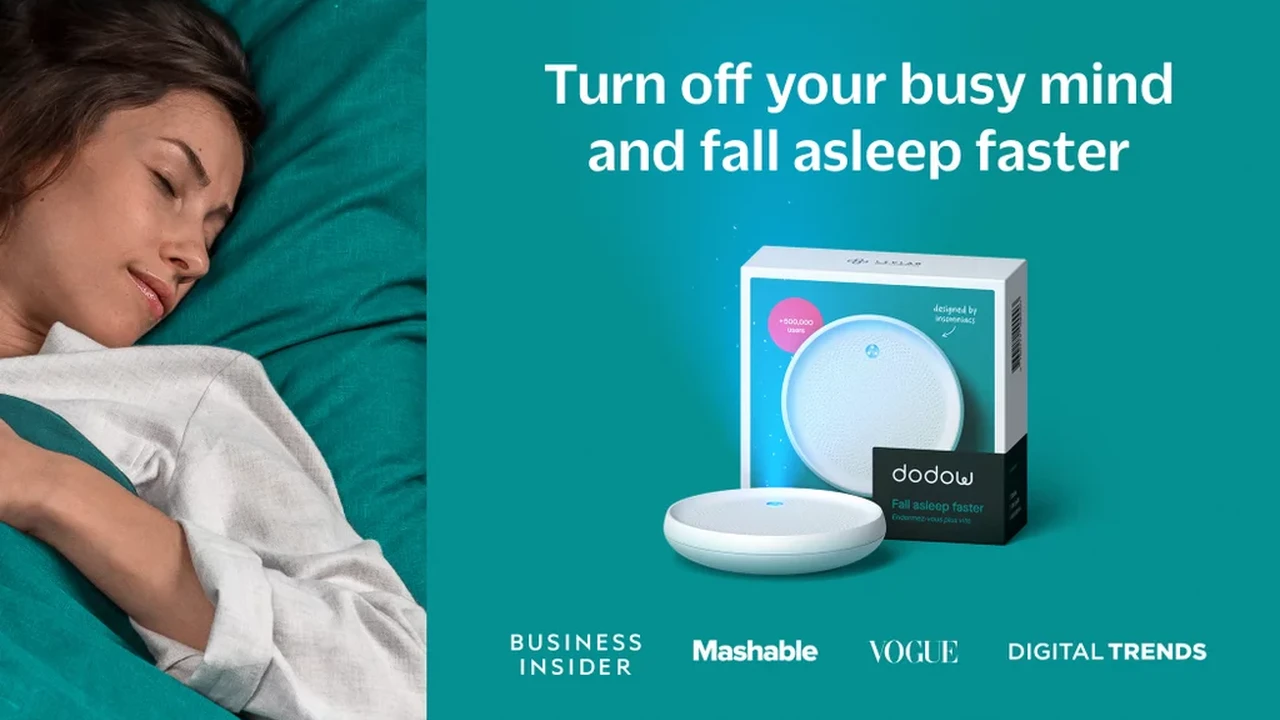
Noise can be a major disruptor to sleep, whether it's street traffic, noisy neighbors, or even a snoring partner. Smart sound machines and sleep aids can help mask these disturbances with soothing sounds, white noise, or even guided meditations, creating a peaceful auditory environment for sleep.
Hatch Restore 2 Smart Sleep Assistant
The Hatch Restore 2 is more than just a sound machine; it's an all-in-one smart sleep assistant. It combines a sound machine, a sunrise alarm, and a night light, all controllable via an intuitive app. For sleep, it offers a vast library of soothing sounds, including white noise, nature sounds, and guided meditations. You can create personalized 'Rest' routines that combine light and sound to help you wind down. The sunrise alarm feature is particularly effective, gently waking you with light and sound. It's designed to be a bedside companion that supports your entire sleep journey, from winding down to waking up. While it doesn't integrate with broader smart home ecosystems in the same way as Hue or Nest, its dedicated focus on sleep makes it incredibly effective. Price: Around $130-$150.
LectroFan Evo White Noise Sound Machine
If you're looking for a dedicated smart sound machine without all the bells and whistles of a full sleep assistant, the LectroFan Evo is an excellent choice. It offers 22 unique non-looping sounds, including 10 white noise variations, 10 fan sounds, and 2 ocean sounds. The 'smart' aspect comes from its precise volume control and timer functions, allowing you to set it to play for a specific duration or continuously. While it doesn't connect to Wi-Fi or integrate with voice assistants, its effectiveness in masking noise and its high-quality sound output make it a top pick for those prioritizing sound. It's a simpler, more focused device that excels at its core function. Price: Around $50-$70.
Smart Beds and Sleep Tracking Integration
For the ultimate in sleep optimization, smart beds offer integrated technology that goes beyond environmental control. These beds can track your sleep, adjust firmness, and even warm your feet, all to ensure you get the best possible rest.
Sleep Number 360 Smart Bed
The Sleep Number 360 Smart Bed is perhaps the most well-known smart bed on the market. Its core feature is the ability to adjust the firmness of each side of the bed (your 'Sleep Number') to your individual preference, providing personalized comfort and support. But it goes much further for sleep optimization. The bed automatically senses your movements and adjusts firmness throughout the night to keep you comfortable. It also has a 'Foot Warming' feature to help you fall asleep faster, and a 'Snore Detection' feature that can gently raise your partner's head to alleviate snoring. The integrated sleep tracking provides detailed insights into your sleep quality, including heart rate, breathing, and sleep stages, all accessible through the SleepIQ app. This data can then be used to further optimize your sleep environment and habits. It's a significant investment, but for those serious about sleep, it offers unparalleled customization and data. Price: Varies widely by model and size, typically starting from $3,000 and going up to $10,000+.
Eight Sleep Pod Pro Cover
If a full smart bed is out of your budget, the Eight Sleep Pod Pro Cover offers a fantastic alternative. This smart mattress cover can be placed on top of your existing mattress, transforming it into a climate-controlled sleep system. It features dynamic temperature regulation, allowing you to set precise temperatures for each side of the bed, ranging from 55°F to 110°F (12.8°C to 43.3°C). This is incredibly useful for couples with different temperature preferences. It also includes advanced sleep tracking, monitoring sleep stages, heart rate, and respiratory rate. The 'GentleRise' alarm uses gradual temperature changes and vibrations to wake you up naturally. The app provides detailed sleep insights and personalized recommendations. It's a more accessible entry point into smart sleep technology compared to a full smart bed. Price: Around $1,800-$2,500 depending on size.
Integrating Your Smart Sleep Ecosystem
The real magic happens when these individual smart devices start working together. Imagine this: as your smart thermostat cools your room to the ideal sleep temperature, your smart lights begin to dim and shift to warm, amber tones. Then, your smart sound machine starts playing soothing white noise. In the morning, your lights gradually brighten, and your smart bed gently warms your feet to help you wake up. This seamless automation creates a truly optimized sleep environment without you lifting a finger.
Smart Home Hubs and Voice Assistants
To achieve this level of integration, you'll often rely on a central smart home hub or a voice assistant. Devices like Amazon Echo (Alexa), Google Home (Google Assistant), or Apple HomePod (Siri/HomeKit) act as the brain of your smart home. You can create 'routines' or 'scenes' that trigger multiple actions with a single command or on a schedule. For example, you could say, “Alexa, good night,” and your lights dim, thermostat adjusts, and sound machine turns on. Many smart sleep devices are designed to be compatible with these major platforms, making it easier to build a cohesive system.
IFTTT for Advanced Automation
For even more advanced automation, consider using IFTTT (If This Then That). IFTTT allows you to create custom 'applets' that connect different smart devices and services. For instance, you could set up an applet that says, 'If my sleep tracker detects I'm in deep sleep, then dim the lights even further.' Or, 'If my smart bed detects I've woken up, then turn on the coffee maker.' The possibilities are vast, allowing for highly personalized sleep routines.
Considerations for Building Your Smart Sleep Sanctuary
While the benefits of smart home devices for sleep are clear, there are a few things to keep in mind as you build your ultimate sleep sanctuary.
Compatibility and Ecosystem Choice
Before investing heavily, decide which smart home ecosystem you prefer (e.g., Amazon Alexa, Google Home, Apple HomeKit) and ensure the devices you choose are compatible. Sticking to one ecosystem can simplify setup and management.
Privacy and Data Security
Smart devices collect data, especially sleep trackers. Be mindful of the privacy policies of the brands you choose and understand how your data is used and protected. Opt for brands with strong security measures.
Budget and Scalability
Smart home technology can be an investment. Start with a few key devices that address your biggest sleep challenges and gradually expand your system as your budget allows. Many systems are designed to be scalable.
User-Friendliness and Setup
While smart devices aim for convenience, some can be more complex to set up than others. Read reviews and choose products known for their user-friendly interfaces and straightforward installation processes.
The Future of Smart Sleep
The world of smart sleep technology is constantly evolving. We're seeing more integration with AI for personalized sleep coaching, advanced sensors for even more precise environmental control, and devices that can proactively adjust based on your real-time physiological data. Imagine a future where your bedroom automatically adapts to your stress levels, adjusting light, sound, and temperature to guide you into a state of deep relaxation. The goal is to make sleep optimization effortless and highly personalized, moving beyond simple tracking to active intervention and improvement. As these technologies become more sophisticated and affordable, a truly optimized sleep environment will be within reach for everyone, paving the way for healthier, more energized lives.
So, whether you're just starting to explore smart home tech or you're ready to dive deep, remember that the ultimate goal is better sleep. These devices are tools to help you achieve that, creating a bedroom environment that actively supports your journey to restorative rest. Sweet dreams!
:max_bytes(150000):strip_icc()/277019-baked-pork-chops-with-cream-of-mushroom-soup-DDMFS-beauty-4x3-BG-7505-5762b731cf30447d9cbbbbbf387beafa.jpg)